 By
By 
New Delhi: The deployment of artificial intelligence-powered facial recognition technology at Delhi's Jantar Mantar has triggered a nationwide debate over the balance between public safety and citizens' right to privacy, after Delhi Police used advanced surveillance systems to monitor participants during ongoing student protests.
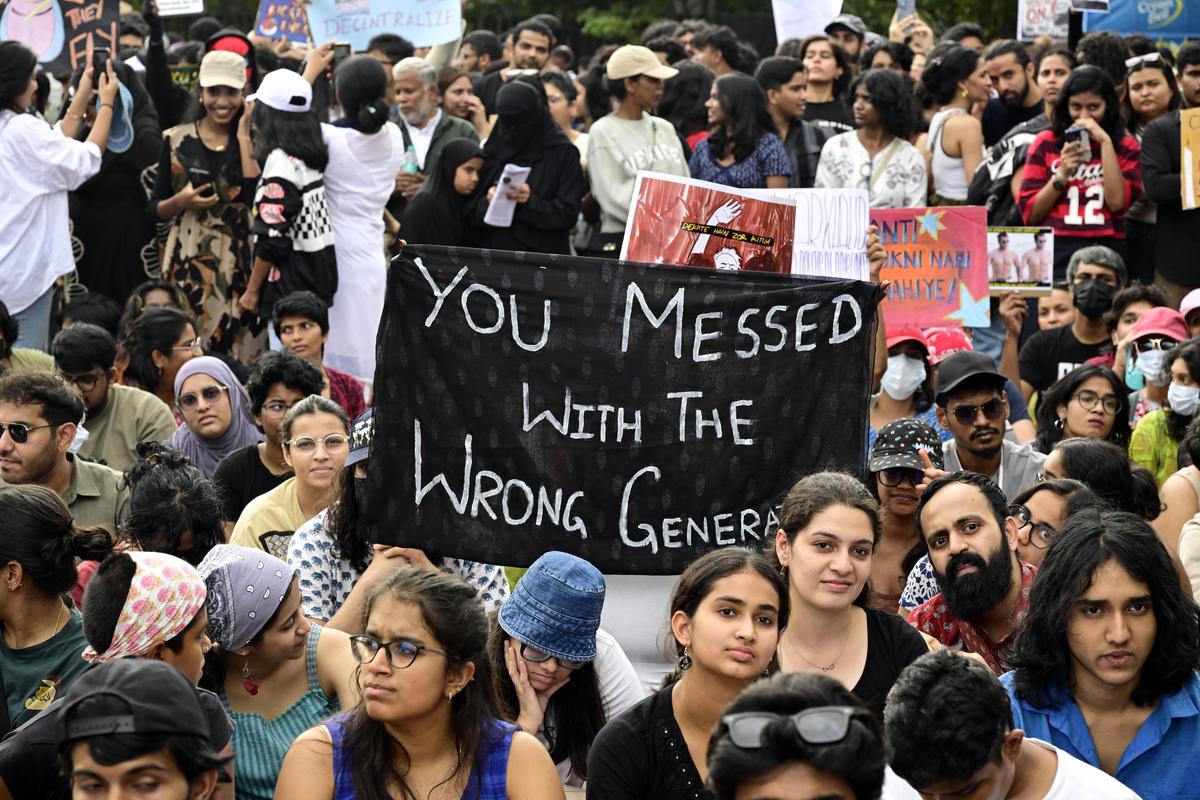
The controversy intensified after reports emerged that facial recognition cameras installed at the protest venue had identified thousands of individuals with previous criminal records. At the same time, activists, digital rights organisations and legal experts have questioned the legality, transparency and proportionality of deploying such technology at a democratic protest site, warning that mass surveillance could have a chilling effect on the constitutional right to peaceful assembly.
AI-powered surveillance at protest site
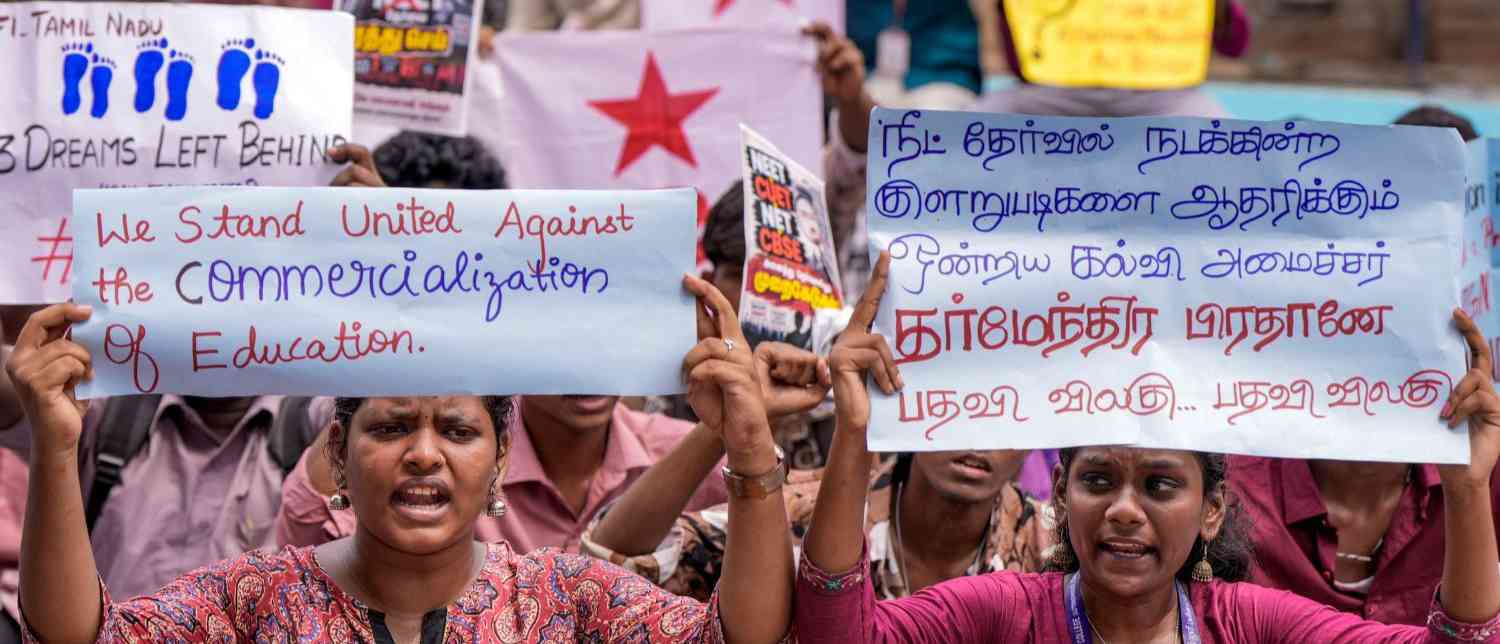
Delhi Police deployed AI-enabled Facial Recognition System (FRS) cameras and mobile surveillance vans around Jantar Mantar, where thousands of students have gathered to protest against alleged examination irregularities and demand accountability from the government.
The technology captures faces from live video feeds and compares them against existing police databases to identify individuals with criminal histories. According to police sources cited by multiple media reports, more than 2,500 people with criminal records were detected at the protest venue through facial recognition technology. Some reports placed the figure even higher, at over 2,800 individuals, including persons accused in serious offences such as rape and murder.
Officials maintain that the deployment was part of routine security arrangements intended to prevent anti-social elements from infiltrating large public gatherings and to ensure law and order.
Police say technology is being used for security
Law enforcement authorities have defended the use of facial recognition, arguing that it enables faster identification of suspects, assists in crowd management and helps prevent violence during large demonstrations.
Police officials have stated that individuals found involved in criminal activities, attacks on security personnel or damage to public property can be identified quickly using AI-assisted surveillance footage. Investigators have reportedly analysed footage from multiple cameras while registering several FIRs related to clashes that occurred during the protests.
Authorities argue that the technology serves as an investigative aid rather than a tool for indiscriminate surveillance and is intended to enhance public safety during mass gatherings.
Aadhaar speculation fuels controversy
Public concern escalated after videos circulating on social media showed AI-equipped surveillance vans scanning protesters in real time. The footage prompted widespread speculation that the facial recognition system was connected to the Aadhaar database, allowing authorities to instantly identify individuals.
However, there is currently no official confirmation supporting those claims.
Reports indicate that Delhi Police has neither confirmed any linkage between the surveillance system and Aadhaar nor acknowledged accessing the national identity database. Independent reports have similarly found no evidence establishing such a connection.
The lack of official clarity has nevertheless intensified concerns about how biometric information is collected, processed and stored during public demonstrations.
Privacy advocates raise constitutional concerns
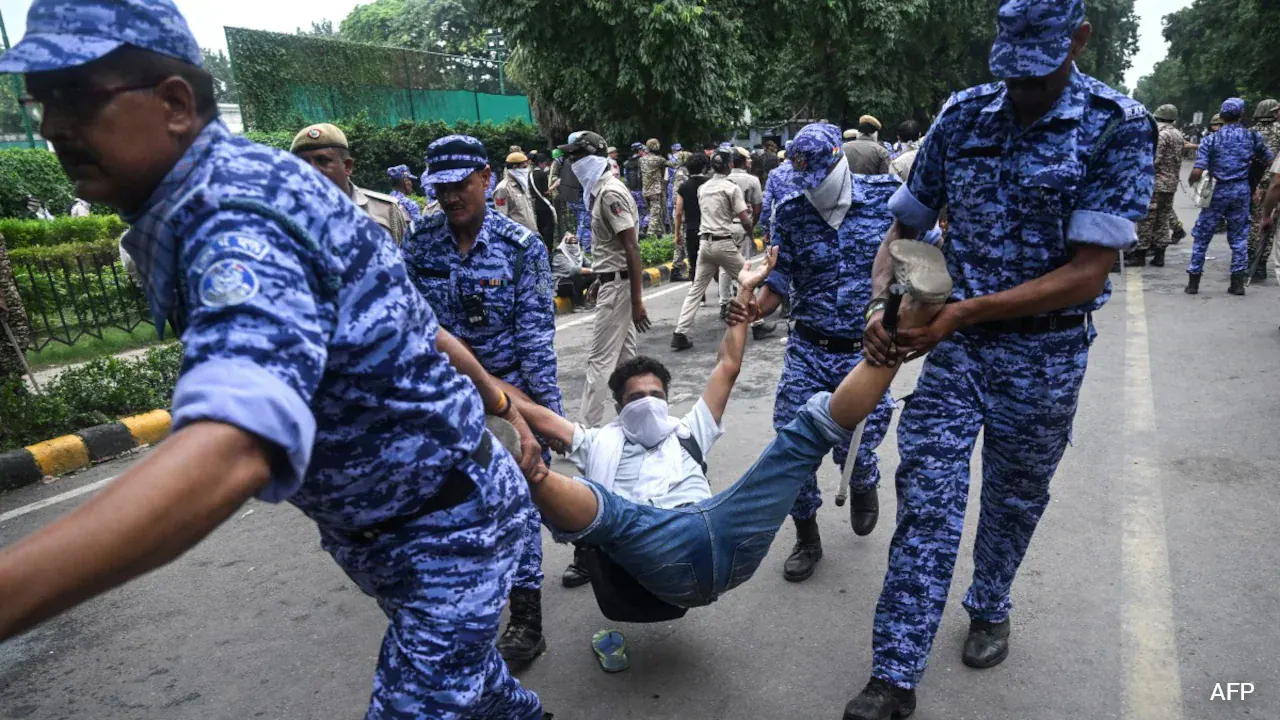
Civil liberties groups and digital rights organisations argue that deploying facial recognition technology at protest sites without a clear legal framework risks undermining fundamental rights guaranteed under the Constitution.
Privacy advocates contend that participants attending peaceful demonstrations should not be subjected to continuous biometric surveillance, particularly when no judicial oversight or statutory safeguards govern the technology's use.
The issue has now reached the courts, with activists challenging the deployment of AI surveillance during the protests. Petitioners have reportedly sought the deletion of collected biometric data and requested judicial guidelines regulating the use of facial recognition technologies by law enforcement agencies.
Critics argue that even if the technology is deployed for security purposes, indiscriminate monitoring of protesters may discourage citizens from exercising their democratic right to assemble peacefully.
Questions over transparency and accountability
The controversy has also renewed scrutiny over transparency in the adoption of AI-powered policing technologies.
While facial recognition systems have increasingly been introduced across several Indian cities for crime prevention and security, experts say there remains limited public information regarding the accuracy of these systems, data retention policies, audit mechanisms and safeguards against misuse.
Questions have also been raised about whether individuals whose faces are scanned are informed about data collection, how long such information is retained and whether innocent citizens have any avenue to seek deletion of their biometric records.
Legal experts argue that these unanswered questions become especially significant when surveillance extends beyond criminal investigations into constitutionally protected public gatherings.
Technology companies distance themselves from deployment
The surveillance debate has also drawn attention to the role of private technology providers.
According to reports, the facial recognition system showcased during the protests was branded as "Ikshana" and developed by surveillance technology company CP Plus. The company has clarified that it supplied the hardware but was not responsible for operational deployment or policing decisions, stating that the technology's use remained entirely under the control of law enforcement authorities.
This distinction has shifted public attention back to questions surrounding government oversight and operational accountability rather than the technology itself.
A broader debate on AI in policing
The developments at Jantar Mantar reflect a wider global debate over the growing use of artificial intelligence in policing.
Supporters argue that AI-assisted surveillance improves public safety by enabling rapid identification of wanted individuals, assisting investigations and helping authorities manage increasingly large public events.
Opponents, however, warn that widespread deployment without dedicated legislation could normalise mass surveillance and weaken privacy protections. They point out that facial recognition systems can produce false matches, disproportionately affect certain communities and create permanent records of individuals engaged in lawful democratic activities.
The Delhi High Court is now examining whether the surveillance measures satisfy constitutional standards of legality, necessity and proportionality. Its eventual ruling could shape future guidelines governing the use of AI-driven surveillance technologies at public gatherings across India.
Security versus civil liberties
The controversy surrounding Delhi Police's facial recognition deployment illustrates the increasingly complex challenge governments face as artificial intelligence becomes embedded in law enforcement.
For authorities, AI-powered surveillance represents an evolving tool to strengthen public security and identify potential threats in real time. For privacy advocates, the same technology raises pressing concerns about mass surveillance, informed consent and democratic freedoms.
As the legal battle unfolds, the debate is likely to influence not only how facial recognition technology is used at protests but also the broader regulatory framework governing AI surveillance in India. Whether future policy can reconcile public safety with constitutional protections will remain one of the defining questions in the country's rapidly expanding digital governance landscape.
With input from agencies
Image Source: Multiple agencies
© Copyright 2026. All Rights Reserved. Powered by Vygr Media.