 By
By 
A simmering labour dispute in Noida’s industrial belt erupted into large-scale violence on April 13, 2026, exposing deep fault lines between factory workers and management over wages, working conditions, and long-standing grievances. What began as a protest demanding a salary hike quickly spiraled into arson, vandalism, and clashes with police, bringing one of Uttar Pradesh’s key manufacturing hubs to a standstill.
Protest Turns Violent Across Industrial Zones
The unrest broke out in multiple industrial sectors of Noida, where hundreds of factory workers gathered to press for higher wages and better employment terms. According to reports, the protest rapidly escalated when negotiations failed to produce immediate assurances, triggering anger among workers who claimed their demands had been ignored for months.
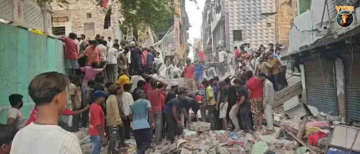
Eyewitness accounts described chaotic scenes as groups of protesters blocked roads, raised slogans, and confronted factory authorities. Within hours, the agitation turned violent. Several vehicles were set ablaze, including private cars and commercial transport vehicles parked near factory premises. Thick plumes of smoke rose across industrial clusters, signaling the scale of destruction.
Properties were vandalised extensively. Windows of factory offices were shattered, security cabins damaged, and equipment destroyed. Videos circulating from the scene showed mobs hurling stones and clashing with security personnel, while frightened employees attempted to flee the area.
Clashes With Police and Security Forces
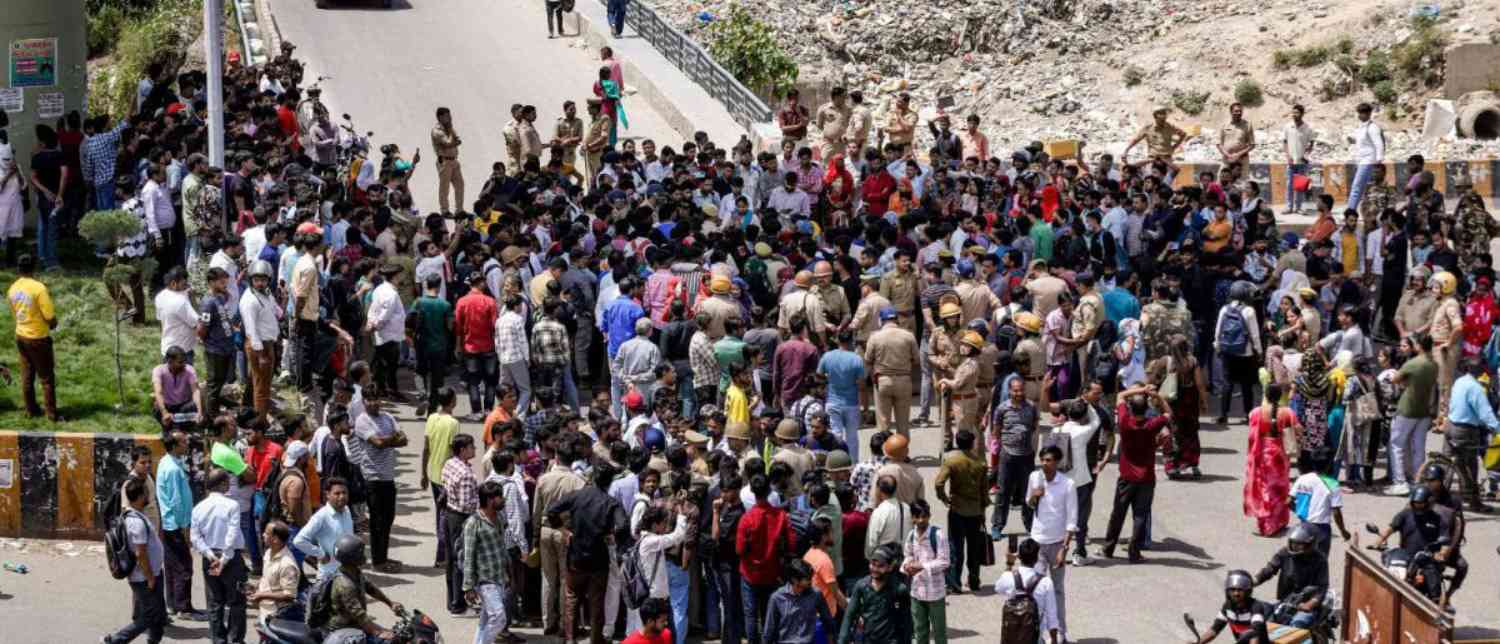
As violence spread, heavy police deployment was rushed to the affected zones. Law enforcement agencies attempted to disperse the crowds, but were met with resistance. Protesters reportedly pelted stones at police teams, prompting authorities to use force to regain control.
Several police personnel were injured during the clashes, while multiple protesters also sustained injuries. Barricades were set up across key entry points to prevent the unrest from spilling into residential and commercial areas.
Officials confirmed that the situation required reinforcement from additional units, including rapid response teams. By afternoon, authorities had begun efforts to secure the industrial belt, though tensions remained high.
#WATCH | Uttar Pradesh: Vehicles and properties vandalised and stones pelted in Phase 2 of Noida where a large number of employees of a company gathered in protest over their demands for a salary increment. Heavy Police deployment made here to bring the situation under control.… pic.twitter.com/1B0axJZSBN— ANI (@ANI) April 13, 2026
Wage Dispute at the Core
At the heart of the unrest lies a long-standing dispute over wages. Workers have been demanding a significant salary hike, citing rising inflation, increased cost of living, and what they describe as stagnating wages despite growing industrial output.
Many workers alleged that their salaries had not been revised adequately for years, even as production targets increased. They also raised concerns about long working hours, lack of job security, and inadequate benefits.
Among the key demands were:
-
Immediate wage revision in line with inflation
-
Regularisation of contractual workers
-
Improved working conditions and safety measures
-
Timely payment of salaries and overtime dues
Workers claimed that repeated appeals to management had failed to yield results, leading to frustration and eventual confrontation.
Factories Shut, Operations Disrupted
The violence forced several factories to suspend operations, with management prioritising employee safety. Industrial activity in the affected sectors came to a near halt as workers abandoned production lines and fled the premises.
Transport services in the region were also disrupted. With roads blocked and vehicles damaged, movement of goods was severely impacted, raising concerns about supply chain delays.
Local businesses in and around the industrial zones downed shutters amid fears of further escalation. The ripple effect of the unrest extended beyond factories, affecting daily wage earners and small vendors dependent on industrial activity.
औद्योगिक शांति बनाए रखने के हेतु नोएडा प्राधिकरण में महत्वपूर्ण बैठक संपन्न हुई,जिसमें प्रमुख सचिव(श्रम)एवं श्रम आयुक्त,उ0प्र0 ने वर्चुअल रूप से प्रतिभाग करते हुए श्रमिकों के हितों की सुरक्षा, ओवरटाइम का दोगुनाभुगतान,बोनस,साप्ताहिकअवकाश एवंकार्यस्थल सुरक्षा सहित विषयों पर चर्चाकी pic.twitter.com/Ui7XaDGHai— DM NOIDA Gautam Buddha Nagar (@dmgbnagar) April 12, 2026
Eyewitness Accounts and Ground Reality
Residents and workers described scenes of panic and confusion. Many said the protest initially appeared organised and peaceful but quickly turned aggressive when tempers flared.
Some workers alleged that tensions escalated after a confrontation between protest leaders and factory representatives. Others claimed that external elements may have aggravated the situation, though this remains unverified.
Visuals from the ground showed charred remains of vehicles, broken glass scattered across roads, and damaged infrastructure—clear evidence of the scale of violence.
Administration Responds
District authorities acknowledged the seriousness of the situation and assured strict action against those involved in violence and vandalism. Officials emphasised that while workers have the right to protest, destruction of property and attacks on personnel would not be tolerated.
Police began identifying individuals involved in the clashes using CCTV footage and video evidence. Detentions were reported, though the exact number of arrests was not immediately confirmed.
Senior officials also indicated that talks would be initiated to address the workers’ demands and prevent further escalation. Efforts were underway to restore normalcy and resume industrial operations.
Political and Economic Implications
The incident has sparked broader concerns about labour relations in India’s rapidly expanding industrial corridors. Noida, a major hub for manufacturing and export-oriented industries, plays a critical role in the regional economy. Disruptions of this scale could have significant economic consequences if not addressed swiftly.
Labour experts point out that the unrest reflects deeper structural issues, including wage disparities, reliance on contract labour, and gaps in grievance redressal mechanisms. They warn that similar flashpoints could emerge in other industrial regions if systemic concerns remain unresolved.
Calls for Dialogue and Reform
In the aftermath of the violence, there have been increasing calls for constructive dialogue between workers, employers, and the government. Industry bodies stressed the need for balancing worker welfare with business sustainability, while labour groups demanded stronger enforcement of worker rights.
Some experts have suggested:
-
Establishing formal negotiation channels between workers and management
-
Periodic wage reviews linked to inflation indices
-
Strengthening labour law compliance and monitoring
-
Enhancing worker representation in decision-making processes
Situation Under Watch
By late evening, the situation in Noida was reported to be under relative control, though security remained tight. Police patrols continued across sensitive areas, and authorities maintained a cautious approach amid fears of renewed unrest.
While calm may have been restored for now, the underlying issues remain unresolved. The events of April 13 serve as a stark reminder that economic growth without equitable labour practices can lead to volatile outcomes.
As negotiations loom and investigations continue, all eyes are on how authorities and industry leaders respond—not just to contain the immediate crisis, but to address the deeper grievances that brought one of India’s key industrial regions to a standstill.
With inputs from agencies
Image Source: Multiple agencies
© Copyright 2025. All Rights Reserved. Powered by Vygr Media.