 By
By 
Mumbai’s food scene has come under renewed regulatory scrutiny after the Maharashtra Food and Drug Administration (FDA) suspended the licences of 13 food establishments following inspections that uncovered a range of serious food safety and hygiene violations.
The action, which affected prominent establishments in Mumbai as well as food businesses in other parts of Maharashtra, included the Bombay Presidency Radio Club in Colaba and a McDonald’s outlet at Metro House in south Mumbai. Inspectors reported pest infestations, improper food storage, inadequate cleaning practices and other lapses that raised concerns over the safety of food being prepared and served to customers.
The latest crackdown is part of a wider enforcement drive that has intensified in Maharashtra in recent months. In one recent round of inspections, officials checked 89 hotels, restaurants and roadside eateries across the state. While 71 establishments were issued improvement notices, the licences of 13 food businesses were suspended over violations considered serious enough to warrant immediate regulatory action.
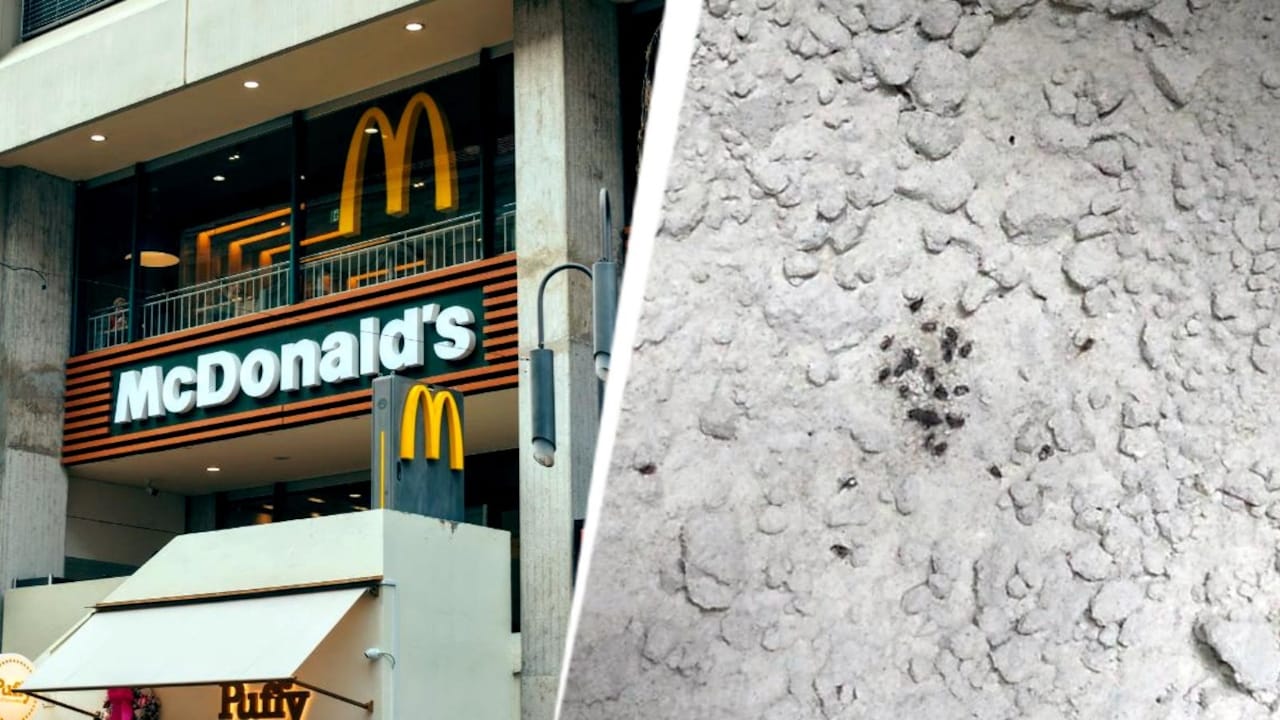
Radio Club kitchen found with flies and cockroaches
Among the most striking cases was the Bombay Presidency Radio Club, a long-established institution in south Mumbai.
During an inspection conducted on August 19, the establishment recorded a non-compliance rate of 47 per cent. Authorities subsequently ordered the club to stop the purchase, sale and distribution of food for the duration of the licence suspension.
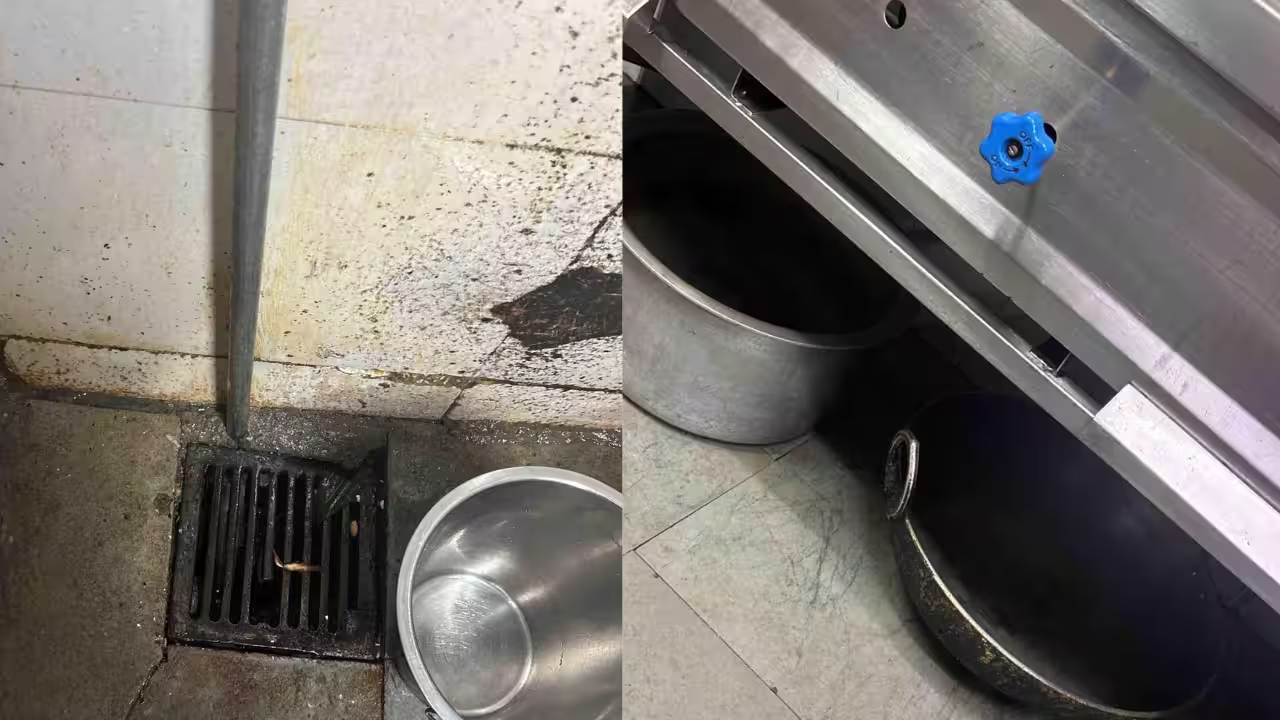
The inspection reportedly found a significant infestation of live flies in different parts of the kitchen, along with dead cockroaches. The findings extended beyond pest activity. Inspectors also flagged peeling paint and plaster on the ceiling above food preparation areas, raising concerns about contamination from deteriorating infrastructure.
Food safety risks were compounded by the way materials were stored. Washing powder and other chemicals were reportedly kept close to food items, while food was found directly on the floor. Refrigerators used for storing non-vegetarian food were also described as unclean.
Officials further found improper thawing of frozen food, an inadequately sealed kitchen door that could allow pests and contaminants to enter, and garbage bins positioned close to cooking stoves. Spitting marks were also reportedly found on the premises.
Taken together, the findings point to problems involving pest control, food storage, sanitation, kitchen maintenance and basic hygiene practices rather than an isolated lapse.
McDonald’s Colaba outlet failed to address earlier deficiencies
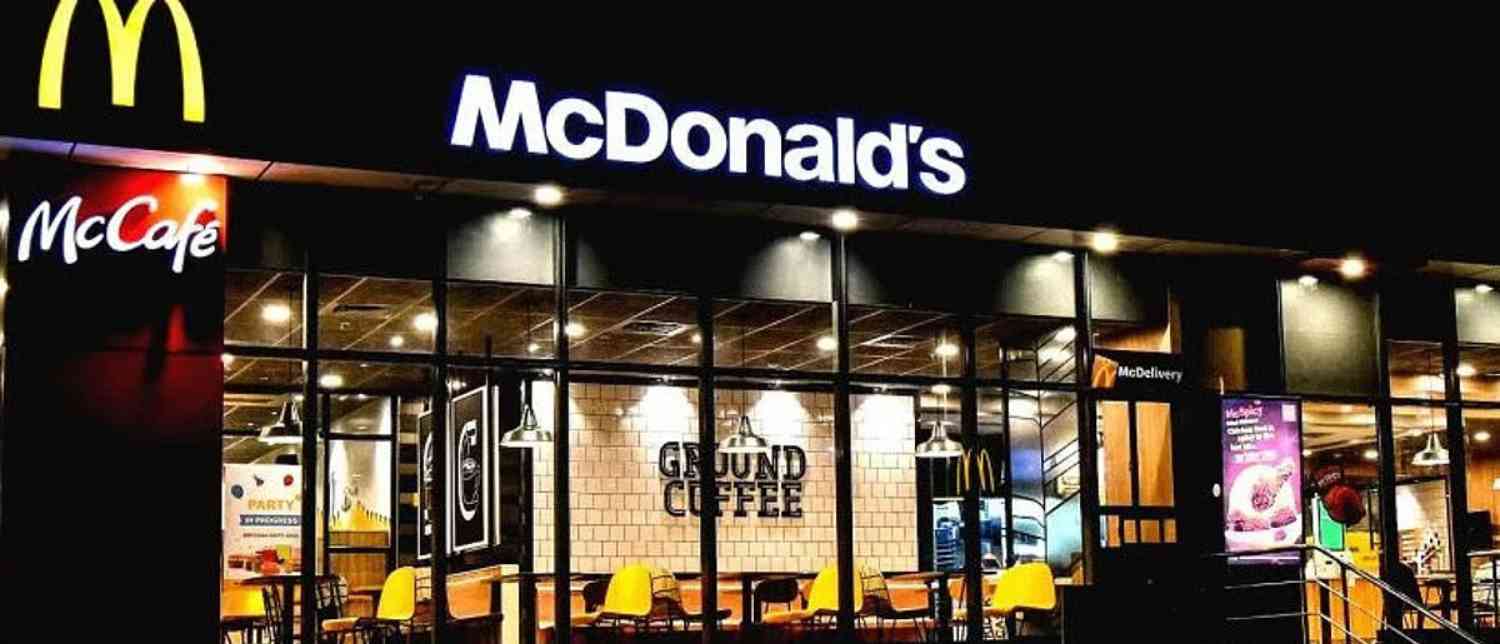
A McDonald’s Family Restaurant kiosk at Metro House in Colaba also faced immediate suspension of its FSSAI licence.
The action followed a reinspection on August 19. According to the FDA, the outlet had previously been issued an improvement notice listing 20 deficiencies. During the follow-up inspection, 18 of those 20 deficiencies were still found to be unresolved.
The findings included uncalibrated refrigeration equipment, live cockroaches and an absence of adequate pest traps. Inspectors also reportedly found rotting food waste on the kitchen floor, dirty cleaning cloths and dust-covered light fixtures without protective shields.
One of the more serious observations concerned employee hygiene. Workers were allegedly found handling ready-to-eat food without washing their hands after touching dirty footwear and soiled cleaning cloths. Such practices can create a direct pathway for contamination, particularly when food is ready to be served and requires no further cooking.
The outlet had submitted a 148-page compliance report on August 12. However, the subsequent inspection found that most of the serious deficiencies remained unresolved, according to the FDA.
Officials also raised questions over the use of a processed non-dairy or analogue preparation described as “GO Cheese SAUCE”, despite customer-facing claims referring to real cheese and paneer. The company has said it maintains a zero-tolerance approach to food safety and follows stringent food quality, safety and hygiene standards, while reviewing the observations made during the inspection.
Other Mumbai restaurants and clubs face action
The regulatory action was not limited to the Radio Club and McDonald’s outlet.
Novaara restaurant in Malad, operated by Ingenious Kitchens Pvt Ltd, also lost its food business licence after a reinspection found that 14 of 25 serious deficiencies mentioned in an earlier improvement notice remained unresolved.
Among the problems were old kitchen utensils and equipment that did not conform to food safety requirements, a lack of grease and cockroach traps in drainage lines, and inadequate medical examination records for food handlers.
Status Restaurant at Nariman Point faced immediate suspension following a customer complaint. Inspectors reportedly found an employee washing his face directly over clean food utensils, allowing wastewater to splash onto them.
The establishment was also flagged for incomplete personal protective equipment among workers, dirty crockery, stagnant water, grease and oil deposits, rust and accumulated food waste.
Khar Gymkhana in Khar West also faced regulatory action, with its registration certificate suspended. Inspectors reportedly identified inadequate storage, poor cleanliness in food preparation areas and insufficient segregation between raw and prepared food.
The inspection further highlighted a lack of hot water for washing utensils and improper thawing of frozen food. Failure to keep raw and cooked food properly separated can increase the risk of cross-contamination, making such violations particularly significant from a food safety perspective.
Other Mumbai establishments facing suspension included Bajrang Sweet Mart in Santacruz West and ASM Hotels and Hospitality Services Pvt Ltd in Andheri West.
Crackdown extends beyond Mumbai
The FDA's enforcement drive has also reached food establishments in other parts of Maharashtra.
Licences were suspended at Du Brothers Shawarma in Nagpur, Avanti Snacks in Nashik and Pintu Yadav Sweets in Amravati. Three establishments across Chhatrapati Sambhajinagar and Parbhani — Chhappan Bhog Thali Restaurant and Banquet Hall, MHARO Gayatri Mewad Pvt Ltd and Star Bakery — also faced action over sanitation and food safety concerns.
A separate inspection drive in the Pune division between August 17 and 20 resulted in five more licence suspensions. The action covered establishments including Baba’s Kitchen in Mulshi, Ambrosios, Shrinath Food Corner in Hinjewadi and a KFC outlet operated by Sapphire Foods in Bavdhan.
At Baba’s Kitchen, inspectors reportedly found unauthorised food colouring and substantial quantities of stale food. Ambrosios was flagged for unhygienic conditions and cockroaches.
At the KFC outlet, officials identified problems with storage arrangements, including a storage facility that lacked the required approval under the food licence. A malfunctioning cold-storage air-conditioning system reportedly caused water leakage and ice accumulation over food containers, while several food boxes were kept directly on the floor or against walls.
In another case, inspectors found insect-infested jowar and bajra flour at Chhappan Bhog Thali Restaurant and Banquet Hall in Chhatrapati Sambhajinagar. Officials said workers indicated that the flour would still be used after manually removing the insects.
The FDA also raised concerns about inadequate storage arrangements, improper labelling and storage of food in refrigerators and freezers, as well as the absence of records showing that water used for food preparation had been tested.
A tougher approach to food safety
The scale and nature of the latest action signal a more aggressive approach towards food safety compliance in Maharashtra.
The FDA's intensified enforcement has increasingly brought well-known restaurants, clubs, food chains and other established businesses under scrutiny. The focus is not merely on whether an outlet possesses a valid food licence, but also on whether it continues to meet the hygiene and safety conditions expected of a licensed food business.
The recent inspections also highlight an important distinction: an improvement notice is an opportunity for an establishment to correct deficiencies, while continued non-compliance during a subsequent inspection can result in much stronger action.
That issue is particularly evident in the McDonald’s Colaba case, where inspectors said 18 of 20 previously identified deficiencies had not been corrected despite the submission of a detailed compliance report. Novaara faced a similar situation, with more than half of the serious deficiencies cited earlier reportedly remaining unresolved.
The message from the enforcement drive is therefore becoming increasingly clear. Food businesses are expected not only to acknowledge violations but to demonstrate that corrective measures have actually been implemented.
For customers, the inspections offer a sobering reminder that the appearance, reputation or popularity of an establishment cannot by itself guarantee safe food-handling practices. Behind a polished dining room or a familiar brand name, kitchen hygiene, pest control, storage temperatures, employee practices and food segregation remain critical safeguards.
As the Maharashtra FDA continues its inspections, more establishments could face scrutiny if they fail to meet food safety requirements. For restaurants and food businesses, compliance is no longer simply a regulatory formality; it is directly tied to consumer safety, public trust and the ability to keep their kitchens operating.
With input from agencies
Image Source: Multiple agencies
© Copyright 2026. All Rights Reserved. Powered by Vygr Media.