 By
By 
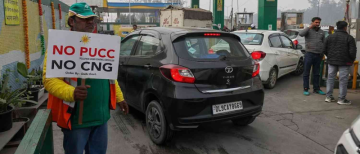
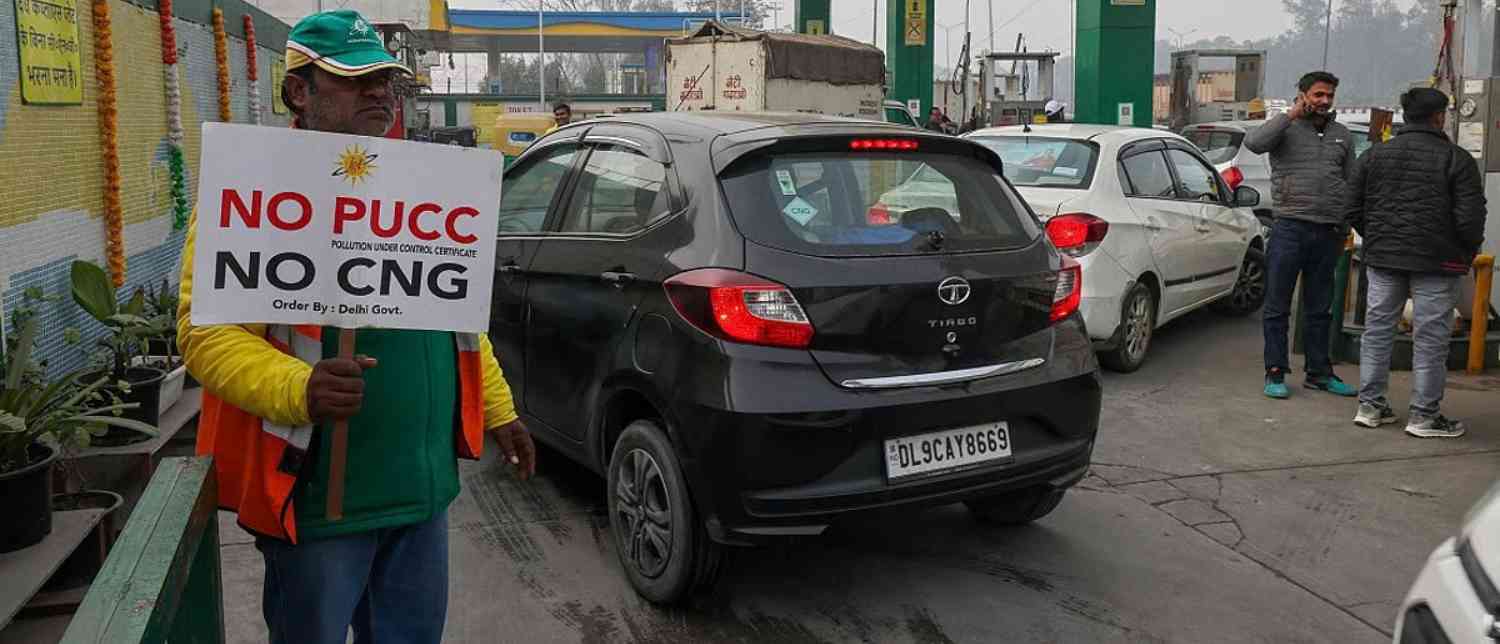
For vehicle owners across Delhi-NCR, a valid PUC certificate is no longer just a document to keep in the glove compartment. From October 1, vehicles without a valid Pollution Under Control certificate will not be allowed to refuel at petrol and CNG stations covered by the new enforcement system.
The “No PUC, No Fuel” rule is being tightened as Delhi and the wider National Capital Region prepare for the winter months, when a combination of local emissions, stagnant weather conditions, traffic, dust and pollution from surrounding areas can contribute to deteriorating air quality.
The latest enforcement push follows a review by the Commission for Air Quality Management (CAQM), which has directed authorities across the NCR to ensure coordinated implementation of pollution-control measures.
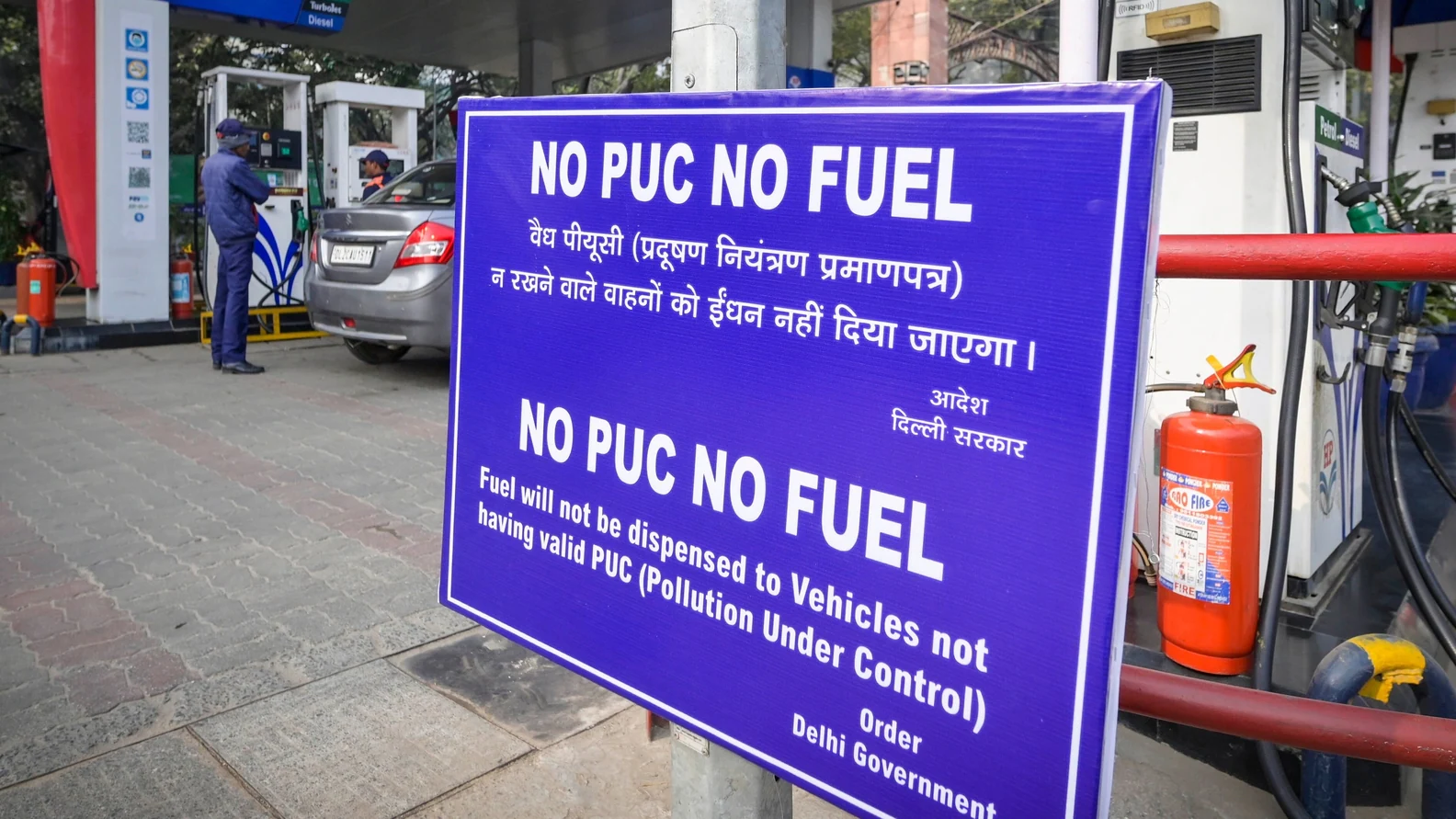
No PUC, No Fuel Rule: What Changes From October 1?
Under the strengthened rules, motorists will need a valid PUC certificate before they can purchase petrol or CNG. The requirement is aimed at ensuring that vehicles on NCR roads meet prescribed emission standards.
The system will increasingly rely on Automatic Number Plate Recognition (ANPR) cameras installed at fuel stations. These cameras can identify vehicle registration numbers and assist authorities in checking whether the vehicle has a valid pollution certificate.
In Delhi, the enforcement network is expected to cover around 500 fuel stations equipped with ANPR cameras. Across the broader NCR, ANPR infrastructure is also being expanded at petrol pumps to support automated checks.
For vehicle owners, the practical message is straightforward: check your PUC validity before heading to a fuel station. A lapsed certificate could mean that the vehicle cannot be refuelled under the new system.
Which Areas Will the Rule Cover?
The tightened Delhi-NCR PUC rules are not limited to the national capital. The enforcement framework extends into several NCR districts in neighbouring states.
In Uttar Pradesh, the areas identified include Gautam Buddh Nagar, Ghaziabad, Hapur, Bulandshahr, Meerut, Muzaffarnagar, Baghpat and Shamli. NCR districts in Haryana and Rajasthan are also part of the wider coordinated pollution-control effort.
The expansion is significant because vehicles frequently cross Delhi's borders for work, business, logistics and daily commuting. A vehicle registered or operating outside Delhi may still encounter the PUC-based fuel requirement when travelling through covered NCR areas.
What Is a PUC Certificate and Why Is It Important?
A Pollution Under Control certificate, commonly called a PUC or PUCC, confirms that a vehicle's emissions have been tested and fall within the applicable limits.
During a PUC test, emissions from the vehicle are measured and the resulting certificate records information such as the vehicle registration number, test details, emission readings and validity period.
A valid PUC is already a mandatory requirement for vehicles. The October 1 enforcement changes its practical importance by linking the certificate directly to access to fuel.
Vehicles without a valid certificate can also face penalties under existing provisions. A fine of ₹10,000 has been cited for driving without a valid PUC, making it important for motorists to check both the certificate's validity and the vehicle's emission condition.
Old Vehicles Face Greater Scrutiny
The PUC-based fuel rule is only one part of the wider vehicle-pollution crackdown.
Authorities are also stepping up enforcement against end-of-life vehicles and older, polluting vehicles. ANPR technology at fuel stations is expected to assist in identifying vehicles that have exceeded their permitted operating life.
In Delhi, the existing age restrictions mean that PUC certificates cannot be issued to petrol vehicles older than 15 years and diesel vehicles older than 10 years.
The authorities have also reviewed restrictions on the entry of BS-IV and older transport and commercial goods vehicles into Delhi.
Another measure under review is the phase-out of diesel auto-rickshaws in NCR districts by December 31, 2026, reflecting the broader effort to reduce vehicular emissions.
Fitness Checks Planned for 2.5 Lakh Vehicles
The winter pollution strategy also includes increased vehicle fitness checks.
Around 2.5 lakh vehicles are expected to undergo fitness testing through three Automated Testing Stations as authorities intensify scrutiny of vehicles that could contribute disproportionately to emissions.
The focus is therefore shifting beyond simply checking whether a vehicle possesses a certificate. Authorities are also looking at the condition, age and fitness of vehicles as part of a larger effort to reduce pollution at its source.
Delhi's Winter Pollution Action Plan Goes Beyond Vehicles
The Delhi winter pollution action plan includes several measures that target sources other than vehicle emissions.
Construction and demolition activity is also facing tighter restrictions. A complete ban on construction and demolition work has been planned for the peak pollution period from December 10 to January 20, according to the measures discussed by the Delhi government.
The government is also preparing to identify pollution and traffic hotspots and strengthen monitoring in areas where emissions and congestion are particularly high.
Staggered office timings are among the measures being considered to reduce peak-hour traffic, while authorities are also looking at improving last-mile connectivity and encouraging greater use of public transport.
Road Dust and Industrial Pollution Under Scanner
Vehicle emissions are only one component of Delhi-NCR's pollution problem. The winter strategy therefore includes action against road dust, construction dust and industrial emissions.
Authorities have been asked to deploy additional mechanical road-sweeping machines at identified dust hotspots before the winter pollution season intensifies.
Inspections at construction and demolition sites, industrial units and diesel generator installations are also being strengthened. Industrial sectors, including stone-crushing units, will face closer monitoring for compliance with prescribed emission standards.
The objective is to prevent pollution-control measures from being limited to vehicles alone.
Stubble Burning Remains a Major Winter Concern
The NCR's winter air-quality strategy also extends beyond Delhi's borders because pollution can move across the region.
Authorities are preparing measures to reduce paddy stubble burning in Punjab, Haryana and Uttar Pradesh. The strategy includes crop diversification, Direct Seeded Rice, greater utilisation of crop residue and awareness campaigns among farmers.
The broader goal is to reduce agricultural-fire incidents during the period when Delhi-NCR's air quality traditionally comes under greater pressure.
What Should Vehicle Owners Do Now?
For motorists in Delhi-NCR, the immediate step is to check the validity of the vehicle's PUC certificate before October 1.
If the certificate has expired, owners should get the vehicle tested at an authorised PUC centre rather than waiting until they need to refuel.
Drivers should also ensure that their vehicle's registration, insurance and other mandatory documents are up to date and check whether the vehicle falls under any applicable age or entry restrictions.
Delhi has hundreds of authorised PUC centres, including centres catering to petrol, CNG and LPG vehicles as well as dedicated facilities for diesel vehicles. The government has also indicated plans to upgrade PUC centres in November to improve capacity and make compliance easier.
A Wider Winter Pollution Crackdown
The No PUC No Fuel rule from October 1 marks a significant change in how vehicle-emission compliance will be enforced across Delhi-NCR. Instead of relying solely on roadside checks, authorities are increasingly connecting pollution compliance with everyday activities such as refuelling.
At the same time, the winter action plan is taking a broader approach by targeting old vehicles, traffic congestion, construction dust, road dust, industrial emissions, diesel generators and stubble burning.
For motorists, the most immediate takeaway is simple: a valid PUC certificate will be essential for buying petrol or CNG under the strengthened Delhi-NCR pollution rules.
As winter approaches, the authorities are preparing for enforcement across multiple pollution sources rather than waiting for air quality to deteriorate before acting. For vehicle owners, checking the PUC status now could prevent both an unexpected interruption at the fuel station and a potential penalty later.
With input from agencies
Image Source: Multiple agencies
© Copyright 2026. All Rights Reserved. Powered by Vygr Media.