 By
By 
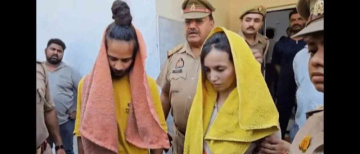
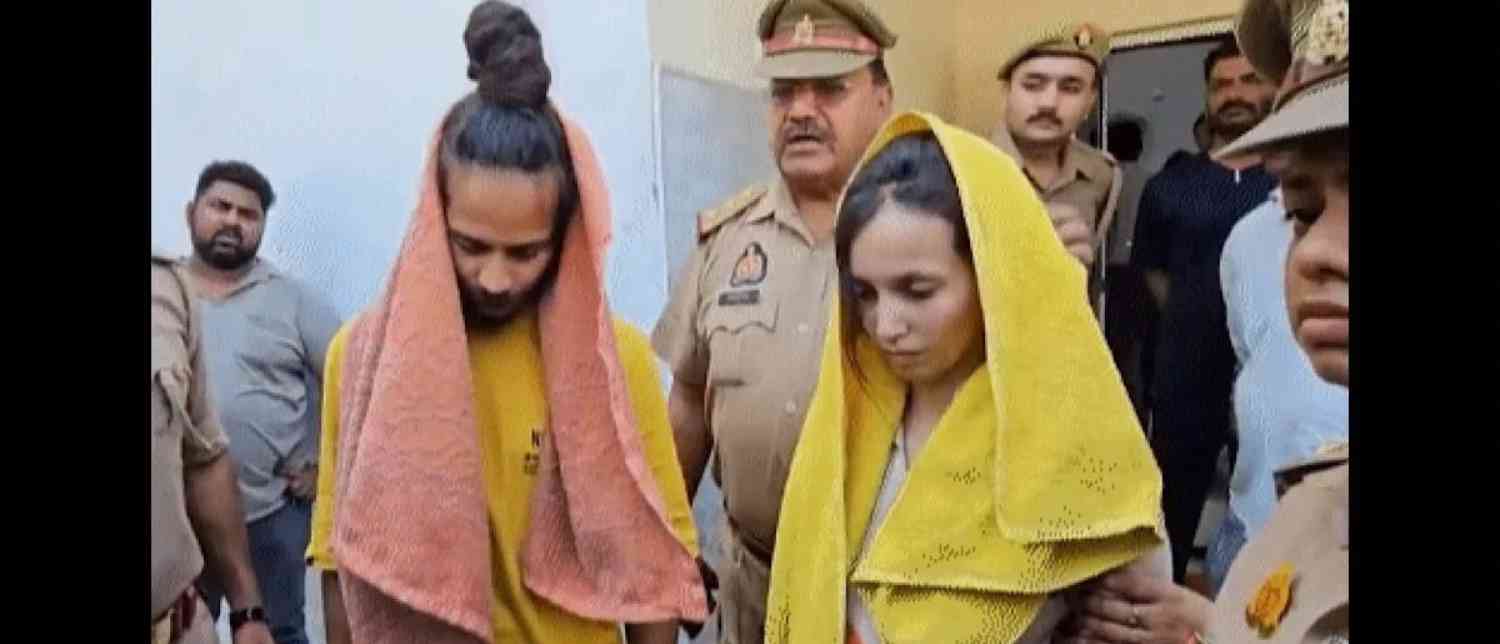
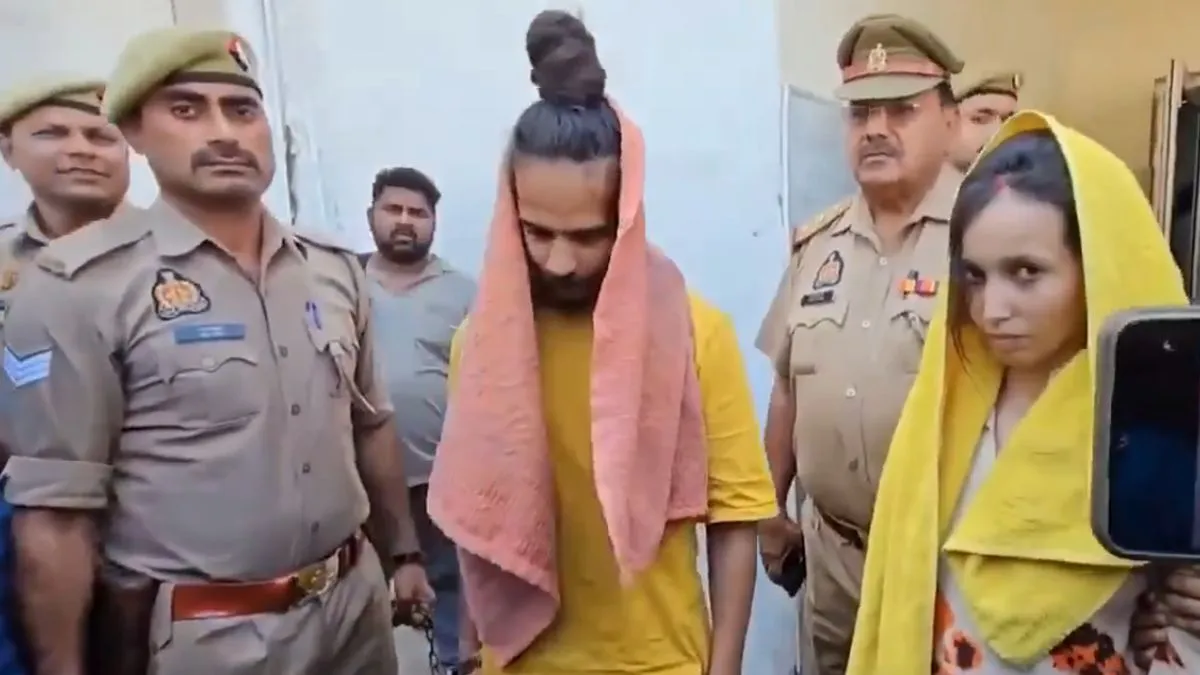
The sensational Meerut blue drum murder case reached a major legal milestone on Wednesday, September 30, 2026, when a Meerut district court convicted Muskan Rastogi and Sahil Shukla for the murder of Muskan's husband, former Merchant Navy officer Saurabh Rajput.
The verdict came after a 13-month trial involving 126 hearings and 22 prosecution witnesses. The court also held the two guilty of attempting to conceal Rajput's body after the killing. The sentencing proceedings, however, have not yet concluded, with the court expected to hear arguments on punishment before announcing the final sentence.
The case had drawn widespread attention after Rajput's dismembered remains were discovered inside a large blue plastic drum filled with cement and sand at a residence in Meerut. What initially appeared to be a disappearance investigation eventually developed into one of the most closely followed murder trials in the region.

Meerut blue drum murder case verdict
The Meerut court found Muskan Rastogi and Sahil Shukla guilty of murdering Saurabh Rajput and concealing his body.
According to the prosecution's case, the killing took place in March 2025 at the couple's home in Meerut. Investigators alleged that Rajput was drugged before he was attacked and killed. His body was subsequently dismembered and placed inside a blue plastic drum, which was filled with cement and other material in an attempt to conceal the remains.
The court's verdict followed months of evidence and arguments. Prosecutors relied on a combination of physical evidence, witness testimony, technical records and evidence concerning purchases made before and after the murder.
The court's finding of guilt marks the end of the trial phase, but it does not yet represent the final stage of the criminal proceedings. The question of punishment remains to be decided.
What happened to Saurabh Rajput?
Saurabh Rajput, a former Merchant Navy officer, had returned to Meerut from London shortly before the murder. According to the prosecution narrative, he had come back to India to spend time with his family.
On March 3, 2025, investigators alleged, Muskan sedated Rajput by mixing something into his food. Sahil Shukla then allegedly arrived at the residence, after which Rajput was stabbed to death.
The prosecution said the body was subsequently cut into multiple pieces and concealed inside a large blue industrial drum. Cement, sand and water were used to seal the remains inside the container.
The blue drum later became the central physical object in the investigation and eventually the defining feature of the case in public memory.
How the Meerut murder case came to light
The alleged attempt to conceal the murder did not remain undiscovered for long.
After the killing, Muskan and Sahil reportedly travelled to Himachal Pradesh. Investigators also alleged that messages were sent from Rajput's mobile phone to create the impression that he was still alive and travelling.
The case took a decisive turn when relatives and authorities became suspicious and the residence was checked. On March 17, 2025, police discovered Rajput's remains inside the sealed blue drum.
Muskan and Sahil were arrested two days later.
The discovery transformed the missing-person investigation into a murder investigation and led authorities to reconstruct the movements of the accused, their alleged preparations and their activities following Rajput's death.
Blue drum became key evidence in the Saurabh Rajput murder case
One of the most important aspects of the prosecution's case was the chain of evidence surrounding the materials allegedly used to commit and conceal the crime.
Prosecution witnesses included people connected with the purchase of the blue drum, cement, a knife and other items. The prosecution also examined hotel staff and cab drivers as part of its effort to establish the movements of Muskan and Sahil.
Call detail records and mobile tower information were presented to establish the movements of the accused. Investigators also used hotel records from Himachal Pradesh as part of the broader evidence trail.
The prosecution ultimately presented 22 witnesses during the trial. The police chargesheet reportedly ran to nearly 1,000 pages.
The significance of the blue drum was therefore not simply that it contained the victim's remains. It became part of a wider evidentiary chain that prosecutors used to connect the accused with the murder and the subsequent attempt to conceal the body.
13 months, 126 hearings and a lengthy trial
The Meerut blue drum murder trial began in 2025 and continued for roughly 13 months.
The case went through 126 hearings before the court delivered its verdict on September 30, 2026. Final arguments concluded on September 17, after which the court fixed September 30 for the judgment.
The length of the proceedings reflected the volume of evidence placed before the court. Apart from direct testimony, the prosecution relied extensively on circumstantial, forensic and technical evidence.
The defence had the opportunity to contest the prosecution's allegations throughout the proceedings, as required under the criminal justice process. With the conviction now recorded, the case has moved into the sentencing phase.
Prosecution seeks maximum punishment
The prosecution has sought the maximum punishment for Muskan and Sahil, citing the nature of the crime.
However, no final punishment was announced with Wednesday's conviction. The court is required to hear the convicted individuals on the question of sentence before deciding the appropriate punishment.
The sentencing hearing is scheduled for October 14, according to court-related reporting.
The prosecution has indicated that it will seek the death penalty, but the final decision on punishment rests with the court after considering the submissions made during the sentencing proceedings.
This distinction is important: Muskan Rastogi and Sahil Shukla have been convicted, but their sentence has not yet been determined.
Saurabh Rajput's family awaits final punishment
Rajput's family members were present in court when the verdict was delivered. His mother and brother attended the proceedings and have repeatedly sought stringent punishment for those found responsible for his death.
The family has followed the case through its lengthy trial, from the discovery of Rajput's remains in the blue drum to the presentation of evidence and final arguments.
For them, Wednesday's conviction represents an important judicial finding, but the proceedings will continue until the court determines the punishment.
Muskan's child became another chapter in the case
The case also drew attention for developments that occurred after Muskan's arrest.
While in custody, Muskan gave birth to a baby girl in November 2025. The newborn was subsequently kept with her mother under arrangements made by jail authorities.
The birth added another complicated dimension to an already closely watched criminal case, although it remains separate from the court's determination of Muskan and Sahil's guilt in Rajput's murder.
What happens next in the Meerut blue drum murder case?
The September 30 verdict settles the question of guilt at the trial court level, but the case is not yet completely over.
The next significant development will be the sentencing hearing scheduled for October 14. Muskan Rastogi and Sahil Shukla will be given an opportunity to make submissions regarding the punishment they should receive.
The court will then determine the sentence based on the law and circumstances placed before it.
The case could also continue through the appellate process depending on whether the convicted individuals challenge the verdict or sentence before a higher court.
For now, the Meerut blue drum murder case has reached a crucial point: after 13 months, 126 hearings and extensive evidence, the trial court has found Muskan Rastogi and Sahil Shukla guilty of murdering Saurabh Rajput and concealing his remains.
The blue drum that first brought the horrifying case into public view has now become a lasting symbol of the investigation. But the legal story is not yet finished. The next chapter will be the court's decision on punishment—and potentially, any appeal that follows.
With input from agencies
Image Source: Multiple agencies
© Copyright 2026. All Rights Reserved. Powered by Vygr Media.