 By
By 
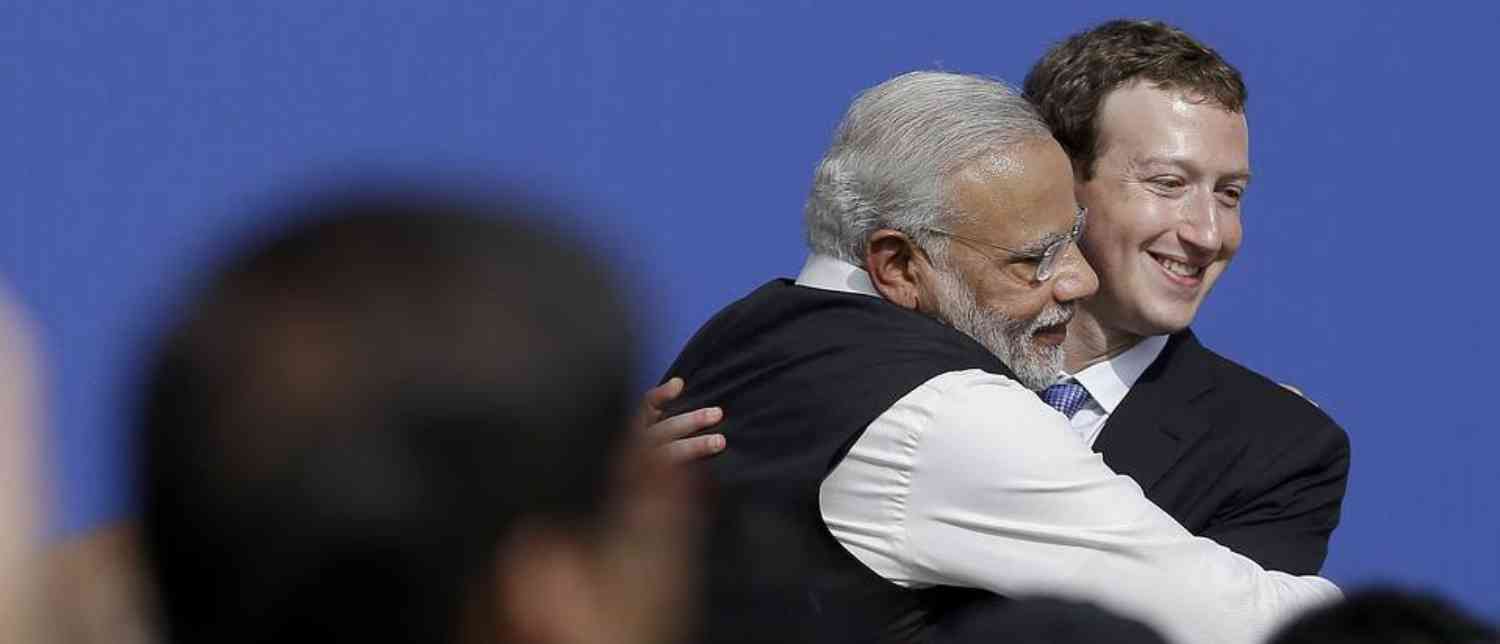
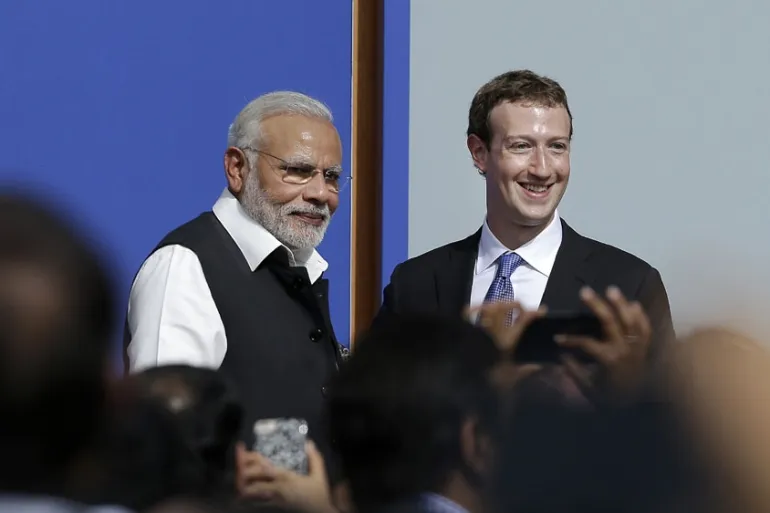
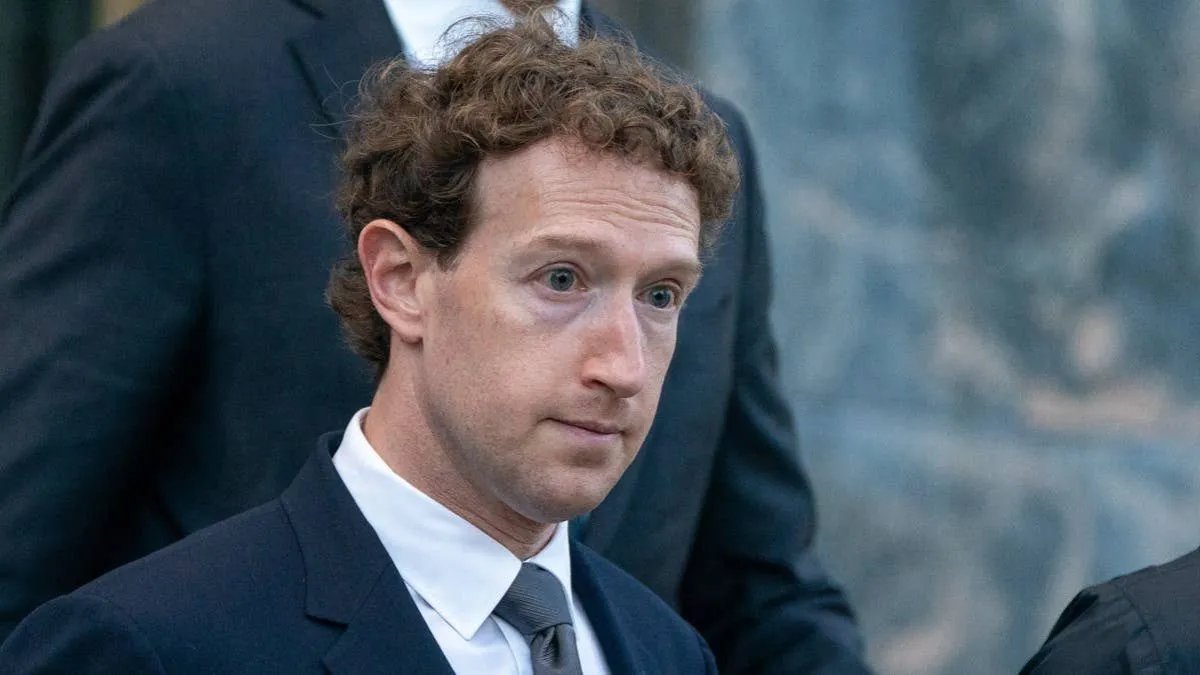
New Delhi: Meta CEO Mark Zuckerberg has apologised to the Indian government over multiple concerns surrounding the company's platforms, including the spread of child sexual abuse material (CSAM), deepfake content and operational shortcomings. The apology comes at a time when Meta is facing heightened scrutiny in India following the temporary restriction of a Facebook post by Prime Minister Narendra Modi, an incident that triggered sharp criticism from the Centre and intensified questions over the company's content moderation practices.
The development marks one of the most significant moments in the evolving relationship between the Indian government and Meta, which operates Facebook, Instagram and WhatsApp—platforms used by hundreds of millions of Indians.
Zuckerberg's apology follows government scrutiny
According to reports, Zuckerberg conveyed his apology to the Indian government after senior Meta executives met officials from the Ministry of Electronics and Information Technology (MeitY). During the discussions, the company reportedly acknowledged concerns related to harmful content, including child sexual abuse material and AI-generated deepfakes, while also expressing regret over operational errors on its platforms.
Government sources indicated that the meeting focused on strengthening Meta's content moderation mechanisms and ensuring greater accountability, particularly as India continues to tighten its digital governance framework.
PM Modi Facebook post controversy escalated tensions
The latest controversy was triggered after Facebook briefly restricted a post by Prime Minister Narendra Modi in July due to what Meta later described as an "operational error." The incident sparked strong reactions from the Indian government, which summoned Meta representatives seeking an explanation.
Meta's Chief Global Affairs Officer Joel Kaplan later apologised to Union IT Minister Ashwini Vaishnaw, stating that the restriction was the result of an internal operational mistake rather than any deliberate policy decision. The company restored the post and reiterated that it had taken corrective measures to prevent similar incidents in the future.
The controversy gained further political significance after police in Hyderabad registered a case against Meta India head Arun Srinivas over content allegedly portraying the Prime Minister in an abusive manner, increasing regulatory pressure on the company.
Child abuse and deepfake content remain major concerns
The Prime Minister's post controversy emerged against the backdrop of broader concerns surrounding harmful content on Meta's platforms.
Earlier this year, the Indian government sought an explanation from Meta after reports highlighted advertisements and content allegedly linked to child sexual abuse material on Instagram. Authorities directed the company to remove such content immediately and explain how it had appeared on the platform.
Meta has maintained that it follows a zero-tolerance policy towards child exploitation and said it has invested heavily in artificial intelligence and automated detection systems to identify and remove such content. The company also stated that millions of suspicious accounts and pieces of exploitative content have been removed globally, including significant enforcement action in India.
Government officials, however, have continued to question whether existing safeguards are sufficient, especially given the increasing sophistication of online criminal networks.
Deepfake content has emerged as another key area of concern. With AI-generated videos and manipulated media becoming increasingly realistic, Indian authorities have urged social media companies to strengthen detection systems and respond more swiftly to harmful content that could mislead users or spread misinformation.
Parliamentary pressure mounted on Meta
The controversy also attracted the attention of Parliament.
A parliamentary panel reportedly demanded an "unqualified apology" from Zuckerberg following the temporary removal of the Prime Minister's Facebook post. The panel is understood to have warned that repeated failures in complying with Indian regulations could have wider legal implications, including questions surrounding the safe harbour protections available to intermediary platforms under Indian law.
The remarks underscored growing expectations that large technology companies operating in India should be more accountable for the content circulating on their platforms.
Meta says it is strengthening moderation systems
Meta has acknowledged that preventing harmful content at scale remains one of the company's biggest challenges.
During discussions with Indian officials, company representatives reportedly outlined ongoing investments in artificial intelligence, automated detection tools and human review systems aimed at identifying child exploitation content, deepfakes and other policy violations more quickly.
The company also reiterated that it does not intentionally promote illegal content and continues to improve its moderation technologies in response to emerging threats.
Officials familiar with the discussions indicated that the government expects measurable improvements rather than broad assurances, particularly given the rapid growth of AI-generated misinformation.
India tightening oversight of digital platforms
The latest developments come as India continues to strengthen its regulatory oversight of digital platforms.
Authorities have introduced stricter compliance expectations requiring social media companies to respond rapidly to lawful government notices and remove illegal content within prescribed timelines. The government has consistently argued that global technology companies must remain accountable to Indian laws while operating in one of the world's largest digital markets.
India represents one of Meta's biggest user bases globally, making regulatory compliance in the country strategically important for the company.
Industry experts believe the government's tougher stance reflects broader concerns over online safety, misinformation, AI-generated content and platform accountability, particularly as emerging technologies create new challenges for regulators worldwide.
A defining moment for Meta's relationship with India
While Zuckerberg's apology may help ease immediate tensions, the episode highlights the increasingly complex relationship between global technology companies and governments seeking greater oversight of digital platforms.
For Meta, the issues extend beyond a single moderation error involving the Prime Minister's post. The company now faces expectations to demonstrate that it can effectively tackle child exploitation material, combat deepfake content, improve moderation accuracy and ensure that operational mistakes do not undermine public trust.
For the Indian government, the controversy reinforces its message that digital platforms must exercise greater responsibility and remain fully compliant with domestic regulations.
As artificial intelligence continues to transform the online ecosystem, the balance between technological innovation, user safety and regulatory accountability is likely to remain a defining issue. The latest apology from Zuckerberg signals Meta's willingness to engage with Indian authorities, but sustained improvements in content moderation and platform governance will ultimately determine whether the company can rebuild confidence among regulators and users alike.
With input from agencies
Image Source: Multiple agencies
© Copyright 2026. All Rights Reserved. Powered by Vygr Media.