 By
By 
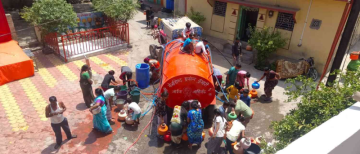
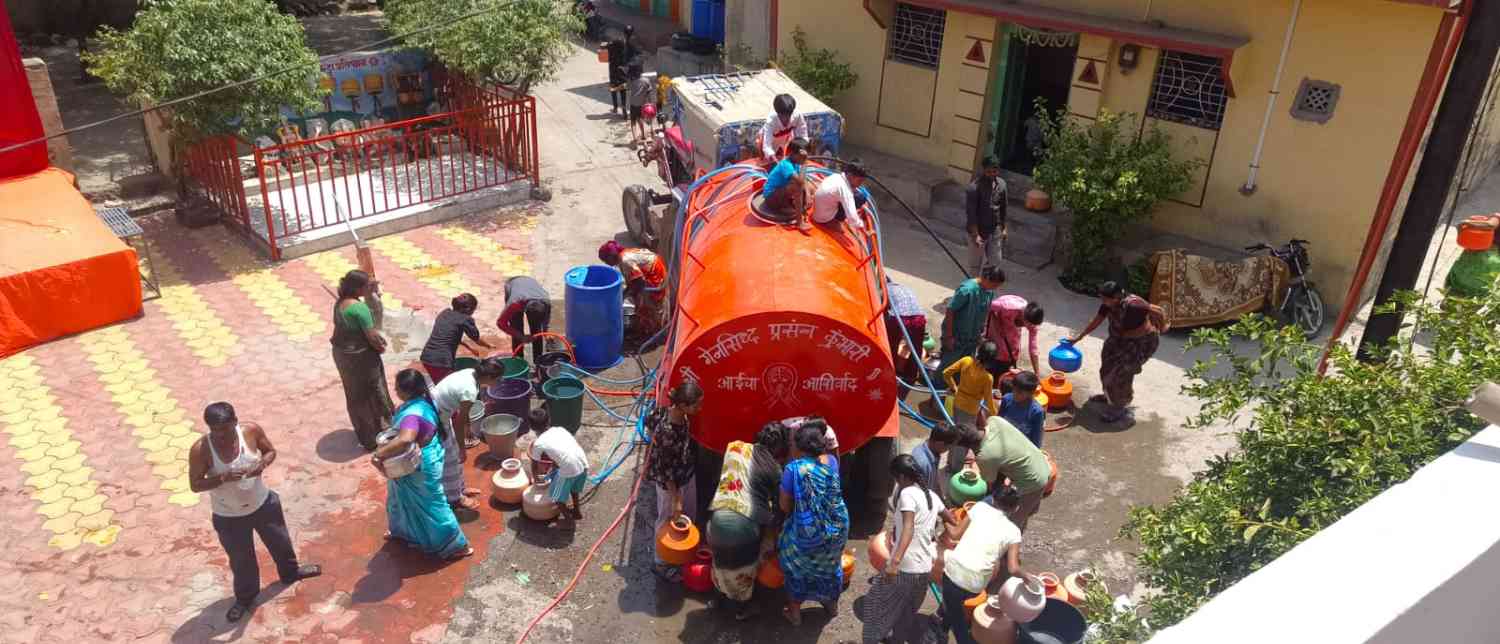
Maharashtra water crisis: Maharashtra is set to impose a minimum 10 per cent water cut across urban and rural local bodies from October 16 as the state prepares for a potentially prolonged period of water stress following a deficient monsoon. The move will affect municipal corporations, municipalities and gram panchayats across the state, with drinking water being placed at the top of the government’s priority list.
The decision comes against a worrying backdrop. Maharashtra has been facing inadequate rainfall, declining water availability and concerns over the possible continuation of El Niño conditions. The state has also declared drought in 265 of its 358 talukas, covering nearly 74 per cent of the state and 32 districts.
With the next monsoon still months away, authorities are now planning well into 2027 to ensure that existing dam and reservoir stocks can support essential needs through the dry period.
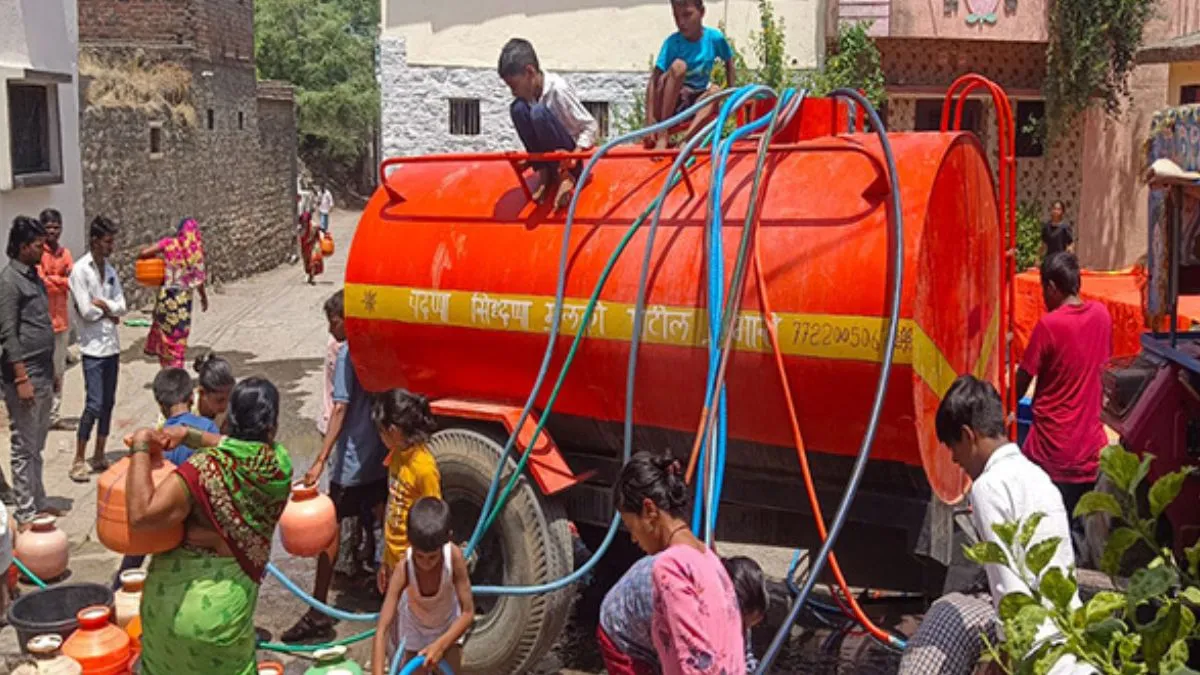
Maharashtra water cut to begin October 16
The Maharashtra government has directed all municipal corporations, municipalities and gram panchayats to implement a minimum 10 per cent water cut from October 16, 2026.
The restriction is intended to reduce pressure on the state’s limited water reserves and stretch available supplies through the coming months. Rather than waiting for reservoir levels to deteriorate further, the government has opted for advance conservation and demand-management measures.
The Water Resources Department has prepared a detailed dam-wise and use-wise plan covering water availability until August 31, 2027. The calculation takes into account factors such as evaporation, silt accumulation and unauthorised water extraction.
The government has made it clear that the water cut is part of a larger water conservation strategy rather than an isolated restriction on household supply.
Why has Maharashtra imposed a 10% water cut?
The immediate trigger is the deficient monsoon in Maharashtra, which has affected water availability and raised concerns about reservoir inflows.
The situation is particularly serious because the state is entering the post-monsoon period with significant parts of Maharashtra already experiencing drought conditions. Earlier in September, drought was declared in 265 talukas out of the state's total 358 talukas.
Officials are also factoring in the possible impact of El Niño on rainfall patterns. If rainfall remains below normal or reservoir replenishment is weaker than expected, the pressure on drinking water, agriculture and industry could intensify in the months ahead.
That has prompted the state to plan for a prolonged water shortage instead of relying solely on the expectation of normal rainfall in the next monsoon.
Drinking water gets top priority
Under Maharashtra’s water management plan, drinking water will receive the highest priority.
The government intends to reserve the water required for drinking purposes until August 31, 2027, after accounting for various losses and other factors affecting available stocks. An additional 10 per cent emergency buffer stock will also be maintained in each dam to deal with an uncertain water situation.
In an extreme situation, authorities may consider using water from the dead storage of reservoirs, but only after a technical assessment.
The approach reflects the government's concern that water availability could remain under pressure for much longer than the immediate post-monsoon period.
Agriculture faces a tighter water priority system
The Maharashtra water crisis is also likely to have implications for farmers, particularly if reservoir levels remain under pressure.
The government's priority order puts drinking water first, followed by livestock and fodder requirements. Only after these essential needs are met will water be released for irrigation.
Within agriculture, Rabi foodgrains and fodder crops will receive priority. Other Rabi crops will follow, while perennial crops will receive water only if sufficient supplies remain.
The state is also expected to encourage water-saving irrigation practices to reduce agricultural demand.
This prioritisation is particularly significant because Maharashtra has a large agricultural economy and water-intensive crops can place considerable pressure on reservoirs during prolonged dry periods.
Industries told to recycle at least 30% of water
The government's conservation measures extend beyond households and farms.
Industries in Maharashtra have been directed to reuse or recycle at least 30 per cent of the water they consume. The objective is to reduce dependence on fresh water supplies at a time when reservoir stocks are being carefully managed.
The measure signals a broader shift towards water reuse, particularly for activities where treated or recycled water can replace fresh water.
The government has also instructed local authorities to ensure that sewage treatment plants operate at full capacity. Treated wastewater is expected to be used for non-potable purposes such as gardening, construction and washing.
Maharashtra steps up action against water leakage and illegal extraction
Authorities are also turning their attention to water losses that occur before supplies reach consumers.
Local bodies have been instructed to conduct special drives to identify and prevent water leakage. Reducing leakage could help conserve significant quantities of water at a time when every additional source of savings matters.
The government is simultaneously preparing to crack down on unauthorised water extraction from dams, rivers and canals.
Joint teams involving water resources, revenue and police authorities will patrol vulnerable areas. Illegal pumps and other equipment used for unauthorised extraction are expected to be seized.
The enforcement drive is aimed at protecting water reserves that have been earmarked for essential requirements.
Maharashtra water crisis: What does the 10% cut mean for people?
For residents, the exact impact of the Maharashtra water cut could vary between cities, towns and villages depending on local water availability and existing supply arrangements.
The state has ordered a minimum 10 per cent reduction, meaning local authorities will need to implement the cut from October 16. Individual civic bodies may announce their own schedules and operational measures depending on their reservoir position and distribution network.
For households, the development is a clear warning that water availability could become more difficult during the coming dry months.
Residents may see changes in supply timings, reduced daily availability or other local conservation measures as authorities attempt to balance demand with shrinking reserves.
The government has therefore appealed to citizens, government agencies and other water users to use water carefully.
Mumbai had already faced water restrictions
The statewide decision follows water conservation measures imposed in Mumbai earlier in 2026.
The city had introduced a 10 per cent water cut in May amid pressure on its reservoirs and subsequently increased restrictions for certain categories of users in June. Water supply to some construction activities and swimming pools was also suspended at the time.
The earlier restrictions highlighted how quickly reservoir stress can translate into urban water-management measures.
The latest statewide order takes that concern beyond Mumbai and places both urban and rural local bodies under a common minimum conservation requirement.
What happens next?
The coming months will be crucial for Maharashtra's water security.
The state government has indicated that water availability will be reviewed regularly through guardian ministers and canal advisory committees. Multiple departments, including Water Resources, Revenue, Agriculture, Industries and Urban Development, are coordinating their response.
The immediate objective is straightforward: protect drinking water supplies while making the available stock last as long as possible.
But the scale of the challenge goes beyond a 10 per cent water cut. The combination of Maharashtra drought conditions, deficient monsoon rainfall, limited reservoir storage, agricultural demand and possible El Niño effects means the state could remain under water stress for an extended period.
The government's decision to plan water availability until August 2027 reflects that uncertainty.
For Maharashtra, the message is increasingly clear: the state's water reserves cannot be treated as an unlimited resource. From households and farmers to industries and local authorities, conservation, recycling, leakage control and strict monitoring of water extraction are likely to become increasingly important.
The October 16 water cut is therefore not merely a short-term restriction. It is an early warning of the difficult water-management period Maharashtra could face if rainfall and reservoir inflows fail to improve.
© Copyright 2026. All Rights Reserved. Powered by Vygr Media.