 By
By 
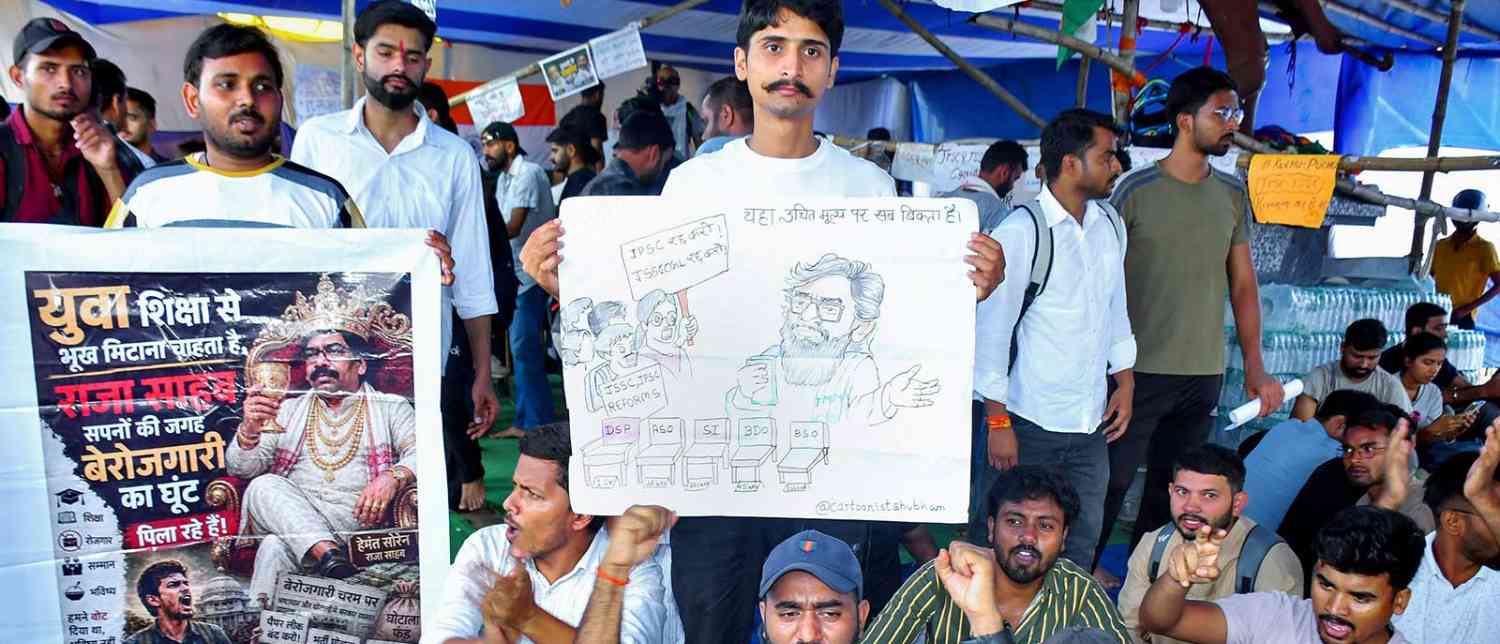
Ranchi, August 9, 2026: The standoff between the Jharkhand government and students protesting alleged irregularities in recruitment examinations continued on Sunday after a sixth round of talks failed to convince the agitating aspirants to withdraw their movement. While the state government said it had agreed to nearly all of the students’ demands, the protesters remained firm on their call for a CBI investigation and cancellation of examinations they allege were affected by irregularities.
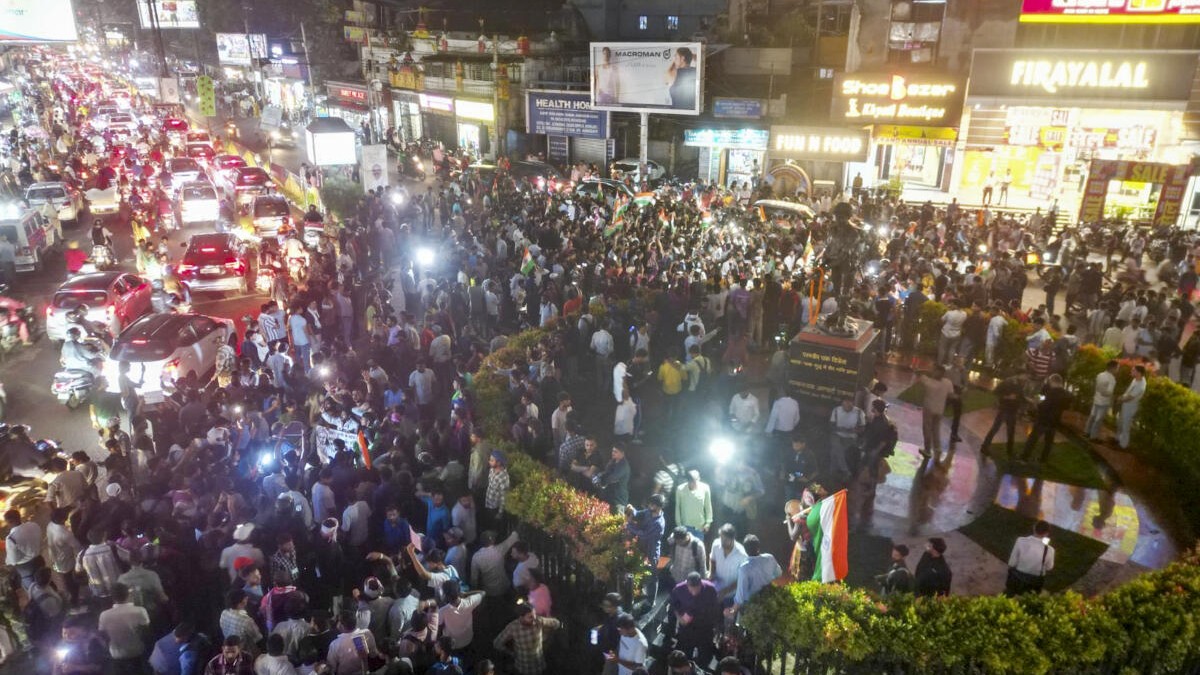
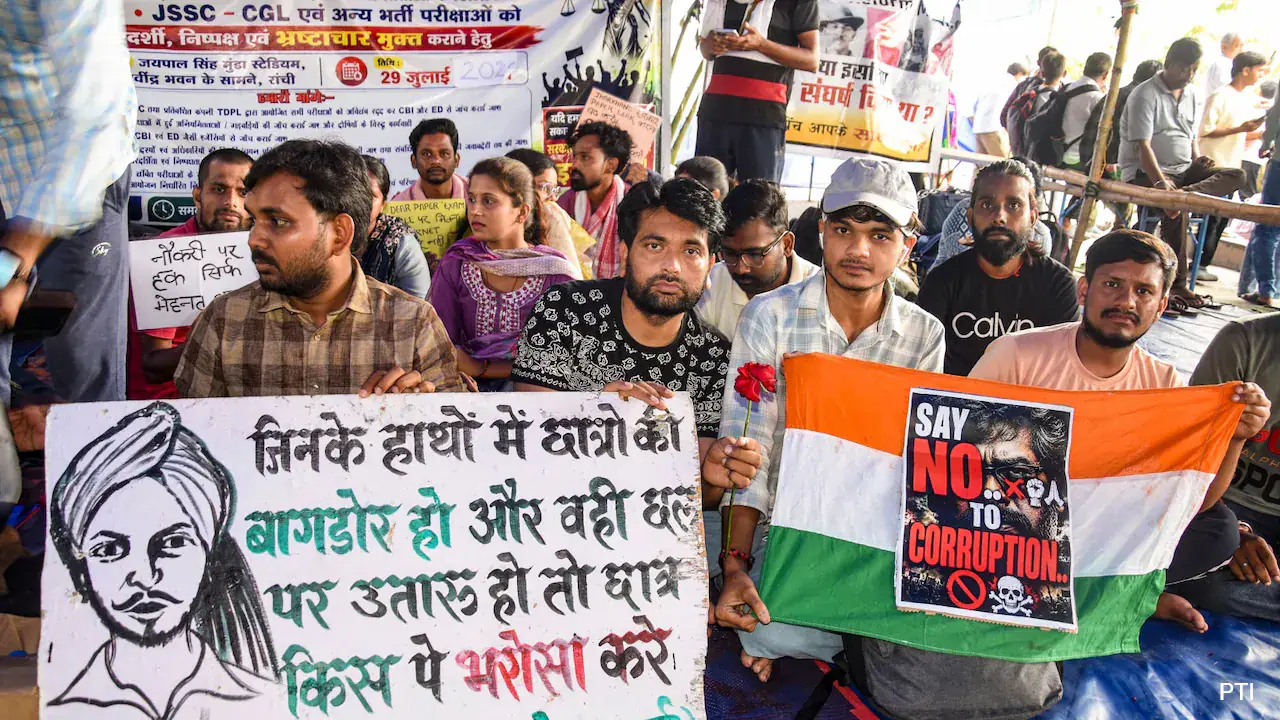
The latest talks, held at the state guest house in Ranchi, came as the protest entered its 16th day. Students have been demonstrating at the Jaipal Singh Munda Stadium, demanding greater transparency in the recruitment process and an independent investigation into alleged irregularities in examinations conducted by the Jharkhand Public Service Commission (JPSC) and Jharkhand Staff Selection Commission (JSSC).
The deadlock has now taken the dispute beyond the question of individual examinations, with the protesters seeking broader accountability in the state's recruitment system.
Government agrees to cancel JPSC preliminary exam
One of the significant developments from Sunday's talks was the government's agreement to cancel the 14th JPSC Preliminary Test. Student representatives acknowledged that several of their demands had been accepted, but said this was not enough to end the agitation.
The major sticking point remains the JSSC Combined Graduate Level (CGL) examination and the demand for a CBI probe.
Minister Sudivya Kumar Sonu said the state government had accepted about 98 per cent of the students' demands. However, he maintained that the government could not independently cancel the JSSC-CGL examination because it had been conducted pursuant to directions from the High Court and Supreme Court. The government, he said, also did not have the authority to cancel appointments of candidates selected through the examination.
The government has instead proposed an investigation headed by a retired High Court judge into alleged irregularities in the JSSC-CGL examination. It has also indicated that financial aspects of the alleged irregularities could be examined by the Enforcement Directorate (ED).
For the protesting students, however, that proposal does not go far enough.
Student leader Ravindra Paswan said the movement would continue until the demand for a CBI inquiry was accepted. The students have also called for cancellation of examinations conducted by the Lucknow-based testing agency TSR Data Processing Pvt Ltd (TDPL), as well as examinations in which another individual named by the protesters was allegedly involved. These claims remain part of the students' allegations and demands.
Why students are refusing to call off the protest
The protesters' position has remained consistent despite several rounds of negotiations: they want an investigation that they believe is independent of the state machinery.
According to reports from the talks, students have broadly accepted several proposed reforms, including measures concerning future recruitment examinations. However, they continue to insist that alleged irregularities in existing examinations must first be investigated through a CBI probe.
The government has offered a judicial inquiry instead. It has also proposed measures aimed at preventing similar controversies in the future, including the creation of a Standard Operating Procedure for conducting recruitment examinations transparently.
A portal has been launched to invite suggestions from students regarding examination reforms. The government also plans to seek the expertise of institutions including IITs, IIMs and XLRI to recommend changes to the examination system of JPSC and JSSC.
The state has further announced that a fast-track court will deal with cases related to examination irregularities and that chargesheets would be filed within 90 days.
For the government, these steps demonstrate its willingness to address the students' concerns. For the protesters, the unresolved CBI demand remains the central issue.
Hunger strike raises concern over students' health
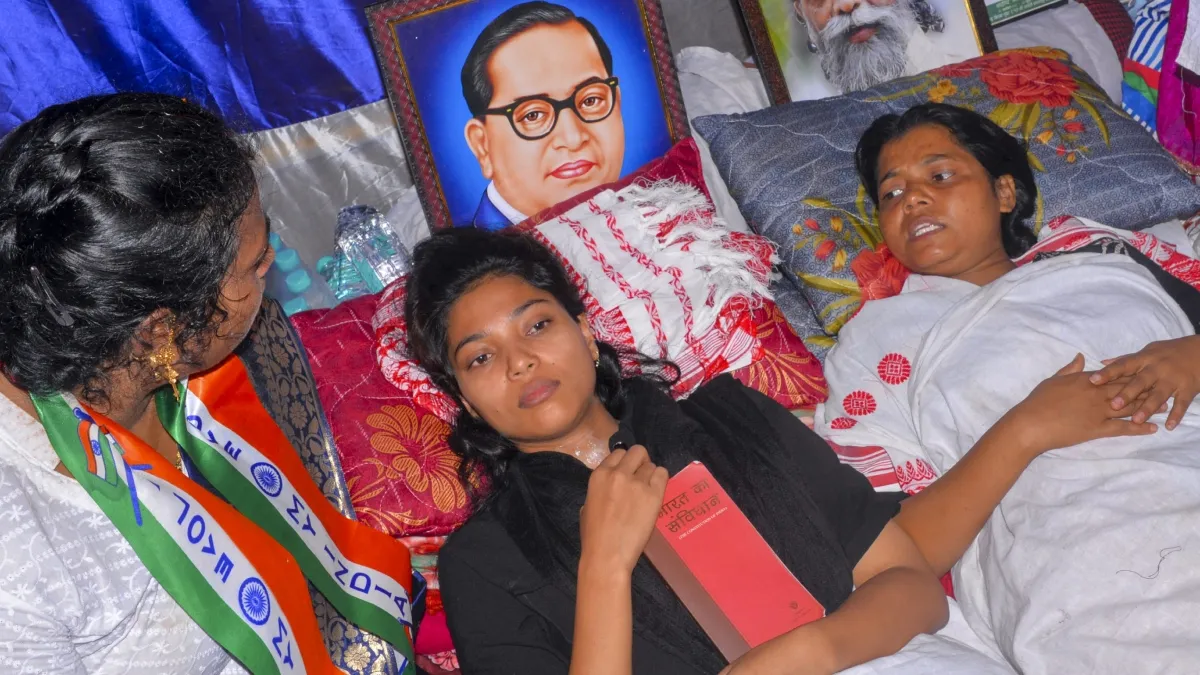
The prolonged agitation has also raised concerns about the health of students participating in indefinite hunger strikes.
Student leader Devendra Nath Mahto has been on an indefinite fast for about a week. His condition reportedly deteriorated in the early hours of Sunday, when doctors found his blood sugar level had fallen to 53.
Another protester, Rahul Krantim, is also on hunger strike and is under medical supervision. Six protesters are currently observing an indefinite hunger strike.
Mahto's continuing fast had become a particular concern, while another student on hunger strike was receiving medical supervision. The health situation has added urgency to negotiations that have so far failed to produce a settlement.
Despite the health concerns, student representatives said the agitation would continue.
Sixth round follows five unsuccessful meetings
Sunday's meeting was the sixth round of discussions between the government and student groups. The earlier rounds, conducted over Friday and Saturday, had also failed to produce a breakthrough.
The government held discussions with several student organisations, including the Congress-affiliated NSUI, Jharkhand Chhatra Morcha and Adivasi Chhatra Sangh. Talks were also held with groups associated with the JPSC-JSSC Reforms Manch, which has played a leading role in the agitation.
The multiple rounds of talks underline the difficulty of finding common ground. While the government has focused on reforms, investigations and the cancellation of the JPSC preliminary examination, the protesting students have continued to centre their demands on the CBI investigation and the JSSC-CGL examination.
The government has described the talks as constructive, but the students have not accepted the proposed settlement.
JPSC members resign amid growing scrutiny
The controversy also took a fresh turn on Sunday with the resignation of all three serving members of the Jharkhand Public Service Commission.
Dr Ajita Bhattacharya, Dr Anima Hansda and Dr Jamal Ahmed submitted their resignations to Governor Santosh Kumar Gangwar, and the resignations were accepted, according to reports.
The development comes as the Jharkhand CID investigates alleged irregularities in recruitment examinations. The three JPSC members had reportedly been summoned by the investigating agency for questioning on separate dates beginning August 10.
The CID is examining, among other issues, decisions relating to the conduct of examinations and the selection of agencies involved in the examination process.
Their resignations are likely to add to the pressure surrounding JPSC at a time when students are demanding sweeping changes to the recruitment system.
Political dimension grows around Jharkhand exam row
The student movement has also attracted political attention.
Congress president Mallikarjun Kharge publicly backed the protesting students and said that student interests should take priority. Congress leader Rahul Gandhi has also supported the demand for governments to listen to students and address concerns over the education and recruitment system.
At the same time, Chief Minister Hemant Soren has maintained that the students are fighting for their rights and assured them that those found responsible for irregularities would face action. He has also urged students not to allow political parties to turn the movement into a political issue.
The BJP, meanwhile, has criticised the state government over its handling of the controversy. Union Minister Sanjay Seth described the students' demands as genuine while accusing the government of being insensitive to their concerns.
The competing political responses have added another layer to a dispute that began primarily as a recruitment-exam controversy.
Students to march towards Jharkhand Assembly on August 10
With Sunday's talks ending without an agreement, student leaders said they would proceed with a planned peaceful march to the Jharkhand Assembly on Monday, August 10.
The government has said security arrangements have been put in place and that protesters will not be harassed.
The proposed march could become the next major flashpoint in the dispute, particularly as the agitation enters its third week and several students remain on hunger strike.
For now, the two sides remain separated by one crucial question: whether the alleged recruitment irregularities should be investigated through a CBI probe or through mechanisms proposed by the state government.
The government argues that most of the students' demands have been addressed and that judicial and other investigations can establish accountability. The students, meanwhile, say they will not compromise until their demand for a CBI investigation is met.
As the protest enters another critical phase, the cancellation of the JPSC preliminary examination and proposed reforms have offered some movement towards a settlement. But with the JSSC-CGL issue and CBI probe still unresolved, the Jharkhand student protest shows little sign of ending yet.
With input from agencies
Image Source: Multiple agencies
© Copyright 2026. All Rights Reserved. Powered by Vygr Media.