 By
By 
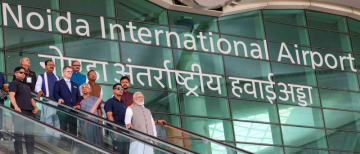
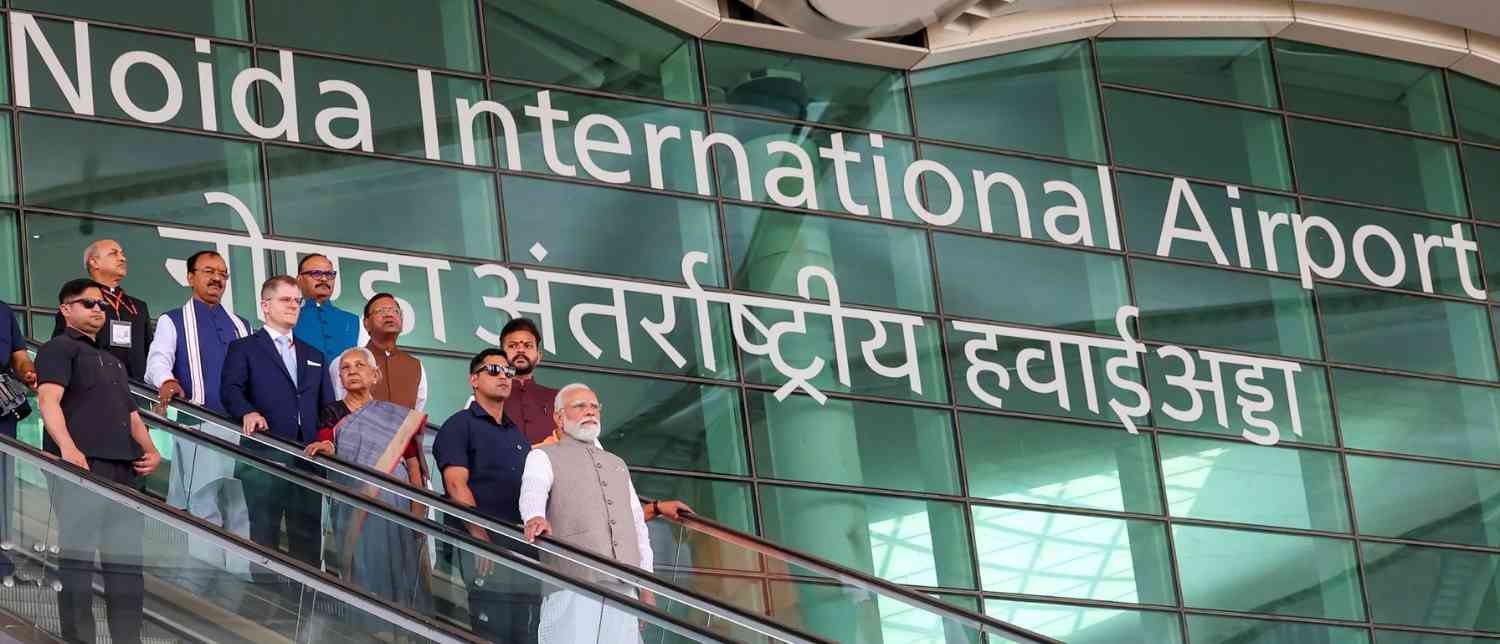
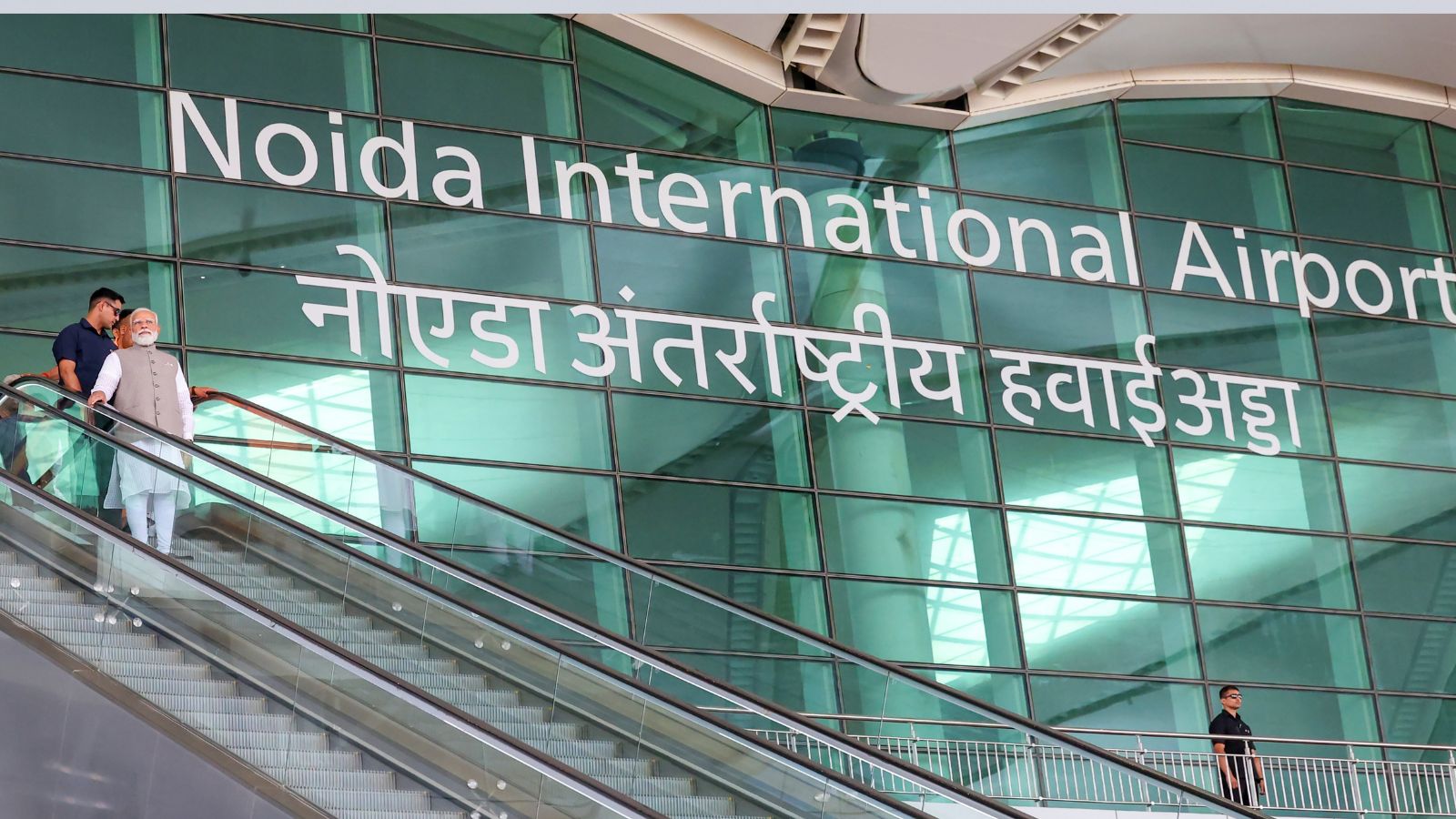
The Noida International Airport in Jewar, Uttar Pradesh, has received a new identity after the state government approved its renaming to Narendra Modi International Airport, Noida-Jewar. Chief Minister Yogi Adityanath announced the decision on Friday, October 9, 2026, following a meeting of the Uttar Pradesh Cabinet.
The move places Prime Minister Narendra Modi’s name at the centre of one of Uttar Pradesh’s most ambitious infrastructure projects. The airport, which was inaugurated earlier this year, is expected to become a major aviation hub, strengthen regional connectivity and support the economic development of the National Capital Region (NCR).
The decision marks a significant development for the Jewar airport project, which has been positioned as an important addition to India's expanding aviation infrastructure. With its strategic location, modern facilities and long-term expansion plans, the airport is expected to play a growing role in passenger travel, cargo transportation and regional investment.
UP Cabinet Approves New Name for Noida International Airport
The Uttar Pradesh Cabinet approved the proposal to rename Noida International Airport as Narendra Modi International Airport, Noida-Jewar. Announcing the decision, Chief Minister Yogi Adityanath said the state government wanted to acknowledge the Prime Minister’s contribution and guidance in Uttar Pradesh’s development.
The Chief Minister expressed gratitude to Modi for the airport, describing it as a significant gift to the state. He also highlighted the broader development initiatives associated with the Prime Minister’s leadership.
The renaming decision comes as the airport enters a crucial phase in its development. Beyond its symbolic significance, the project represents a major investment in transportation infrastructure intended to meet the growing demand for air travel in northern India.
The airport is located in Jewar, in Gautam Buddha Nagar district, and is expected to serve passengers from Noida, Greater Noida, western Uttar Pradesh and other parts of the NCR. Its development is also intended to create new opportunities for businesses, logistics operators and industries that depend on efficient transportation.
Why Has Jewar Airport Been Named After Narendra Modi?
According to Adityanath, the decision recognises Narendra Modi’s contribution to the development of Uttar Pradesh and the guidance provided for major infrastructure and public welfare initiatives.
During his announcement, the Chief Minister referred to several projects and initiatives associated with the Prime Minister’s leadership, including the construction of the Ram Temple in Ayodhya and the redevelopment of the Kashi Vishwanath Dham in Varanasi.
He also highlighted welfare programmes covering housing, food security and access to drinking water. These included the Pradhan Mantri Awas Yojana, the Pradhan Mantri Garib Kalyan Anna Yojana and the Jal Jeevan Mission.
The government’s decision to rename the airport therefore forms part of a broader political and developmental narrative surrounding Uttar Pradesh’s transformation. The airport has been presented as an important milestone in the state's infrastructure expansion and its ambitions to strengthen economic activity.
However, the renaming itself does not change the airport’s fundamental purpose. Its long-term significance will depend on how effectively it expands air connectivity, supports passenger demand and contributes to economic activity across the region.
Noida International Airport: A Major Aviation Project in Uttar Pradesh
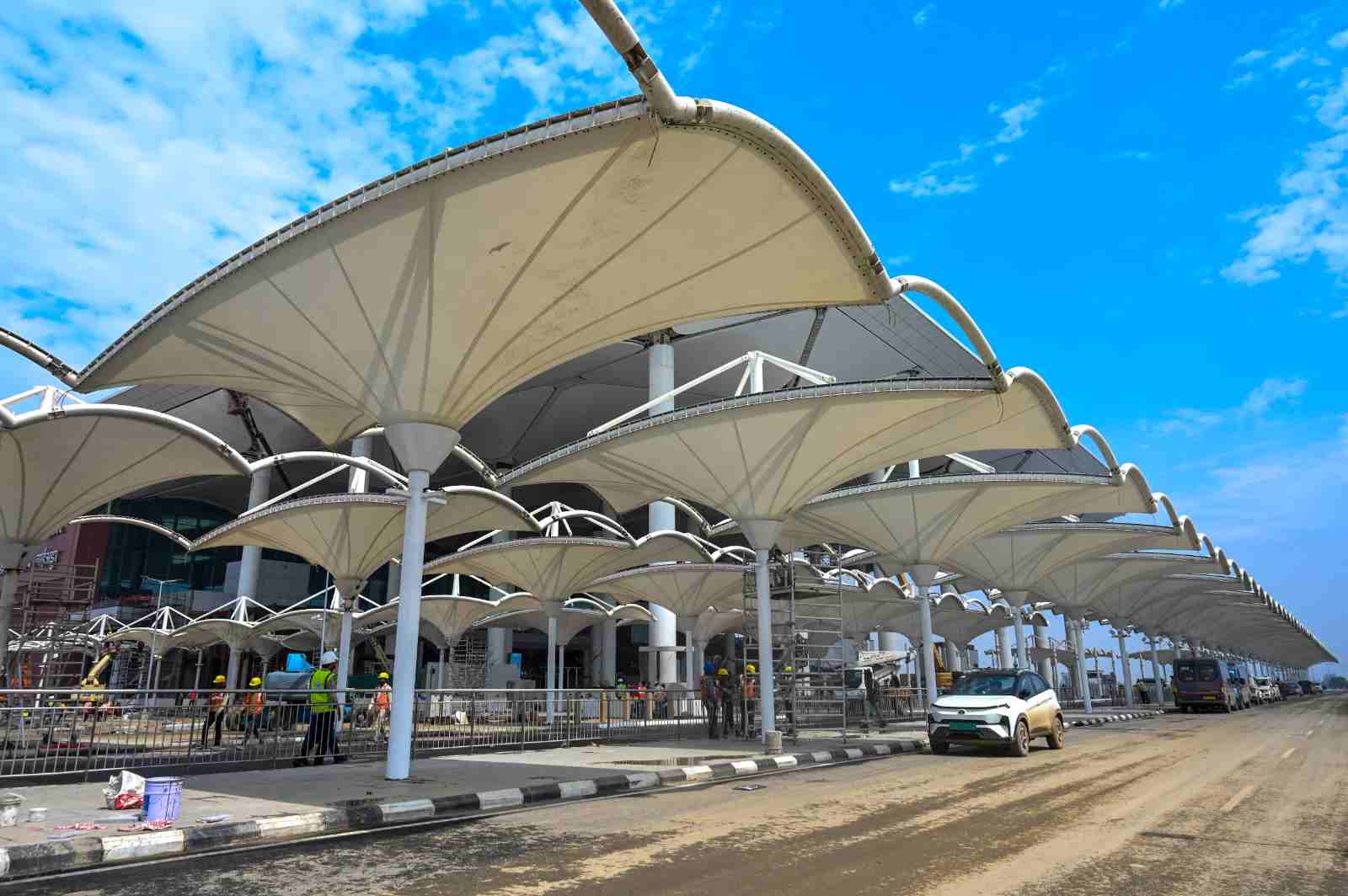
The Jewar airport is among the most prominent greenfield airport projects in India. Developed to serve the rapidly expanding NCR and neighbouring regions, it is expected to complement Delhi’s Indira Gandhi International Airport and provide additional capacity for northern India’s growing aviation market.
Prime Minister Narendra Modi inaugurated the airport’s first phase on March 28, 2026. The airport subsequently received its first flight, an IndiGo aircraft arriving from Lucknow, on June 15.
Its development is particularly significant because the NCR has experienced sustained growth in population, commercial activity and demand for domestic and international air travel. A second major international airport in the region is expected to offer additional options for passengers while helping distribute aviation demand across more infrastructure.
The airport has been designed as a multimodal transportation hub, with plans and infrastructure aimed at connecting air travel with road networks and other transport systems. Its location along the Yamuna Expressway is also expected to support access from Noida, Greater Noida and several other urban and industrial areas.
For travellers, the airport's future value will depend not only on its terminal and runway facilities but also on the availability of convenient transport connections, flight routes and services operated by airlines.
What Is the Passenger Capacity of Narendra Modi International Airport?
The first phase of the Jewar airport has been designed to handle approximately 12 million passengers annually, equivalent to 1.2 crore travellers a year.
This initial capacity provides a foundation for further expansion as passenger demand grows. Long-term plans envisage increasing the airport’s capacity to approximately 70 million passengers annually, or seven crore passengers, by 2050.
The expansion is expected to take place in phases, allowing the airport to develop alongside changing travel demand and the region’s economic growth.
The airport's runway is equipped with an Instrument Landing System (ILS) at both ends. This technology assists pilots during approaches and landings, particularly when visibility or weather conditions make visual navigation more challenging. The arrangement allows aircraft to approach from either direction depending on prevailing wind conditions.
These facilities are part of the airport's broader effort to provide modern aviation infrastructure. As operations expand, the airport’s performance will also depend on factors such as air traffic management, airline participation, passenger services and supporting ground infrastructure.
How Will the Renamed Jewar Airport Benefit Delhi-NCR?
The development of Narendra Modi International Airport is expected to bring several potential benefits to the NCR and neighbouring parts of Uttar Pradesh.
1. Reduced pressure on Delhi airport
The new airport is expected to provide additional aviation capacity for a region that relies heavily on Delhi’s Indira Gandhi International Airport. By creating another major departure and arrival point, Jewar could give passengers and airlines more options as air traffic grows.
The extent of any reduction in congestion will depend on airline schedules, route distribution and how many passengers choose to use the new airport.
2. Improved regional connectivity
The airport’s location could make air travel more accessible for people living in Noida, Greater Noida, western Uttar Pradesh and surrounding areas. Its road connections and planned integration with other transport networks are intended to improve access for passengers travelling from different parts of the region.
3. Employment opportunities
Airport operations can generate jobs across several sectors, including aviation, security, retail, hospitality, ground handling, maintenance and logistics. Construction and future expansion can also support employment in associated industries.
The scale of these opportunities will depend on the airport's operational growth and the development of businesses around it.
4. Investment and commercial development
Better transport connectivity can make an area more attractive to businesses that rely on the movement of people and goods. The Jewar airport could encourage investment in logistics, warehousing, hospitality, commercial property and supporting services.
Industrial and commercial growth in the surrounding region could, in turn, increase demand for air travel and cargo facilities.
5. Stronger cargo and logistics networks
In addition to passenger services, the airport is intended to support freight movement and broader logistics activity. Improved air cargo infrastructure could benefit businesses transporting time-sensitive or high-value goods, although actual benefits will depend on cargo volumes, airline capacity and the development of supporting facilities.
Together, these factors could strengthen Jewar’s position as a significant transportation and economic centre in Uttar Pradesh.
What Does the Renaming Mean for Passengers?
For travellers, the immediate headline is the airport’s new name. However, the renaming announcement should be distinguished from changes to airport operations.
Passengers should continue to check their airline booking confirmations, airport information and official travel advisories when planning journeys. Any updates to airport signage, websites, booking systems or other passenger-facing information will need to be communicated through the relevant authorities and service providers.
The airport’s existing role as a developing aviation hub remains central to its importance. Its location, operational capacity, flight availability and connections to nearby cities will matter more directly to passengers than the name alone.
Travellers should also verify flight schedules and available routes before making plans, as services may change as airlines expand their operations.
A New Identity for a Long-Term Infrastructure Project
The decision to rename Noida International Airport after Narendra Modi gives the Jewar project a new political and public identity at a time when its wider economic significance is coming into focus.
For the Uttar Pradesh government, the airport represents an important step in strengthening infrastructure, improving connectivity and attracting investment. For the NCR, it offers the prospect of additional aviation capacity as passenger demand continues to grow.
The project’s ultimate impact, however, will be measured by more than its name or inauguration. Its ability to provide reliable flight connections, serve growing passenger numbers, support cargo operations and encourage sustainable regional development will determine its long-term success.
As Narendra Modi International Airport, Noida-Jewar, moves forward, attention will increasingly turn to its operational expansion, transport links and contribution to the regional economy. If its development targets are realised, the airport could become one of Uttar Pradesh’s most important aviation assets and a major component of northern India’s transportation network.
© Copyright 2026. All Rights Reserved. Powered by Vygr Media.