 By
By 
The Supreme Court on Monday agreed to examine whether Jantar Mantar should continue to serve as Delhi's designated protest venue, issuing notices to the Centre and the Delhi government on a public interest litigation (PIL) that argues the historic site is no longer suitable for demonstrations. The matter has reignited a broader debate on balancing citizens' constitutional right to protest with the rights of residents and the demands of an increasingly congested national capital.
A Bench led by the Chief Justice sought responses from the Union government and the Delhi administration after hearing a petition that contends Jantar Mantar, once considered an appropriate location for peaceful demonstrations, has become ill-equipped to handle the scale and frequency of modern protests. According to the plea, prolonged agitations now create significant inconvenience for local residents, affect traffic movement, disrupt public services, and strain civic infrastructure.
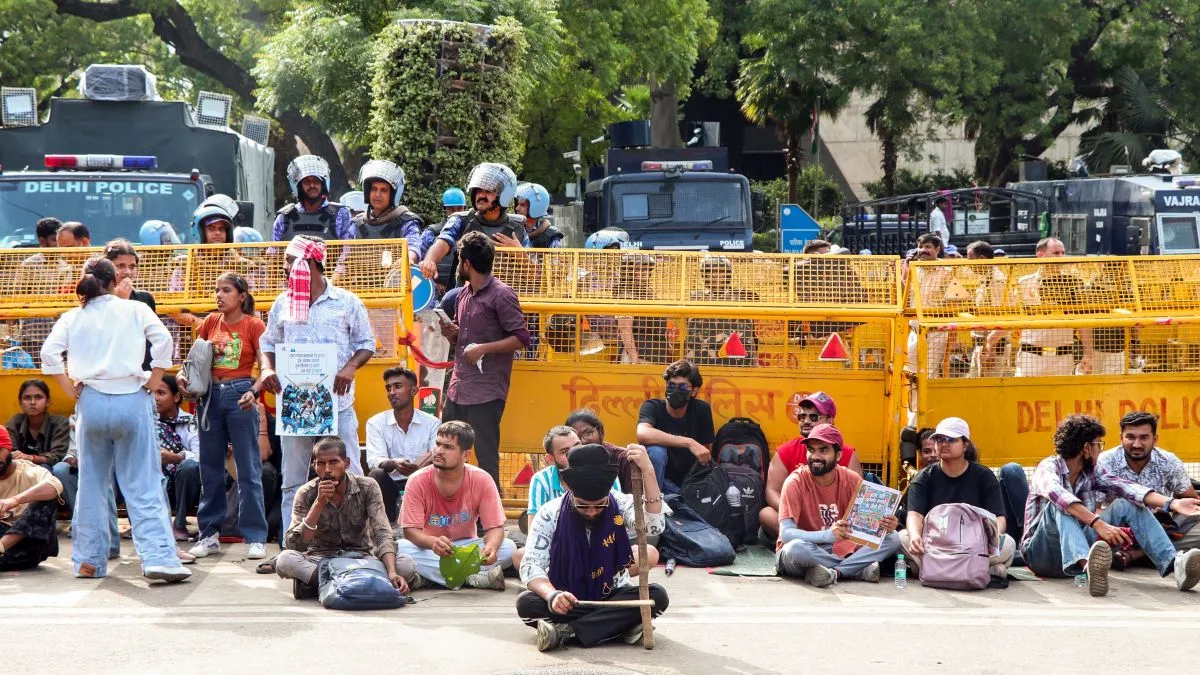
Petition Seeks a New Designated Protest Venue
The PIL does not seek to curtail the right to protest. Instead, it urges authorities to identify and develop an alternative venue capable of accommodating large gatherings without causing widespread disruption to surrounding neighbourhoods.
The petitioner argued that Jantar Mantar's central location, dense urban surroundings, and limited infrastructure make it increasingly unsuitable for prolonged demonstrations. Over the years, the site has hosted protests by students, farmers, government employees, civil society groups, athletes and political organisations, often attracting thousands of participants.
During the hearing, the Supreme Court reportedly observed that Jantar Mantar may no longer be an ideal location for protests and sought the government's stand before proceeding further. The notices issued to the Centre and Delhi government mark the beginning of judicial scrutiny into whether India's capital requires a more suitable and better-equipped protest venue.
Balancing Fundamental Rights
The case raises an important constitutional question: how should authorities balance the fundamental right to peaceful assembly under Article 19 with the rights of residents, commuters and businesses affected by continuous demonstrations?
While peaceful protest remains a cornerstone of democratic expression, courts have consistently held that such rights are subject to reasonable restrictions in the interests of public order and the rights of others.
The petition argues that the existing arrangement no longer achieves that balance, particularly given Delhi's expanding population, increased traffic congestion and the frequency of large-scale protests.
Jantar Mantar's Long History as India's Protest Hub
For decades, Jantar Mantar has served as one of India's most recognised venues for peaceful demonstrations. Located close to Parliament and several government offices, it has witnessed protests on issues ranging from corruption and unemployment to environmental concerns, reservation policies, education reforms and women's rights.
The location has become synonymous with democratic dissent, offering citizens a designated public space to voice grievances without assembling directly outside Parliament or government ministries.
However, changing urban realities have increasingly complicated its role. Residents in the area have repeatedly complained about noise, blocked roads, sanitation concerns and disruption caused by extended protests, concerns that now form the basis of the PIL before the Supreme Court.
Fresh Debate After Recent Protests
The timing of the petition is significant, coming shortly after weeks of high-profile demonstrations at Jantar Mantar that drew national attention.
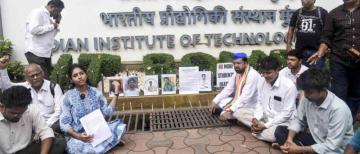
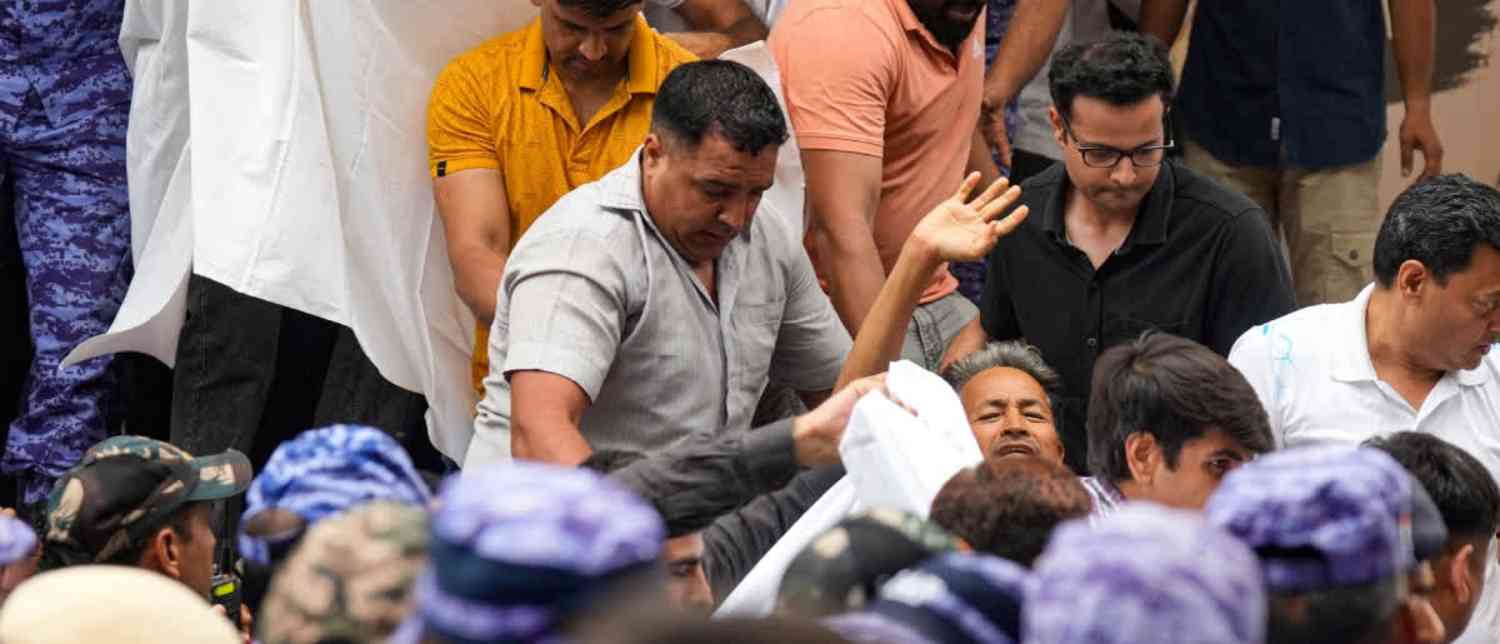
The venue recently witnessed sustained student-led protests over the alleged NEET-UG 2026 paper leak and related demands. Those demonstrations eventually led to clashes, multiple legal proceedings and several cases reaching the Supreme Court concerning police action, treatment of injured protesters and alleged violations of civil liberties.
Although the present PIL is independent of those proceedings, the recent events have once again highlighted the challenges of managing prolonged protests in a densely populated part of the capital.
Delhi Police Earlier Clarified Site Remains Open
The Supreme Court hearing also comes days after the Delhi Police dismissed widespread social media claims suggesting that Jantar Mantar had been permanently shut down for protests.
The police categorically stated that the site remains operational and continues to function as an approved venue for demonstrations, describing reports of its closure as false and misleading.
The clarification underscored that the current proceedings are not about closing Jantar Mantar altogether but about examining whether Delhi should identify an alternative or additional protest venue better suited for contemporary needs.
Government Responses Awaited
With notices now issued, both the Centre and the Delhi government are expected to explain their positions before the Supreme Court.
Their responses are likely to address several key questions:
-
Whether Jantar Mantar continues to meet the requirements of a designated protest site.
-
Whether alternative locations have been considered.
-
How authorities propose to balance democratic freedoms with public convenience.
-
Whether improvements in infrastructure or crowd management could address existing concerns instead of shifting the venue.
The court is expected to consider these submissions before deciding the future course of the matter.
Broader Implications for Democratic Protest
The outcome of the case could have implications far beyond Delhi.
If the Supreme Court eventually recommends or directs the creation of a new protest venue, it could reshape how public demonstrations are organised in the national capital. Such a move may also influence other major cities grappling with similar tensions between civic life and the exercise of democratic rights.
Urban planners and legal experts have long argued that dedicated protest spaces require better facilities, including adequate sanitation, medical support, transport connectivity, security arrangements and sufficient capacity to accommodate large gatherings without severely disrupting everyday life.
The case therefore goes beyond a single location. It touches upon how democracies can continue to protect the right to dissent while adapting public infrastructure to changing urban realities.
What Happens Next?
The Supreme Court has not expressed any final opinion on whether Jantar Mantar should cease to be Delhi's designated protest site. At this stage, it has only sought responses from the Centre and the Delhi government after agreeing to examine the issues raised in the PIL.
The matter will return before the court after the governments file their replies, following which the Bench will consider whether any changes are warranted in Delhi's existing framework for public demonstrations.
For now, Jantar Mantar remains an active protest venue. But the Supreme Court's decision to entertain the petition has opened a significant conversation on the future of public protests in India's capital—one that seeks to reconcile constitutional freedoms with the practical realities of a rapidly growing metropolis.
With input from agencies
Image Source: Multiple agencies
© Copyright 2026. All Rights Reserved. Powered by Vygr Media.