 By
By 
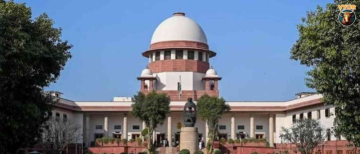
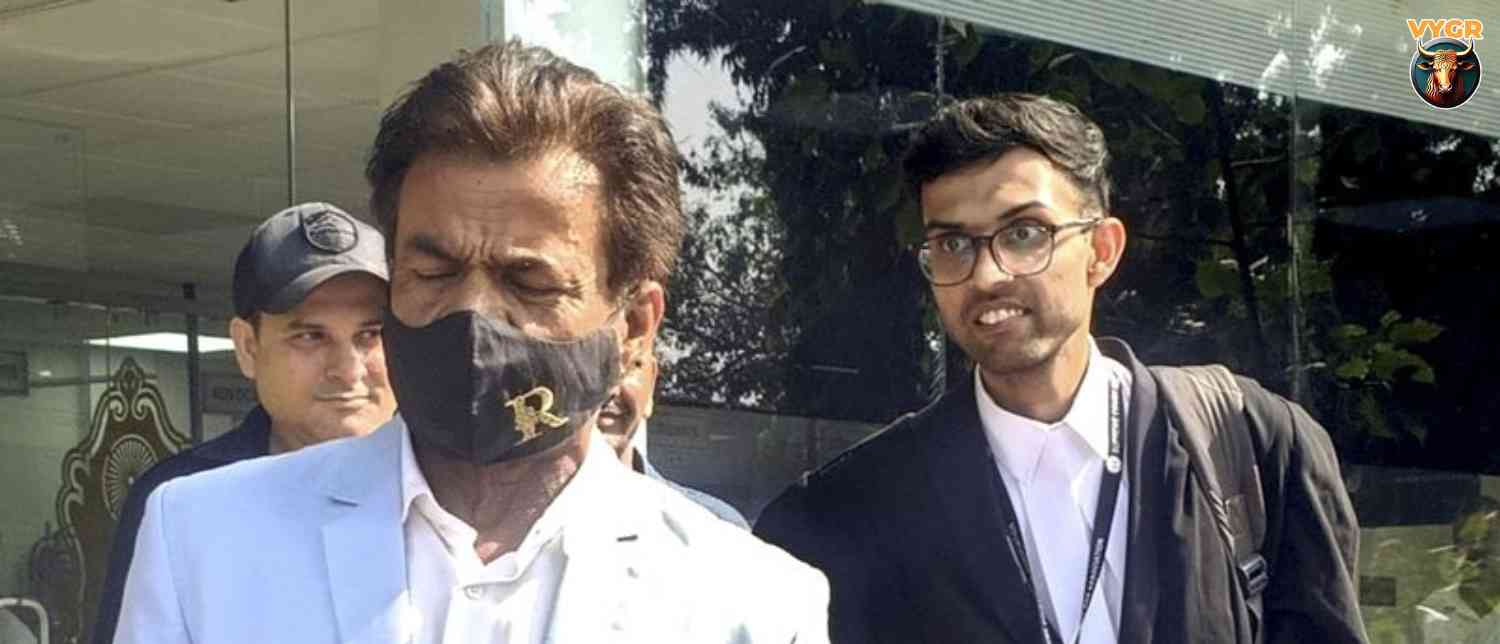
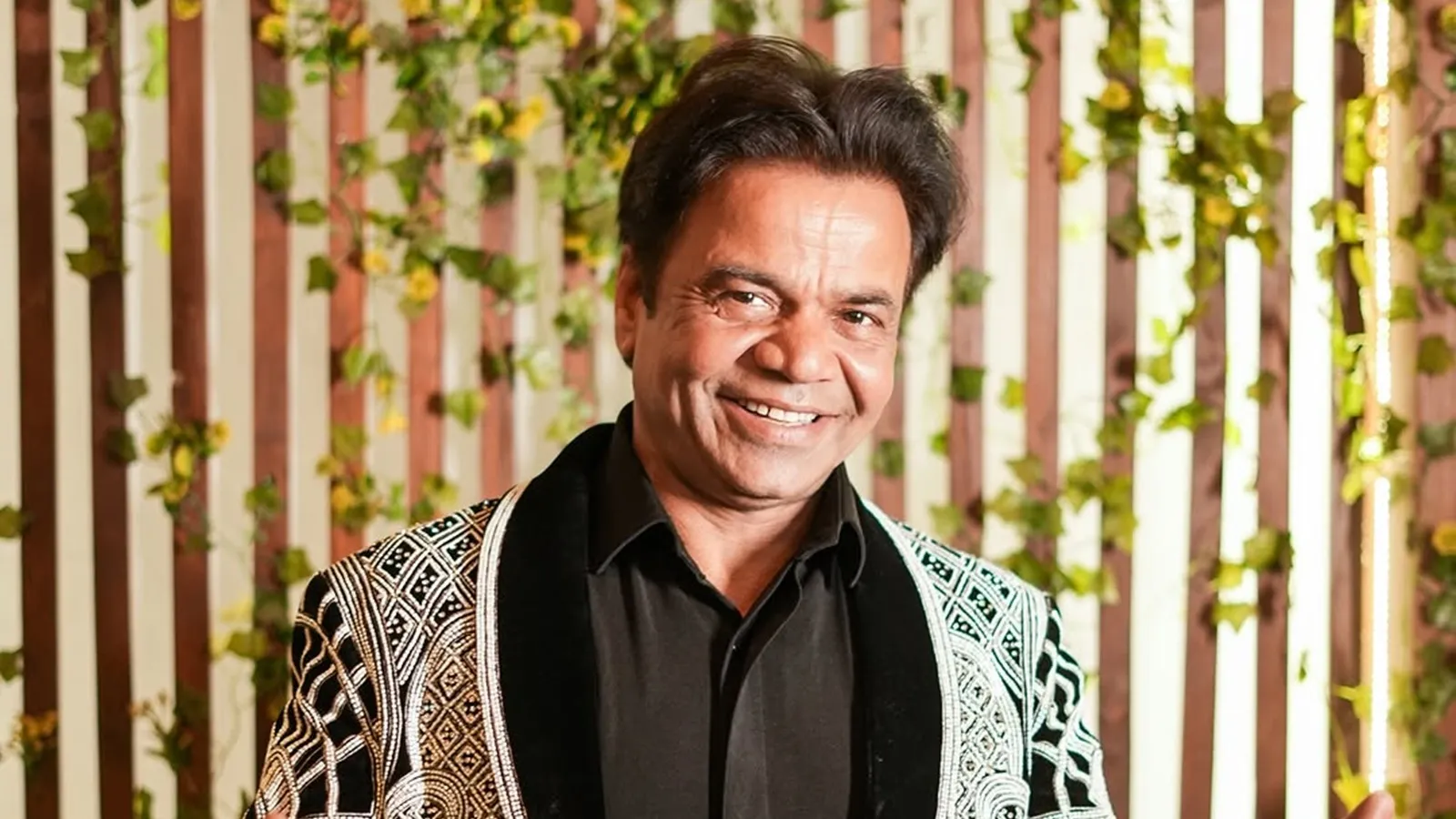
New Delhi, October 15: For years, Rajpal Yadav’s name has appeared in court lists more often than on film posters. On Thursday, there was a small change in that story. The Supreme Court sent his long-running cheque-bounce dispute to mediation and asked the trial court to give back the passport he needs to work abroad.
The reason was Rs 2 crore. Yadav’s lawyer told the bench of Chief Justice Surya Kant and Justice Joymalya Bagchi that the actor had paid the full amount into the court registry, as the court had asked. The money, the lawyer said, came from selling Yadav’s ancestral property.
“Why don’t you now settle the dispute?”
Yadav’s counsel wanted the actor’s challenge to his conviction heard on merits. The Chief Justice began by saying the court would hear it, and then changed his mind in the middle of the hearing. He asked both sides why they could not settle it now. With Rs 2 crore already lying with the court, he said the parties should be reasonable and fair. He also noted that the court’s room to interfere at this stage was limited.
Both sides agreed. They will now go to the Supreme Court Mediation Centre, contact the mediator and fix a date. Even the format is flexible: the mediator can ask them to appear in person or online.
A passport and a job waiting
For an actor, the passport is not a small matter. Yadav’s counsel said he has professional commitments abroad, but the passport is with the trial court. The bench directed that it be released, on whatever conditions the trial court sets. Reports say the assignment is in Canada.
How a film loan became a decade-long fight
It all goes back to a Rs 5 crore loan linked to his 2012 film Ata Pata Laapata. According to the complainant, Murli Projects, Yadav, his wife, and their company agreed in 2012 to repay about Rs 11 crore with interest. When cheques bounced, criminal complaints followed under Section 138 of the Negotiable Instruments Act.
A magistrate convicted the couple in seven cases in April 2018, and a sessions court upheld the verdict in 2019. At the Delhi High Court, they ran into a procedural wall. The court refused to excuse a delay of 1,894 days, more than five years, in filing their petitions. On July 10, it upheld the conviction, sentenced Yadav to three months in prison and told him to pay more than Rs 1 crore to the complainant in each of the seven cases.
The scramble to raise the money
Yadav then came to the Supreme Court. On September 8, the court issued notice and said he would not have to surrender if he deposited Rs 5 crore. On September 15, it extended that protection to October 5.
On October 7, Yadav appeared in person with demand drafts for Rs 1.15 crore. His lawyer said a buyer for the ancestral property would deposit another Rs 85 lakh, which brought the total to Rs 2 crore. That money is what has now changed the tone of the case.
What happens now
Nothing is settled yet. The mediation will try to sort out the rest of what is owed, and what happens to Yadav’s challenge to his conviction and three-month sentence will depend on how it goes. For now, though, a tough few months look a little easier for the actor.
© Copyright 2026. All Rights Reserved. Powered by Vygr Media.