

 By
By 
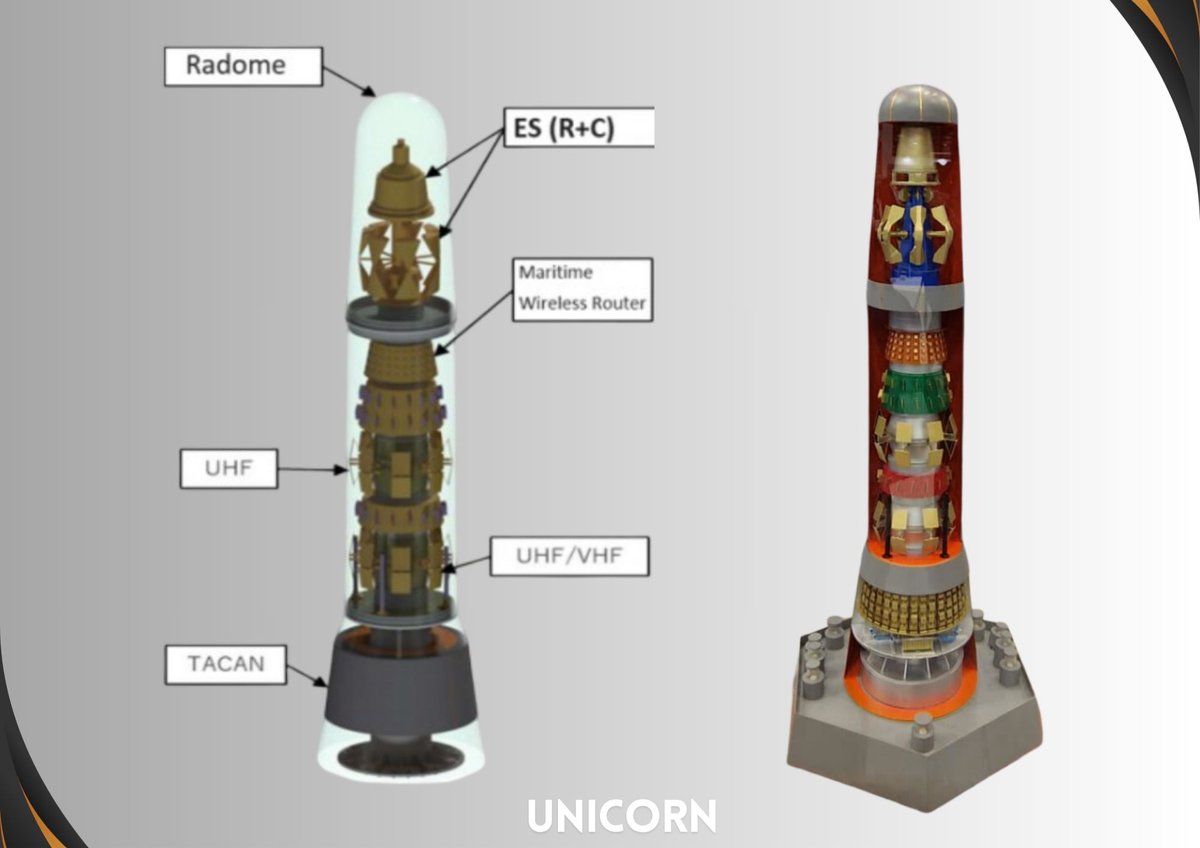
In a landmark step that could redefine defence cooperation between New Delhi and Tokyo, India and Japan have announced their first-ever joint defence co-development project, marking a significant milestone in their growing strategic partnership. At the heart of the collaboration is the co-development of the advanced Naval Radio Antenna UNICORN (Unified Complex Radio Antenna) mast—a cutting-edge integrated communication system designed to significantly enhance the stealth capabilities of Indian Navy warships.
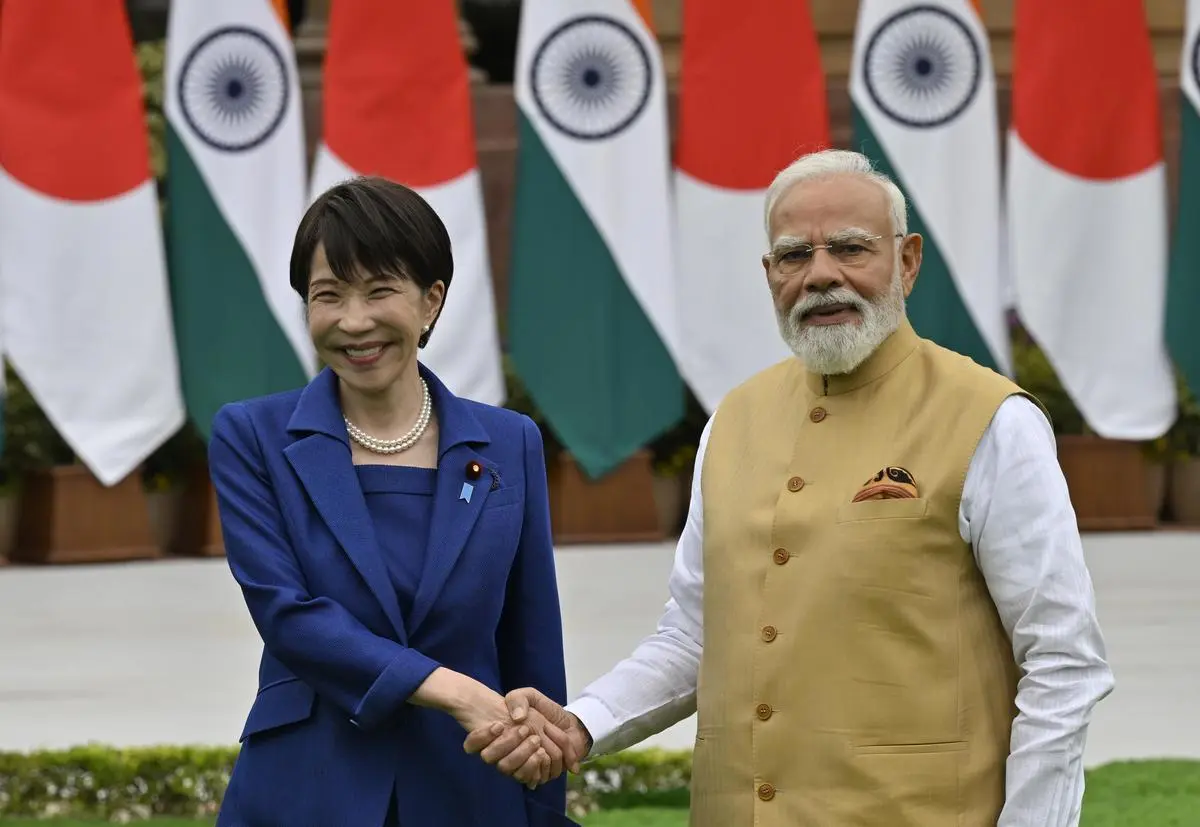
The announcement was made during the 16th India-Japan Annual Summit in New Delhi, where Prime Minister Narendra Modi and Japanese Prime Minister Sanae Takaichi unveiled a series of agreements spanning defence, artificial intelligence, energy, economic security, critical minerals and investment. The UNICORN project emerged as the defining outcome of the summit, reflecting the growing convergence between the two Indo-Pacific democracies amid an evolving regional security landscape.
A Historic First in India-Japan Defence Ties
Calling the initiative a "new chapter" in India-Japan defence technology cooperation, Prime Minister Modi said the project goes beyond a conventional procurement arrangement and represents a shift towards joint development of advanced military technologies.
The UNICORN mast will become the first defence equipment to be jointly developed by India and Japan, opening the door for future collaborations in sophisticated military platforms and technologies. Officials say the partnership also underlines both countries' commitment to strengthening maritime security and preserving a free, open and rules-based Indo-Pacific.
The development is especially significant because defence cooperation between India and Japan has traditionally focused on military exercises, strategic dialogues and logistics agreements. Moving into co-development and co-production reflects a much deeper level of technological trust between the two nations.
What is the UNICORN Mast?
Despite its name, the UNICORN mast is not a weapon but one of the most sophisticated integrated communication systems fitted aboard modern naval warships.
UNICORN—short for Unified Complex Radio Antenna—is an integrated mast that combines multiple communication antennas into a single enclosed structure. Unlike conventional naval vessels, which carry numerous exposed antennas mounted separately across the ship, the UNICORN system integrates these communication systems inside a streamlined radome.
This integrated design reduces the vessel's radar cross-section and electromagnetic signature, making it significantly more difficult for enemy radar and electronic surveillance systems to detect or track the ship. The reduction in visible antenna structures also improves operational efficiency while simplifying installation and maintenance.
Because of these stealth-enhancing characteristics, the technology has often been described as Japan's "ninja tech" in defence circles.
Why the Technology Matters for the Indian Navy
Modern naval warfare increasingly depends not only on firepower but also on remaining undetected for as long as possible.
Warships continuously emit radio and electromagnetic signals through their communication systems, making them easier to detect. By consolidating multiple antennas into a single integrated mast, the UNICORN system significantly reduces these electronic signatures while ensuring uninterrupted communications.
The technology is expected to improve survivability during high-threat missions, particularly in contested maritime environments where electronic warfare and surveillance play an increasingly critical role.
Once inducted, the system will support the Indian Navy's ongoing efforts to modernise its frontline fleet with advanced indigenous capabilities backed by international technology partnerships.
Built Jointly with Indian Industry
The project also aligns with India's broader defence manufacturing ambitions under the 'Make in India' initiative.
The UNICORN masts will be co-developed in collaboration with Bharat Electronics Limited (BEL), which will integrate and produce the systems in India with Japanese technological support. The collaboration combines Japan's expertise in advanced naval communication technology with India's growing defence manufacturing ecosystem.
The partnership is expected to facilitate technology transfer, strengthen domestic manufacturing capability and create opportunities for future co-production of advanced defence equipment.
Years in the Making
Although formally announced during the latest summit, the project has been under development for nearly two years.
The groundwork was laid on November 15, 2024, when India and Japan signed a Memorandum of Implementation in Tokyo for co-developing the UNICORN mast for Indian Navy ships.
The agreement was signed between representatives of the Government of India and Japan's Acquisition, Technology and Logistics Agency (ATLA), making it the first proposed defence co-development programme between the two countries.
The latest summit effectively transforms that earlier agreement into an operational bilateral project.
More Than a Defence Deal
The defence collaboration formed only one component of a much broader strategic agenda agreed upon during the summit.
India and Japan also signed agreements covering artificial intelligence, economic security, critical minerals, battery technology, pharmaceuticals, energy resilience and geological cooperation.
Both governments emphasised the importance of combining Japan's advanced manufacturing capabilities with India's software and digital strengths, particularly in emerging technologies such as artificial intelligence.
Prime Minister Takaichi described India and Japan as two of the world's largest economies and stressed that their partnership would contribute to peace, stability and prosperity across the Indo-Pacific region.
Major Investment Push
Alongside defence cooperation, Japan announced ambitious economic commitments aimed at deepening bilateral engagement.
The two countries reiterated their intention to significantly expand Japanese investment in India over the coming years while strengthening industrial collaboration across multiple sectors. Business delegations accompanying the Japanese Prime Minister also participated in discussions on manufacturing, infrastructure, clean energy and advanced technologies.
The economic agenda complements the strategic partnership, reflecting both nations' efforts to build resilient supply chains and reduce vulnerabilities in an increasingly uncertain global environment.
Strengthening the Indo-Pacific Partnership
Security experts view the UNICORN project as an important signal of the changing strategic dynamics in the Indo-Pacific.
India and Japan, both members of the Quad alongside the United States and Australia, have steadily expanded defence cooperation over the past decade through agreements on logistics, defence equipment transfer, intelligence sharing and joint military exercises.
The move towards jointly developing military technology represents a higher level of trust and interoperability than traditional buyer-seller relationships.
The collaboration also aligns with Japan's evolving defence export policies, which have gradually allowed greater international cooperation on advanced defence technologies while supporting trusted strategic partners.
A Milestone with Long-Term Implications
Beyond the immediate technological benefits, the UNICORN mast programme demonstrates how India and Japan are reshaping their strategic relationship around shared security interests and industrial cooperation.
For India, the project offers access to sophisticated naval technologies while reinforcing indigenous manufacturing under Make in India. For Japan, it represents another step towards deeper defence-industrial collaboration with trusted partners in the Indo-Pacific.
If successfully executed, the initiative could serve as a template for future joint development programmes in naval systems, aerospace, electronic warfare and other advanced defence technologies.
As geopolitical competition intensifies across the Indo-Pacific, the first India-Japan defence co-development project is likely to be remembered not merely as an agreement to build an advanced communication mast, but as the beginning of a new phase in one of Asia's most important strategic partnerships.
With inputs from agencies
Image Source: Multiple agencies
© Copyright 2026. All Rights Reserved. Powered by Vygr Media.