 By
By 
The New Delhi World Book Fair has long been projected as a celebration of ideas—a space where readers, writers, publishers, and students come together to honour learning, literature, and intellectual exchange. But the 53rd edition of the fair, held from January 10 to January 18, 2026, will be remembered less for its literary richness and more for the disturbing scenes that unfolded on its final day.
What should have been a dignified closing to one of India’s largest cultural events instead spiralled into chaos. Viral videos showing crowds aggressively grabbing books, looting publisher stalls, and completely disregarding order or basic decency sparked outrage across social media. The incident did not just embarrass the organisers or publishers—it raised uncomfortable questions about civic sense, entitlement, and the erosion of values in public spaces.
Free Entry, Massive Footfall—and Unchecked Disorder
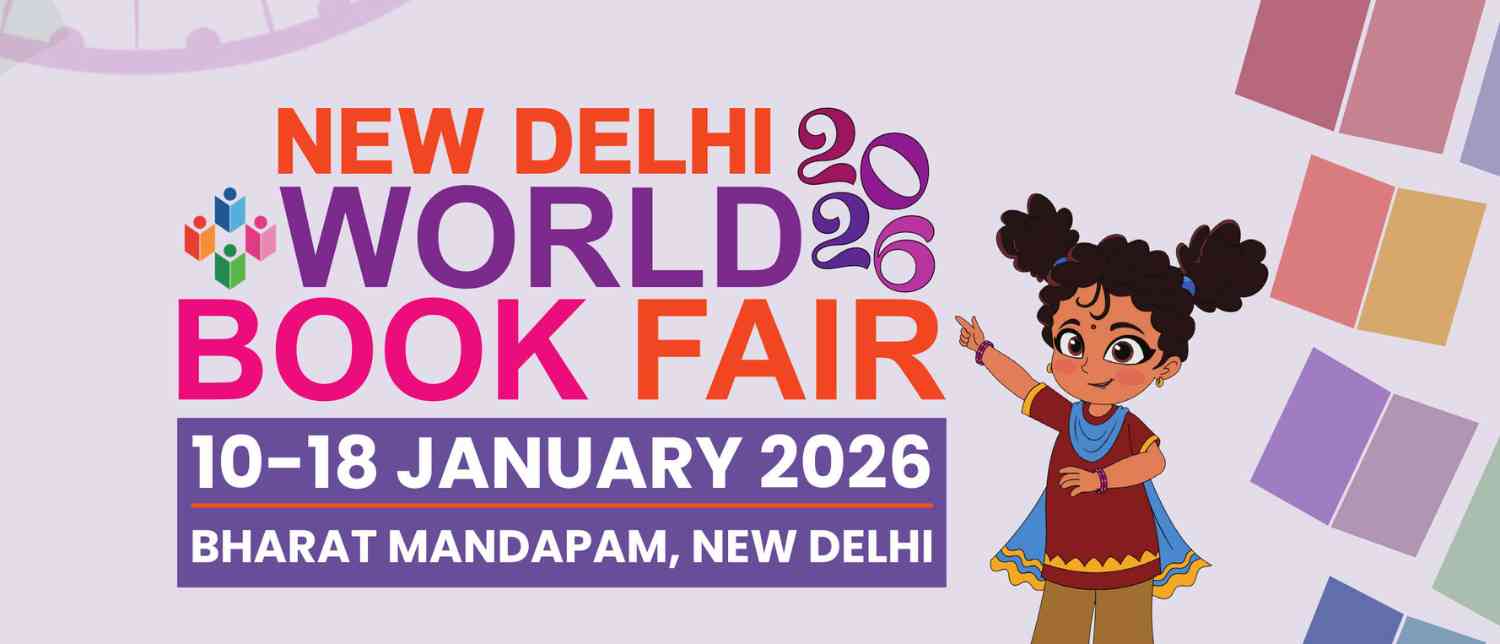
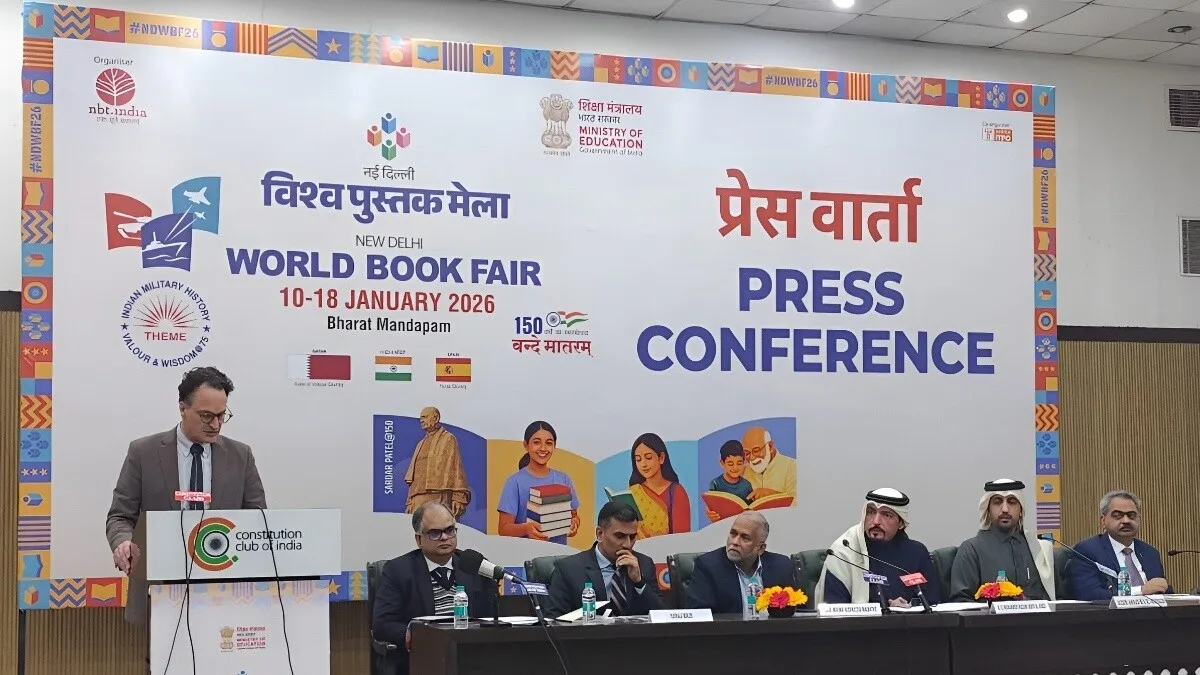
Organised by the National Book Trust, India, under the Ministry of Education, the 2026 New Delhi World Book Fair was hosted at Bharat Mandapam and introduced a first-ever free entry initiative. The idea was simple and noble: make books accessible, encourage reading among students and families, and democratise participation.
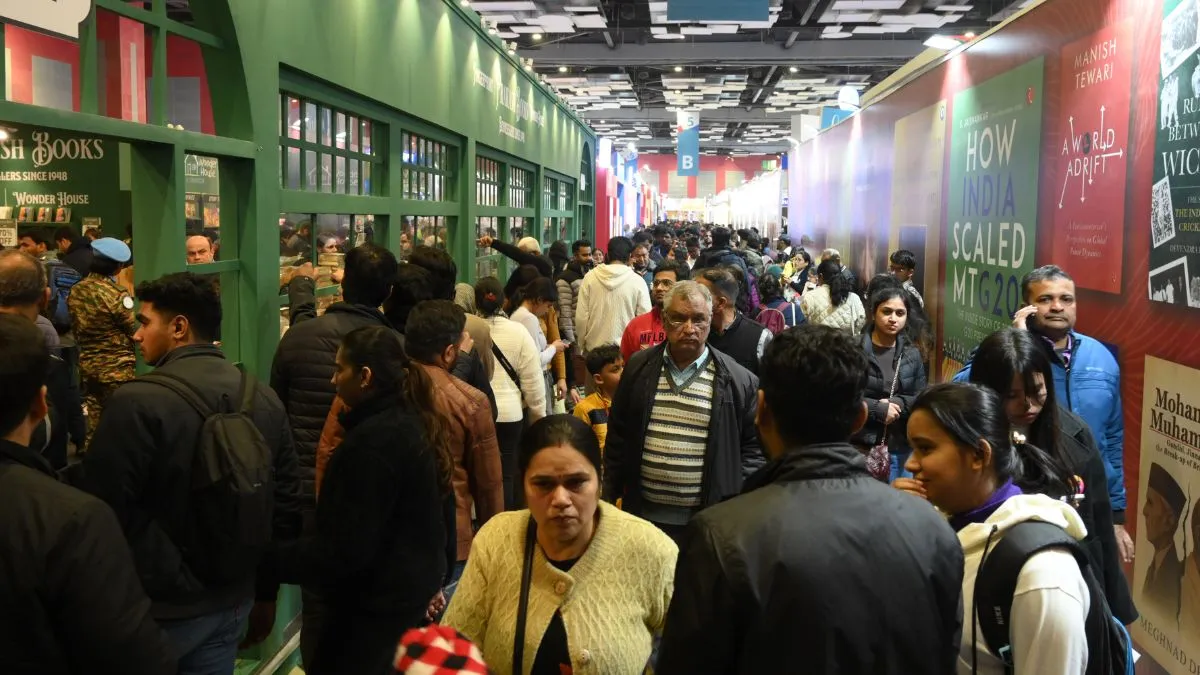
The response was overwhelming. The fair recorded a 20% surge in footfall, drawing more than two million visitors over nine days. Over 1,000 publishers from more than 35 countries participated, alongside 600+ curated events and nearly a thousand speakers. The event was inaugurated by Union Education Minister Dharmendra Pradhan, with the culture ministers of Qatar and Spain also in attendance.
By all metrics, it was a landmark edition—until the final day unravelled everything.
Viral Videos and the Bloomsbury Stall Loot
Videos that began circulating online showed scenes that were hard to believe. Crowds surged toward stalls—most notably the Bloomsbury stall—pulling books off shelves, hoarding stacks, and shoving one another in a frenzy that resembled a loot rather than a literary exchange.
Visitors could be seen stretching, jumping, and even climbing to grab books placed on higher shelves. In one widely shared clip, a man stood elevated, reaching upward while dozens of hands clawed at books around him. There were no queues, no restraint, and no respect for fellow attendees.
According to several accounts, the chaos erupted after some publishers announced free book giveaways on the closing day. What was meant as a goodwill gesture turned into a trigger for disorder, exposing how quickly civility collapses when “free” enters the equation.
Publisher friends tell me there have been so many cases of groping in busy stalls. On the last day, a university student was caught stealing books worth 15,000 rupees. Many college girls (60-70 from one publisher’s stall alone) have been caught stealing books. https://t.co/WrzuciVMI7— Rahul Pandita (@rahulpandita) January 19, 2026
“Groping in Busy Stalls”: Rahul Pandita’s Shocking Revelation
As public anger simmered, Indian author Rahul Pandita added a darker layer to the controversy. Reposting one of the viral videos on X, the Our Moon Has Blood Clots author revealed disturbing details shared by his publisher friends.
“Publisher friends tell me there have been so many cases of groping in busy stalls,” Pandita wrote. “On the last day, a university student was caught stealing books worth ₹15,000. Many college girls (60–70 from one publisher’s stall alone) have been caught stealing books.”
These revelations shifted the conversation from mere crowd mismanagement to serious concerns about safety, consent, and criminal behaviour—especially troubling at an event meant to foster learning and culture. If book fairs are no longer safe spaces, particularly for women, then something has gone profoundly wrong.
A Pattern Repeating Itself: Lessons Ignored Since 2017
For many in the publishing world, the 2026 chaos felt depressingly familiar. A 2017 IANS report had already documented similar issues during the 44th edition of the Delhi book fair at Pragati Maidan.
At the time, a Penguin staffer revealed that they had caught more than 25 cases of shoplifting. Despite installing machine detectors, publishers still suffered losses. “We have our limited staff and looking after every visitor is not possible. Last year we had to face a loss of ₹5 lakh,” the staffer told IANS.
Nearly a decade later, despite larger venues, more resources, and greater awareness, the same problems persist—only now amplified by social media virality and larger crowds.
In Iraq, some book markets leave their books out on the streets overnight, trusting the local saying: “The reader does not steal, and the thief does not read.” pic.twitter.com/WXs4Gf5FpZ— Historic Vids (@historyinmemes) January 15, 2026
“Readers Don’t Steal”—Or Do They?
The viral videos reignited discussions around a centuries-old saying often associated with Baghdad’s Al-Mutanabbi Street, where booksellers famously leave their collections out overnight without fear of theft: “The reader doesn’t steal, and the thief doesn’t read.”
The English Literature Society and other cultural groups have often cited this phrase to underline the moral responsibility that comes with education. Yet the scenes from the New Delhi World Book Fair tell a very different story—one where books are treated not as sources of knowledge, but as trophies to be grabbed.
Ahmed Khabeer, a Jamia Millia Islamia University student and founder of The Jamia Times, captured this contradiction succinctly while sharing the chaos video on Instagram.
“What was meant to be a celebratory close to the New Delhi World Book Fair 2026 turned into a display of disorder,” he wrote. “The episode lays bare a deeper contradiction, where cultural events are consumed as opportunities for extraction rather than engagement, and books are treated as trophies rather than objects to be read.”
Public Outrage and a Harsh Mirror
The backlash online was swift and scathing. UPSC teacher Shekhar Dutt, sharing one such video on X, wrote, “I’ve doubled down on reading and I’ve stopped sharing what I’m reading or what I’ve read. Because most are not interested in reading. They are only interested in knowing what books you are reading and then collecting them.”
Other reactions were even more blunt:
-
“What is wrong with us? Moral collapse.”
-
“Basic civic sense is a myth in India.”
-
“So much love for free books and so little respect for them.”
-
“A place meant to promote values turned into a reminder of why those books are needed in the first place.”
-
“Seems like a fish market.”
These are not isolated frustrations—they reflect a growing discomfort with how public spaces are treated and how easily education is mistaken for entitlement.
Beyond Books: What Was Overlooked
Ironically, the 53rd NDWBF had much more to offer. Military heritage and defence literature were major highlights, alongside curated exhibits featuring live military equipment used in border deployments. The Arjun tank and a detailed replica of the aircraft carrier INS Vikrant drew significant public interest, underscoring the fair’s broad cultural and educational scope.
Yet all of this was overshadowed by a few moments of collective failure—proof that it takes years to build a reputation and only minutes to damage it.
A Question We Cannot Dodge
The most uncomfortable question remains unavoidable: If this is how we behave at a book fair, what does it say about our civic sense as a society?
These were not uneducated crowds unfamiliar with books. These were students, college-goers, and so-called educated citizens. And yet, the moment accountability disappeared, so did manners, empathy, and self-respect.
Education without ethics is hollow. Literacy without civic responsibility is dangerous. And public events without public discipline become spectacles of shame.
The New Delhi World Book Fair 2026 should have been remembered for its inclusivity, scale, and intellectual vibrancy. Instead, it stands as a reminder that cultural progress is not measured by footfall alone—but by behaviour.
As the 54th edition approaches, scheduled from January 16 to January 24, 2027, the hope is not just for better crowd management, but for better citizens. Because no amount of books can educate a society that refuses to practice what it reads.
With inputs from agencies
Image Source: Multiple agencies
© Copyright 2025. All Rights Reserved. Powered by Vygr Media.