 By
By 
Bihar is staring at a worsening flood situation as the water levels of several major rivers continue to rise, putting large parts of the state on high alert. The Ganga, Son, Punpun, Kosi, Gandak, Burhi Gandak, Bagmati and Ghaghra are flowing above their respective danger marks, while at least 13 districts are facing the threat of flooding.
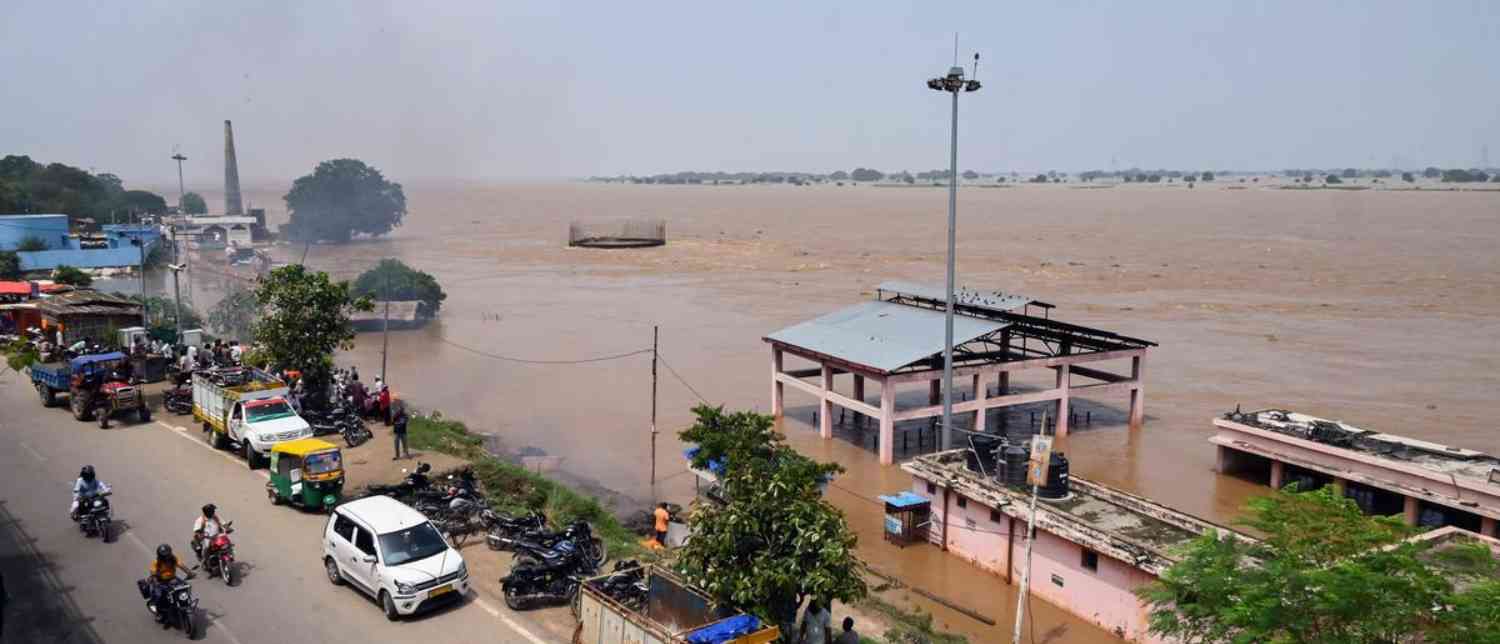
The situation is particularly concerning in and around Patna, where the Ganga has risen sharply in recent days and floodwater has begun reaching roads and low-lying settlements. Authorities are closely monitoring embankments, vulnerable areas and river levels as the state braces for further rises.
The crisis is being compounded by heavy rainfall in Bihar and upstream areas, including Nepal, as well as the release of large volumes of water from barrages.
Ganga crosses critical levels in Patna
The rising Ganga has emerged as one of the biggest concerns for the state administration. At Gandhi Ghat in Patna, the river had risen to 50.25 metres by noon on September 3, around 1.65 metres above the danger mark. The water level had climbed steadily from 49.40 metres on the morning of September 1 to 49.98 metres by the evening of September 2 and then to 50.18 metres on September 3 morning.
The river has also been reported to be around two feet above the danger level in parts of Patna, with knee-deep water reaching service lanes near Bhadraghat and Mahavir Ghat.
Officials have warned that the Ganga could cross its Highest Flood Level at Gandhi Ghat, while the level at Hathidah in Mokama was also expected to cross the highest flood mark around Friday afternoon.
The situation has prompted authorities to intensify preparations in vulnerable parts of the capital and surrounding districts.
13 districts facing flood threat
The flood alert has spread across both northern and southern Bihar. The districts identified as facing the threat include Darbhanga, Madhubani, West Champaran, Katihar, Madhepura, Purnea, Saharsa, Khagaria, Vaishali, Begusarai, Bhagalpur, Samastipur and Munger.
Separately, eight districts along the Ganga — Bhojpur, Patna, Saran, Vaishali, Nalanda, Begusarai, Lakhisarai and Jehanabad — have been placed under heightened alert, with residents of low-lying and riverbank areas being warned about the rising water.
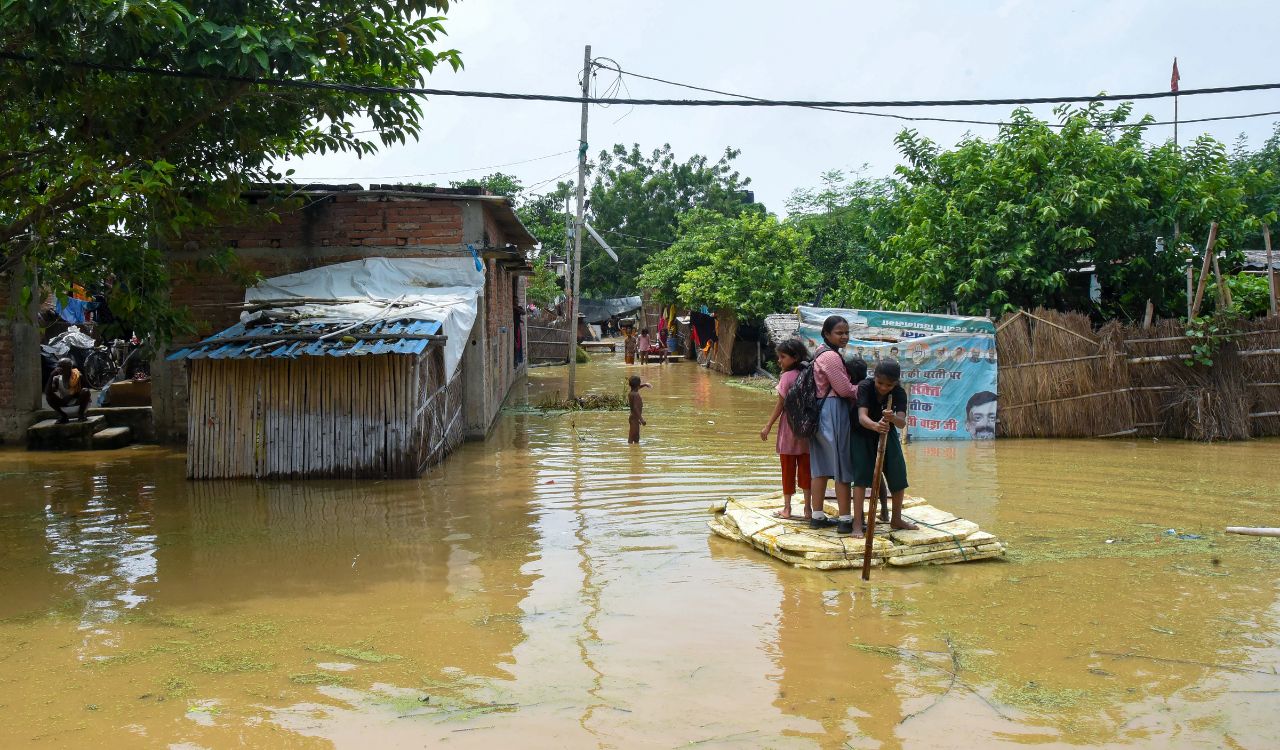
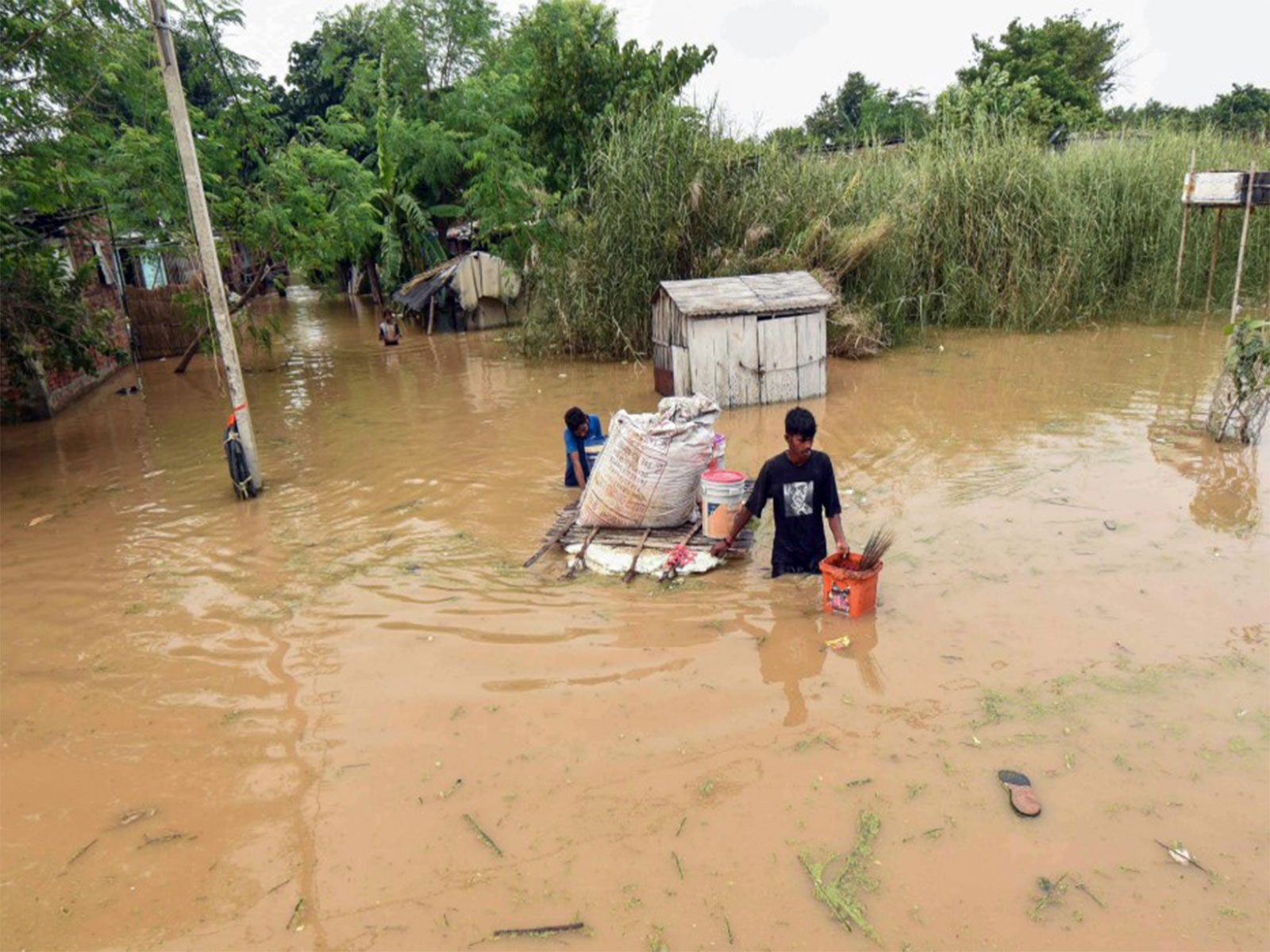
The situation on the ground varies from district to district. In some places, floodwater has entered roads and homes, while in others, erosion has become an equally serious threat.
In Buxar, the Buxar-Mohania National Highway, NH-319A, has been submerged in places. In Bettiah, a house was swept into the Gandak River amid severe erosion.
Bhagalpur is also facing pressure from rising water and erosion, with officials keeping a close watch on vulnerable embankments.
Son River adds to Bihar's flood worries
The situation has been further complicated by the huge volume of water released into the Son River from the Indrapuri Barrage in Rohtas.
All 69 gates of the barrage have been opened, with more than 5.5 lakh cusecs of water released into the Son. The discharge has increased pressure on low-lying riverine areas around Maner, Danapur, Bakhtiyarpur and Mokama.
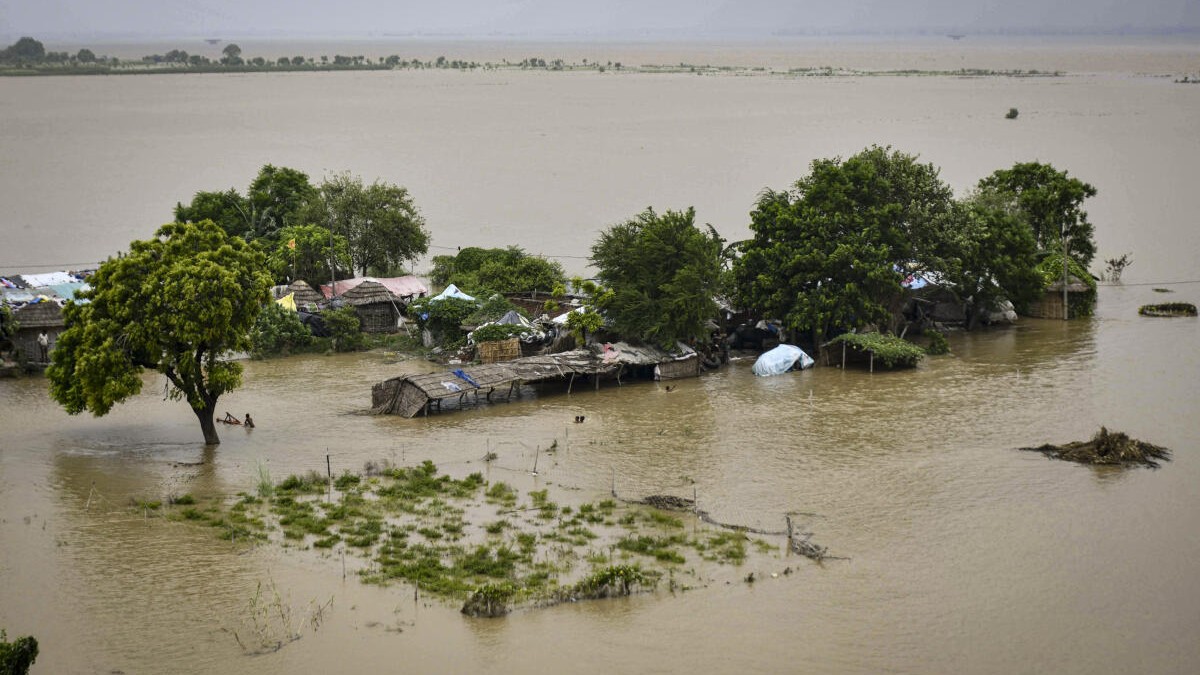
The diara regions, which are particularly vulnerable because of their location in and around river channels, are among the areas facing the greatest risk.
In Rohtas district, around 100 people who were farming on river islets in the Nauhatta area have reportedly become stranded as the Son swelled. Rescue operations have been initiated, with government boats deployed to help evacuate people from vulnerable locations.
The administration is also carrying out anti-erosion operations in areas where rising water has threatened embankments and settlements.
Kosi adds pressure in northern Bihar
Northern Bihar is facing another major challenge as the Kosi continues to swell following heavy rainfall in its upper catchment areas.
More than 4.14 lakh cusecs of water was released from the Birpur Kosi Barrage near the India-Nepal border after the water level rose sharply. All 56 gates of the barrage were opened because of the enormous pressure.
The increase in discharge prompted a flood alert in Supaul, Saharsa and Madhepura.
The rise in the Kosi is closely linked to heavy rainfall in its catchment areas in Nepal. The cross-border nature of Bihar's river system means that rainfall and flooding upstream can quickly affect downstream districts.
Several Bihar districts, including Madhepura, Madhubani, Purnea, Araria, Vaishali and East Champaran, have also experienced heavy to very heavy rainfall, adding to the pressure on already swollen rivers.
Eight major rivers above danger mark
The current crisis is not being driven by a single river. Eight major rivers have crossed their danger levels, making the flood threat more widespread.
These rivers are:
-
Ganga
-
Son
-
Punpun
-
Kosi
-
Gandak
-
Burhi Gandak
-
Bagmati
-
Ghaghra
The simultaneous rise of multiple rivers is particularly worrying because waterlogging, flooding and erosion can occur across different parts of the state at the same time.
In Patna, the Punpun has also become a major concern. At Shripalpur, the river was reported to be around 2.01 metres above its danger mark, with floodwater entering nearby houses and affecting roads in low-lying areas.
The combined pressure from the Ganga and Punpun has increased the vulnerability of settlements around the state capital.
Floodwater threatens homes, roads and crops
The growing crisis is already affecting daily life and livelihoods.
In several diara areas, farmers have suffered losses as floodwater and erosion have submerged maize and green vegetable crops. Homes, roads and fields have also been affected in vulnerable locations.
For communities dependent on riverine agriculture, the timing is particularly difficult. Flooding can destroy standing crops within hours, while erosion can permanently alter riverbanks and threaten homes and farmland.
In some locations, roads have become submerged or difficult to access, potentially disrupting movement of people and essential supplies.
The administration is therefore facing a dual challenge: containing the immediate threat from rising water while ensuring that people in isolated or waterlogged areas continue to receive food, drinking water and medical assistance.
Government steps up rescue and relief preparations
Chief Minister Samrat Choudhary inspected the rising Ganga and reviewed preparations in flood-prone areas. Officials have been instructed to remain alert and complete necessary preventive measures before the situation deteriorates further.
Authorities have been directed to keep safe shelters, medical facilities, drinking water, food and other essential supplies ready in advance.
If water levels rise further, residents of vulnerable areas are expected to be shifted to safer locations. National Disaster Response Force and State Disaster Response Force teams are being kept ready for evacuation and rescue operations.
Officials from the Water Resources Department are also maintaining continuous surveillance of embankments, particularly at vulnerable points where erosion or rising water could pose a threat.
Community kitchens have been planned for displaced people in diara areas, while district administrations have been asked to assess damage to houses, crops and livestock so that relief assistance can be provided to affected families.
Political battle intensifies amid flood crisis
The deteriorating flood situation has also triggered a political confrontation in Bihar.
Leader of Opposition Tejashwi Prasad Yadav has criticised the NDA government, claiming that more than 15 districts are already in the grip of floods and alleging that adequate administrative preparations for flood prevention and relief were not made.
Yadav has alleged that flood-affected communities lack adequate safety arrangements and that awareness campaigns have not been sufficiently carried out.
He has particularly highlighted conditions in the diara areas, where he said farmers have lost maize and vegetable crops to flooding and erosion. He also raised concerns about electricity supply, drinking water and access to essential supplies in affected villages.
According to his allegations, some villages have become disconnected from block headquarters, creating difficulties in accessing ration and other necessities. He has demanded that the diara areas be formally declared flood-affected and that relief camps, community kitchens and medical facilities be strengthened.
The government, meanwhile, has focused on monitoring water levels, protecting embankments and preparing for possible evacuations.
Residents urged to exercise caution
With river levels continuing to fluctuate, residents living along riverbanks and in low-lying areas have been advised to take official warnings seriously.
People have been asked to avoid unnecessary visits to rivers, ghats and embankments and to stay away from waterlogged areas. Children, elderly people and persons with disabilities should be kept away from the river and flooded locations.
Authorities have also warned people against bathing or swimming in swollen rivers, unnecessary boat travel and taking selfies near dangerous water bodies.
The administration's immediate priority is to prevent loss of life while keeping relief and rescue mechanisms ready.
What happens next?
The coming days could prove critical for Bihar. The state is dealing with rising water levels in several major rivers at the same time, while rainfall in Bihar and upstream catchments continues to influence river flows.
The release of substantial volumes of water from the Indrapuri and Birpur barrages has added another layer of complexity. With the Ganga already above its danger mark in Patna and several other rivers running high, even a further rise could significantly expand the affected areas.
For now, the flood threat extends across northern and southern Bihar, with 13 districts facing serious concern and several more keeping a close watch on river levels.
The administration's preparedness, the condition of embankments, the pace of evacuation and the availability of food, water and medical aid will be crucial in determining how the situation unfolds.
For thousands of people living close to Bihar's rivers, however, the warning is already clear: the floodwater is no longer just a threat on the horizon. In several areas, it has reached homes, roads and farms, turning the state's annual monsoon challenge into an immediate humanitarian and infrastructure concern.
With input from agencies
Image Source: Multiple agencies
© Copyright 2026. All Rights Reserved. Powered by Vygr Media.