

 By
By 
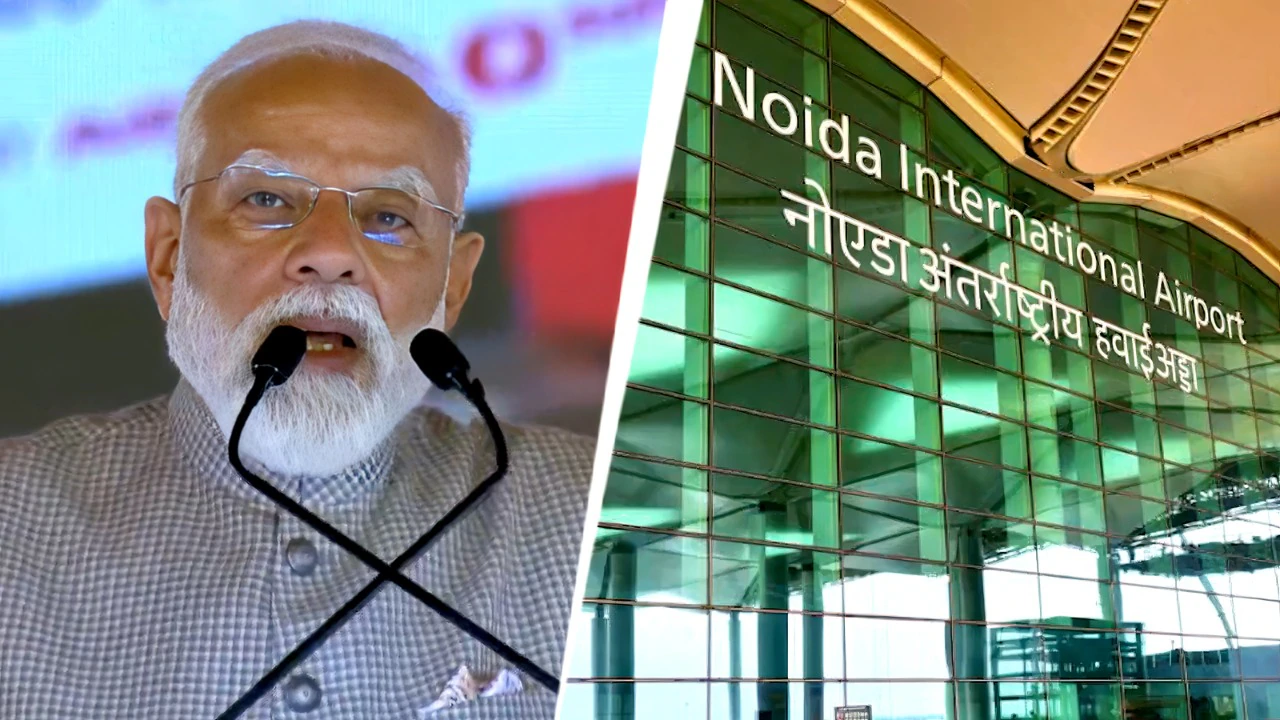
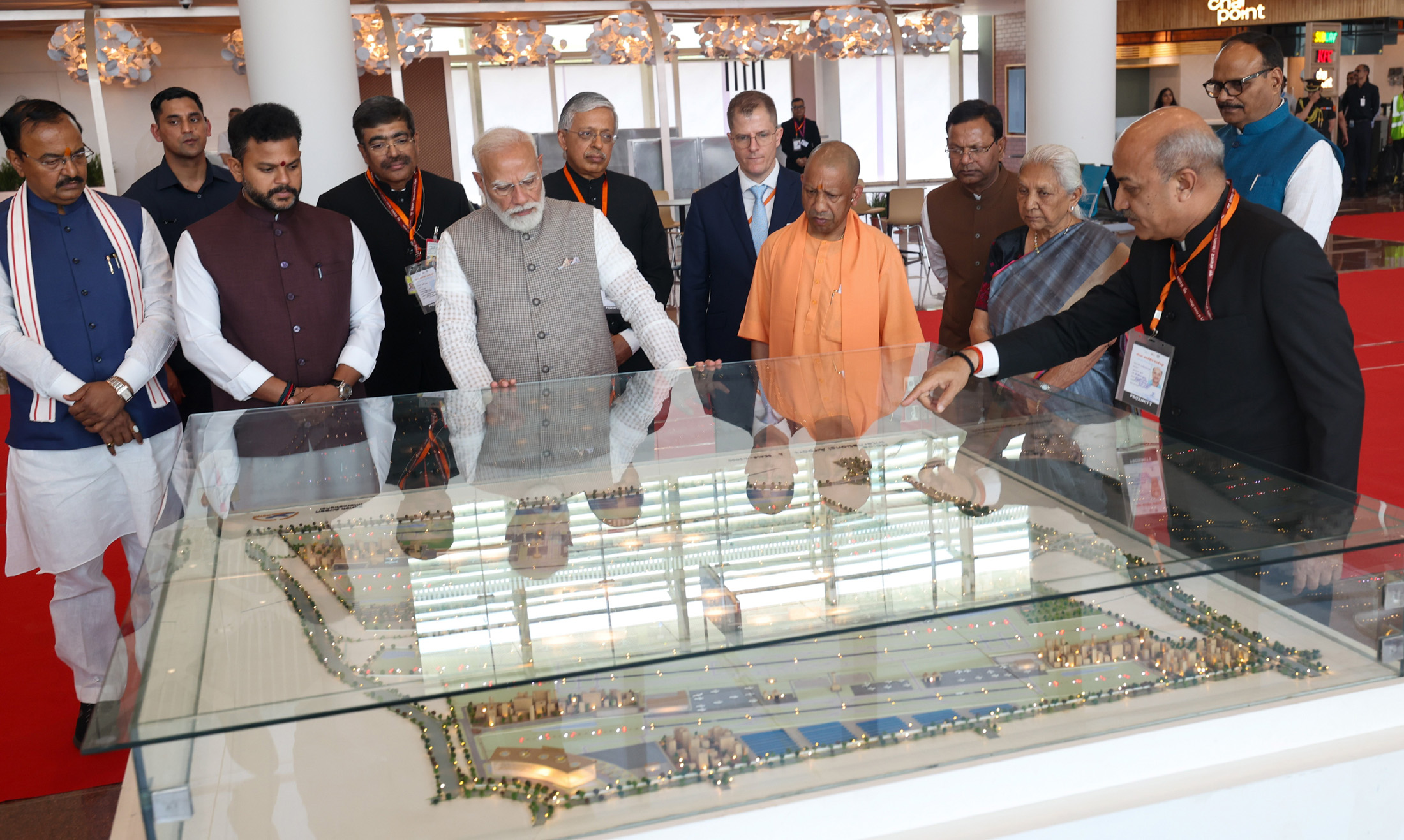
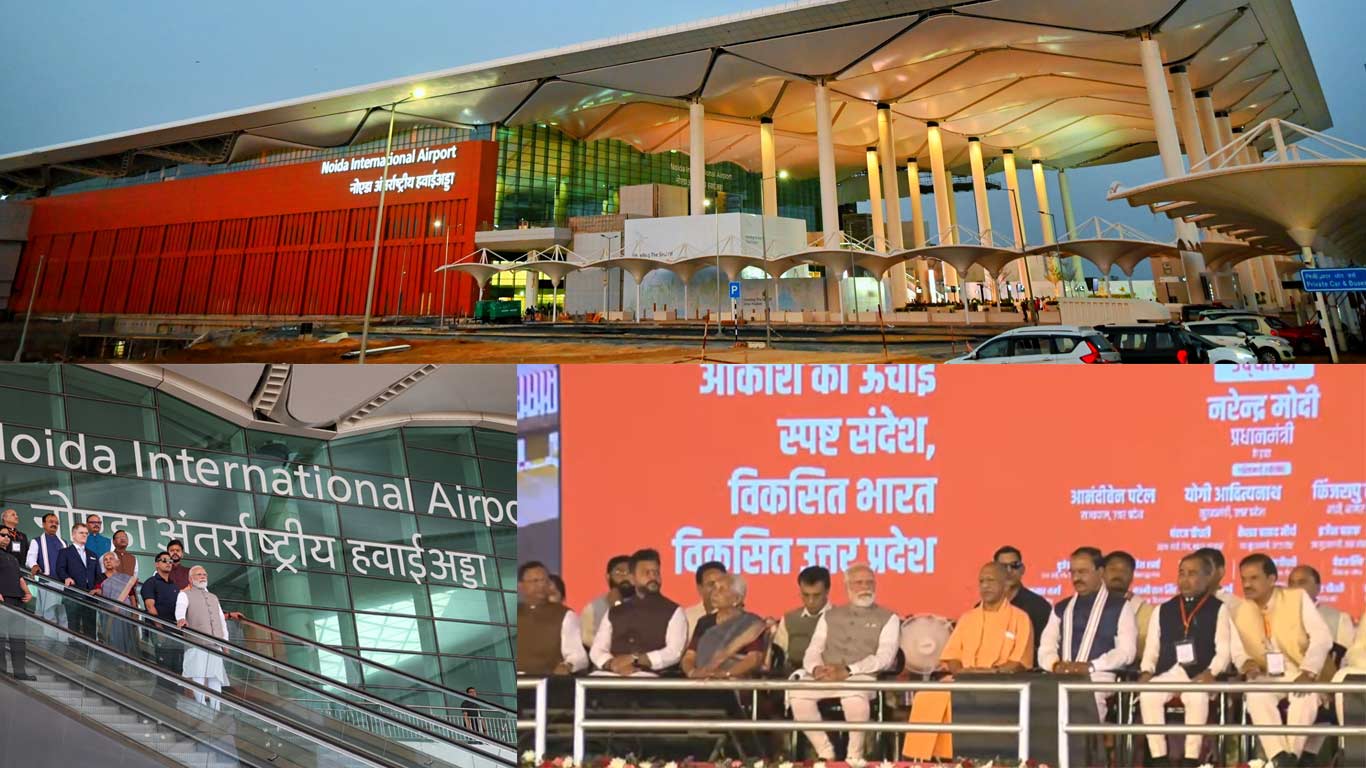
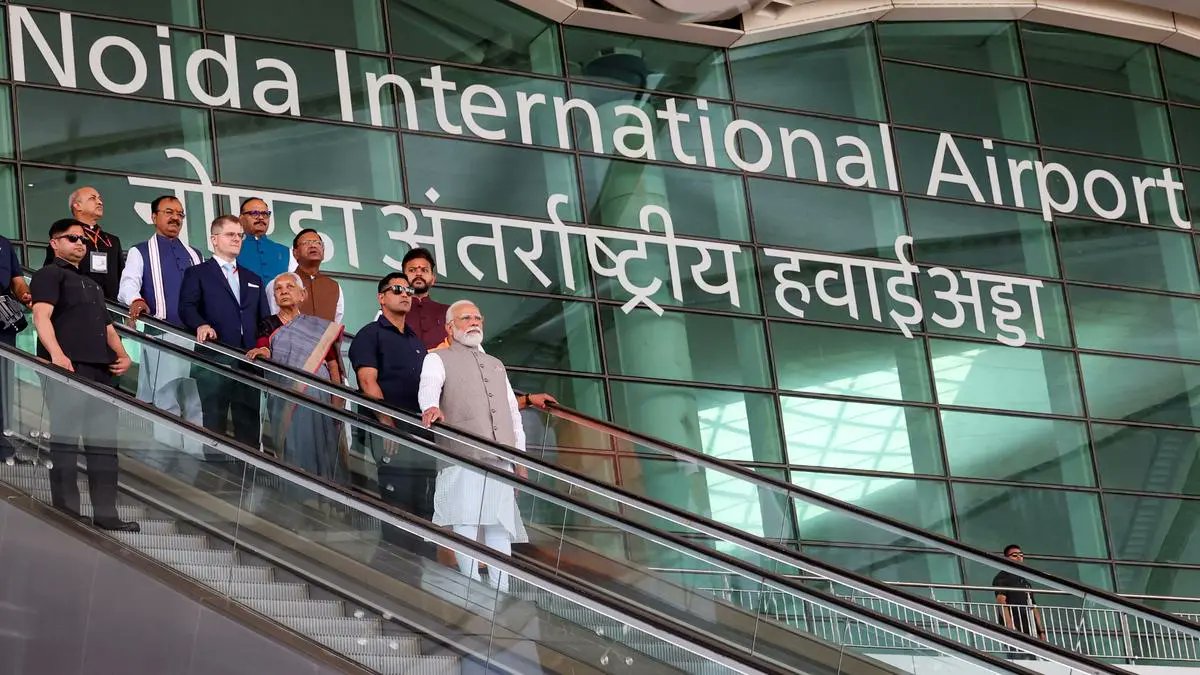
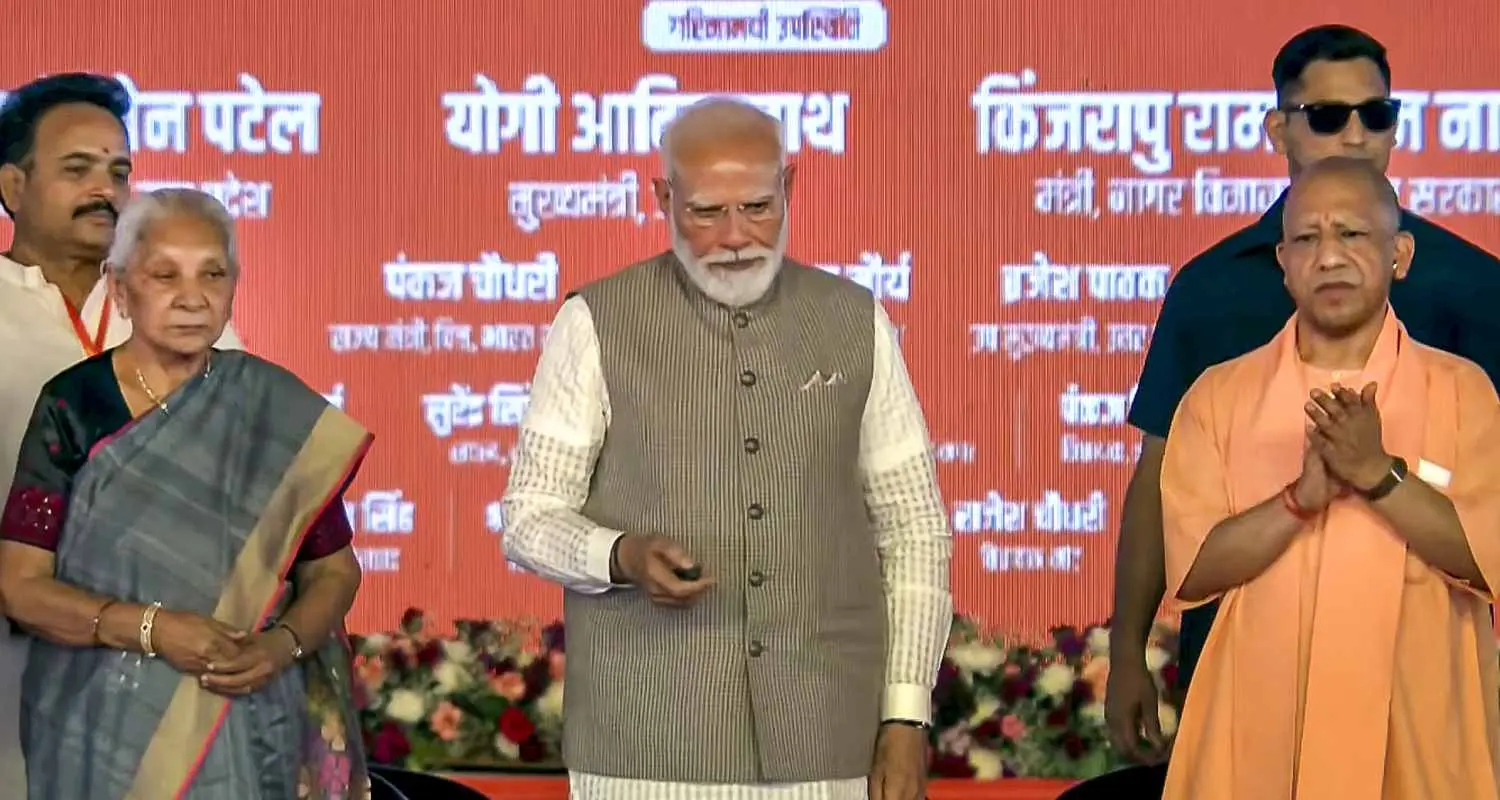
In a landmark moment for India’s infrastructure and aviation sector, Prime Minister Narendra Modi on March 28, 2026, inaugurated Phase I of the Noida International Airport (NIA) at Jewar in Gautam Buddha Nagar district, officially opening the National Capital Region’s (NCR) second international airport. The project, long in the making and often described as a “25-year-old dream,” is being seen as a defining milestone in India’s push for world-class connectivity and economic expansion.
A major infrastructure milestone for NCR
The Noida International Airport is among India’s most ambitious greenfield aviation projects, aimed at easing the heavy congestion at Delhi’s Indira Gandhi International Airport while significantly boosting regional and international connectivity.
Strategically located in Jewar, the airport is expected to serve not just Noida and Greater Noida, but a wide swathe of western Uttar Pradesh, including cities such as Agra, Mathura, Meerut, Aligarh, Ghaziabad, and even parts of Haryana like Faridabad.
During the inauguration, Modi described the airport as a symbol of “India’s new spirit” and a major step forward in both Uttar Pradesh’s growth story and the country’s aviation future.
Phase I: Key features and capacity
Developed at an estimated cost of around ₹11,200 crore under a public-private partnership model, Phase I of the airport has been designed with scalability and future expansion in mind.
-
Passenger capacity: 1.2 crore (12 million) annually in the first phase
-
Runway: A 3,900-metre runway capable of handling wide-body aircraft
-
Infrastructure: Modern terminal building, cargo facilities, advanced navigation systems including Instrument Landing System (ILS), and state-of-the-art airfield lighting
-
Land area (Phase I): Approximately 1,334 hectares
The terminal has been designed for high efficiency, with rapid passenger processing times and modern amenities such as multiple check-in counters, aerobridges, and passenger lounges.
Authorities have indicated that commercial flight operations could begin within weeks of inauguration, with cargo and domestic services expected to start between mid-April and May 2026 following regulatory approvals.
Long-term vision: A mega aviation hub
What sets the Noida International Airport apart is its long-term expansion blueprint. The airport is being developed in four phases, with a final vision that positions it among the largest aviation hubs in the world.
-
Phase 2 (by 2030): Capacity increases to 3 crore passengers annually, with a second runway
-
Phase 3 (by 2034): Capacity rises to 5 crore passengers with an additional terminal
-
Phase 4 (by 2036): Capacity reaches 7 crore passengers annually
-
Ultimate plan: Up to five runways and massive cargo expansion by 2040
Once fully developed, the airport is expected to handle up to 70 million passengers annually, placing it among the busiest in Asia.
Boost to logistics, trade, and connectivity
Beyond passenger travel, the airport is being positioned as a critical logistics and cargo hub for northern India. Its integration with road and rail networks is expected to strengthen supply chains and enhance trade efficiency across the region.
The project’s multi-modal connectivity model aims to seamlessly link the airport with expressways such as the Yamuna Expressway and other transport corridors, improving accessibility for passengers and cargo operators alike.
The development is also expected to reduce travel time, improve connectivity to key industrial and tourism hubs, and support India’s growing aviation demand.
Economic impact: Jobs, real estate, and investment
The inauguration is expected to trigger a significant economic ripple effect across the NCR and western Uttar Pradesh.
-
Employment: The airport is projected to generate large-scale direct and indirect jobs across aviation, logistics, retail, and hospitality sectors
-
Real estate boom: Land prices in Jewar and surrounding regions have already surged in anticipation of increased connectivity and commercial activity
-
Investment magnet: The project is expected to attract domestic and global investors, particularly in infrastructure and commercial real estate
Experts believe the region could witness growth trajectories similar to Gurugram, which transformed into a major commercial hub after infrastructure expansion.
Additionally, demand for premium office spaces and commercial developments is expected to rise sharply, further accelerating urbanisation in the region.
Benefits for local communities and industries
The airport is expected to bring substantial benefits to local communities, particularly farmers, small businesses, and micro, small and medium enterprises (MSMEs).
Improved connectivity will open up new markets for agricultural produce and local industries, while also enhancing access to global supply chains.
The project is also expected to catalyse tourism by improving access to key destinations in Uttar Pradesh, including heritage and religious sites.
Sustainability and design focus
A notable feature of the Noida International Airport is its emphasis on sustainability. The airport has been designed with environmentally conscious infrastructure, aiming to set benchmarks in green aviation development.
The focus includes efficient energy use, sustainable building practices, and long-term environmental planning, aligning with global trends in eco-friendly airport design.
High-security inauguration and traffic arrangements
The inauguration ceremony was conducted under tight security arrangements, reflecting the high-profile nature of the event.
-
Security: A five-tier security system was deployed, including around 5,000 personnel, anti-drone units, bomb disposal squads, and riverine patrol teams
-
No-drone zone: Strict restrictions were enforced to prevent aerial threats
-
Traffic management: Goods vehicles were restricted on major routes such as the Noida-Greater Noida Expressway and Yamuna Expressway from morning till late evening
-
Emergency access: Dedicated corridors were maintained for ambulances and fire services
These measures ensured smooth movement for dignitaries and attendees while maintaining public safety.
A symbol of India’s aviation future
The Noida International Airport is not just an infrastructure project—it represents a broader shift in India’s development trajectory. By enhancing connectivity, boosting logistics, and unlocking economic potential, the airport is poised to play a pivotal role in shaping the future of the NCR and beyond.
As Modi noted during the inauguration, the airport is expected to connect north India to the world, with the potential for flights taking off every few minutes at full capacity.
With its ambitious expansion plans, strategic location, and integrated infrastructure, the Jewar airport is set to emerge as a global aviation hub—one that could redefine how India connects with the world while powering regional growth for decades to come.
With inputs from agencies
Image Source: Multiple agencies
© Copyright 2025. All Rights Reserved. Powered by Vygr Media.