 By
By 
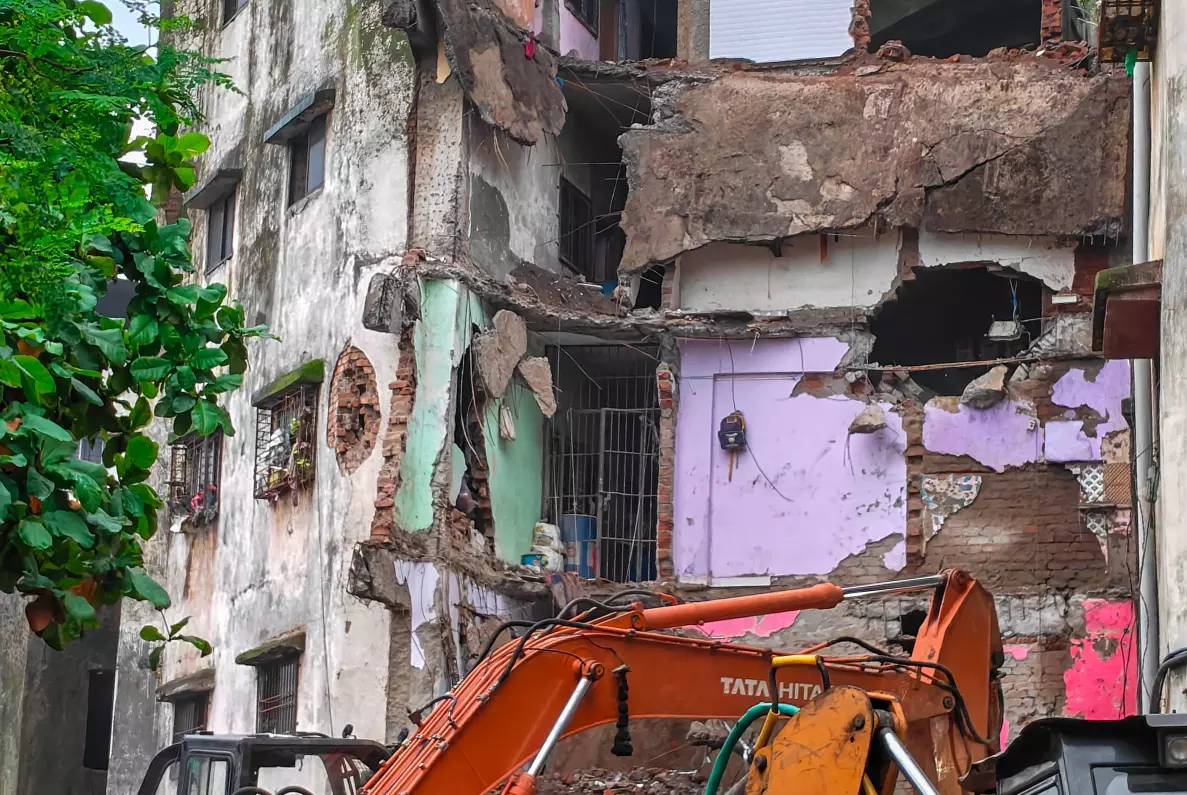
A devastating building collapse in Maharashtra's Bhiwandi has once again exposed the persistent threat posed by ageing and unsafe residential structures across the Mumbai Metropolitan Region. The collapse of a four-storey residential building triggered a massive rescue operation involving multiple agencies, leaving at least 9 people dead, many injured, and others feared trapped beneath tonnes of concrete and twisted metal.
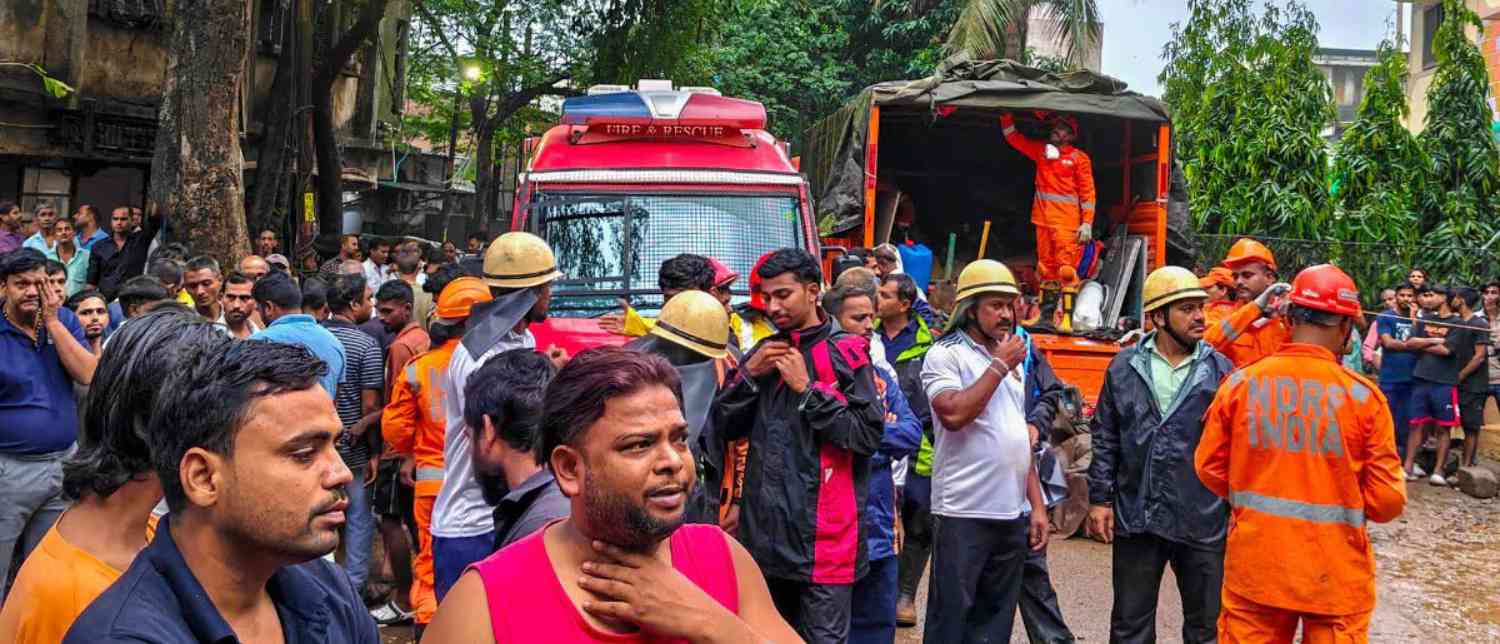
The incident occurred in Bhiwandi, a densely populated township in Thane district known for its powerloom industry and rapidly expanding residential settlements. According to officials, the building came crashing down suddenly, trapping residents inside as they slept. Rescue workers, local authorities, firefighters and National Disaster Response Force (NDRF) personnel rushed to the site within hours, launching an intensive search-and-rescue operation that continued through the day.
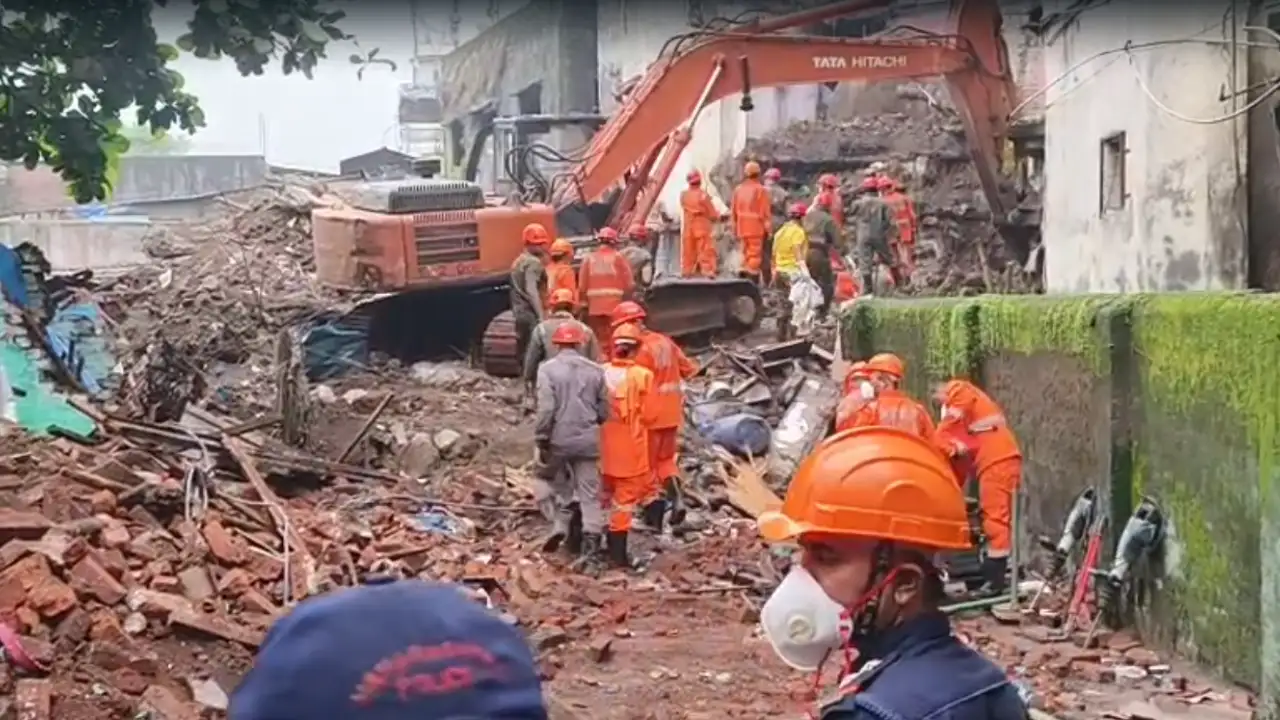
Rescue Operation Continues Amid Hope of Finding Survivors
Heavy machinery, cranes and specialised rescue equipment were deployed to remove debris carefully while ensuring that any survivors trapped underneath were not put at further risk. Sniffer dogs and rescue personnel worked through unstable sections of the collapsed structure as anxious relatives gathered nearby, hoping for positive news.
Officials confirmed multiple fatalities, while several injured residents were shifted to nearby hospitals for treatment. Authorities warned that the casualty count could rise as rescue teams continued to clear the debris and access areas that remained inaccessible during the initial stages of the operation.
Emergency responders said the rescue operation was particularly challenging because portions of the building had pancaked onto each other, creating confined spaces that required painstaking manual excavation before heavy equipment could be used safely.
Building Was Reportedly in Poor Condition
Initial reports suggested that the residential building had shown signs of structural deterioration before the collapse. Some reports indicated that concerns had previously been raised about the condition of the structure, though authorities are investigating whether any formal notices had been issued or ignored.
Investigators are expected to examine several factors, including the building's age, maintenance history, structural integrity, recent repair work, and whether illegal alterations or additional construction may have weakened the structure.
A detailed structural audit is likely to determine the exact cause of the collapse. Officials have not ruled out the possibility that multiple factors—including ageing infrastructure and seasonal weather conditions—may have contributed to the tragedy.
Bhiwandi's Long-Standing Building Safety Crisis
The latest collapse has once again brought attention to Bhiwandi's recurring problem of dilapidated buildings. Over the years, the city has witnessed several similar incidents involving old residential structures, many of which continue to remain occupied despite visible signs of deterioration.
Rapid urbanisation, unplanned development, poor maintenance, and the financial inability of residents to relocate often result in families continuing to live in buildings that have exceeded their safe structural lifespan.
Urban planners have repeatedly warned that numerous ageing buildings across Thane district require urgent structural audits, repairs or redevelopment. However, redevelopment projects frequently face delays due to legal disputes, funding constraints, ownership issues and the challenge of relocating occupants.
Pattern of Recurring Tragedies
The Bhiwandi collapse is not an isolated incident. Maharashtra has witnessed multiple building collapses over the past decade, particularly during the monsoon season, when prolonged rainfall can accelerate structural deterioration in already weakened buildings.
Several previous incidents in Bhiwandi and nearby areas have resulted in significant loss of life, prompting repeated promises of stricter enforcement of building safety norms. Despite these assurances, experts argue that implementation has remained inconsistent.
Safety activists say the recurring nature of such accidents highlights deeper governance challenges, including delayed inspections, inadequate maintenance, illegal constructions and insufficient enforcement of evacuation orders for dangerous buildings.
Questions Over Accountability
As rescue efforts continue, attention is expected to shift toward accountability.
Authorities are likely to investigate:
-
Whether the building had undergone mandatory structural audits.
-
If warning notices had been issued.
-
Whether civic authorities monitored compliance.
-
If repair work had been carried out according to engineering standards.
-
Whether negligence by owners, developers or local officials contributed to the collapse.
Depending on the findings, criminal negligence cases may be registered against those found responsible.
Families Wait for Answers
Outside the collapse site, scenes of grief unfolded as relatives searched for missing family members while rescue workers continued their painstaking efforts.
Hospitals remained on alert to receive additional victims as emergency services coordinated rescue, medical assistance and identification of those recovered from the debris.
Local residents also joined rescue teams in the initial hours, helping remove debris before specialised disaster response personnel arrived. Volunteers supplied food, water and basic necessities to affected families waiting near the site.
Experts Renew Call for Preventive Action
Structural engineers say tragedies like the Bhiwandi collapse underline the need for preventive action rather than reactive disaster management.
Experts recommend:
-
Mandatory periodic structural audits for ageing residential buildings.
-
Faster redevelopment of unsafe structures.
-
Strict enforcement of evacuation notices.
-
Improved monitoring of illegal modifications.
-
Public awareness campaigns encouraging residents to report structural distress.
They also stress that redevelopment policies should include practical rehabilitation options so residents are not forced to choose between unsafe housing and homelessness.
Government Response
State authorities have assured that every possible effort is being made to rescue those trapped and provide medical treatment to the injured. Senior officials are monitoring the operation, while district authorities have been instructed to extend all necessary assistance to affected families.
The administration has also indicated that a detailed inquiry will determine the exact sequence of events leading to the collapse and identify any lapses in maintenance or enforcement.
As rescue teams continue working against time, the tragedy has once again highlighted a recurring urban challenge confronting Maharashtra—ensuring that thousands of ageing residential buildings are identified, repaired or redeveloped before they become the site of another preventable disaster.
For now, the focus remains on locating survivors, supporting grieving families and uncovering the circumstances behind yet another building collapse that has left an entire community shaken.
With input from agencies
Image Source: Multiple agencies
© Copyright 2026. All Rights Reserved. Powered by Vygr Media.