 By

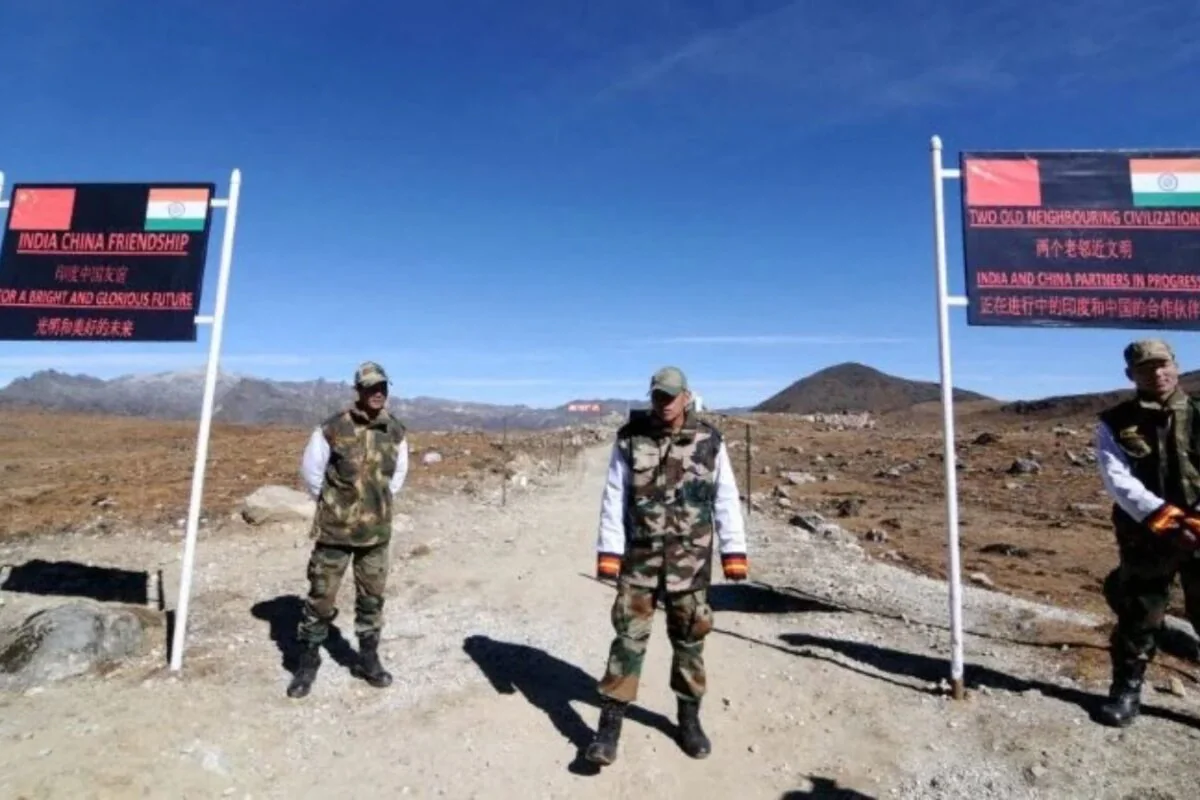
The sensitive India-China border situation in Arunachal Pradesh has triggered a fresh political controversy after Indo-Tibetan Border Police (ITBP) chief Shatrujeet Singh Kapur reportedly confirmed that face-offs with Chinese troops were continuing at multiple locations along the frontier. The remarks have prompted opposition leaders to demand greater transparency from the Centre, while Arunachal Pradesh minister and BJP leader Balo Raja has pushed back against perceptions of Indian weakness, insisting that the country remains “very strong”.
The controversy has brought renewed attention to border security in Northeast India, the operational challenges faced by Indian personnel along the Line of Actual Control (LAC), and the government's handling of relations with China. It has also raised an important question: how should India communicate sensitive developments along a strategically significant border without creating unnecessary alarm or leaving the public searching for answers?
As political reactions intensify, the distinction between acknowledging operational challenges and projecting national strength has become central to the debate.
ITBP Chief's Remarks on Arunachal Pradesh Border Face-Off Spark Controversy
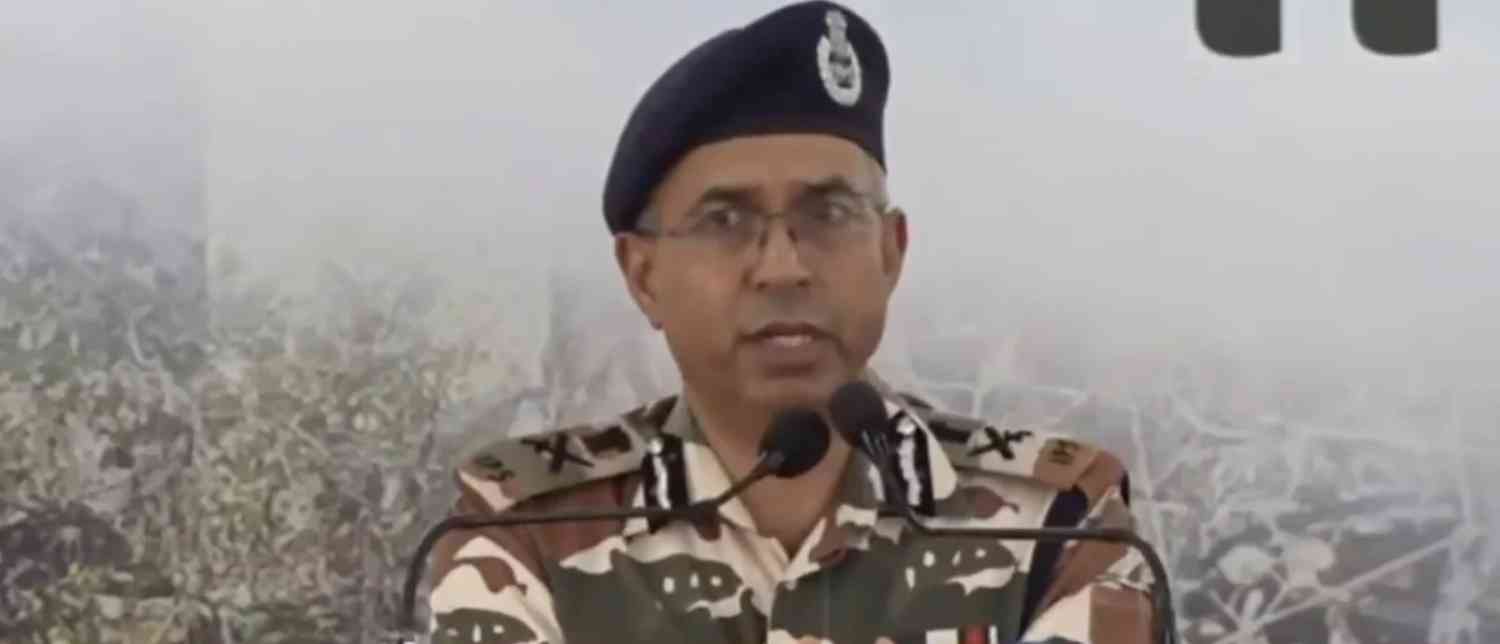
The controversy gathered momentum following an address by ITBP Director General Shatrujeet Singh Kapur to personnel at a felicitation ceremony in Alwar, Rajasthan, on October 22, 2026.
During the event, Kapur reportedly spoke about face-offs at several locations in Arunachal Pradesh, indicating that the confrontations were continuing. He also praised the performance of the force's newly raised Shaurya commando teams, crediting them with handling the situation effectively.
The remarks attracted widespread attention after footage from the event circulated publicly. The ITBP had released footage of the address on social media before subsequently deleting it, according to reports.
What made the statement particularly significant was its apparent reference to ongoing confrontations along the northeastern frontier. The comments came from the head of a force responsible for guarding and patrolling the India-China border, giving the remarks considerable weight in discussions about the security situation.
However, the available public information does not establish the precise locations, scale or operational details of every reported face-off. Nor does the reported statement, by itself, provide a complete account of the circumstances surrounding the encounters.
That distinction matters. Border confrontations can range from tense encounters during patrolling to more serious operational incidents, and understanding their nature requires reliable information about the specific circumstances.
Nevertheless, Kapur's remarks were enough to trigger a wider debate about India-China border tensions and the information available to the public regarding developments in Arunachal Pradesh.
Why the India-China Border Situation in Arunachal Pradesh Matters
Arunachal Pradesh occupies a strategically important position along India's northeastern frontier with China. The wider India-China boundary remains disputed, and the Line of Actual Control serves as the practical line separating the areas administered by the two countries in the border region.
The ITBP is a key component of India's border-security arrangements. Established in 1962, the force operates in demanding mountainous terrain and is responsible for guarding a substantial stretch of the frontier with China, commonly described as approximately 3,488 kilometres long.
Its responsibilities require specialised training, sustained surveillance, logistical preparedness and the ability to operate in difficult high-altitude conditions.
The importance of the latest controversy extends beyond the reported encounters themselves. It concerns the effectiveness of patrolling arrangements, the ability of Indian forces to respond to changing security challenges, and the need to prevent local confrontations from escalating into wider tensions.
Reports have also referred to developments dating back to July, when Chinese troops were alleged to have restricted Indian personnel's access to certain patrolling points in the Taksing area. These reports have added to concerns about access and patrolling along parts of the frontier.
However, individual allegations and reports should not automatically be treated as proof of a broader territorial change. Establishing what happened at a particular location requires detailed, verified information.
The timing has also drawn attention. The reported confrontations were discussed in the context of the September 2026 BRICS Summit in New Delhi, which Chinese President Xi Jinping attended. The episode has therefore renewed questions about how diplomatic engagement and unresolved border issues can proceed simultaneously.
Balo Raja Rejects Perceptions of Indian Weakness, Cites Dhurandhar
Amid the political debate, Arunachal Pradesh minister and BJP MLA Balo Raja offered a forceful response, arguing that the country should not be portrayed as weak because of the reported border encounters.
Speaking to reporters in Itanagar on October 28, Raja questioned why a senior officer would make statements that, in his view, could create such an impression. He asserted that India was strong and pointed to the country's growing intelligence capabilities.
Raja also invoked the spy thriller Dhurandhar, suggesting that the film illustrated how much India's intelligence capabilities had developed.
His comments introduced a distinctly political dimension to the controversy. While the ITBP chief's reported remarks focused on operational encounters and the performance of personnel, Raja's response centred on national confidence, India's strategic capabilities and how developments along the China border should be perceived.
The minister's position reflects an argument often heard in national-security debates: acknowledging a security challenge should not automatically be interpreted as evidence of weakness.
At the same time, confidence in India's capabilities and a clear understanding of border developments are not mutually exclusive. Public discussion of operational challenges can help establish accountability, while measured communication can prevent incomplete information from being misinterpreted.
Raja's remarks have consequently become a prominent part of the discussion surrounding the Arunachal Pradesh border face-off row.
Congress Questions Government Over Border Security
The reported comments also drew criticism from opposition leaders, who sought greater clarity from the Centre regarding the situation along the India-China border.
Congress leader Jairam Ramesh accused the government of remaining silent on what he described as a serious issue. His criticism focused on the apparent lack of a sufficiently clear public response to the reported continuing face-offs.
The opposition's questions concern more than the wording of the ITBP chief's remarks. They also touch on whether the government has adequately explained the nature of the encounters, the circumstances in which they occurred and the measures being taken to manage the situation.
Other opposition voices have raised concerns about reports of Chinese intrusions and alleged restrictions affecting Indian patrols and civilians. Asaduddin Owaisi, the chief of the All India Majlis-e-Ittehadul Muslimeen, has sought a comprehensive clarification from the government.
Such demands have intensified the political debate over border security and the handling of India-China relations.
The government, however, must balance the public's legitimate interest in understanding developments with the operational sensitivities of military and border-security activities. Detailed disclosures about troop movements, surveillance arrangements or specific tactical responses could carry security implications.
That does not eliminate the need for public communication. A clear account of the broad situation, the established facts and the mechanisms being used to address concerns can help prevent speculation from filling information gaps.
Government's Position: Diplomatic and Military Channels Remain Active
The Ministry of External Affairs has addressed the broader border situation by stating that conditions along the India-China frontier are periodically disturbed when Chinese forces deviate from established patrolling patterns.
The ministry has also emphasised that both countries continue to use existing diplomatic and military mechanisms to address outstanding issues and prevent misunderstandings or miscalculations along the LAC.
This position places the latest controversy within the longer-running effort to manage tensions between the two neighbours.
Diplomatic engagement does not necessarily mean that every border disagreement has been resolved. Likewise, a reported face-off does not, on its own, establish that the wider diplomatic process has failed.
The key challenge is to manage competing requirements: maintaining an effective security presence, protecting established patrolling arrangements, communicating developments responsibly and keeping channels open for resolving disputes.
The ministry has referred questions about specific operational details to the Ministry of Defence, underlining the importance of distinguishing general diplomatic assessments from information about particular military encounters.
For the public, the central issue remains whether the available explanations provide enough clarity to understand the situation without compromising sensitive operational information.
Shaurya Commandos and the Need to Modernise Border Security
Another important aspect of the controversy is the emphasis on the ITBP's operational readiness.
Kapur reportedly praised the newly raised Shaurya commando teams for their performance during the encounters. The specialised teams are associated with high-altitude operations, an essential capability for personnel deployed along difficult mountain frontiers.
His address also highlighted the need to modernise weapons and equipment and improve the force's ability to respond to emerging threats, including drone warfare.
These remarks point to a wider transformation in border security. Modern frontier management increasingly depends on a combination of trained personnel, reliable communications, surveillance technology, specialised equipment and the capacity to respond quickly to changing circumstances.
Traditional mountain-warfare skills remain important, but forces must also prepare for technological developments that can alter how borders are monitored and defended.
For the ITBP, the challenge is particularly demanding because personnel must operate in difficult terrain while maintaining vigilance across a lengthy and sensitive frontier.
Modernisation is therefore not simply about acquiring new equipment. It also involves specialised training, operational coordination and ensuring that personnel have the resources needed to perform their duties effectively.
The reported praise for the Shaurya commandos highlights the role of specialised units in this evolving security environment. However, a full assessment of operational effectiveness would require more detailed information than the public remarks alone provide.
India-China Relations Face a Test of Security and Communication
The latest controversy illustrates how developments along the India-China border can quickly become a national political issue.
For the government, the task is to communicate a credible assessment of the situation while protecting sensitive information. For the opposition, the challenge is to seek accountability and transparency without treating every reported encounter as proof of a wider strategic failure.
For border forces, the priority remains operational readiness, effective patrolling and the ability to respond to emerging threats. For the public, reliable information is essential to distinguish verified developments from speculation and political interpretation.
Balo Raja's assertion that India is strong, the opposition's demand for answers and the ITBP chief's reported comments reflect different perspectives on the same underlying issue: how India should manage and communicate security challenges along its disputed frontier with China.
The immediate controversy may have been triggered by a single address, but the questions it has raised are broader. They concern the preparedness of India's border forces, the effectiveness of modernisation efforts, the management of India-China tensions and the government's responsibility to explain sensitive developments.
Ultimately, national strength is demonstrated not only through confident statements but also through preparedness, accurate information, institutional coordination and the ability to manage difficult situations without unnecessary escalation.
As attention remains focused on Arunachal Pradesh, further clarity from the relevant authorities will be important in establishing the precise nature of the reported face-offs and understanding what they mean for India's border-security posture.
For now, the episode serves as a reminder that the India-China border remains a sensitive strategic frontier where operational realities, diplomatic engagement and domestic political debate frequently intersect.
© Copyright 2026. All Rights Reserved. Powered by Vygr Media.