 By

Speaking at an agriculture conference in Delhi, the Prime Minister said the government had spent Rs 16 lakh crore to keep fertilisers cheap, and in the same breath asked farmers to rethink how much they rely on them.
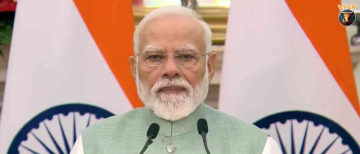
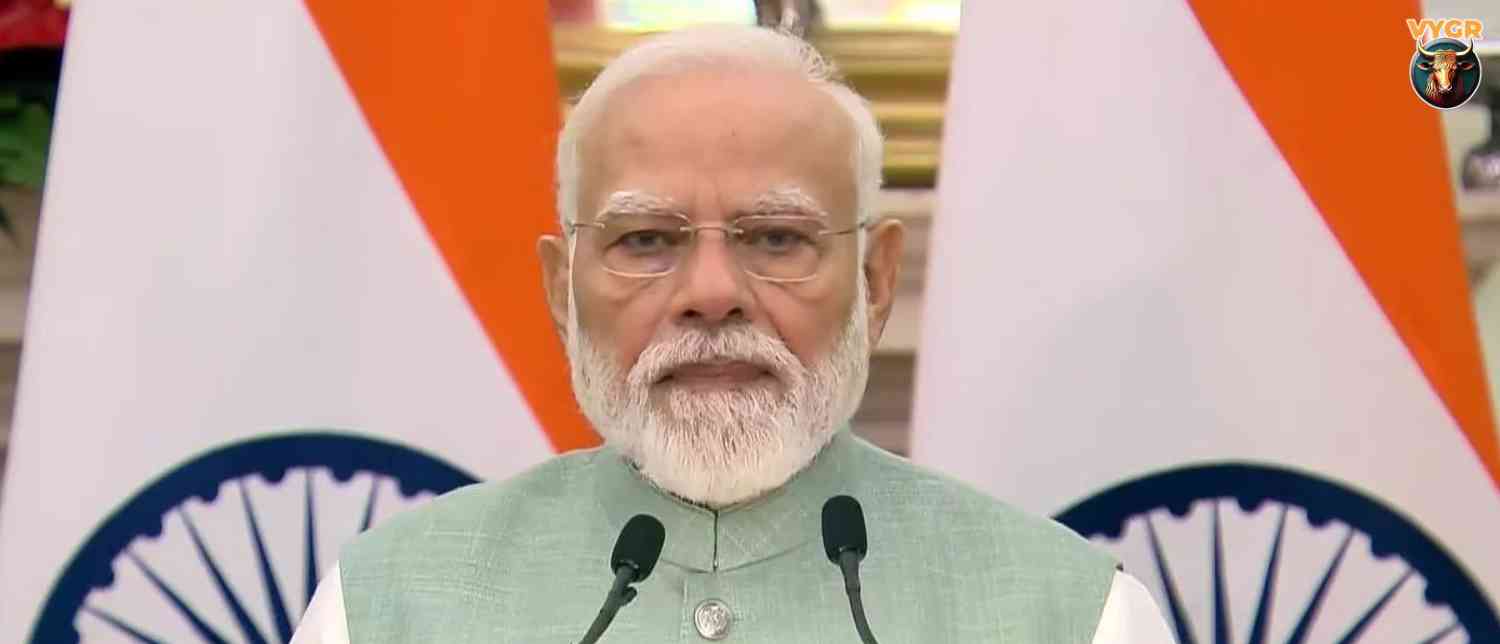
New Delhi: It was a speech with two messages that pull in different directions. On Thursday, Prime Minister Narendra Modi told an agriculture conference in Delhi that his government had gone to great lengths to keep chemical fertilisers affordable. Then he asked whether India’s farms were paying a price for all that chemistry.
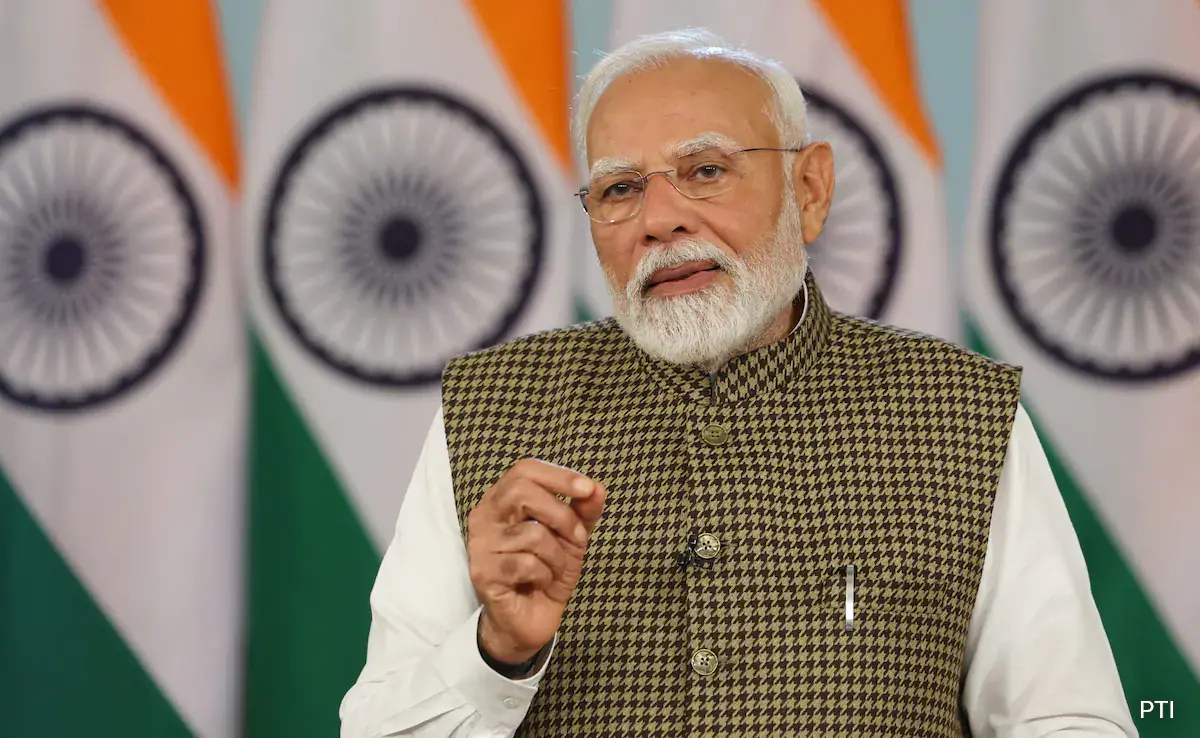
What the Prime Minister said
Modi said the country had spent Rs 16 lakh crore over the past 12 years to make fertilisers affordable for farmers. He said the support had shielded farmers from rising global input costs, particularly as conflicts involving Iran and the wider Gulf region pushed prices up. As an example, he said a bag of DAP that would cost about Rs 5,000 reaches farmers for about Rs 1,300, while urea valued at about Rs 3,000 is sold for less than Rs 300.
He then turned to the other side of the story. Warning against indiscriminate chemical use, he questioned whether current farming practices were damaging Mother Earth, and urged farmers and other agricultural stakeholders to work together to protect soil health and promote natural and organic farming.
He also put his government’s record on the table. Citing a World Bank study, he said about 50 crore Indians had moved out of poverty over the past 12 to 13 years, with rural areas seeing a significant fall. He said agriculture had grown by more than 4% a year on average over the past decade, which he described as unprecedented since Independence.
A message he has been repeating
None of this is new for the Prime Minister. In his 2019 Independence Day address from the Red Fort, he asked farmers to cut their use of chemical fertilisers by 10 to 25 percent, and to move eventually towards stopping their use altogether, saying the way chemicals were being used was destroying the earth. In 2021, addressing a national conclave on natural farming, he argued that farming should be taken out of the chemistry lab and connected with nature’s own laboratory.
Last November, at a natural farming summit in Coimbatore, he asked farmers to try natural farming on one acre for one season, and described India as heading towards becoming a global hub for the practice. The government says its National Mission on Natural Farming, launched about a year earlier, has already connected lakhs of farmers.
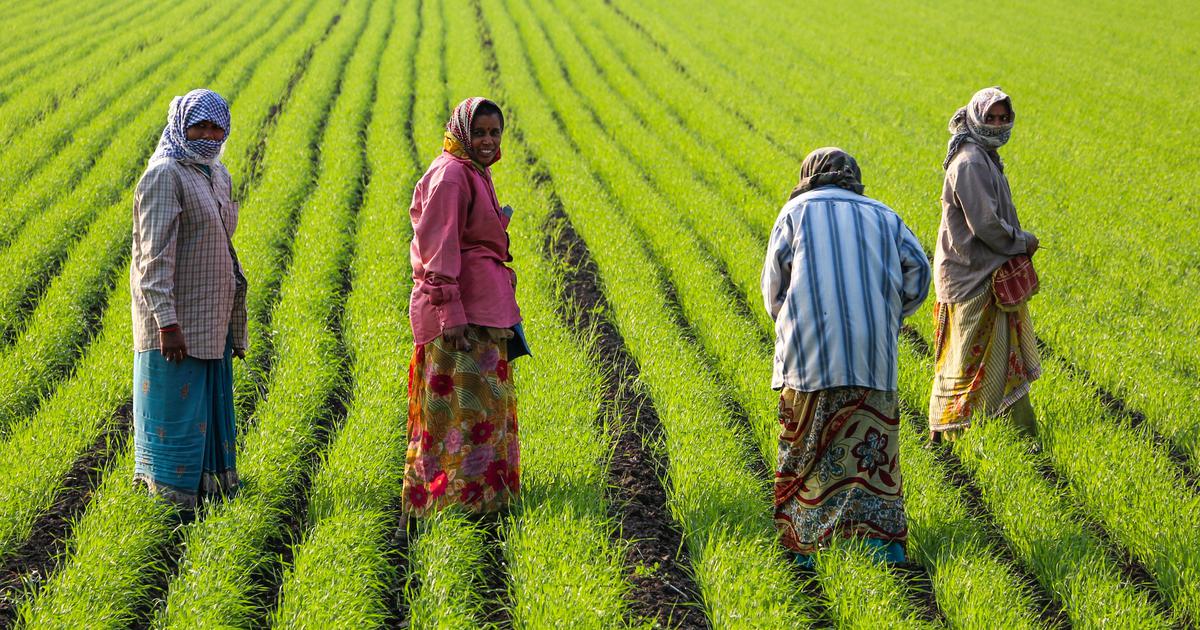
Natural farming and organic farming: not the same thing
The two terms are often used as if they mean the same thing, but they do not. Organic farming generally refers to certified production without synthetic chemicals, and it can involve buying organic inputs such as compost or bio-fertilisers. Natural farming, as promoted by the government, goes further in one direction: it aims to avoid purchased inputs altogether, relying on farm-made preparations, mulching, crop residues and livestock integration such as cow dung and urine-based formulations. The idea is to cut costs as well as chemicals.
That distinction matters for small farmers. The government argues that natural farming lowers the cash a farmer has to spend each season, and says farmers reported yields similar to those from conventional farming. Independent scientists have debated how well that holds across crops, soils and regions, and the evidence is still being gathered.
The tension in the policy
The speech also highlights a challenge the government has to manage. India’s food security rests on high-yield farming that depends heavily on chemical fertilisers, and heavy subsidies keep those fertilisers cheap. Farmers have little financial reason to use less of an input that costs a fraction of its market price. At the same time, the government is asking them to cut back for the sake of soil health.
There is also a cautionary example that critics often cite. In 2021, Sri Lanka abruptly banned chemical fertiliser imports in a bid to go organic, and the country’s farm output fell sharply before the ban was reversed. Supporters of natural farming say India’s approach is deliberately gradual and voluntary, which is a very different thing from a ban, and that is how the government has presented it.
What to watch
The questions that will shape this debate are practical ones. How many farmers actually adopt natural farming and stay with it after a few seasons? What happens to yields and incomes on larger holdings? And does the government begin to shift subsidy support towards soil health and alternative inputs, or does the fertiliser subsidy bill continue to rise? The Prime Minister’s words point in one direction. The budget numbers will show whether policy follows.
© Copyright 2026. All Rights Reserved. Powered by Vygr Media.