 By
By 
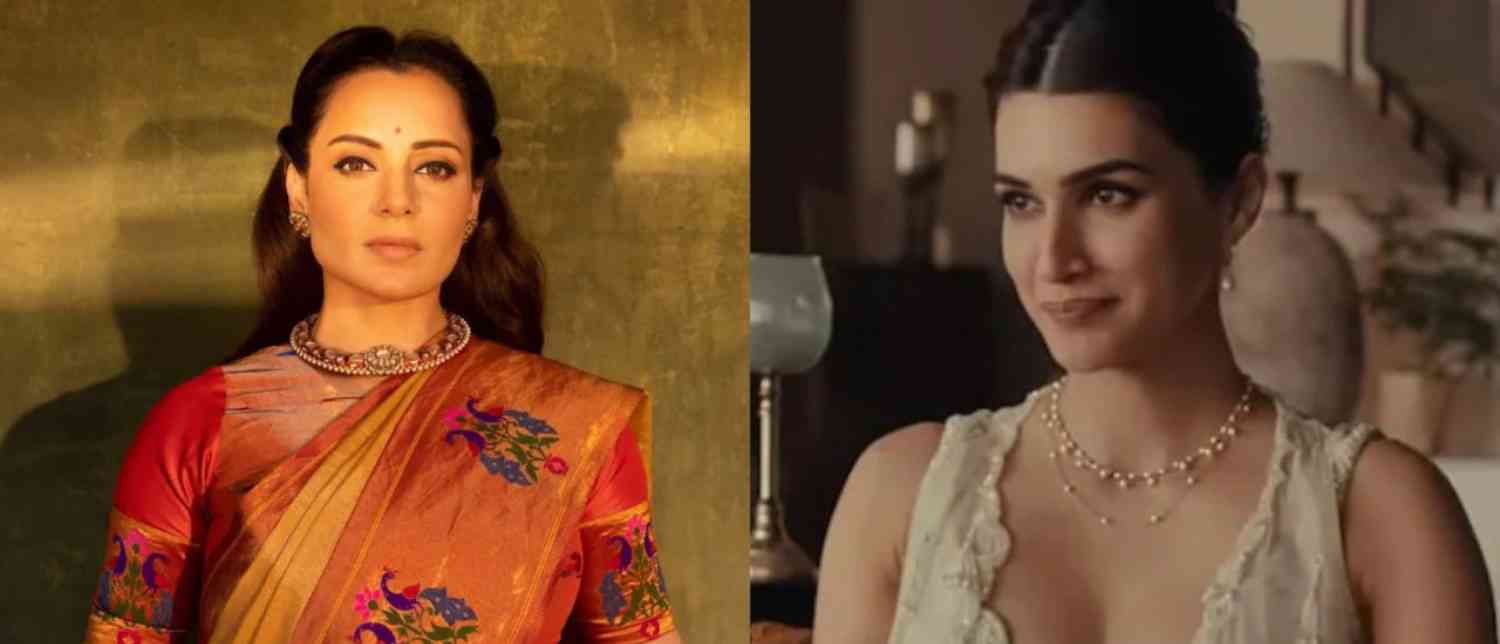
A Raksha Bandhan advertisement featuring Kriti Sanon has snowballed into a wider debate over women’s clothing, cultural traditions, personal freedom and the growing influence of social media on advertising. What began as a festive jewellery campaign quickly drew criticism over Sanon’s outfit, her decision to tie a rakhi to a pet dog and the way the festival was portrayed. The controversy intensified after actor and BJP MP Kangana Ranaut criticised the campaign, prompting a strong response from Sanon.
The dispute then moved beyond Bollywood and advertising. Congress leader Rahul Gandhi publicly backed Sanon and urged people to stop trolling women for exercising their freedom. Meanwhile, the jewellery brand at the centre of the controversy eventually withdrew the advertisement from all media, saying it respected Indian culture and did not intend to hurt anyone’s sentiments.
The episode has since become more than a debate over one advertisement. It raises a bigger question for brands operating in the age of social media: who gets to decide what a campaign means after it reaches the public?
What happened in Kriti Sanon’s Raksha Bandhan advertisement?
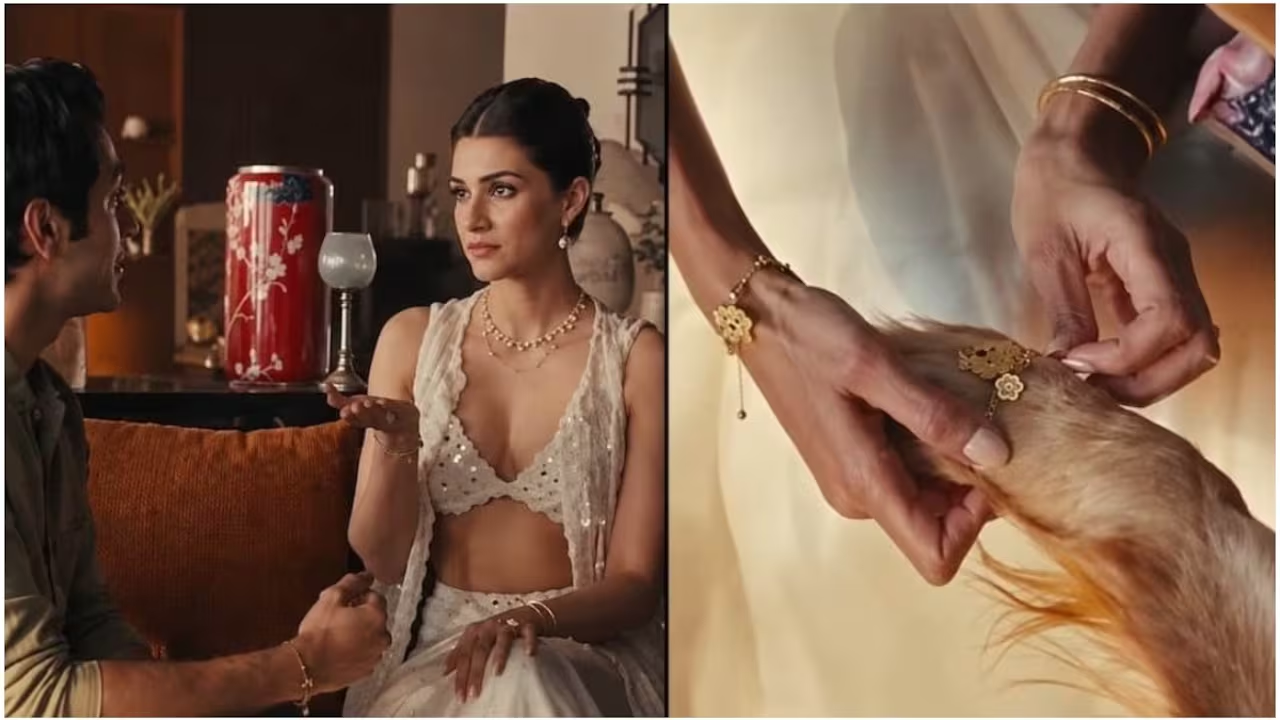
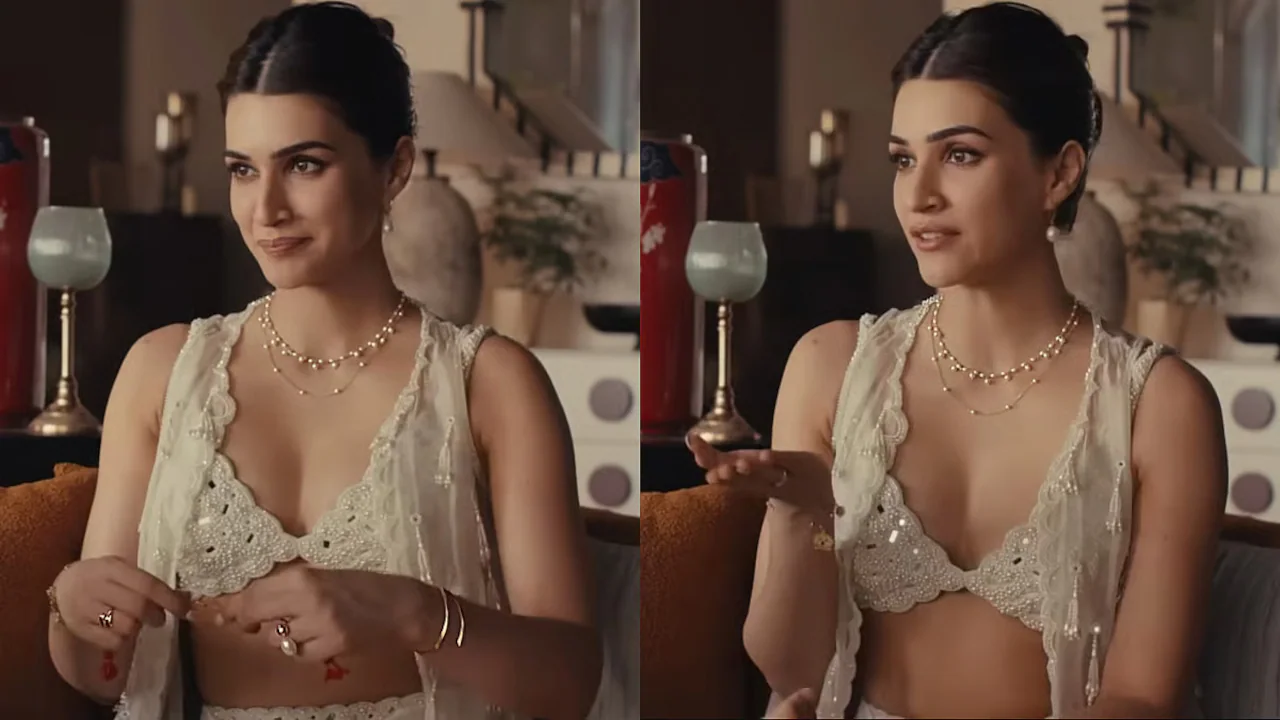
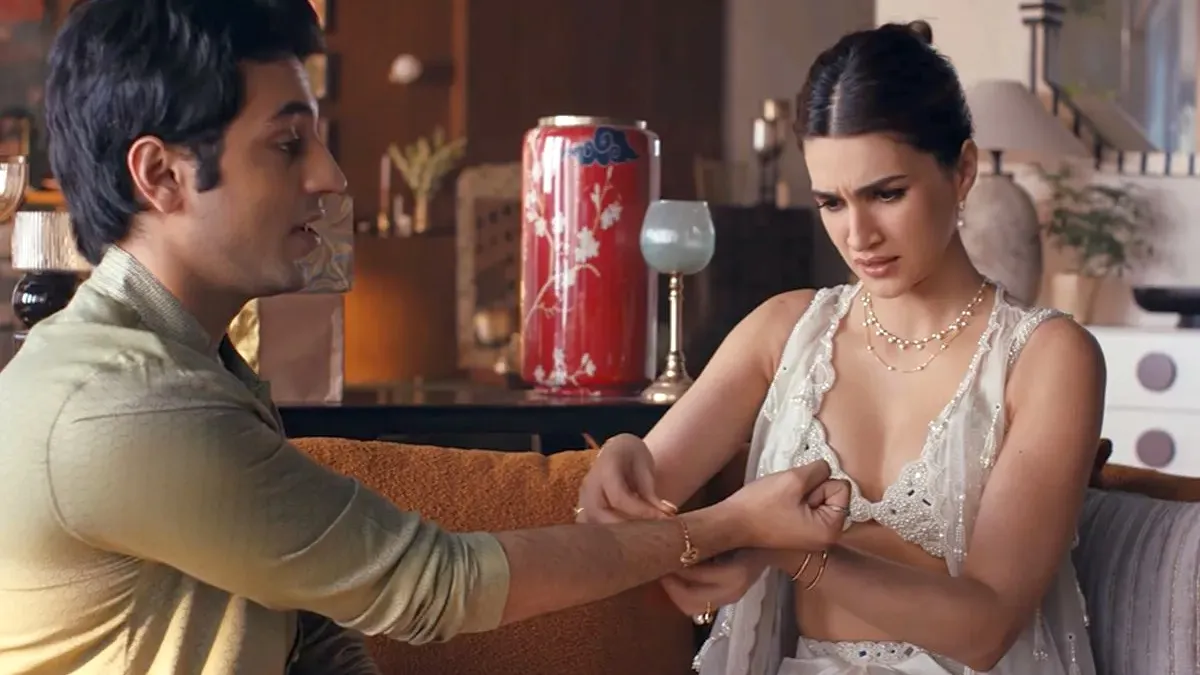
The advertisement was created around Raksha Bandhan and was intended to promote festive jewellery as well as a pet-rakhi collection. In the short film, Sanon is seen celebrating the festival with her family. She wears an ivory bralette-style blouse with a cape and a draped skirt while tying a rakhi to her brother.
The advertisement also extended the idea of Raksha Bandhan to pets. Sanon is shown tying a rakhi to a dog, reflecting the increasingly common idea of pets being considered part of the family.
The concept itself was relatively straightforward: Raksha Bandhan is about affection, protection and family bonds, and those bonds can extend beyond conventional definitions of family. But the styling and presentation quickly overshadowed the jewellery being advertised.
A section of social media users objected to Sanon’s outfit, arguing that it was inappropriate for a festival associated with traditional family values. Others questioned the decision to include a dog in the ritual. The criticism gained momentum online, turning what was meant to be a festive commercial into a heated cultural debate.
Kangana Ranaut’s criticism adds fuel to the controversy
The controversy took a sharper turn when Kangana Ranaut weighed in on the advertisement.
Ranaut questioned why Sanon would choose what she described as a bikini or undergarment-like outfit while tying a rakhi to her brother. She argued that modern women have a wide range of clothing choices, including both contemporary and traditional styles, and questioned the decision to use this particular look for a Raksha Bandhan campaign.
She also described the advertisement as “intentionally creepy,” a comment that quickly intensified the discussion surrounding the campaign.
The criticism was particularly significant because it transformed an already active social media debate into a clash between two prominent actors with very different public personas and political associations.
However, Sanon did not allow the conversation to remain solely about her clothes.
Kriti Sanon asks: When will women stop being told what to wear?
Sanon responded to the backlash through an Instagram Story, challenging the idea that a woman’s clothing should determine how much she respects Indian culture or a festival.
Her central argument was that festivals derive their meaning from the emotions and traditions attached to them rather than from a particular style of clothing.
Sanon also questioned the continued tendency to police women’s appearance, particularly when cultural traditions are involved. She argued that ethnic fashion itself has evolved over time and that cultural values should not be reduced to a woman’s neckline or outfit.
Her response also addressed criticism of the dog featured in the advertisement.
Sanon explained that Raksha Bandhan, for her and her sister, represents a bond of protection. She said the sisters tie rakhis to one another and believe they can protect each other just as a brother can. The wishes for health, happiness and long life, she added, extend to their dogs because they consider them family.
That explanation offered an important insight into what the advertisement appears to have attempted: updating a familiar festival narrative to reflect a more contemporary understanding of family.
Whether audiences accepted that interpretation was another matter.
Nupur Sanon joins the debate
Kriti Sanon’s sister, Nupur Sanon, also came to her defence.
Nupur shared Kriti’s response and questioned why anyone else should object to the actor’s clothing when the person on the receiving end of the rakhi had no issue with it. Her message also echoed the broader argument that women should not constantly be subjected to scrutiny over their clothing.
The response further shifted the controversy from a question about advertising aesthetics to one about personal agency.
At that point, the debate was no longer simply about whether a particular outfit was appropriate for Raksha Bandhan. It had become a familiar social media argument over who has the authority to define cultural appropriateness and how much control women should have over their own appearance.
Rahul Gandhi backs Kriti Sanon
The controversy subsequently acquired a political dimension when Rahul Gandhi came out in support of Sanon.
Sharing her response on Instagram Stories, Gandhi argued that what a woman wears, what she does and where she goes should remain her choice. He also urged people to stop trolling women for exercising that freedom and used the hashtag #SmashThePatriarchy.
Gandhi’s intervention ensured that the controversy moved well beyond entertainment circles.
A celebrity advertisement had now brought together Bollywood personalities, political figures, social media users and discussions around feminism and cultural identity. The competing arguments were no longer limited to fashion. They reflected a broader tension between traditional expectations and changing ideas about how festivals can be represented in contemporary India.
For Sanon, the argument was fundamentally about agency. For critics, the concern centred on whether an advertisement celebrating a traditional festival should use styling they considered inconsistent with the occasion.
Both interpretations became part of the public conversation.
Why did GIVA remove the Raksha Bandhan advertisement?
Amid the growing backlash, GIVA withdrew the advertisement from all media.
In its public statement, the brand said it had the highest regard for Indian culture, traditions and festivals. It explained that the campaign had been intended to celebrate family and, this time, extend that celebration to pets as well.
The brand acknowledged that the advertisement may have inadvertently hurt the sentiments of some sections of society and said that this was never its intention. It subsequently decided to withdraw the commercial “out of respect.”
The timing of the withdrawal was noteworthy.
Sanon had defended the campaign and its underlying message, but the brand ultimately chose to remove the advertisement. That created an unusual dynamic in which the celebrity associated with the campaign stood by the creative idea while the advertiser stepped away from it.
The decision may have been driven by straightforward brand-risk considerations. Once a festive campaign becomes the centre of sustained online outrage, companies have to weigh creative intent against reputational concerns, customer reactions and the possibility of a controversy spreading beyond social media.
The bigger issue: Has social media become advertising’s final editor?
The Kriti Sanon controversy illustrates how dramatically advertising has changed.
Traditionally, a campaign passed through a relatively controlled chain. A brand approved the idea, creative teams produced it, a celebrity represented it and the finished advertisement was distributed to consumers. The audience could respond positively or negatively, but the creative process largely ended once the campaign was released.
Social media has disrupted that model.
Today, an advertisement can be dissected within minutes. A single screenshot can become a viral post. A styling decision can become the central topic of discussion. Hashtags can turn criticism into a larger movement, while celebrities and political figures can amplify the debate to audiences far beyond the brand’s original target market.
The result is a new form of consumer influence in which online audiences can effectively demand changes to advertising after publication.
The GIVA controversy is particularly revealing because the campaign's original purpose became almost irrelevant once the backlash gathered pace. Instead of discussing the jewellery or the festive collection, the public conversation revolved around Sanon’s clothing, the representation of Raksha Bandhan, pets, feminism and cultural values.
That creates a difficult challenge for advertisers.
Brands want campaigns that attract attention, but attention is not always predictable. A creative decision intended to signal modernity or inclusivity can be interpreted very differently by different sections of the audience.
Where does cultural representation end and policing begin?
At the heart of the controversy is an uncomfortable question: can a festival remain culturally meaningful while its visual representation changes?
Indian festivals have never existed in a cultural vacuum. Clothing, rituals and social practices evolve across generations. What one generation considers conventional can look different to another.
Sanon’s defence rests on this idea. Her argument is that cultural respect is rooted in emotion, belief and personal connection rather than a fixed dress code.
Critics, meanwhile, argue that visual context matters. A brand using a festival as the setting for an advertisement is not simply depicting an individual’s private celebration. It is creating a public commercial representation of that festival, and audiences are entitled to question whether the imagery fits the occasion.
The disagreement is therefore unlikely to disappear simply because one advertisement has been withdrawn.
It reflects a larger cultural negotiation taking place in India, where traditional festivals are increasingly being represented through contemporary fashion, advertising and digital media.
The irony of an advertisement disappearing but the controversy remaining
From a marketing perspective, the campaign’s removal may have ended its official run, but it has not erased the controversy.
Screenshots, reposts and discussions remain online. The advertisement has already become associated with the debate surrounding it, perhaps more strongly than with the jewellery it was designed to promote.
That is the paradox of outrage-driven visibility.
A controversial advertisement can generate enormous attention without necessarily generating the kind of attention a brand wants. Awareness is not automatically positive brand equity. A campaign may become widely discussed while its product message gets lost completely.
The episode also highlights the increasingly complicated relationship between celebrities and brands.
When a celebrity fronts a campaign, audiences often associate the creative choices with that individual even though the brand, agency and production team are involved behind the scenes. If controversy emerges, the celebrity may face direct personal criticism while the company retains the power to withdraw the campaign.
In this case, Sanon publicly defended the message, while the brand eventually removed the advertisement.
That raises an important question for future celebrity endorsements: how much creative ownership does a celebrity really have, and how much responsibility should a brand accept for choices it approved?
What the Kriti Sanon Rakhi ad controversy tells us about modern advertising
The controversy surrounding Kriti Sanon’s Raksha Bandhan advertisement is unlikely to be remembered simply as another celebrity social media spat.
It has brought several larger issues into focus: the policing of women’s clothing, changing interpretations of cultural traditions, the role of pets in modern families, celebrity influence, political intervention and the power of online outrage.
Most importantly, it demonstrates that brands no longer have complete control over the life of an advertisement once it enters the public domain.
A campaign can begin with one message and acquire an entirely different meaning through social media. The brand may intend to sell jewellery; the audience may decide to debate culture. A celebrity may defend creative freedom; a political leader may enter the conversation; and the company may ultimately decide that withdrawing the advertisement is the safest course.
That is precisely what happened here.
The GIVA advertisement may have disappeared from official platforms, but the questions it triggered remain. Can a woman’s clothes determine whether she respects a festival? Who decides what constitutes appropriate cultural representation? Should brands stand by controversial creative choices or respond to public pressure? And when does legitimate consumer criticism become an attempt to control creative expression?
There are no easy answers.
What is clear, however, is that the age when brands could release an advertisement and simply move on is fading. In today’s digital environment, every campaign is also an invitation to public interpretation — and sometimes, to public intervention.
For Kriti Sanon, the controversy became an argument about choice and the right to define her own relationship with tradition. For GIVA, it became a lesson in the risks of navigating cultural conversations during the social-media age.
And for the advertising industry, it offered a particularly stark reminder: once a campaign goes live, the brand may own the advertisement, but it no longer owns the conversation.
With input from agencies
Image Source: Multiple agencies
© Copyright 2026. All Rights Reserved. Powered by Vygr Media.