
 By
By 
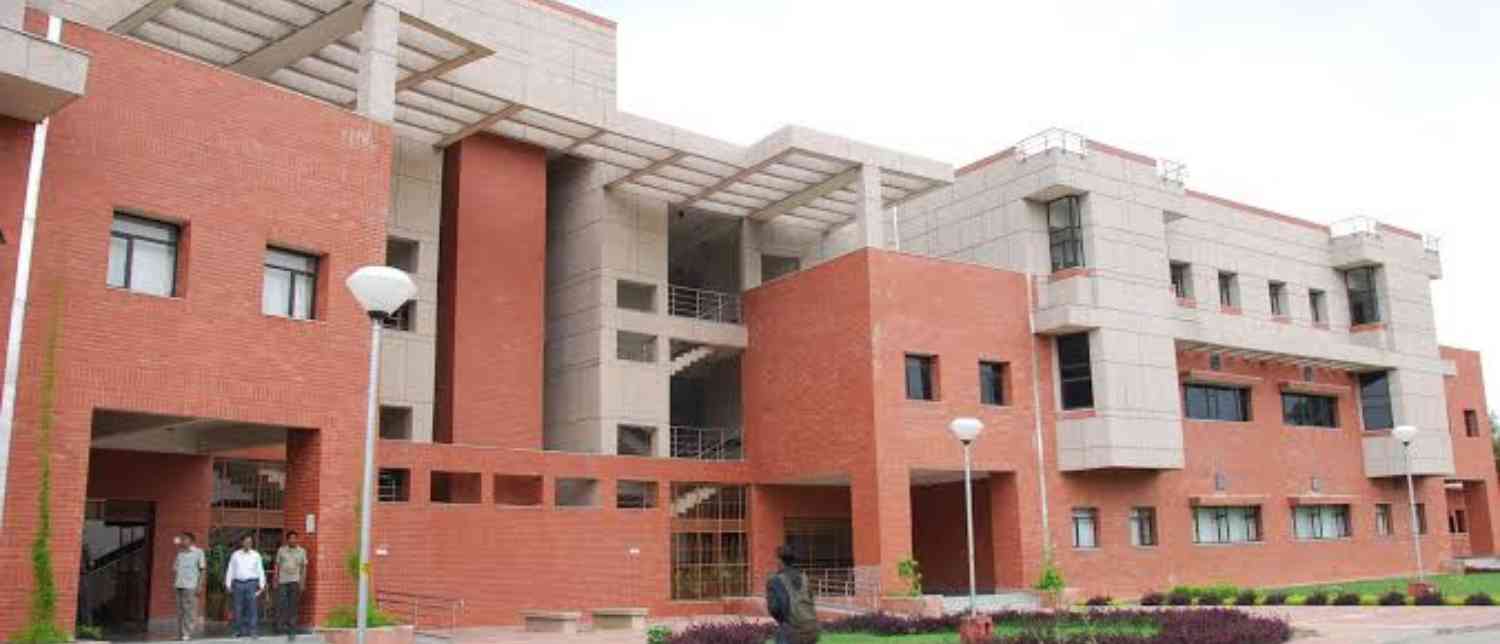
In an extraordinary turn of events, a student who allegedly hacked the websites of IIT Kanpur and IIT Madras after being denied admission to a newly launched cybersecurity programme may now be offered a second opportunity—not through legal proceedings, but by proving his skills in a formal technical assessment.
The case has sparked a nationwide debate on cybersecurity talent, unconventional recruitment, ethical hacking, and whether India's premier educational institutions should rethink how they identify exceptional technical abilities.
A Rejection That Led to a Cybersecurity Breach
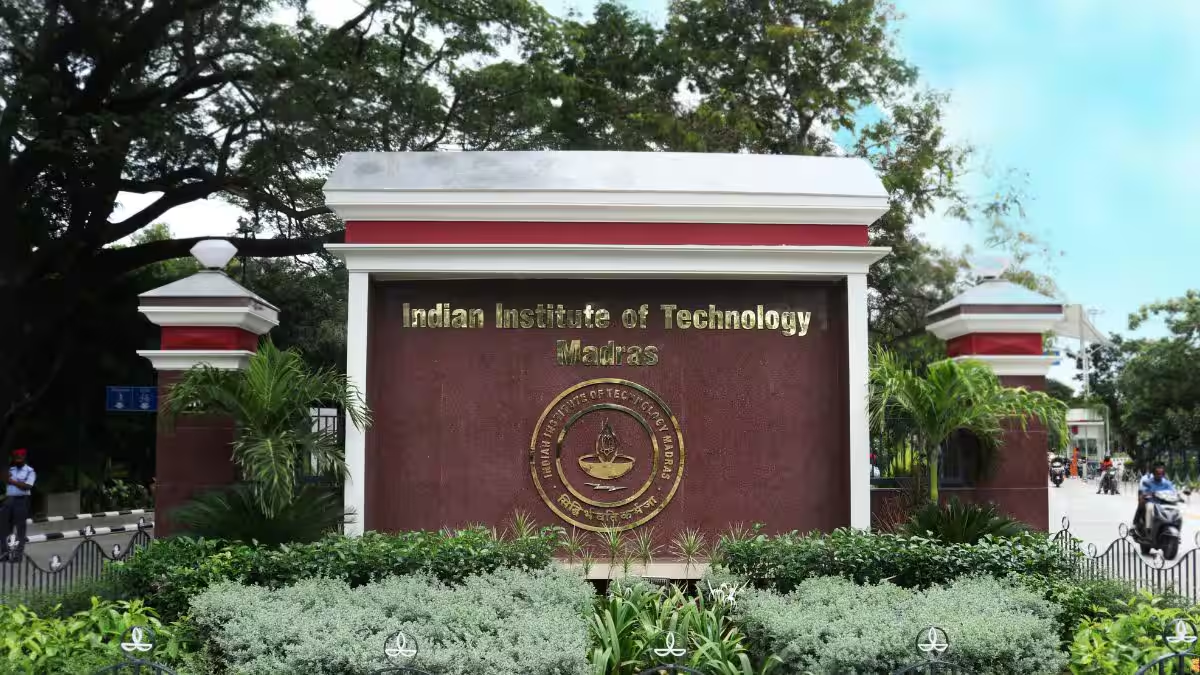
The controversy began after the student claimed on social media that he had successfully breached sections of the websites of IIT Kanpur and IIT Madras after being denied admission to IIT Kanpur's newly introduced Bachelor of Cyber Security programme.
According to his posts, he had completed the admission process, paid the application fee, uploaded all necessary documents, and even submitted evidence of his cybersecurity projects. However, he was not shortlisted for the next stage of the admission process, which reportedly involved participation in a hackathon. Feeling overlooked despite years of self-learning, he decided to demonstrate his technical capabilities in the most dramatic way possible.
The student allegedly left a message on the compromised websites that read:
"Site is hacked. All I need is just a fair chance."
Screenshots of the alleged breach quickly went viral on X and Reddit, triggering widespread discussions within India's cybersecurity community.
"I Never Intended to Cause Harm"
In his online posts, the student maintained that his objective was never to damage institutional infrastructure or steal sensitive data.
Instead, he claimed the breach was meant to demonstrate his practical cybersecurity skills after years of being judged primarily through conventional academic metrics. According to his statements, he had been coding since the age of 13 and devoted countless hours to learning ethical hacking, often at the expense of preparing for mainstream engineering entrance examinations.
He argued that aspiring cybersecurity professionals are often pressured to prioritise exams over developing practical security expertise, leaving many talented individuals without the opportunity to showcase their real-world capabilities.
IIT Kanpur Confirms the Incident
IIT Kanpur Director Prof. Manindra Agrawal confirmed that the student had indeed gained access to certain sections of the websites of IIT Kanpur and IIT Madras.
However, instead of immediately pursuing criminal action, the institute adopted a measured approach.
Speaking about the incident, Prof. Agrawal explained that the student had not been shortlisted during the admission process because he lacked the prior cybersecurity experience required under the programme's evaluation criteria.
Since admissions for the current academic session have already concluded, the institute cannot grant him admission this year. Nevertheless, IIT Kanpur has indicated that it is willing to invite the student for an independent technical assessment of his cybersecurity skills. If he demonstrates genuine competence, the institute may consider offering him an opportunity during the next admission cycle.
Skill Assessment Instead of an FIR
One of the most remarkable aspects of the case is IIT Kanpur's decision to prioritise evaluation over prosecution.
Rather than immediately filing a First Information Report (FIR), the institute is reportedly exploring whether the student's abilities can be channelled constructively.
Officials have emphasised that while unauthorised access to institutional systems is a serious matter and cannot be condoned, identifying genuine cybersecurity talent is equally important. The institute's proposed assessment seeks to distinguish technical capability from unlawful conduct while reinforcing that ethical standards remain essential in cybersecurity.
The approach has drawn significant attention from cybersecurity professionals, many of whom believe that ethical hacking skills, when nurtured responsibly, can become valuable national assets.
A New Cybersecurity Programme at the Centre of the Debate
The incident has also brought IIT Kanpur's newly launched Bachelor of Cyber Security programme into the spotlight.
The programme is designed to produce professionals capable of addressing increasingly sophisticated cyber threats affecting governments, businesses and critical digital infrastructure. Unlike conventional computer science programmes, cybersecurity education places strong emphasis on practical penetration testing, vulnerability assessment, secure software development and digital defence.
Ironically, the controversy itself has highlighted the growing demand for precisely the kind of hands-on cybersecurity expertise the programme seeks to cultivate.
Divided Public Opinion
The story has generated polarised reactions across social media.
Many users praised IIT Kanpur's balanced response, arguing that the student's demonstrated technical ability deserves recognition, provided he is guided towards ethical cybersecurity practices. Several cybersecurity experts observed that many globally recognised security researchers began by identifying vulnerabilities before eventually working with organisations to strengthen digital defences.
Others, however, cautioned against romanticising illegal system intrusions. They argued that regardless of intent, unauthorised access to institutional websites violates legal and ethical boundaries. Rewarding such behaviour without accountability, critics say, could send an inappropriate message to aspiring hackers.
The case has therefore evolved beyond a simple admission dispute into a larger conversation about how institutions should distinguish malicious cybercrime from exceptional technical talent.
Ethics Remain Central to Cybersecurity
Cybersecurity experts have repeatedly stressed that ethical hacking operates within clearly defined legal frameworks.
Authorised penetration testers receive explicit permission before attempting to identify vulnerabilities. By contrast, accessing computer systems without consent—even if no data is damaged—can constitute an offence under Indian cyber laws.
The student's case illustrates the fine line separating technical brilliance from legal liability. While IIT Kanpur's willingness to evaluate his abilities has been widely appreciated, experts note that ethical responsibility is an inseparable component of professional cybersecurity practice.
A Rare Opportunity for Redemption
For the student, the institute's decision represents an unexpected opportunity.
Instead of facing immediate legal consequences, he may now be able to demonstrate his skills through a legitimate evaluation process. If successful, he could receive another opportunity to pursue formal education in cybersecurity in a future admissions cycle.
For IIT Kanpur, the episode presents an opportunity to showcase a nuanced approach—one that neither ignores a security breach nor overlooks exceptional technical ability.
The incident has already become one of the most discussed education and cybersecurity stories of the year, highlighting broader questions about admissions, talent identification and the evolving nature of technical education in India.
Whether the student ultimately secures admission remains uncertain. What is clear, however, is that his actions have triggered an important national conversation about how educational institutions should recognise unconventional talent while firmly upholding legal and ethical standards.
As cyber threats continue to grow in complexity, India's future cybersecurity workforce will require not only technical excellence but also a strong commitment to responsible disclosure, ethical conduct and lawful innovation. IIT Kanpur's response suggests that both dimensions can—and perhaps must—be considered together.
With input from agencies
Image Source: Multiple agencies
© Copyright 2026. All Rights Reserved. Powered by Vygr Media.