 By
By 
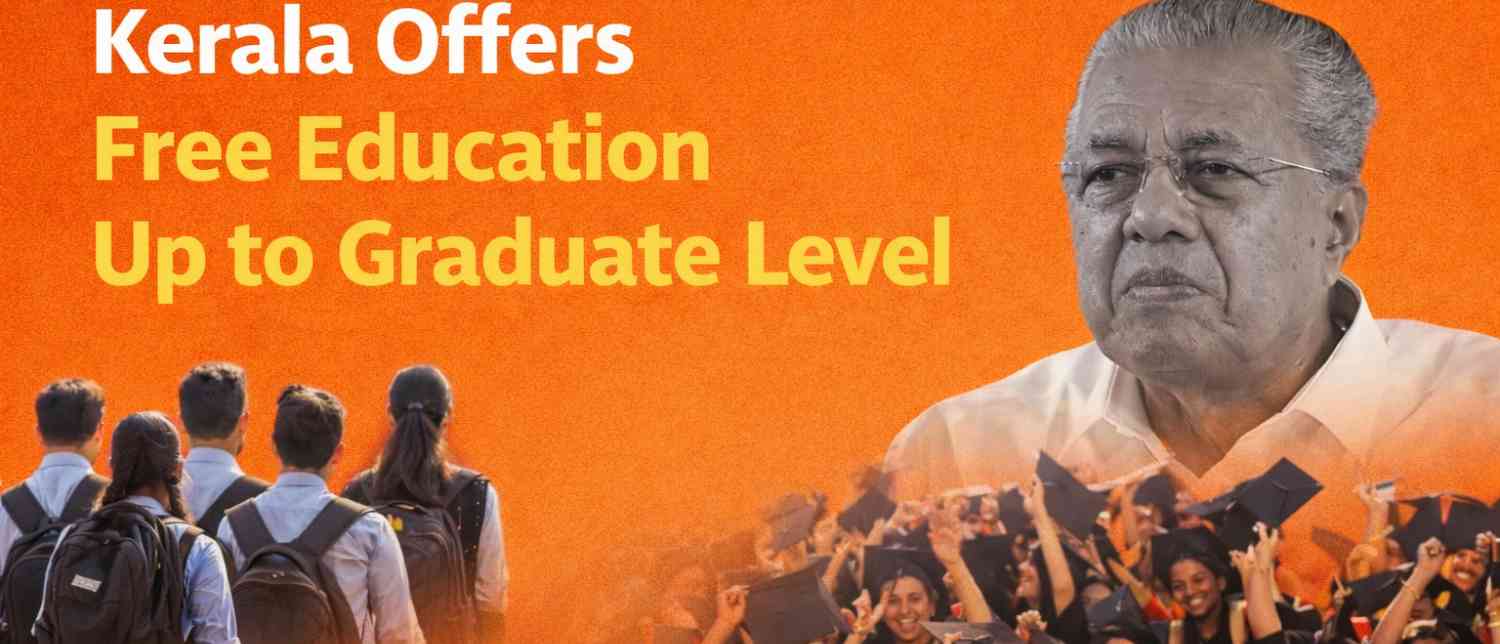
Kerala has taken a landmark step in reshaping its education landscape by extending free education beyond Class 12, making undergraduate studies in Arts and Science colleges free of cost. Announced as part of the Kerala Budget on January 29 by Finance Minister K.N. Balagopal, the move represents a major expansion of the State’s long-standing education policy and reinforces Kerala’s commitment to social equity, human capital development, and inclusive growth.
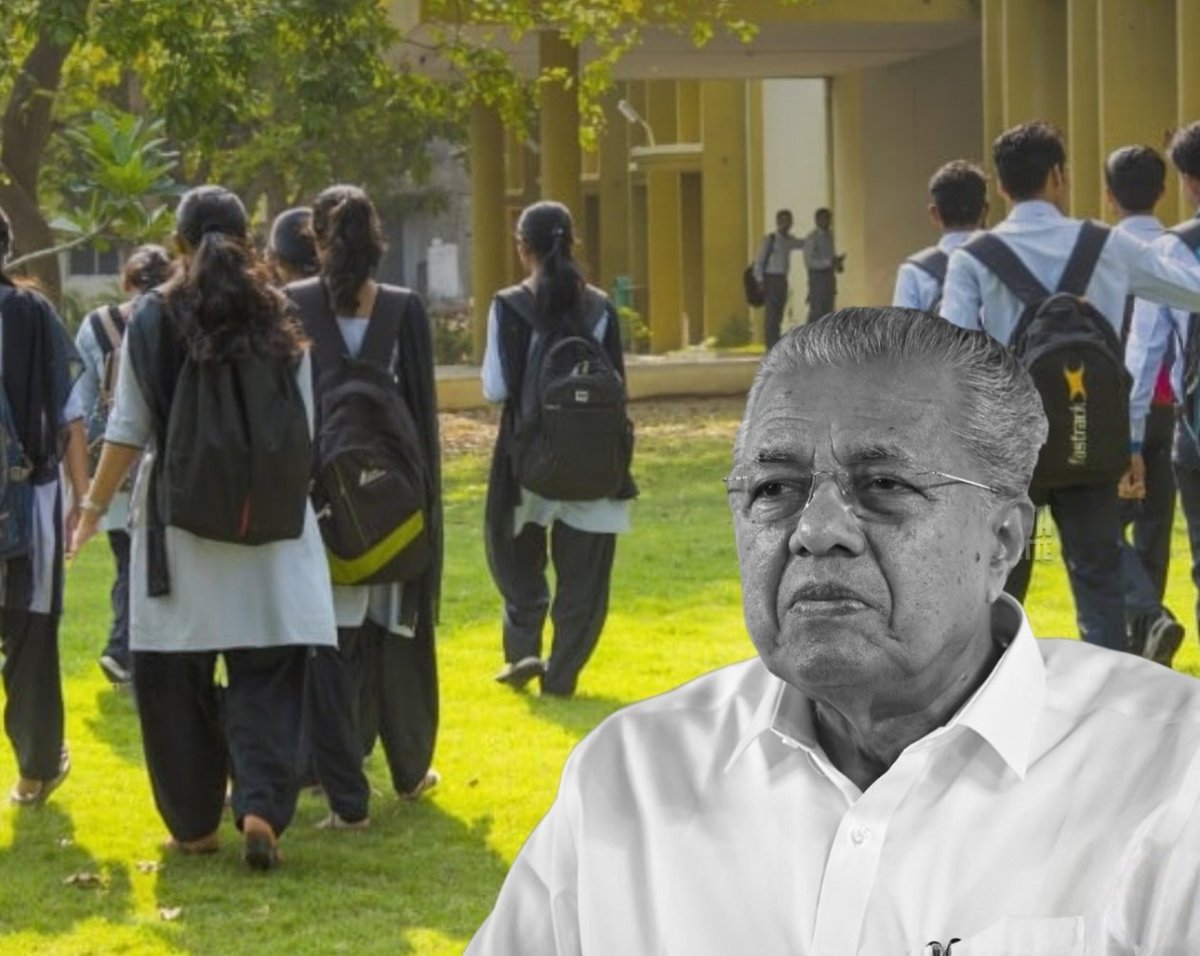
Until now, free education in Kerala was limited to the Plus Two (Class 12) level. With this reform, students pursuing degree programmes at the undergraduate level—particularly in Arts and Science streams—will receive education without tuition fees in government and government-aided colleges. The initiative is expected to significantly reduce financial barriers that often prevent students, especially those from economically weaker sections, from continuing their studies after school.
A Major Shift in Kerala’s Education Policy
The decision to extend free education to the graduate level marks a clear departure from earlier policy frameworks. Kerala has historically been recognised for its strong public education system and high literacy rates, but the cost of higher education remained a concern for many families once students completed higher secondary schooling.
By removing tuition costs at the degree level, the government aims to improve enrolment in colleges and ensure that financial limitations do not stand in the way of academic aspirations. Speaking at a post-Budget press conference, Finance Minister K.N. Balagopal clarified that the reform will be implemented across government and government-aided colleges. He also noted that the government is still assessing the exact revenue it would forgo as part of this initiative.
Despite the financial implications, state authorities have underlined that the long-term benefits—both economic and social—far outweigh the immediate fiscal cost. The policy aligns closely with Kerala’s broader development goals, which place a strong emphasis on education, skill development, and workforce readiness.
Addressing Student Migration and Financial Outflow
One of the key concerns highlighted in the Budget was the growing trend of students leaving Kerala—or even the country—for higher education and skill training. According to government estimates, this trend results in an annual financial outflow of nearly ₹8,000 crore.
This outflow not only impacts the state’s economy but also reflects gaps in the availability of advanced, industry-relevant educational opportunities within Kerala. By expanding free education and investing in new academic and skill-development institutions, the government aims to reverse this trend and retain talent within the state.
Officials believe that reducing the cost burden of higher education will encourage more students to pursue undergraduate degrees locally, thereby strengthening Kerala’s higher education ecosystem and contributing to long-term economic growth.
Proposal for a ‘Global School’ in Kerala
To further address the challenges of student migration and evolving skill demands, the Budget proposes the establishment of a ‘Global School’ in Kerala. This institution is envisioned as a future-oriented academic centre with a strong focus on:
-
State-of-the-art and emerging technologies
-
Vocational education and skill development
-
Techno-economics
-
Future technologies aligned with global industry trends
The Global School aims to bridge the gap between academic learning and industry needs, equipping students with practical, job-ready skills. An allocation of ₹10 crore has been earmarked as the State’s share for the primary activities of this ambitious project.
By introducing globally relevant curricula and advanced training programmes, the government hopes to make Kerala a more attractive destination for higher education and professional skill development.
Strengthening Research and Local Governance Linkages
Another notable proposal in the Budget focuses on strengthening the linkage between higher education research institutions and local self-government bodies. The objective is to improve the technical expertise available for developmental projects at the grassroots level.
Under this initiative, an allocation of ₹10 crore per year has been made to each District Planning Committee. This funding will support collaboration between academic institutions and local authorities, ensuring that research and technical knowledge contribute directly to regional development and governance.
Public Hostel Scheme to Improve Access to Education
Recognising that accommodation costs can be a major barrier to education—especially for students from rural or economically weaker backgrounds—the Kerala government has announced a public hostel scheme.
The scheme will initially be implemented in Ernakulam, Thrissur, and Kozhikode in the first phase. It is designed to support students studying in government colleges by providing affordable and accessible accommodation. An allocation of ₹10 crore has been made for the preliminary activities of the project.
By addressing housing challenges, the government aims to ensure that students are not forced to abandon higher education due to logistical or financial constraints.
Enhanced Support for Research Scholars and Students
The Budget places strong emphasis on student welfare and academic excellence by significantly strengthening support schemes for higher education.
One of the most impactful measures is the introduction of a monthly grant for full-time PhD scholars. Under the revised scheme, research scholars registered in universities and other higher education institutions—who are not receiving any other fellowship—will now receive ₹15,000 per month.
In total, an allocation of ₹38.76 crore has been made for scholarships and fellowships. This includes funding for initiatives such as:
-
The Chief Minister’s Student Excellence Award
-
The Kerala Research Fellowship
These measures are expected to encourage more students to pursue advanced research and contribute to Kerala’s growing academic and innovation ecosystem.
Strong Performance of Kerala’s Higher Education Institutions
Highlighting the progress made since 2016–17, the Budget notes that Kerala’s higher education institutions (HEIs) continue to perform strongly at the national level. The state has consistently ranked well in academic standards, research output, and institutional quality.
To build on this progress, an allocation of ₹851.46 crore has been made for implementing the recommendations of the Higher Education Commission and rolling out the four-year undergraduate programme (FYUGP). This allocation represents an increase of ₹67.95 crore, or 8.67%, compared to the previous year.
The FYUGP is expected to modernise undergraduate education by offering greater flexibility, multidisciplinary learning opportunities, and alignment with national and global education frameworks.
Strengthening Universities and Technical Education
In addition to undergraduate reforms, the government has allocated ₹259.09 crore for strengthening university activities under the Higher Education Department. This funding will support academic infrastructure, faculty development, research initiatives, and administrative improvements across universities in the state.
The Technical Education sector has also received significant attention, with an allocation of ₹295 crore. These funds will be used to enhance technical institutions, modernise curricula, and improve skill-based training programmes.
Beyond these allocations, additional funding has been earmarked for:
-
Centres of Excellence
-
Digital university management under the K-REAP initiative
-
Science popularisation programmes
-
Law colleges
-
Skill development initiatives
-
Infrastructure development in government colleges
Together, these investments aim to create a comprehensive and future-ready higher education ecosystem in Kerala.
A Step Towards Inclusive and Sustainable Development
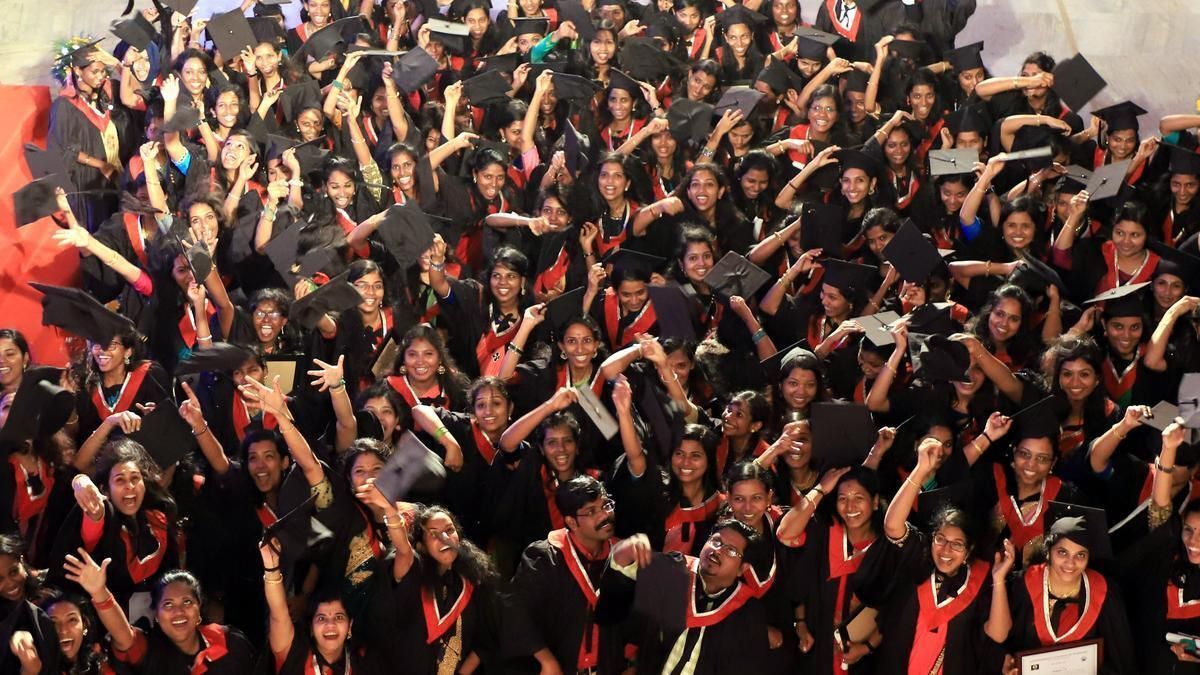
Kerala’s decision to extend free education beyond Class 12 reflects a broader vision that places education at the heart of social and economic development. By easing the financial burden of higher studies, the state hopes to improve access, boost enrolment, and nurture a skilled, knowledgeable workforce.
State authorities have emphasised that the initiative is particularly significant for students from economically weaker sections, for whom the cost of undergraduate education often becomes a decisive barrier. By addressing this challenge head-on, Kerala is reinforcing its reputation as a leader in inclusive education policy.
Further details regarding eligibility criteria, course coverage, and implementation guidelines are expected to be released by the Education Department in the coming months. Students and institutions have been advised to follow official announcements for updates on how the expanded policy will be rolled out across the state.
Conclusion
The extension of free education up to the graduate level marks one of the most transformative reforms in Kerala’s education sector in recent years. Coupled with investments in research, skill development, infrastructure, and student welfare, the policy signals a strong commitment to building a knowledge-driven economy.
As Kerala continues to invest in its youth and academic institutions, the expanded education policy is expected to play a crucial role in reducing inequality, retaining talent, and preparing the state for the challenges of a rapidly changing global economy.
With inputs from agencies
Image Source: Multiple agencies
© Copyright 2025. All Rights Reserved. Powered by Vygr Media.