 By
By 
For millions of Indian families, the National Eligibility cum Entrance Test (NEET) was sold as the great equaliser, a supposedly merit-based system that would allow talent, not privilege, to determine who becomes a doctor. Today, that promise lies shattered.
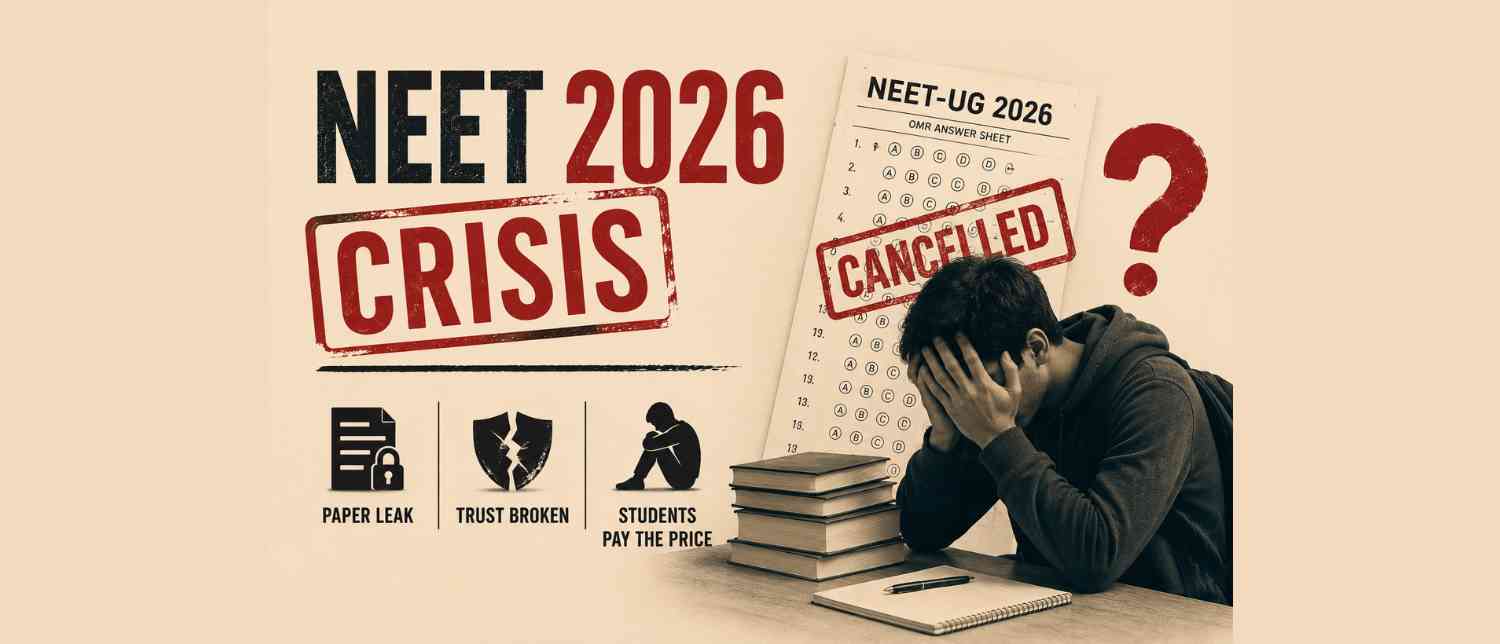
The cancellation of NEET-UG 2026 after allegations of a massive paper leak has triggered outrage, exhaustion, and despair across the country. Nearly 22 to 23 lakh students now find themselves trapped in uncertainty after months and in many cases years of relentless preparation. What should have been a gateway to professional education has instead become a symbol of institutional failure.
The immediate issue is the paper leak itself. But the deeper crisis is far more dangerous: students no longer trust the system that evaluates them.
That loss of trust may ultimately prove more damaging than the leak.
The controversy reveals how NEET has evolved from a competitive exam into what many now describe as a “trauma machine” for India’s youth.
An Exam That Consumes Childhood
To understand why the cancellation has sparked such intense reactions, one must first understand what NEET preparation looks like in India.
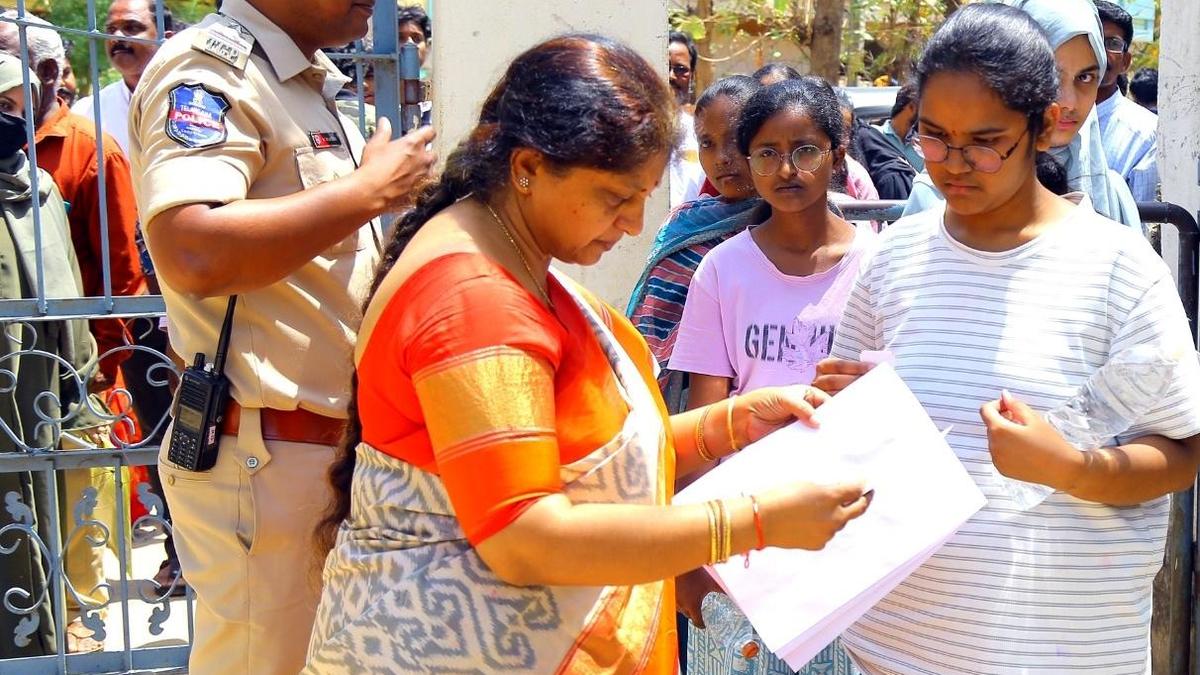
For lakhs of aspirants, NEET is not merely an exam taken in Class 12. It becomes the organising principle of adolescence itself. Students spend years inside coaching ecosystems where daily routines revolve around mock tests, rankings, performance graphs, and psychological pressure. Families invest savings, take loans, relocate cities, and sacrifice comforts in the hope that one child might secure an MBBS seat.
The competition is staggering. More than 22.79 lakh candidates reportedly registered for NEET-UG 2026.
The odds are already brutal before malpractice enters the picture.
This is why the emotional fallout has been so severe. Students interviewed after the cancellation repeatedly spoke of feeling “back to square one.” Others questioned whether hard work has any value at all if organised cheating networks can manipulate outcomes.
Many aspirants now believe the government “does not care” about their future.
That statement should alarm policymakers far beyond the education sector.
A nation cannot afford a generation that associates public institutions with betrayal.
The NTA’s Credibility Crisis
At the centre of this controversy stands the National Testing Agency, an institution created to professionalise and standardise high-stakes entrance examinations.
Instead, the NTA now faces accusations of repeated incompetence.
The NEET-UG 2026 scandal did not emerge in isolation. It followed the massive controversies of 2024, when allegations of paper leaks, inflated marks, grace marking disputes, and irregularities sparked nationwide protests and Supreme Court scrutiny.
Even before that, multiple states had reported cases involving impersonation, dummy candidates, Bluetooth cheating devices, and solver gangs. Rajasthan, Bihar, Uttar Pradesh, and Gujarat have repeatedly surfaced in investigations into examination fraud networks.
The most damaging aspect is not simply that leaks occurred. It is that they occurred despite repeated assurances about “multi-layered security systems.”
Every year, authorities promise reforms. Every year, another scandal emerges.
At some point, students stop believing official statements.
And when trust collapses, even honest examinations become suspect.
That is precisely where India now stands.
The Cancellation Was Necessary But Still Cruel
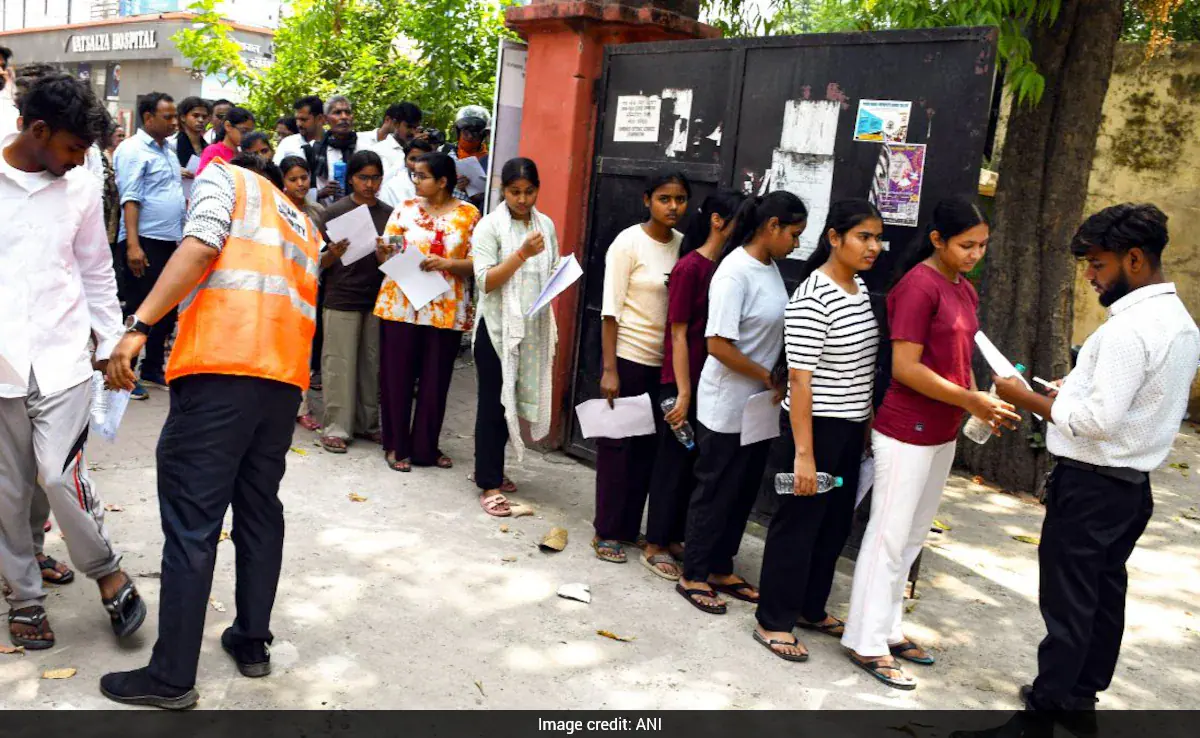
The government’s decision to cancel the exam was probably unavoidable once evidence suggested that leaked material substantially matched the actual paper.
Reports indicated that 120 to 135 questions in the circulated “guess papers” allegedly matched the examination, potentially impacting scores by nearly 600 marks.
Under such circumstances, allowing results to stand would have permanently delegitimised the examination.
Yet the cancellation has created another ethical dilemma: should millions of honest students suffer because authorities failed to secure the exam?
This is where public anger has intensified.
Many students spent months preparing under extreme physical and psychological stress. Some had already mentally moved on after taking the exam. Others were repeat aspirants who had sacrificed another year of their lives. The sudden announcement forced them back into preparation mode with no clarity about timelines, evaluation standards, or future safeguards.
The emotional toll is enormous because NEET preparation is not sustainable indefinitely. Burnout is common. Anxiety disorders, depression, sleep deprivation, and social isolation are already deeply embedded within India’s coaching culture.
A re-examination may restore procedural fairness, but it cannot restore lost emotional stability.
That damage is permanent for many students.
Meritocracy Is Beginning to Look Like a Myth
The NEET debate also exposes a broader discomfort that India has long avoided confronting: Is the system genuinely meritocratic?
Supporters of NEET have historically argued that a centralised exam prevents corruption in medical admissions and creates a uniform national standard. In theory, that logic remains valid.
But repeated paper leaks undermine the entire moral argument behind standardised testing.
When privileged candidates gain access to leaked papers, expensive coaching ecosystems, or organised cheating networks, the idea of “equal opportunity” becomes fictional.
Critics in states like Tamil Nadu and Karnataka have long argued that NEET disproportionately disadvantages rural, vernacular-medium, and economically weaker students.
The latest scandal strengthens those arguments.
If a system simultaneously rewards wealth-driven coaching cultures and fails to prevent criminal manipulation, then calling it merit-based becomes increasingly difficult.
This is why political resistance to NEET is likely to intensify after 2026.
The issue is no longer merely educational. It has become ideological.
Coaching Centres Thrive While Students Break
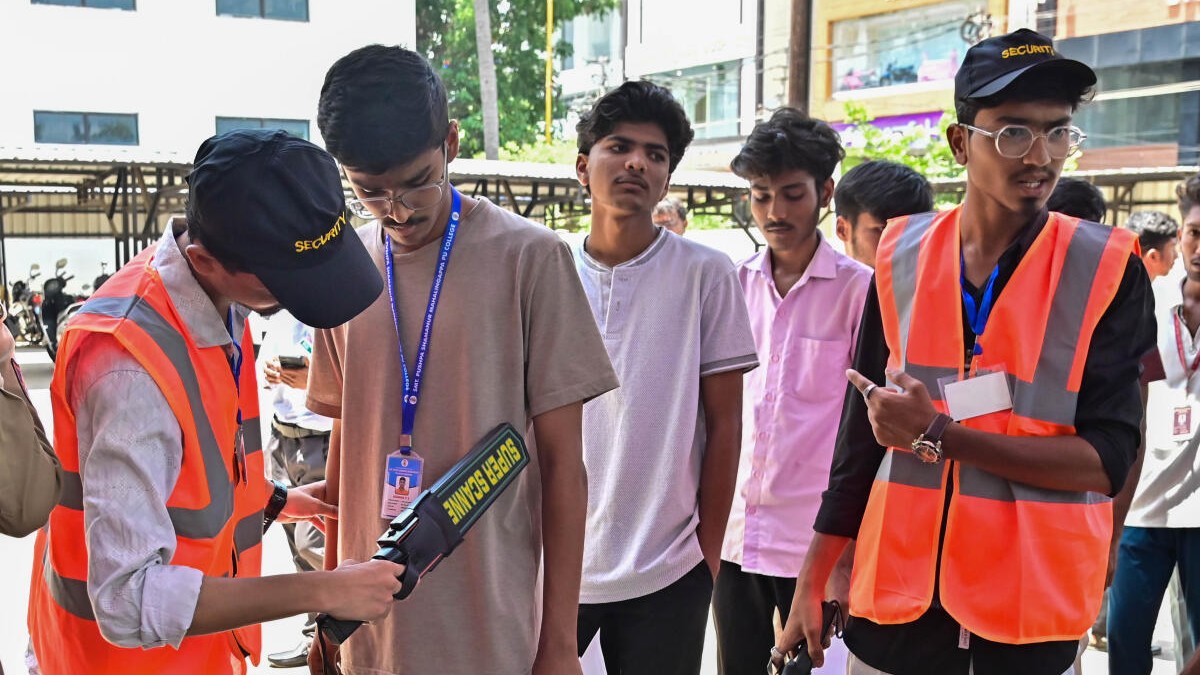
Another uncomfortable truth exposed by the crisis is India’s dependence on the coaching industry.
Cities like Kota, Nagpur, and Patna have become synonymous with competitive exam preparation. Entire local economies depend on aspirants chasing ranks.
But the human cost is staggering.
Students often study for 12 to 16 hours daily inside hyper-competitive environments where self-worth becomes tied to percentile scores. A single cancelled exam can therefore trigger emotional collapse because aspirants have invested not only time but identity into the process.
This is systemic trauma rather than ordinary academic stress.
That distinction matters.
Stress is temporary. Trauma reshapes how people relate to institutions, authority, and hope itself.
India risks creating a generation of young citizens who believe that effort alone is meaningless because systems are fundamentally compromised.
That psychological shift has long-term societal consequences.
The Political Response Has Been Predictable and Inadequate
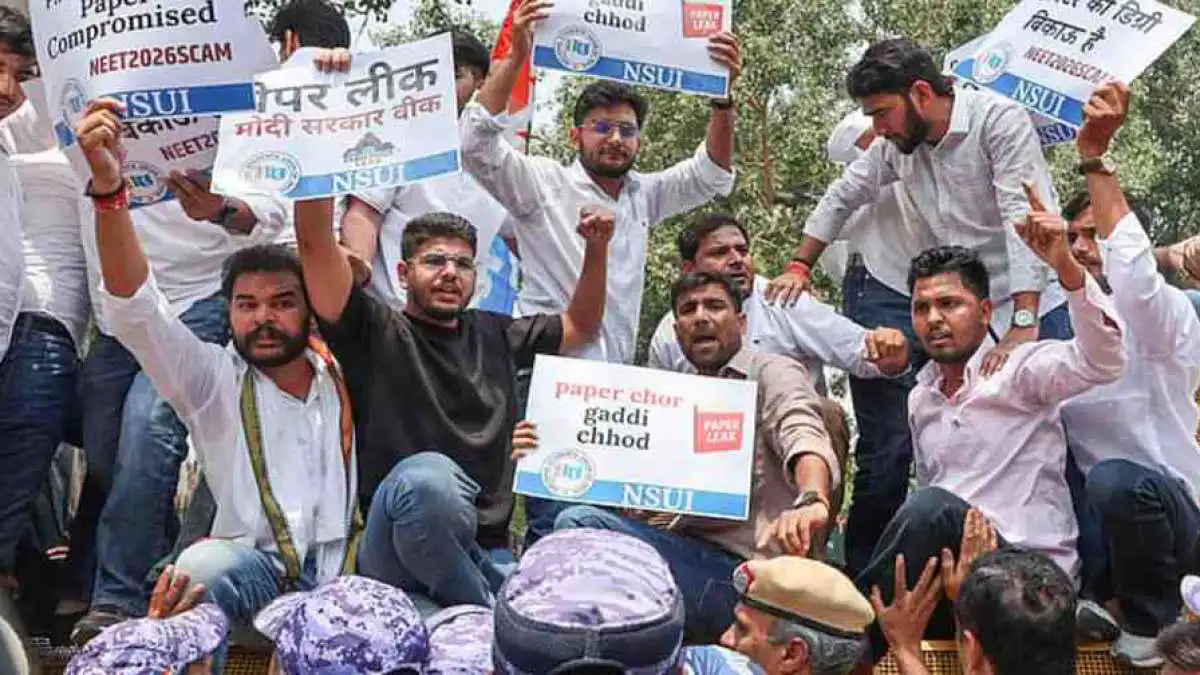
Predictably, the NEET controversy has become a political battlefield.
Opposition parties have accused the Centre of administrative failure, while the government has attempted to portray the cancellation as evidence of accountability and fairness. Student organisations across ideological lines have demanded transparent investigations and structural reform.
But political messaging cannot solve a credibility crisis.
What students want is not rhetoric. They want certainty.
They want assurance that leaked papers will not circulate on Telegram and WhatsApp hours before examinations. They want secure logistics, transparent investigations, swift accountability, and examination systems that do not collapse every year under allegations of malpractice.
Instead, they continue receiving apologies after damage has already occurred.
That pattern has become dangerously normalised.
India Needs Structural Reform, Not Cosmetic Damage Control
The instinctive response after every examination scandal is to announce committees, launch investigations, and promise “strict action.”
India has done that repeatedly.
It has not worked.
The NEET crisis now demands deeper structural reform.
First, examination security must be rebuilt using decentralised digital tracking systems, real-time monitoring, and far stronger accountability mechanisms across printing, transportation, and distribution chains.
Second, the NTA requires independent auditing. An institution conducting examinations for millions cannot continue operating without transparent external oversight.
Third, India must confront the unhealthy over-centralisation of educational opportunity. When one exam determines the future of millions, the entire system becomes vulnerable to collapse.
Fourth, mental health support for aspirants can no longer remain optional. The emotional consequences of repeated exam failures, cancellations, and uncertainty are severe and measurable.
And finally, accountability must reach the top. Lower-level arrests alone will not restore public trust if institutional leadership escapes scrutiny after repeated failures.
The Real Damage May Only Become Visible Years Later
The tragedy of the NEET controversy is that its worst consequences may not appear immediately.
The real damage lies in the slow erosion of faith.
A society functions because citizens believe institutions, though imperfect, are fundamentally fair. Students tolerate competition when they trust the rules. Families make sacrifices when they believe honesty still matters.
But repeated scandals gradually destroy that belief.
When young people begin to see education as rigged, corruption stops feeling exceptional and starts feeling inevitable.
That is the real danger facing India today.
The cancellation of NEET-UG 2026 is not just an administrative embarrassment. It is a warning sign about the fragility of public trust in modern India’s educational institutions.
If policymakers continue treating each scandal as an isolated crisis instead of evidence of systemic decay, the consequences will extend far beyond medical admissions.
Because once an entire generation loses faith in fairness, rebuilding that trust becomes far harder than conducting a re-exam.
With inputs from agencies
Image Source: Multiple agencies
© Copyright 2026. All Rights Reserved. Powered by Vygr Media.