 By

Retail inflation has crossed the top of the central bank’s tolerance band for the first time under India’s new price index. The economy is still growing strongly, so the RBI has room to keep raising rates. The harder question is whether rates can fix a problem that starts in the vegetable market.
New Delhi: For months, the Reserve Bank of India has been telling the country that inflation was something it could manage. On Thursday, the numbers pushed back.
India’s consumer price inflation rose to 6.09% in October, up from 5.54% in September, according to provisional data released by the statistics ministry. It is the first time inflation has breached the RBI’s 6% upper limit under the new price series, which uses 2024 as its base year, and the highest reading since October 2024. It also came in above what most economists had expected. A poll of analysts had pencilled in about 5.9% to 6.05%.
Inflation has now stayed above the RBI’s 4% target for five months in a row. And with the central bank having already raised interest rates once this autumn, the central question for the weeks ahead is simple: will it do so again?
The October numbers
The headline figure tells only part of the story. The detail shows where the pressure is coming from.
Food is the engine. Food inflation jumped to 8.94% in October from 7.74% in September. Onions, garlic and ginger led the way, and four of the five items with the highest price increases were vegetables. The pressure was not confined to one region. Food inflation was 9.09% in rural areas and 8.68% in urban areas.
Villages are hurting more. Overall inflation was 6.63% in rural India against 5.41% in urban India. Because rural households spend a larger share of their budget on food, a surge in vegetable and pulse prices lands harder on them.
Transport costs are rising too. Transport inflation accelerated to 5.84% from 5.01% a month earlier, which suggests the fuel and freight effects of a turbulent oil market are starting to show up in everyday costs.
Core inflation is edging up. Core inflation, which strips out food and fuel, is not an official headline number in the release, but private estimates put it at about 4.5% in October, up from 4.3%. The RBI itself expects core to average around 4.4% this fiscal year. That is not alarming on its own, but the direction matters.
It is broad-based. One senior economist noted that 11 of the 12 broad categories in the index recorded higher inflation in October than in September. When price rises spread across categories, they are harder to dismiss as a one-off shock.
Where prices are rising fastest
Among states with a population above 5 million, the highest headline inflation was in the south and centre. Tamil Nadu recorded 7.29%, followed by Telangana at 7.26%, Andhra Pradesh at 7.25%, Madhya Pradesh at 7.19% and Odisha at 7.17%. All five were well above the national average and above the RBI’s 6% ceiling.
Why this time feels different
India’s inflation has been above 6% before, so the figure alone is not unprecedented. Three things make this episode worth watching.
First, it breaks a calm period. The numbers had been low enough through much of the past year for the RBI to keep rates on hold, and it only began tightening this October.
Second, the causes are piling up. A weak monsoon and strong El Nino conditions threaten the harvest and rural demand. Crude oil prices have been jolted by the US-Iran war, with worries about attacks on shipping in the Strait of Hormuz. Brent crude has recently eased to around $92 a barrel, which offers some relief, but the market is still weighing hopes of de-escalation against the risk of renewed disruption.
Third, the timing of the base effect is unfavourable. Because prices were lower a year ago, the arithmetic of year-on-year inflation keeps pushing the figure up in the coming months, even if prices rise only moderately from here.
What the RBI has already done
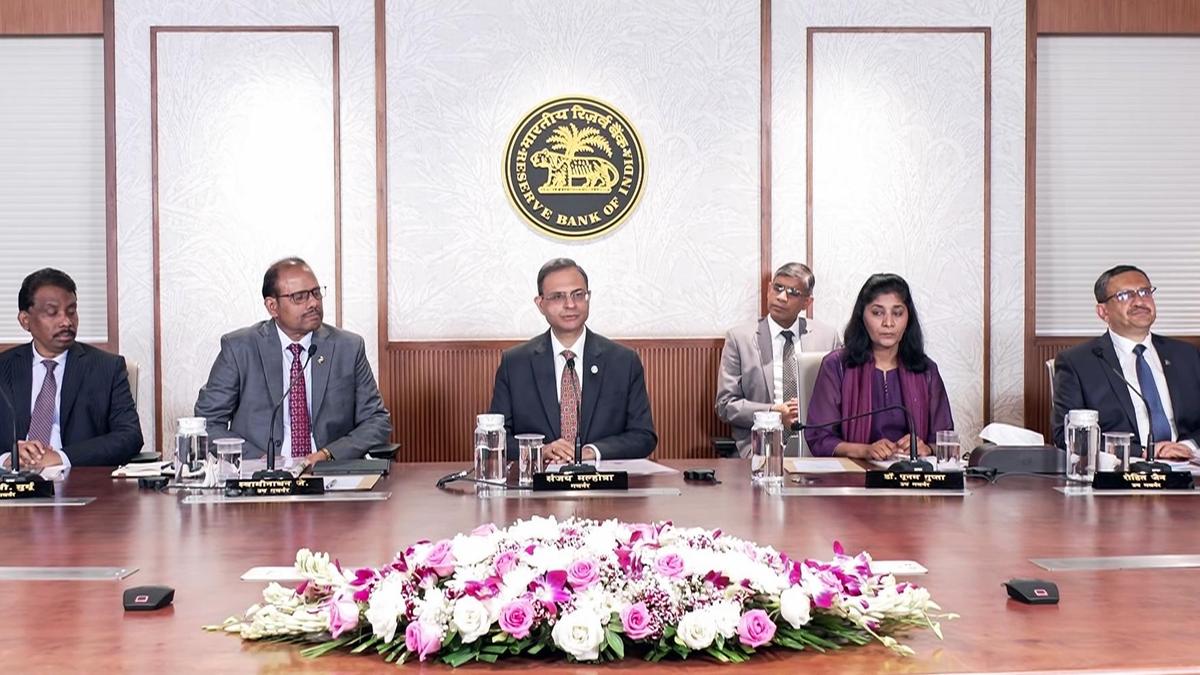
On October 7, the Monetary Policy Committee voted unanimously to raise the repo rate by 25 basis points to 5.50%. It was the central bank’s first rate increase in nearly four years. The committee also changed its stance from “neutral” to “calibrated tightening,” a signal that it expected to keep leaning against inflation.
In explaining the decision, the committee said inflation and its outlook were no longer as benign as the previous year, and that price pressures were broadening. It raised its inflation forecast for the current financial year to 5.2% from 5.0%, and expects inflation to average 6% in the October to December quarter. October’s reading has already landed on that forecast, which leaves little margin for comfort in November and December.
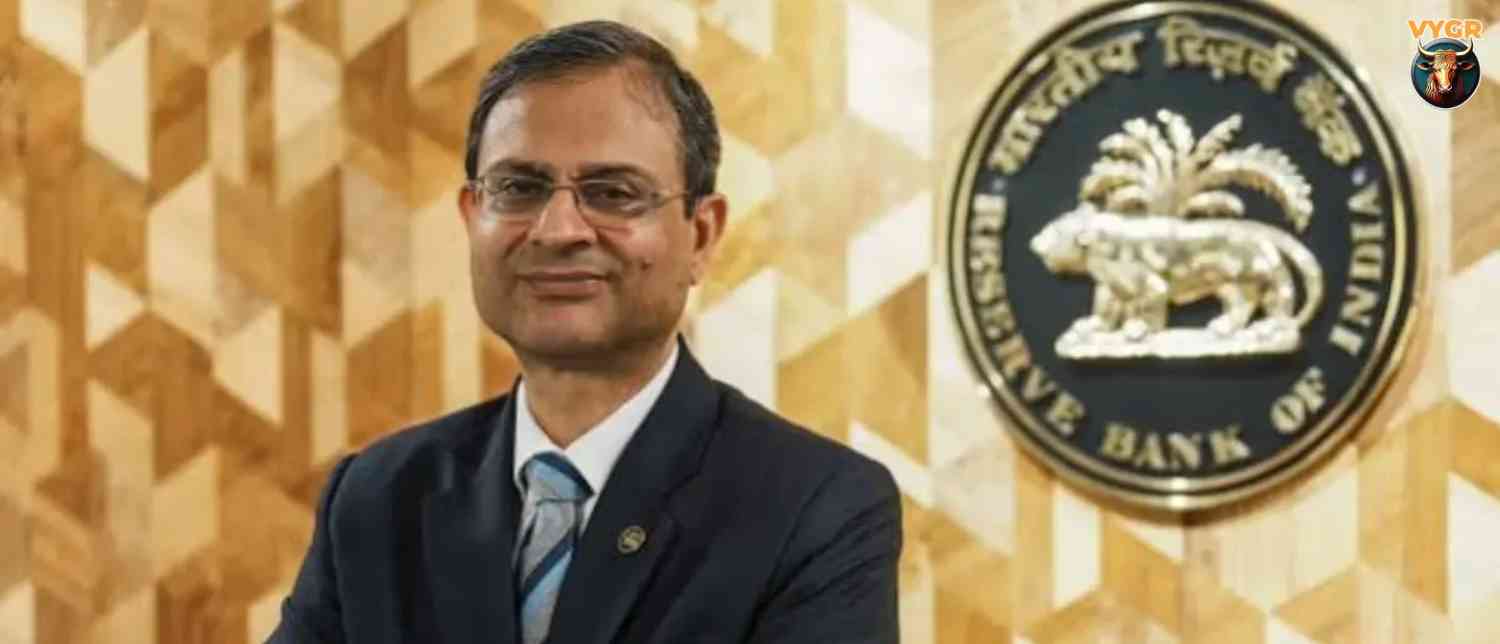
RBI Governor Sanjay Malhotra has also spoken about the monsoon. He has warned that weak rains and strong El Nino conditions pose risks to agriculture and rural demand, though he has pointed to ample foodgrain stocks and government measures as a cushion. The minutes of the October meeting added that more rate increases could be needed if inflationary pressures persist.
Why the RBI has room to act
A central bank usually hesitates to raise rates when the economy is weak, because higher borrowing costs can slow growth further. That is not the situation now. Forecasters expect strong expansion in the July to September quarter, with one lender’s research team projecting growth near 7.8%, and a global ratings agency recently raised its growth forecast for India to 7%.
When demand is healthy, the cost of tightening falls. That is the logic behind the pressure building on the RBI to continue, and it is why several economists believe it will.
What the economists expect
The reaction on Thursday was fairly uniform. Radhika Rao, senior economist at DBS Bank, said the data reinforces her expectation of a second successive rate hike in December, and that inflation has yet to peak because of the unfavourable base. Aditi Nayar, chief economist at ICRA, described another 25 basis point increase as almost certain.
Madan Sabnavis, chief economist at Bank of Baroda, went further, saying the RBI could consider either a 25 or a 50 basis point hike in December. His reasoning is that inflation in November and December is likely to hover around 6%, given the trajectory of food prices. He also expects core inflation to rise, because FMCG companies have begun passing on higher input costs, and has flagged a risk that pulses, especially tur, could become more expensive if output falls.
The Monetary Policy Committee meets from December 2 to 4. In all likelihood, the October reading will be the last full inflation print it sees before deciding, since the next monthly release normally comes after the meeting.
The case for caution
Not everyone sees a straightforward case for aggressive tightening, and the arguments are worth setting out.
The biggest is that much of the current inflation is a supply problem. Interest rates cannot make onions grow faster or bring forward a better harvest. If the surge is driven by temporary weather and a few vegetables, higher rates mainly hurt borrowers without reducing the price of food.
The counter-argument is that the RBI’s job is to stop short-term shocks from becoming habits. If households and businesses begin to expect high inflation, they build it into wages, prices and contracts, and it becomes much harder to remove. That concern about expectations was a stated reason for the October hike, and it is the reason the central bank may feel it cannot wait.
A smaller point in the central bank’s favour is that core inflation, at roughly 4.5%, is still moderate. That suggests the underlying price trend has not run away, even if the headline number has.
What it means for households
Borrowers. If your home loan or other floating-rate loan is tied to the repo rate, a further hike would lift your EMI or stretch the tenure. As an illustration, on a Rs 50 lakh, 20-year loan at 8.5%, a quarter-point increase would add roughly Rs 800 to the monthly instalment. The October hike has already started to feed through to many borrowers.
Savers. Higher policy rates usually lift fixed deposit rates over time, though banks pass this on at different speeds. With inflation above 6%, the real return on many deposits is thin.
Household budgets. The more immediate effect is in the kitchen. With food inflation near 9%, everyday spending on vegetables, pulses and staples takes a bigger share of income, especially for rural families.
Markets. Bond yields and the rupee tend to react to rate expectations, so the December meeting will draw close attention from investors.
What to watch next
Several things will shape the RBI’s decision. The first is the trajectory of vegetable and pulse prices, and whether the weak monsoon starts to dent winter crop sowing. The second is oil: a durable fall in crude prices would ease pressure on fuel and transport costs, while a flare-up around Hormuz would do the opposite. The third is whether the pass-through to core inflation accelerates, as some economists warn it will. Finally, the central bank’s own December forecast will show how worried it really is.
For now, the message from the data is clear. Inflation has gone past the limit the RBI set for itself, growth is strong enough to absorb tighter policy, and markets have already begun pricing in another hike. The open question is whether higher rates can do much about a problem that starts in the fields.
© Copyright 2026. All Rights Reserved. Powered by Vygr Media.