
 By
By 
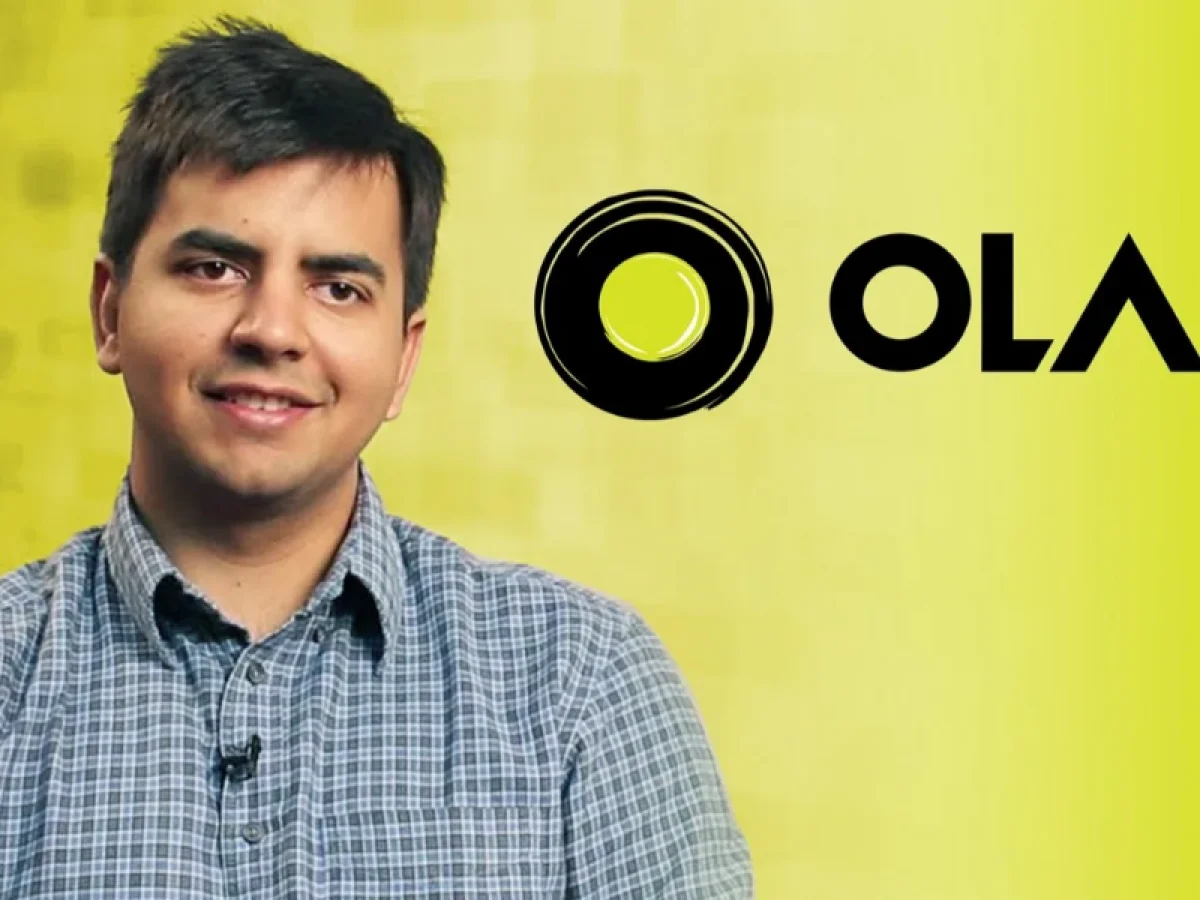
Ola Electric Mobility, once hailed as India’s most disruptive electric two-wheeler brand, is now grappling with one of the sharpest wealth erosions seen in recent market history. The company’s stock has been on a relentless downward trajectory, testing investor patience and raising serious questions about whether the worst is over—or still unfolding.
On Thursday, Ola Electric shares extended their losing streak, sliding another 5.5% during the trading session to hit a fresh low of ₹31.11. This decline comes amid intense market scrutiny over founder and promoter Bhavish Aggarwal’s recent stake sales, which have significantly dented investor sentiment. The stock’s fall has been particularly alarming given its short life as a listed entity, having debuted on the bourses only in August 2024.

Promoter Stake Sales Shake Investor Confidence
The immediate trigger for the latest bout of selling pressure has been Bhavish Aggarwal’s back-to-back share disposals. According to disclosures, Aggarwal sold 4.2 crore equity shares on Wednesday, following the sale of 2.6 crore shares a day earlier. In total, nearly 6.8 crore shares were offloaded over two sessions, with the transactions valued at approximately ₹234 crore.
Ola Electric clarified that these sales were part of a one-time, limited monetisation of the founder’s personal shareholding. The stated objective was to fully repay a promoter-level loan amounting to ₹260 crore. The company further explained that the pledge release involved a combination of share monetisation and other personal income sources of the founder. Following this exercise, all promoter-level share pledges—amounting to around 3.93%—have been completely released, effectively making the founder-promoter debt-free.
Despite these clarifications, the market reaction has been unforgiving. Investors remain wary, particularly as the stock has already corrected sharply over the past few months. Bulk deal data from the National Stock Exchange showed that Aggarwal sold about 4.19 crore shares at an average price of ₹33.96 per share in one of the transactions, valued at nearly ₹142 crore. The identities of the buyers were not disclosed in exchange data.
From IPO Darling to Market Laggard
Ola Electric’s share price performance since listing paints a grim picture. The stock is now down around 60% from its IPO price of ₹76, which was set during its much-hyped public issue in August 2024. More strikingly, it has plunged nearly 70% from its 52-week high of ₹99.90, recorded on 26 December 2024.
The longer-term damage is even more severe. From its all-time peak of ₹157, achieved shortly after its market debut, the stock has crashed by as much as 80%. This collapse has translated into massive wealth destruction. Ola Electric’s market capitalisation has shrunk to roughly ₹13,725–14,500 crore, compared with a peak valuation of around ₹69,000–69,250 crore. In effect, more than ₹55,000 crore in investor wealth has been wiped out.
So far in 2025 alone, the stock has fallen about 63%, underlining the depth of the downturn and the persistence of negative sentiment.
Technical Charts Flash Warning Signals
From a technical analysis perspective, experts are largely unanimous: Ola Electric remains a “clear avoid” for now. Analysts point out that the stock is trading well below all major moving averages, signalling entrenched bearish sentiment and limited buying interest.
Jigar S. Patel, Senior Technical Research Analyst at Anand Rathi Shares & Stock Brokers, highlighted that the stock has slipped decisively below the crucial ₹35 support level. With prices now hovering near ₹32, this breakdown reflects deteriorating sentiment and a lack of demand. Such price action, he noted, typically suggests either further downside risk or a prolonged phase of consolidation.
Patel added that there are currently no visible signs of recovery. The charts show no bullish reversal patterns, and momentum indicators fail to inspire confidence. Until the stock manages to reclaim lost levels and demonstrate meaningful strength, the technical setup remains negative. In his view, trying to “catch the falling knife” at this stage would be imprudent.
Echoing this assessment, Pravesh Gour, Senior Technical Analyst at Swastika Investmart, observed that Ola Electric is firmly locked in a long-term downtrend. The 50-day, 100-day, and 200-day moving averages are all stacked downward, acting like a descending ceiling that reinforces sustained bearish pressure. The price action reveals a consistent pattern of lower highs and lower lows, with every minor pullback being sold into—clear evidence of weak demand.
Gour suggested that the preferred strategy remains “sell on rise” or avoid fresh long positions altogether. According to him, a sustainable trend reversal would require a decisive breakout above the 50-day moving average, accompanied by improving Relative Strength Index (RSI) readings and a positive Moving Average Convergence Divergence (MACD) crossover. Until then, the bias remains cautious to bearish. He identified the ₹42–44 zone as a near-term psychological resistance, with ₹70 emerging as a potential target only if the stock can sustain above this band. On the downside, strong support is seen around ₹24–25.
Competitive Pressures and Operational Challenges
Beyond charts and price action, Ola Electric continues to face significant fundamental headwinds. Sentiment around the stock remains subdued amid fierce competition from established players such as Hero, Ather, Bajaj, and TVS Motor. The company has been steadily losing market share, and persistent negative news flow related to service quality and declining volumes has further weighed on investor confidence.
Harshal Dasani, Business Head at INVasset PMS, believes that Ola Electric’s future trajectory will depend heavily on its ability to execute operationally. Stabilisation in sales volumes, improvements in cost efficiency, and visible progress toward operational breakeven are crucial to restoring confidence.
According to Dasani, investors will be closely monitoring execution across manufacturing scale, supply chain management, and customer experience in the coming quarters. Until there is clearer visibility on sustained profitability and consistent volume traction, the stock is likely to remain highly sensitive to quarterly performance updates and broader trends within the electric mobility ecosystem.

A Brand’s Fall From Glory to Crisis
The financial turmoil mirrors a deeper crisis at the brand level. There was a time when Ola Electric scooters were winning “best scooter of the year” awards and redefining consumer preferences in India’s two-wheeler market. Buyers who traditionally opted for models like the Honda Activa or TVS Jupiter began seriously considering Ola Electric scooters as their next purchase. The company appeared to have disrupted a market dominated by giants such as Hero, Bajaj, and TVS.
However, this dream run soon gave way to a nightmare. From standing on award podiums, Ola Electric slipped rapidly toward the bottom, seemingly unprepared for the scale of challenges ahead. A combination of factors contributed to this downfall: low product quality, inadequate service support, poor availability of spare parts, and untrained service staff.
Instead of addressing these core issues, the company focused aggressively on launching newer models at frequent intervals. This strategy, rather than restoring confidence, further alienated customers. Social media platforms became flooded with complaints directed at higher authorities, often met with silence from the brand. In many cases, customers reported their vehicles lying unattended at service centres for months.
The frustration eventually spilled onto the streets, with some aggrieved customers resorting to dramatic protests, including burning vehicles in front of showrooms. These incidents underscored the depth of anger among buyers who felt betrayed after investing their hard-earned money in the brand.
Despite mounting criticism, the company continued to roll out new schemes such as Ola Sona and same-day registration offers, launched more affordable models, and faced allegations of inflating sales numbers. Yet, the fundamental issues remained unresolved. Service centres continued to overflow with unrepaired vehicles, sales volumes dipped, showrooms shut down, negative public relations intensified, and the brand reportedly faced bans in certain cities.
As trust eroded, consumers began migrating back to established players like Bajaj and TVS, citing consistency and reliability. While even legacy manufacturers have faced service-related challenges in the past, their ability to act swiftly and course-correct has helped them retain market credibility—something Ola Electric has struggled to demonstrate.
Should Investors Step In Now?
Given the sharp correction, the temptation to buy the stock at seemingly “cheap” levels is understandable. However, both technical indicators and fundamental signals suggest caution. The absence of trend reversal signs, ongoing promoter stake sales—even if explained—and unresolved operational challenges make Ola Electric a high-risk bet at present.
For now, the prevailing consensus is clear: catching this falling knife could prove painful. Investors may be better served waiting for tangible signs of stability, improved execution, and a decisive turnaround—both on the charts and on the ground—before reconsidering exposure to the stock.
With inputs from agencies
Image Source: Multiple agencies
© Copyright 2025. All Rights Reserved. Powered by Vygr Media.