 By
By 
Cricket, like everything else in the modern world, no longer exists in a vacuum. The sport has evolved beyond the boundaries of bat and ball, beyond the intimate debates once held in drawing rooms, college grounds and roadside tea stalls about form, flair and tactics. Today, cricket operates in a far noisier ecosystem—one where geopolitics, administration, media narratives and national ego increasingly dictate the headlines. Rivalries are no longer confined to the pitch; they are manufactured, amplified and often detonated far from it.
The build-up to the ICC Men’s T20 World Cup 2026 has laid bare this uncomfortable truth. What should have been a celebration of strategy, squad balance and subcontinental spectacle has instead become a case study in how off-field miscalculations can eclipse the sport itself. At the heart of the disruption lies Bangladesh’s dramatic exclusion from the tournament—an outcome shaped not by cricketing failure, but by a volatile mix of politics, perception and pride.
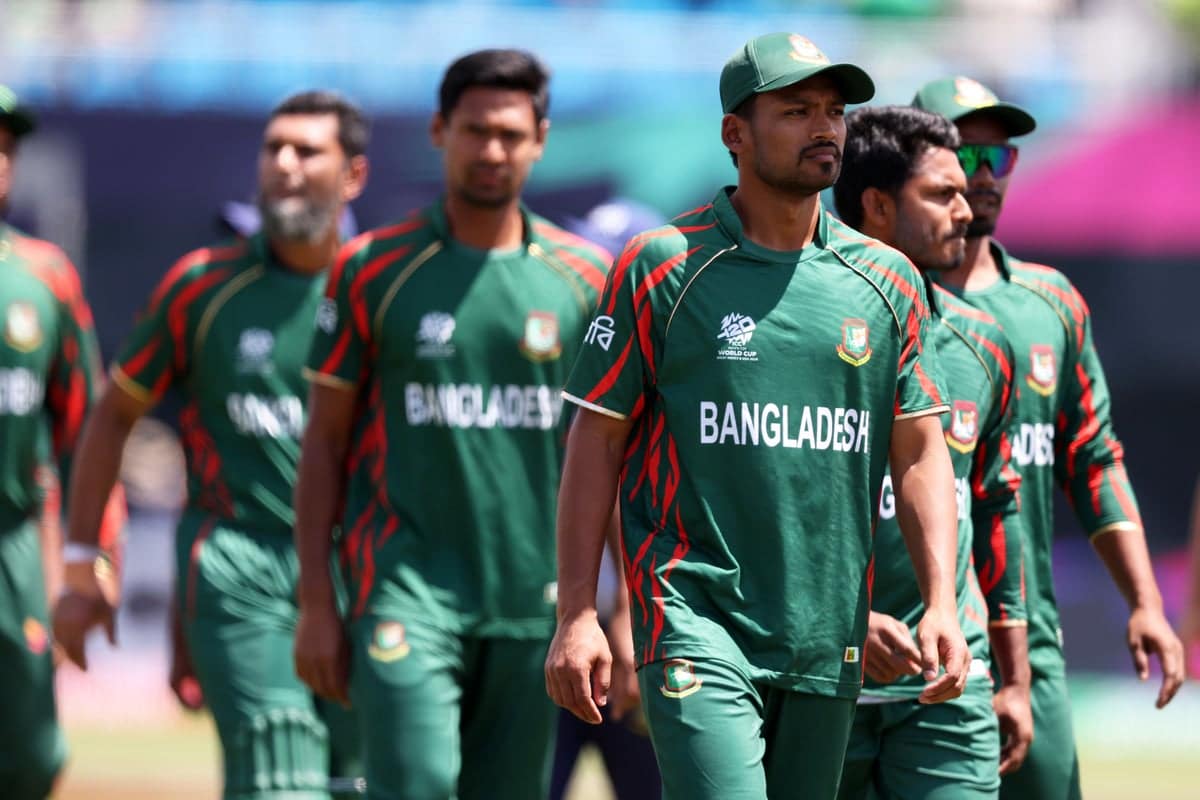
A Lost Opportunity for a Cricket-Mad Nation
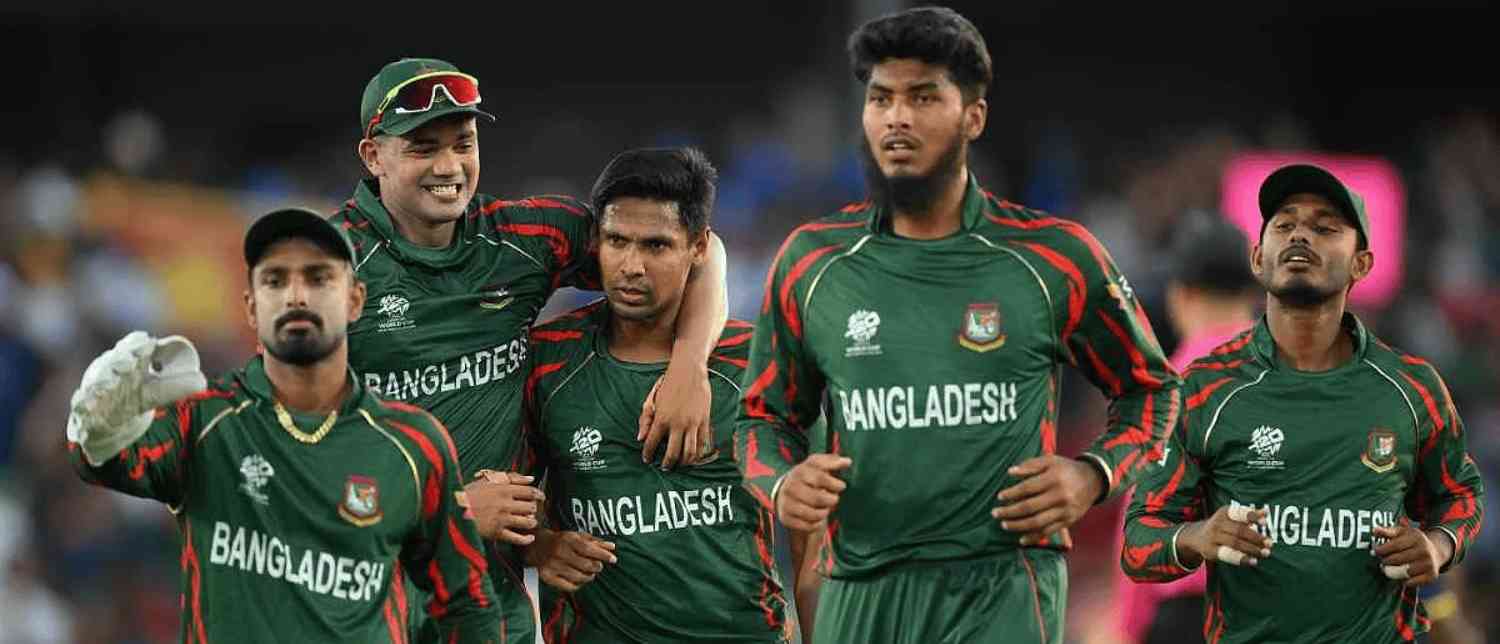
Bangladesh had qualified on merit. Drawn into Group C alongside England, the West Indies, Nepal and Italy, the Bangla Tigers entered the tournament as the third-highest ranked side in the group. In the inherently unpredictable T20 format, progression to the Super Eight stage was far from implausible. One inspired performance, one tactical masterstroke, one day when momentum swung just right—and history could have been rewritten.
Instead, nearly 18 crore Bangladeshi fans have been robbed of watching their team compete on the biggest stage. For a nation where cricket has grown into a central pillar of cultural identity, the absence is not merely sporting—it is emotional and symbolic. What remains now is speculation and regret, a hypothetical World Cup that will never be played.
The Timing That Raised Questions
India and Sri Lanka were officially announced as co-hosts of the 2026 T20 World Cup back in November 2021, as part of the ICC’s long-term 2024–2031 tournament cycle. This was not a late decision, nor an abrupt logistical pivot. If security concerns were genuine, they had years—not days—to be raised.
Yet Bangladesh’s demand for a venue change surfaced only in January 2026, less than two weeks before the tournament, and at a moment that appeared anything but coincidental. On January 3, Kolkata Knight Riders released Mustafizur Rahman from their IPL 2026 squad. The very next day, January 4, the Bangladesh Cricket Board—acting under instructions from the country’s interim government—formally asked the ICC to move their World Cup matches out of India.
The optics were impossible to ignore.
The Mustafizur Flashpoint
There is little debate that the Mustafizur Rahman episode was mishandled—by multiple stakeholders. Bangladesh’s political situation had been volatile since July 2024, when protests against Sheikh Hasina’s government escalated into violent clashes. Given the sensitivity, the safest course of action might have been to keep Bangladeshi players out of the IPL auction entirely.
Instead, Mustafizur was included. KKR paid Rs 9.20 crore to secure his services. Only then was the franchise informed that he would not be permitted to play. From Bangladesh’s perspective, the sequence felt humiliating—an international cricketer bought at a premium, only to be withdrawn under political pressure. The damage was not just financial; it was symbolic.
This episode inflamed an already fragile diplomatic climate. But what followed suggested that Bangladesh’s leadership allowed wounded pride to dictate strategy at precisely the wrong moment.
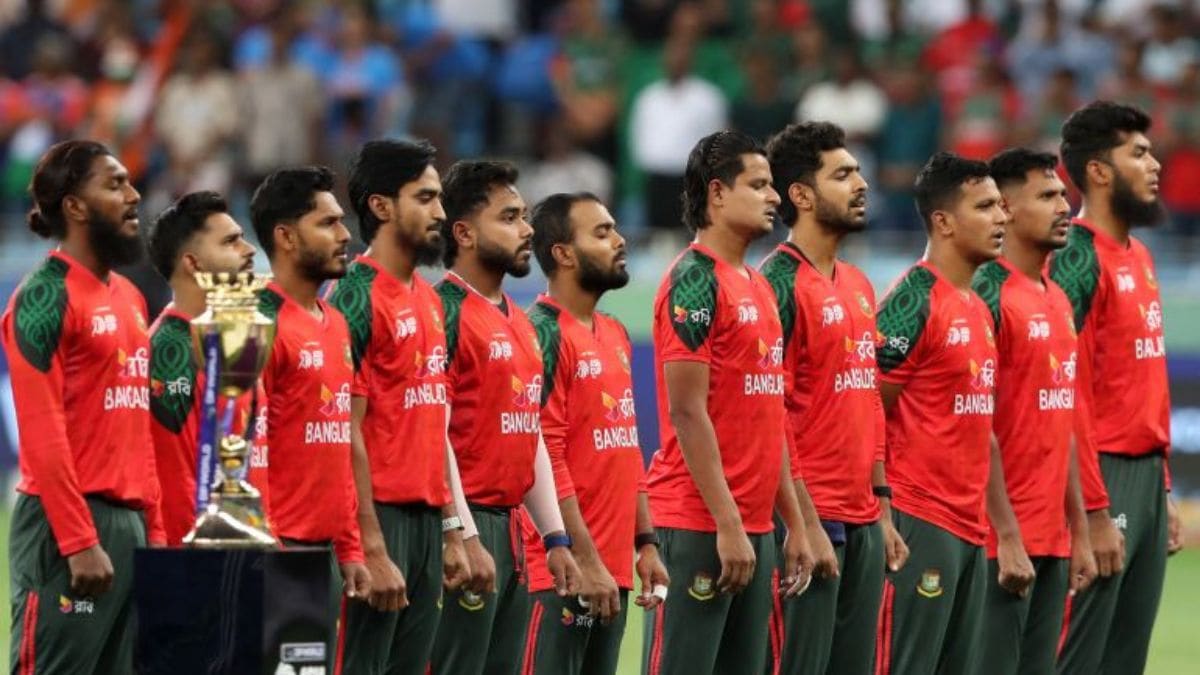
Escalation Instead of De-Escalation
Rather than isolating the IPL issue from World Cup participation, the interim government escalated matters. The Bangladesh authorities banned all IPL broadcasts and promotions indefinitely, citing “public interest.” Few believed the explanation. The move was widely interpreted as retaliatory, a tit-for-tat response to Mustafizur’s forced withdrawal—the only Bangladeshi player in IPL 2026.
The critical question remains unanswered: what did an IPL broadcast ban have to do with player security at a World Cup?
Even more puzzling was the decision to harden positions despite assurances from the ICC. The governing body conducted an internal security assessment and reportedly found no specific threat to the Bangladeshi team. Heavy security arrangements were promised. Yet Bangladesh continued to threaten withdrawal unless their late demand for neutral venues was accepted.
It was a gamble with extraordinary stakes.
ICC Draws the Line
After prolonged discussions, the ICC rejected the venue change request and enforced the original schedule. When Bangladesh failed to confirm participation, the ICC exercised its authority and removed them from the tournament, replacing them with Scotland.
From a sporting standpoint, the optics were jarring. A Full Member nation being excluded weeks before a World Cup is almost unheard of in modern cricket. The decision triggered criticism from former players and administrators and sparked introspection within Bangladesh itself about whether the board had catastrophically misread the situation.
For the players—especially those on the fringes of international recognition—the loss is deeply personal. World Cups are career accelerators. They create visibility, endorsements and opportunity. Years of preparation vanished because of an off-field standoff they had no say in.
Scotland’s inclusion, while a deserved milestone for Associate cricket, carries an unavoidable undertone. Their presence is a reminder that this World Cup has been shaped as much by politics as by qualification.
The Cost of Standing Firm
The financial fallout for Bangladesh is severe. By missing the tournament, the BCB forfeits a participation fee of US$3 million—approximately 36.33 crore Bangladeshi Taka. On top of that, the ICC will impose a US$2 million fine under the Member Participation Agreement for withdrawing without justified cause.
The most devastating blow, however, lies in central revenue. Bangladesh’s 4.46% share of the ICC’s annual revenue—estimated at US$27–30 million—accounts for nearly 60% of the board’s yearly income. That funding supports domestic competitions, grassroots development and infrastructure. Its loss will ripple through the system long after the World Cup ends.
Additional damage includes an estimated 300 crore BDT loss for the host broadcaster, reduced advertising revenue, and Bangladeshi players potentially losing endorsement deals with Indian companies. In modern cricket, visibility is currency—and the World Cup is its biggest marketplace.
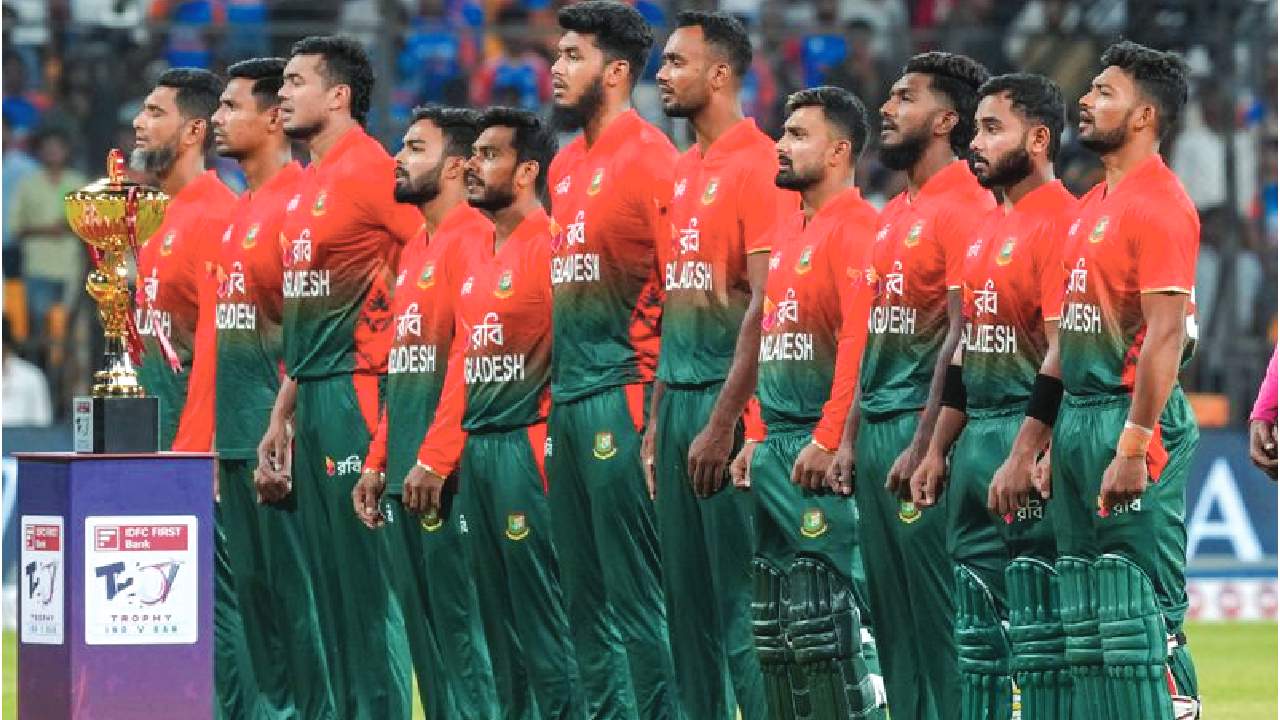
A Narrative Built on Contradictions
Confusion deepened when Bangladesh Sports Advisor Asif Nazrul claimed at a press conference that the ICC had flagged three potential security risks: Mustafizur’s presence, Bangladeshi fans wearing national jerseys, and the proximity of national elections scheduled for February 12.
An ICC source categorically denied this. Quoted by PTI, the source stated that no such communication existed and that Mustafizur’s selection had never been identified as a security issue.
If that is true, the question becomes unavoidable: why misrepresent the ICC’s position? Was preserving a public stance worth risking the future of Bangladeshi cricket?
When Politics Drowns Out the Game
Bangladesh’s removal has not been the only distraction. Pakistan’s leadership has publicly expressed solidarity and hinted at reassessing its own participation. The ICC’s warnings about consequences have further shifted focus away from cricket.
Meanwhile, actual cricketing stories have been sidelined. Australia is carefully managing Pat Cummins and Josh Hazlewood’s workloads. South Africa anxiously tracks David Miller’s recovery. England is touring Sri Lanka to simulate subcontinental conditions. These are the narratives that should dominate a World Cup build-up.
Instead, politics has taken centre stage.
Cricket has seen this before. The 1996 World Cup was disrupted by team withdrawals from Sri Lanka, denting credibility and broadcast value. The 2025 Asia Cup’s hybrid model, shaped by political compromise, inflated costs and diluted fan engagement. In each case, disruption passed—but trust eroded.
A Moment of Reckoning
Cricket in South Asia has never been just a sport. It is intertwined with diplomacy, power and identity. That reality makes clarity and consistency in governance essential. When decisions appear reactive, or when similar situations seem to be handled differently, perceptions of double standards flourish—and authority weakens.
As the T20 World Cup expands to 20 teams and reaches new audiences, it is disheartening that its final days have been consumed by uncertainty rather than anticipation.
Once the first ball is bowled, the game will reclaim attention. T20 cricket has a way of doing that. Matches will thrill, heroes will emerge, and the tournament will find its rhythm.
But Bangladesh’s absence will linger as a cautionary tale—of how ego, timing and miscalculation can conspire to sideline an entire nation from cricket’s grandest stage.
In trying to protect pride, Bangladesh may have sacrificed far more than it ever needed to.
*Views expressed in the above piece are personal and solely those of the author. They do not necessarily reflect Vygr’s views.
With inputs from agencies
Image Source: Multiple agencies
© Copyright 2025. All Rights Reserved. Powered by Vygr Media.