 By
By 
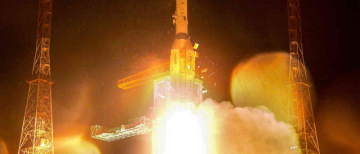
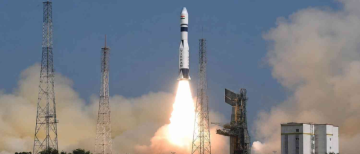
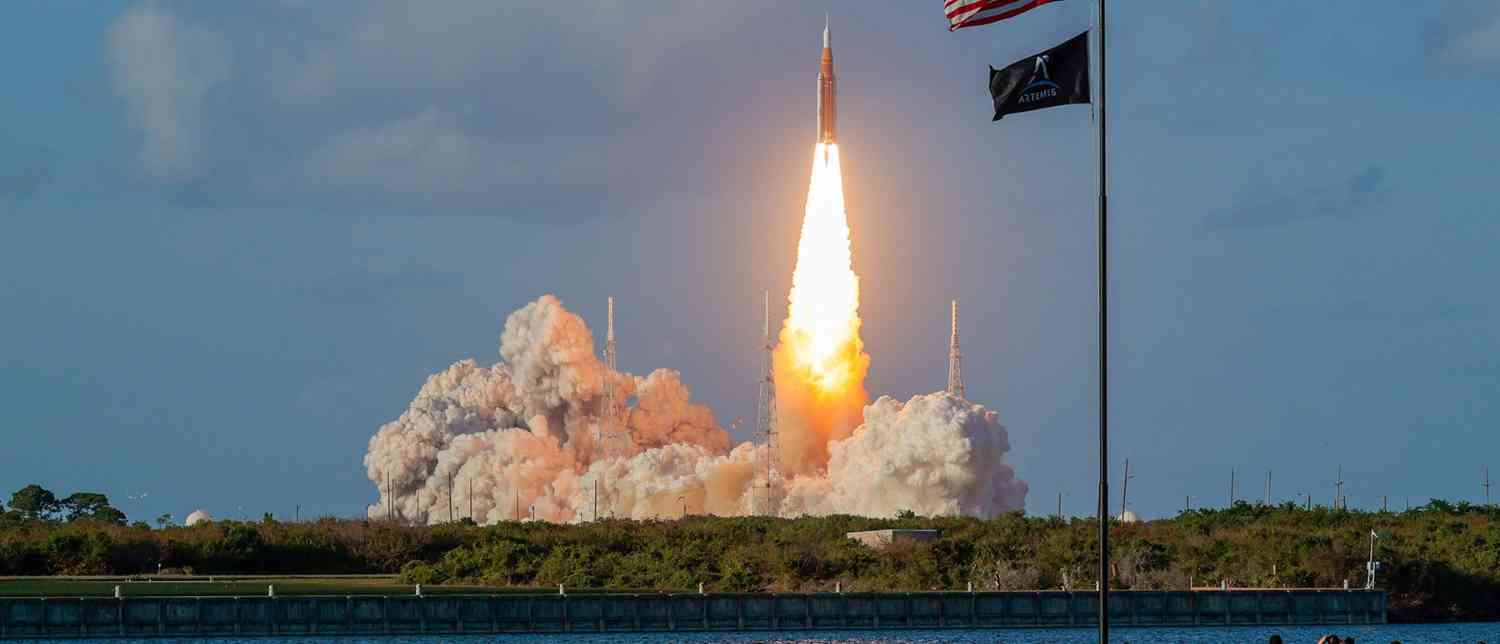
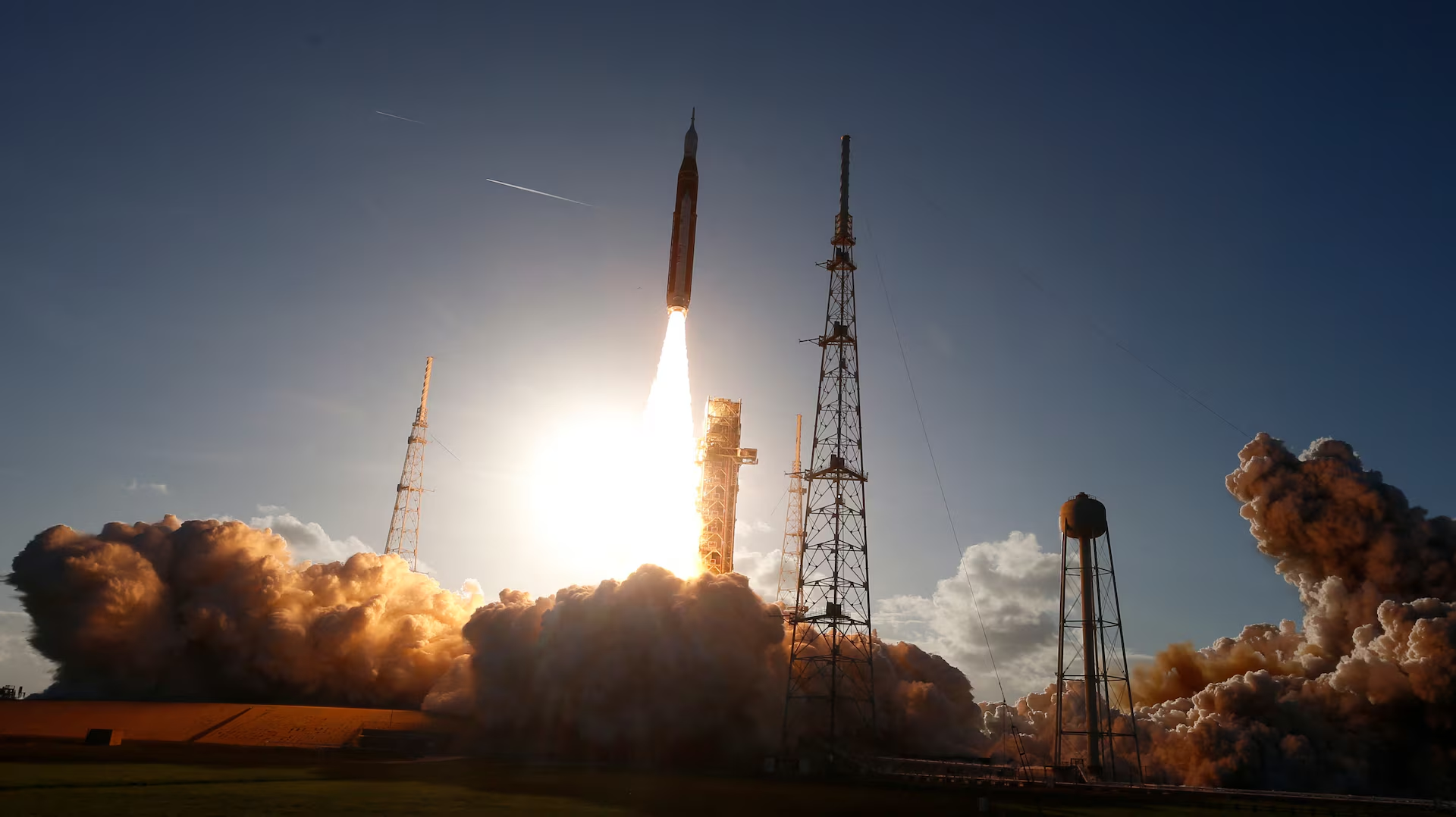
In a moment charged with history, ambition, and the weight of decades-long anticipation, NASA’s Artemis II mission roared into the sky, marking humanity’s long-awaited return to crewed lunar exploration. The launch, executed with precision and global attention, is more than a technological milestone—it is a statement of intent. Humans are going back to the Moon, not for fleeting footprints, but for a sustained presence that could redefine space exploration.
Yet, even as the Orion spacecraft soared flawlessly into orbit, the mission quickly reminded the world that spaceflight remains as unforgiving as it is inspiring. Within hours of launch, a seemingly mundane but essential system—the spacecraft’s lone toilet—malfunctioned, introducing an unexpected challenge for the four astronauts aboard.
This juxtaposition of historic achievement and immediate operational hiccup captures the essence of Artemis II: a bold leap forward shadowed by the realities of living and working in deep space.
A Launch That Signals a New Era
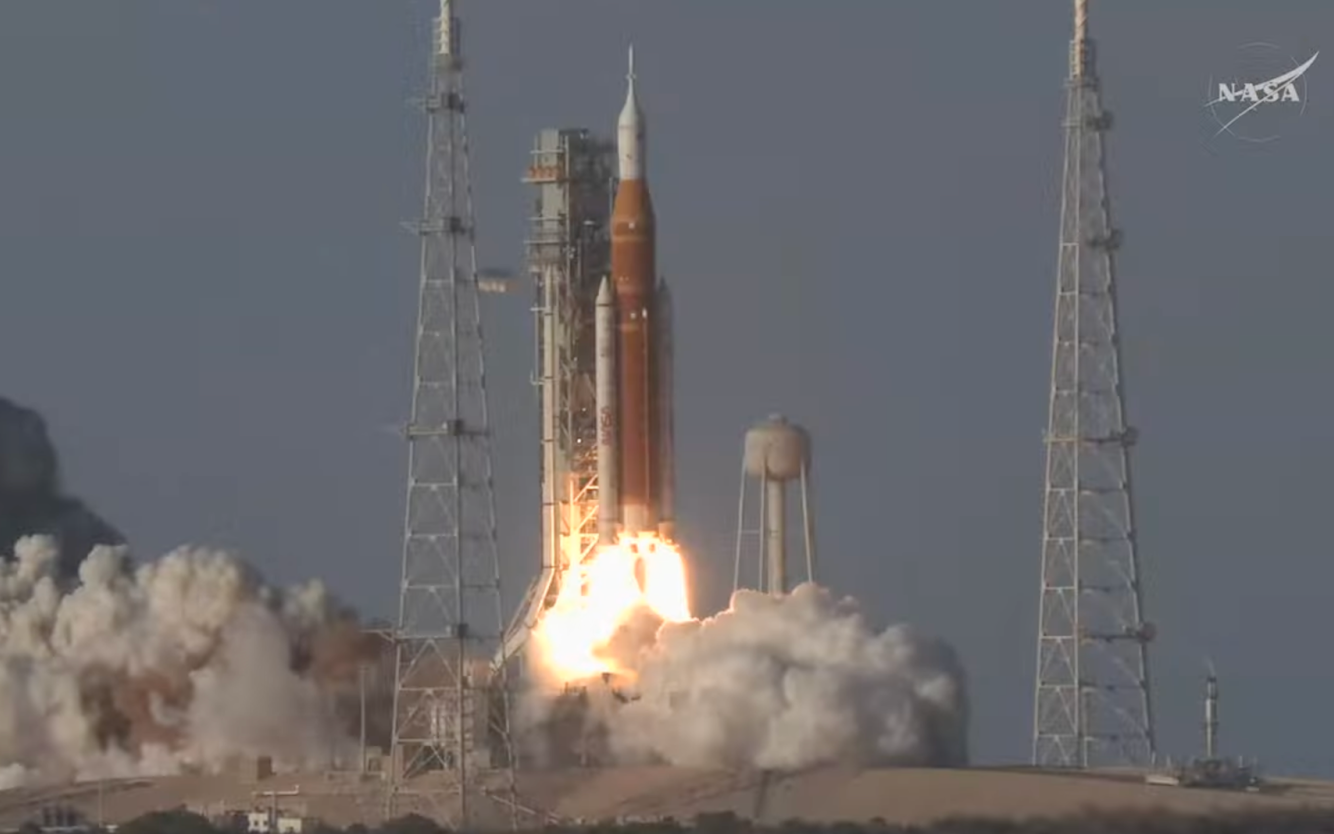
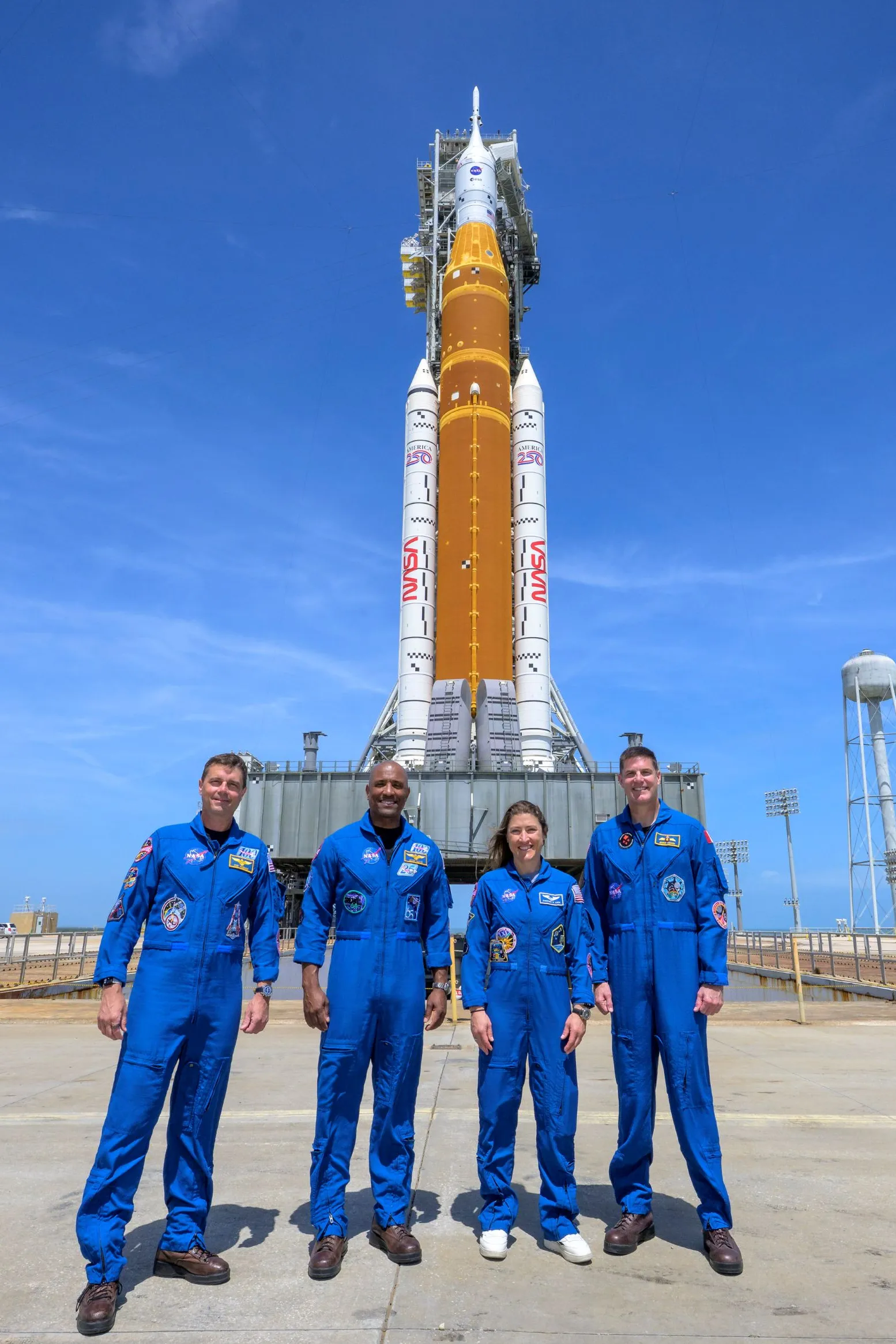
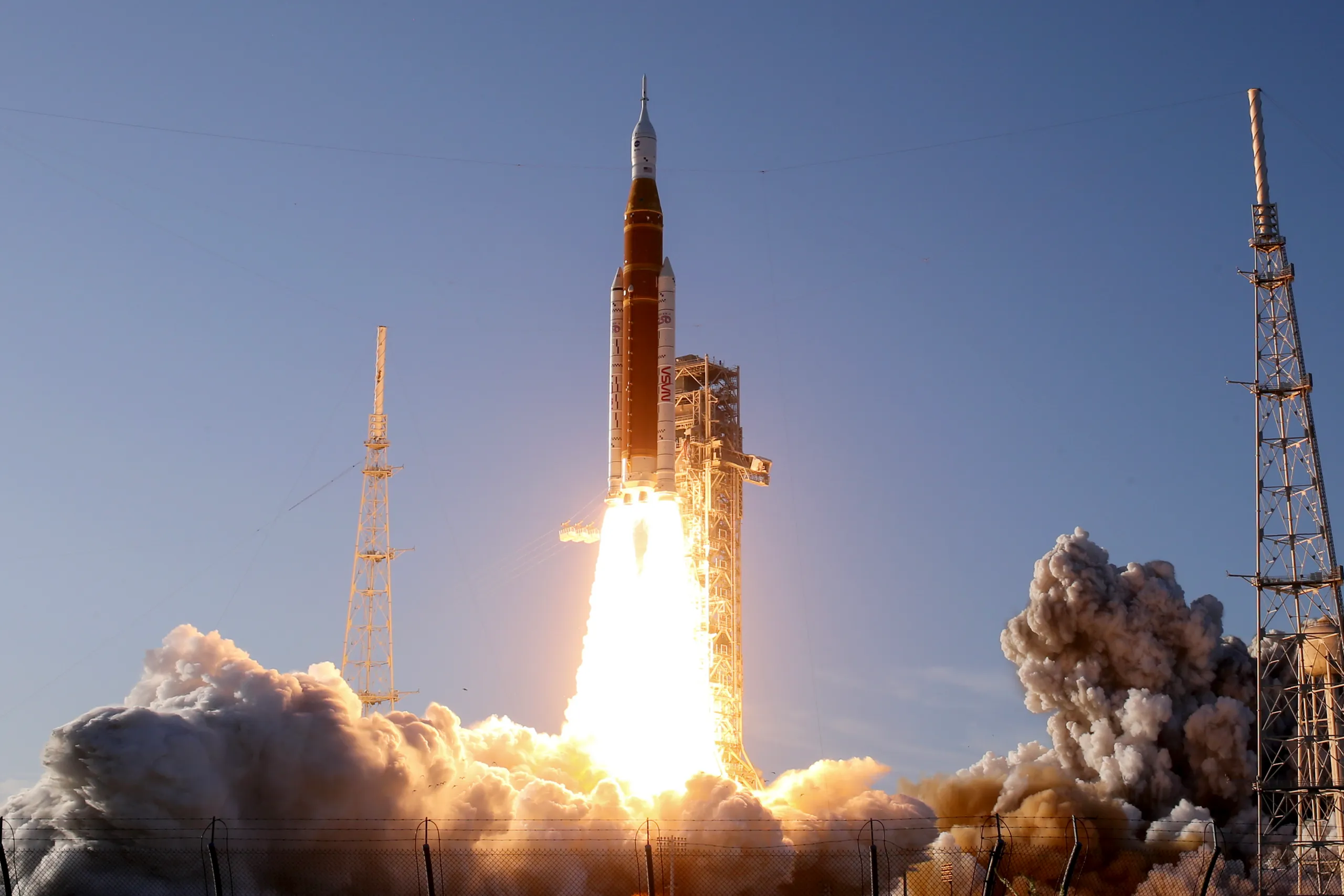
Artemis II lifted off under immense scrutiny and expectation, becoming the first crewed mission in NASA’s Artemis program and the first to carry humans toward the Moon since the Apollo era. The powerful Space Launch System (SLS), NASA’s most capable rocket to date, propelled the Orion capsule into space with four astronauts aboard: Commander Reid Wiseman, Pilot Victor Glover, Mission Specialist Christina Koch, and Canadian Space Agency astronaut Jeremy Hansen.
The mission is not designed to land on the Moon. Instead, it is a critical test flight—a proving ground for systems, operations, and human endurance in deep space. Orion will travel thousands of kilometers beyond the Moon, looping around it in a free-return trajectory before heading back to Earth.
The stakes are immense. Artemis II is the bridge between uncrewed test flights and the eventual Artemis III mission, which aims to land humans on the lunar surface for the first time in over half a century.
The Human Element: A Historic Crew
The Artemis II crew itself represents a significant step forward in the evolution of space exploration. Christina Koch is set to become the first woman to travel to the Moon, while Victor Glover will be the first Black astronaut to do so. Jeremy Hansen’s presence marks the first time a Canadian astronaut will journey beyond low Earth orbit.
Their mission is as symbolic as it is technical. It reflects NASA’s broader commitment to inclusivity and international collaboration, signaling that the next chapter of lunar exploration belongs to a more diverse and global community.
Inside Orion, the astronauts began executing a meticulously planned sequence of tests—evaluating navigation systems, communication links, life-support systems, and manual piloting capabilities. Every maneuver, every data point, is crucial for future missions.
A Sudden Problem: The Toilet Malfunction
Not long after reaching orbit, the mission encountered its first complication. Orion’s single onboard toilet system malfunctioned, creating immediate concern for both the crew and mission control.
While the issue may sound trivial compared to rocket engines or navigation systems, waste management in space is a critical function. In microgravity, even minor failures can escalate quickly, affecting hygiene, comfort, and overall mission safety.
NASA confirmed that the problem involved the toilet’s functionality shortly after launch. Engineers on the ground began working rapidly to diagnose and address the issue, communicating closely with the crew to implement interim solutions.
Despite the inconvenience, the astronauts continued their mission without interruption. The crew’s training—designed to prepare them for precisely such contingencies—proved essential. NASA officials emphasized that the malfunction posed no immediate danger to the astronauts, though it underscored the challenges of long-duration spaceflight.
Engineering Under Pressure
The Artemis II mission is as much about identifying weaknesses as it is about showcasing strengths. The toilet malfunction, while unexpected, provides valuable data that could influence the design and reliability of systems for future missions, particularly those involving longer stays on the Moon or journeys to Mars.
Space agencies have long struggled with waste management systems. Even during earlier Artemis-related testing, similar issues had surfaced, highlighting how complex such seemingly simple systems become in zero gravity.
NASA’s response to the malfunction demonstrated the robustness of its operational framework. Teams on Earth worked in real time to troubleshoot the issue, while the crew adapted to temporary procedures. This dynamic problem-solving capability is exactly what Artemis II is meant to test.
The Mission Profile: Around the Moon and Back
After achieving a stable orbit, Orion began its journey toward the Moon. The spacecraft is expected to travel farther from Earth than any previous crewed mission, pushing the boundaries of human exploration.
The trajectory includes a close lunar flyby, during which the crew will observe the Moon from a vantage point not experienced since the Apollo missions. They will also test Orion’s systems in deep-space conditions, including radiation exposure, thermal regulation, and communication delays.
One of the mission’s defining features is its free-return trajectory. This path ensures that, even in the event of major system failures, the spacecraft would naturally loop around the Moon and return to Earth without requiring significant propulsion adjustments.
A Global Audience Watches
The launch and subsequent developments have drawn widespread global attention. Live updates and broadcasts captured every stage—from liftoff to orbital insertion—turning Artemis II into a shared human experience.
The mission has reignited public fascination with lunar exploration. For many, it evokes memories of the Apollo era; for younger generations, it represents a future where space travel may become more routine.
Media coverage has highlighted both the triumph of the launch and the realism introduced by the onboard challenges. Together, they paint a complete picture of modern space exploration—one that is as much about resilience as it is about ambition.
Scientific and Strategic Significance
Beyond its immediate objectives, Artemis II carries profound scientific and geopolitical implications. The mission is part of a broader strategy to establish a sustained human presence on the Moon, including the development of the Lunar Gateway space station and surface habitats.
Scientists are particularly interested in how the human body responds to deep-space conditions beyond low Earth orbit. Data collected during Artemis II will inform not only lunar missions but also future expeditions to Mars.
At the same time, the mission reinforces the United States’ leadership in space exploration while strengthening partnerships with international agencies. The inclusion of a Canadian astronaut is a clear signal of this collaborative approach.
Lessons from Early Challenges
The toilet malfunction, while minor in the grand scheme, serves as a reminder that space exploration is inherently unpredictable. Every system—no matter how small—must function reliably in an environment that tolerates no error.
NASA’s handling of the issue reflects decades of accumulated experience. Rather than derailing the mission, the problem has become an opportunity for learning and improvement.
Such challenges are not new. From the Apollo missions to the International Space Station, spaceflight has always involved overcoming unforeseen obstacles. Artemis II continues that tradition, demonstrating that progress often comes through adversity.
Looking Ahead: The Path to Artemis III
As Artemis II continues its journey, its success will directly influence the timeline and readiness of Artemis III. The next mission aims to land astronauts on the Moon, targeting the lunar south pole—a region believed to contain water ice and other valuable resources.
The data gathered during Artemis II will shape everything from spacecraft design to mission planning. It will determine how astronauts live, work, and survive in deep space for extended periods.
The mission also lays the groundwork for future commercial and international participation, opening the door to a new era of exploration that extends beyond government-led initiatives.
A Defining Moment for Space Exploration
Artemis II stands at the intersection of history and future ambition. Its launch marks the return of humans to deep-space exploration, while its challenges highlight the realities of pushing beyond known boundaries.
The mission is not just about reaching the Moon—it is about building the capability to stay, to explore, and eventually to venture even farther. It is about proving that humanity can adapt, innovate, and persevere in the most extreme environments imaginable.
As Orion continues its journey, carrying four astronauts toward the Moon and back, it carries with it the hopes of a world watching closely. Triumph and turbulence alike are part of the story.
And in that story, Artemis II is already a success—not because it is flawless, but because it is real.
With inputs from agencies
Image Source: Multiple agencies
© Copyright 2025. All Rights Reserved. Powered by Vygr Media.