 By

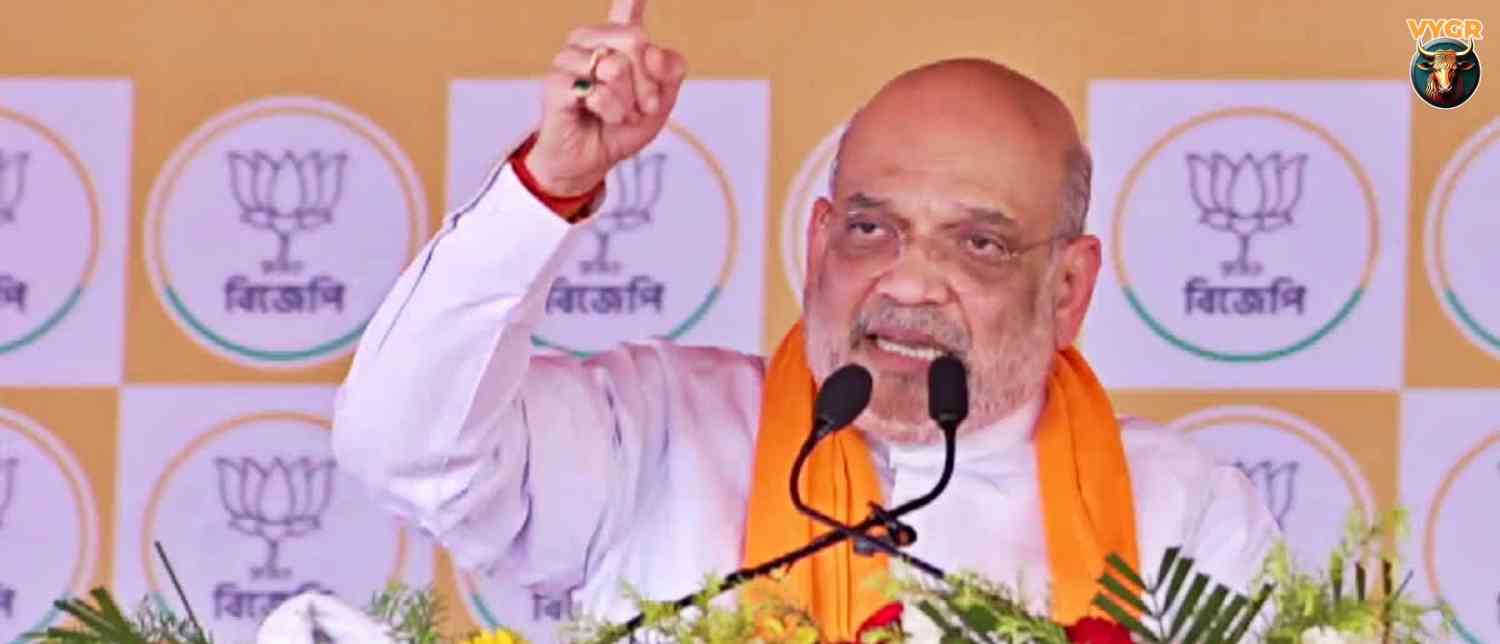
Lucknow: Union Home Minister Amit Shah has told Uttar Pradesh BJP workers to throw their resentments into the Gomti River and get to work for the 2027 Assembly elections. Addressing the party’s state executive committee meeting in Lucknow on Friday, October 30, he said the BJP would win a third consecutive term in the state and remain in power there for the next 30 years.
The message came at a delicate moment. Sections of party workers have accused the party and the state leadership of neglecting them, and the BJP is coming off a mixed result in the Legislative Council elections.
What Shah said
According to reports of the meeting, Shah’s main points were:
- A call for unity. He urged workers to set aside their disagreements and to “immerse all disagreements in the Gomti River,” the river that runs through Lucknow.
- Confidence about 2027. He said the party was set to form the government again with an overwhelming majority, describing the BJP’s position in UP as being as firmly planted as “Angad’s foot,” a reference to the Ramayana character whose foot no one in Ravana’s court could move.
- A long horizon. He said the BJP would stay in power in the state for 30 years.
- Preparation. He asked workers to begin preparing for the polls immediately.
The setting: a first meeting under a new team
Shah inaugurated the meeting soon after arriving in Lucknow. UP BJP president Pankaj Chaudhary said that the party would benefit from Shah’s guidance and that workers would enter the field “with renewed vigour.” Deputy Chief Minister Keshav Prasad Maurya noted that this was the first state executive meeting under Chaudhary’s leadership since the new state organisational structure was formed. Deputy Chief Minister Brajesh Pathak said Shah’s address would energise the rank and file, and used the occasion to take a dig at Samajwadi Party chief Akhilesh Yadav, saying the SP should harbour no illusions about 2027.
The meeting’s agenda was to review organisational work and plan the road, with an emphasis on strengthening the grassroots network and improving coordination between leaders and workers.
Why the Gomti line landed the way it did
The metaphor is memorable, but its meaning depends on context. Telling workers to throw their “resentment” away acknowledges, in effect, that resentment exists. Reports say that sections of workers feel the party and the government have not given them their due, a familiar complaint in any ruling party: that officials and a few leaders get access and workers who campaign at the booth level do not. The BJP leadership has not endorsed that characterisation, and those complaints have not been independently documented in detail.
Shah’s approach is also typical of how the BJP’s central leadership handles internal friction before an election: reassure, set a big goal and push workers to channel energy into the campaign.
The backdrop: a “bittersweet” MLC result
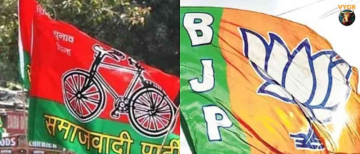
The meeting follows the Legislative Council results declared on October 29. The BJP won six of the 11 seats, but the Samajwadi Party won five, up from three, and took both Varanasi seats as well as a seat in Lucknow, two places the BJP counts as strongholds. The SP now has 12 members in the 100-member Council, which gives it the Leader of the Opposition’s post. Some reports characterised the outcome as bittersweet for the BJP.
Those polls involved only registered teachers and graduates, a narrow electorate, so they cannot be projected onto the Assembly contest. But parties read such results as signals, and that is the context in which Shah’s call to bury differences should be read.
What 2027 looks like
-
The BJP’s case. The party has won the last two Assembly elections in UP, in 2017 and 2022, and its leaders say that organisational strength, welfare delivery and law and order will carry it to a third term. Its leaders also see Shah’s participation as a signal of the importance the central leadership gives to the state.
- The opposition’s case. The SP points to its gains in the Council polls and argues that the BJP is losing ground. It also points to the 2024 Lok Sabha election, in which the BJP’s UP tally dropped sharply from 62 seats to 33, while the SP rose to 37.
- The caveat. Neither side’s reading is conclusive. Assembly elections turn on candidates, caste combinations, local issues and turnout, and the contest is still some months away.
A familiar pattern
This is not the first time the BJP’s central leadership has had to step in to calm the UP unit. Ahead of the 2022 elections, after criticism of the handling of the second Covid wave and a poor showing in rural body polls, the party sent a team to Lucknow to speak to legislators and the chief minister. The BJP went on to win the 2022 election. History does not guarantee a repeat, but it shows that dissent in the run-up to a poll does not always translate into defeat.
What to watch
-
Whether the party addresses the workers’ grievances in concrete ways, such as positions, access, and tickets, or relies on messaging alone.
- Candidate selection for 2027, which is usually the flashpoint for resentment.
- How the SP and its allies respond, and whether they use the speech to argue that the BJP is anxious.
- Whether the 30-year claim becomes a campaign theme.
© Copyright 2026. All Rights Reserved. Powered by Vygr Media.