
 By
By 
There is a particular irony in the story of Mamata Banerjee. She rose as the ultimate outsider—a street-fighting rebel who dismantled a 34-year political establishment in 2011—only to be unseated fifteen years later by accusations eerily similar to those she once wielded. Her defeat in the 2026 West Bengal Assembly election is not just an electoral upset; it is a political parable about power, perception, and the stubborn refusal to read the room.
The temptation is to treat her loss as a simple case of anti-incumbency or the rise of the Bharatiya Janata Party. But that would be lazy analysis. Bengal’s verdict was not merely about switching parties. It was about something deeper—a rupture in trust, an emotional recalibration, and a decisive rejection of narrative over reality.
The Signs Were Always There
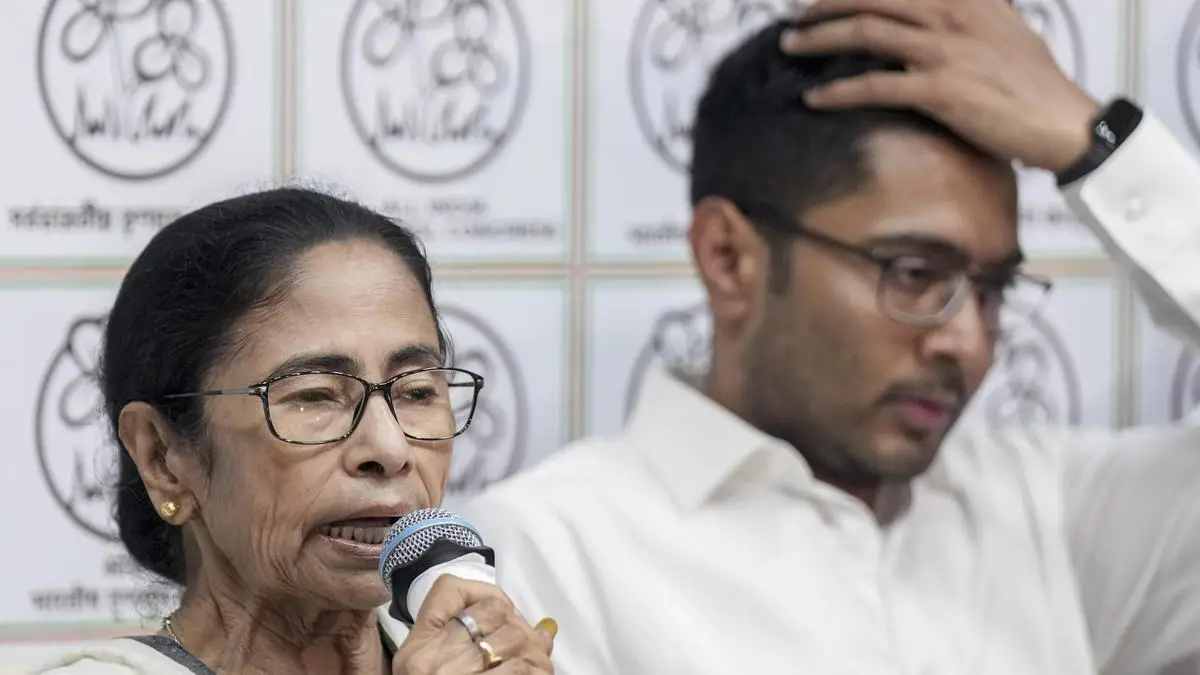
The most striking aspect of Mamata Banerjee’s defeat is not that it happened, but that it seemed to surprise her.
For months, signals had been flashing. The electorate was restless. Economic anxieties were mounting. Questions around governance, corruption, and institutional credibility were becoming impossible to ignore. Yet the ruling establishment appeared insulated from these tremors, convinced that its political machinery and welfare network would hold.
That assumption proved fatal.
Bengal’s voters were not merely choosing a party—they were choosing a different emotional contract with the future, one defined by promises of safety, transformation, and an end to stagnation. This is a crucial insight. Elections are not spreadsheets; they are emotional referendums. And Mamata Banerjee, for all her political instinct, misread the emotional temperature of her own electorate.
The result was staggering. The BJP secured a historic victory, winning over two-thirds of the 294 seats, while the Trinamool Congress collapsed from 215 seats to just 80. Even more symbolically devastating, Banerjee lost her own constituency by over 15,000 votes.
Leaders can survive losing power. Losing their own seat is something else entirely—it signals a personal disconnect.
Welfare Without Aspiration
Banerjee’s governance model rested heavily on welfare. Schemes like direct cash transfers and subsidies were politically effective for years, especially among women voters. But welfare, as it turns out, has an expiration date when it is not paired with aspiration.
The 2026 election exposed this limit with brutal clarity.
Women voters, long considered a reliable TMC constituency, turned out in record numbers—but did not vote as expected. Despite benefiting from schemes, they shifted toward promises of employment, safety, and economic mobility. This was not a rejection of welfare; it was a demand for something more.
The message was unmistakable: dignity now matters as much as delivery.
This shift also explains why cultural and identity narratives failed to compensate. The TMC leaned heavily on “Bangla pride,” framing the BJP as an outsider threat. But voters were unmoved. What mattered was the near-empty plate, not the palate.
When people worry about jobs, inflation, and corruption, cultural symbolism becomes background noise.
The Collapse of Narrative Politics
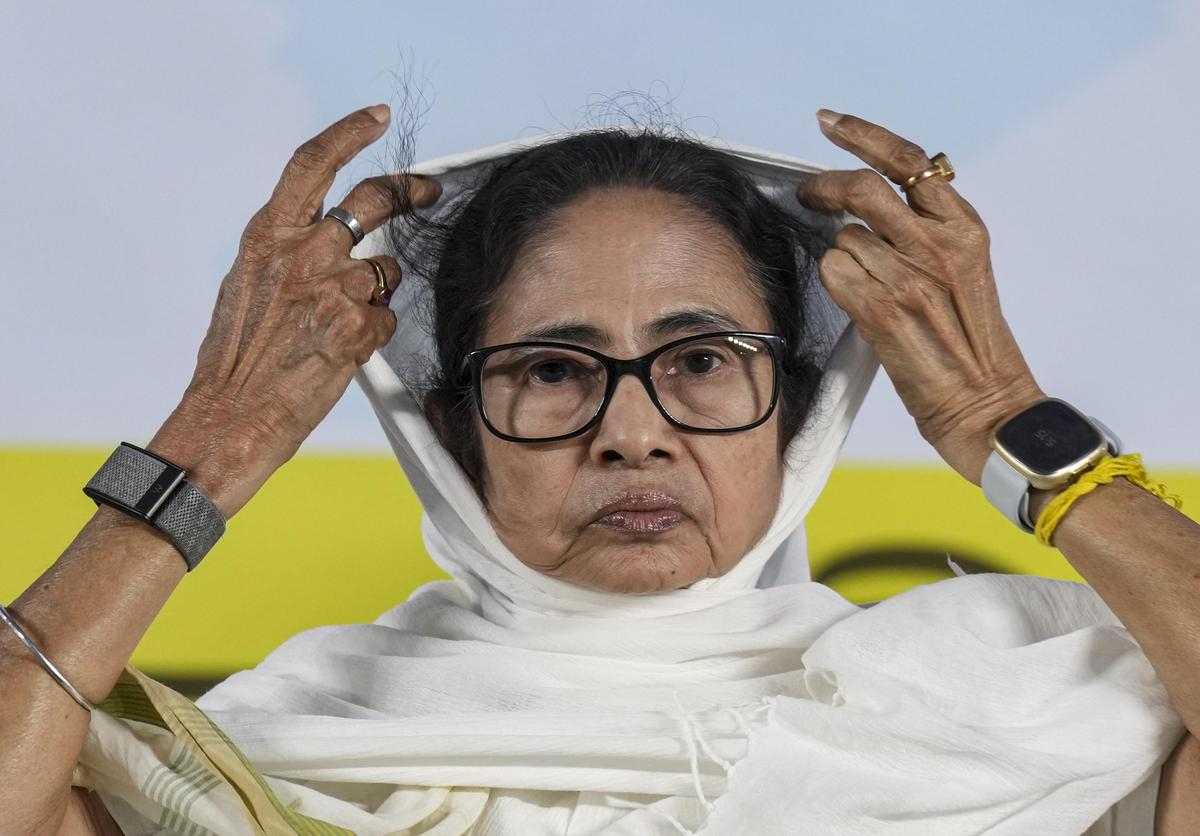
Perhaps the most devastating critique of the TMC’s campaign is that it relied too heavily on narrative—and too little on accountability.
The idea that Bengal’s cultural identity was under threat may have once resonated. But by 2026, it felt increasingly detached from lived reality. The BJP, meanwhile, neutralized this argument by appropriating local symbols and embedding them within its own campaign, effectively blunting the TMC’s central message.
More importantly, voters began to see through what they perceived as selective outrage and curated politics. The liberal ecosystem that often amplified certain issues while ignoring others came under scrutiny. The electorate, particularly women, demonstrated a sophisticated ability to distinguish between symbolism and substance, rewarding authenticity and punishing inconsistency.
This is where the lesson extends beyond Bengal. The election was not just a political verdict; it was an intellectual one. It challenged the idea that rhetoric—no matter how eloquent—can substitute for governance.
From Rebel to Establishment
There is a deeper, almost tragic arc to Mamata Banerjee’s political journey.
In 2011, she embodied resistance. Her campaign was built on dismantling an entrenched Left regime accused of arrogance and disconnect. She promised accountability, inclusivity, and a return to what she framed as “true democracy.”
Fifteen years later, the accusations had come full circle.
Corruption scandals, particularly in recruitment, eroded institutional trust. Governance failures and law-and-order concerns fed public dissatisfaction. Anti-incumbency, after a decade and a half in power, was inevitable—but it was amplified by the perception that the system had become opaque and unresponsive.
In other words, Mamata Banerjee became what she once fought against.
This transformation is not unique in politics, but it is always dangerous. Leaders who rise on the promise of disruption often struggle to adapt once they become the establishment. The instincts that make them effective rebels—defiance, centralization, and personal authority—can become liabilities in governance.
The Voter Who Was Watching
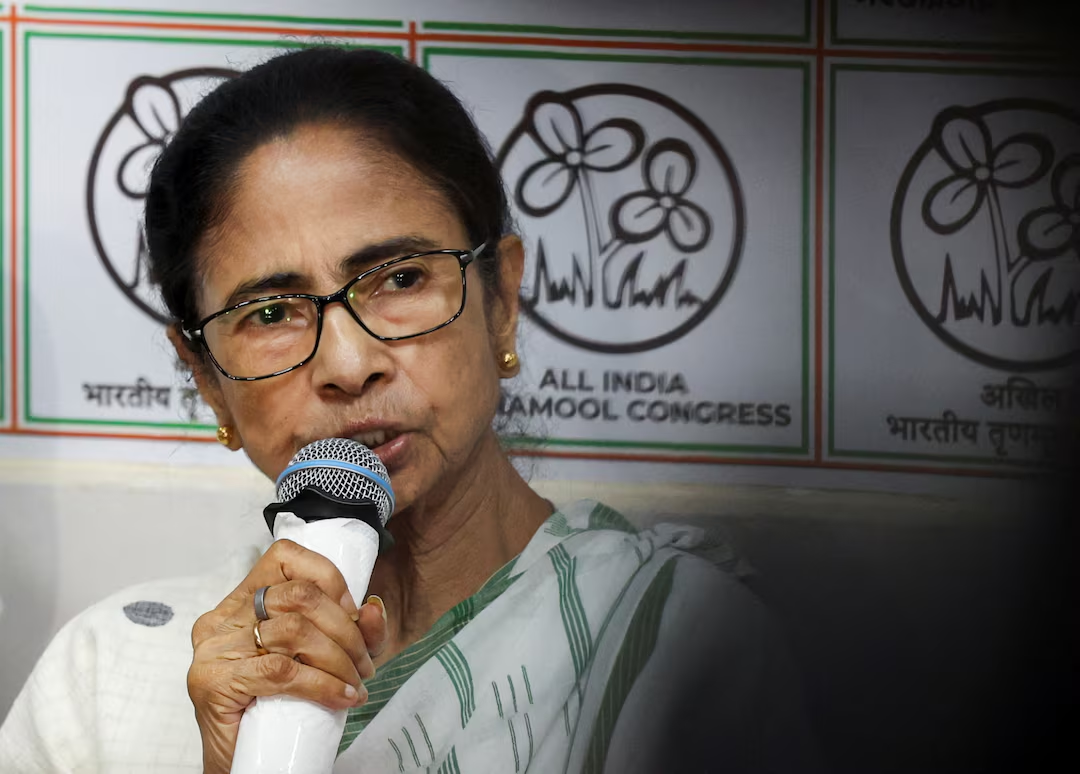
One of the most underestimated forces in this election was the “silent voter.”
Bengal’s electorate has long been politically aware, even skeptical. It does not respond easily to propaganda or emotional manipulation. And in 2026, it demonstrated a remarkable ability to quietly evaluate performance over time.
The issues that dominated voter sentiment were not abstract. They were tangible: unemployment, delayed recruitment processes, corruption allegations, and stagnating industrial growth. These concerns cut across class and geography, uniting voters in a shared sense of frustration.
The BJP’s campaign, whatever its ideological implications, successfully tapped into this frustration by emphasizing development, jobs, and governance. It reframed the election as a choice between continuity and change—and voters chose change.
High turnout reflected this urgency. The electorate was not apathetic; it was engaged, impatient, and decisive.
The Limits of Identity Politics
Identity politics played a significant role in the campaign, as it often does in Bengal. Questions of language, migration, and belonging were central themes. But in the end, identity proved insufficient as a standalone strategy.
This does not mean identity politics disappeared—it was simply subordinated to economic concerns. Voters were willing to engage with questions of identity, but not at the expense of livelihood.
This hierarchy of priorities is crucial. It suggests that while identity can mobilize, it cannot sustain support in the absence of governance.
Denial and the Aftermath
If the election result was a shock, the response that followed was equally revealing.
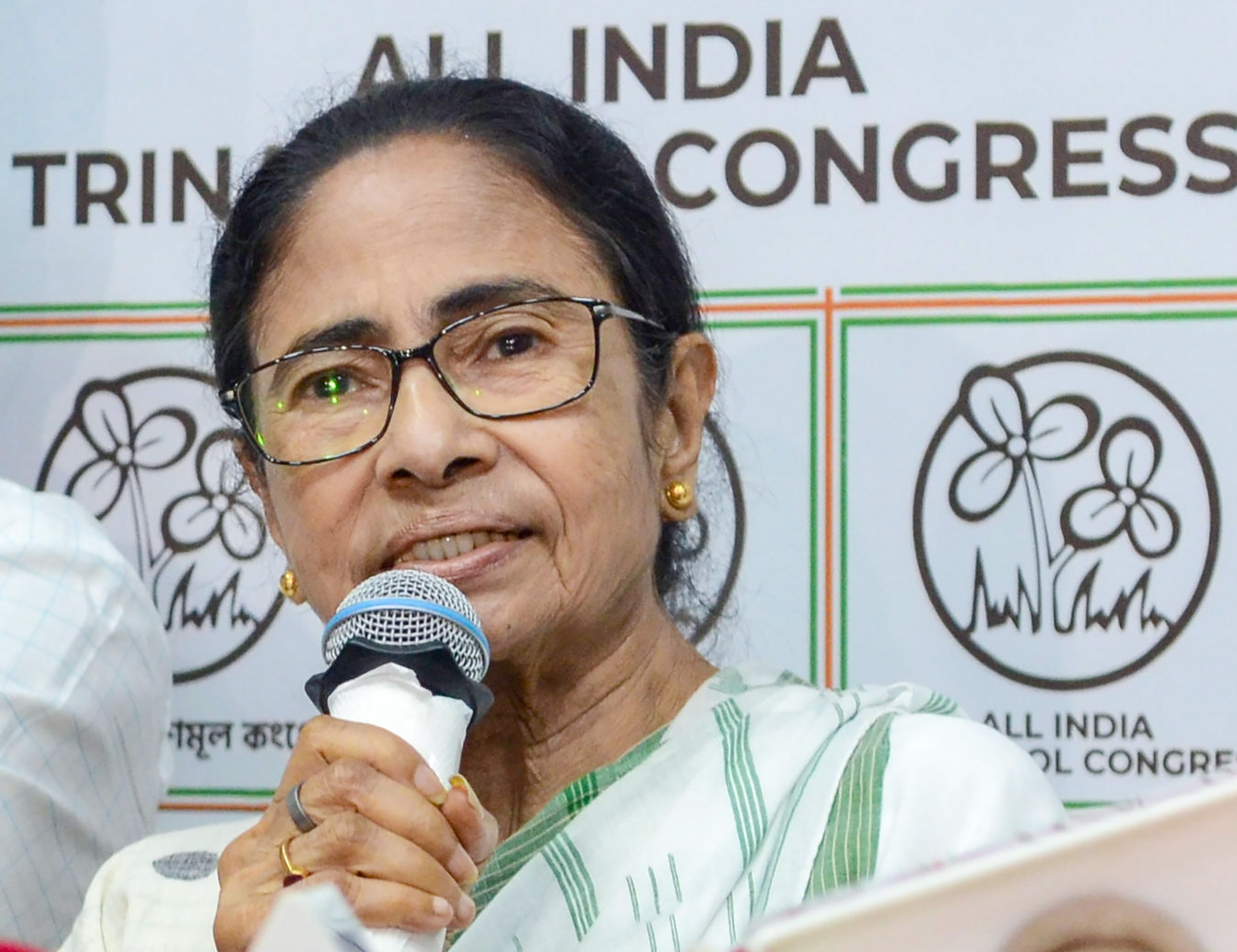
Mamata Banerjee refused to accept the verdict, alleging that over 100 seats were “forcibly taken” and accusing institutions of bias. She described the outcome as a “murder of democracy,” framing the defeat as illegitimate rather than reflective of voter sentiment.
This reaction, while politically understandable, risks compounding the original error. If the problem was a failure to read the electorate, denial only deepens the disconnect.
There is, however, another possibility. Banerjee has always been a resilient political figure. Her declaration—“I will be back”—suggests she sees this not as an end, but as an interruption.
Whether she can reinvent herself once again remains to be seen.
What Bengal Teaches Us
The 2026 West Bengal election is more than a regional story. It offers a set of lessons that resonate across democracies.
First, voters are more perceptive than political elites often assume. They track inconsistencies, evaluate performance, and punish complacency.
Second, welfare is not a substitute for growth. It can alleviate hardship, but it cannot replace aspiration.
Third, narrative politics has limits. Cultural and ideological appeals must be grounded in governance.
Fourth, power changes leaders. The challenge is not just to win power, but to avoid becoming the very system one once opposed.
And finally, democracy has a way of correcting itself. Even in a polarized environment, the electorate retains the capacity to surprise, to disrupt, and to demand accountability.
The End of Certainty
For years, Mamata Banerjee’s hold over Bengal seemed unshakeable. Her political instincts, mass appeal, and welfare network created an aura of inevitability.
The 2026 election shattered that illusion.
It revealed a state in transition, a voter in evolution, and a leader caught between past success and present reality. It showed that no political fortress is impregnable—not even one built on charisma and welfare.
In the end, Mamata Banerjee did not just lose an election. She lost touch with the very people who once made her unstoppable.
And in a democracy, that is the only defeat that truly matters.
With inputs from agencies
Image Source: Multiple agencies
© Copyright 2026. All Rights Reserved. Powered by Vygr Media.