
 By
By 
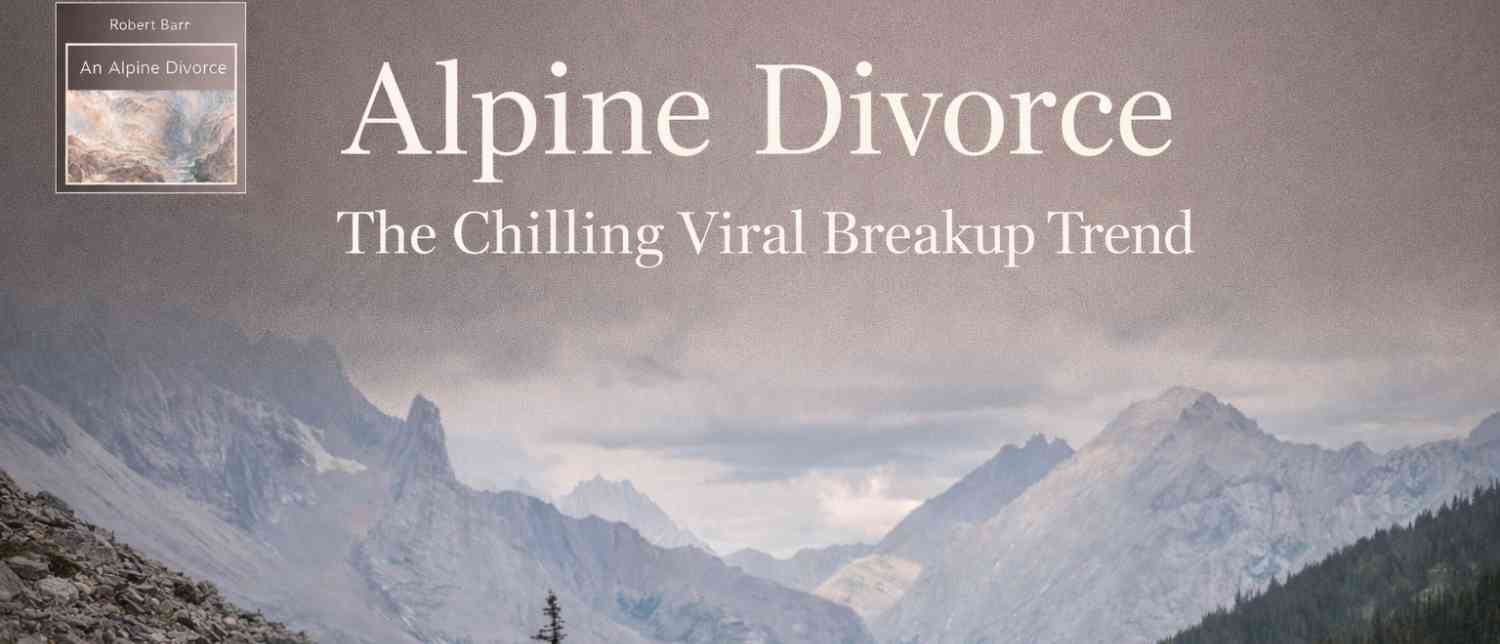
A chilling phrase has taken over TikTok, X, and online forums: “alpine divorce.” What sounds like a dramatic ski-resort breakup has morphed into a viral term describing something far more disturbing—abandoning a partner in a remote wilderness setting as a way to end a relationship.
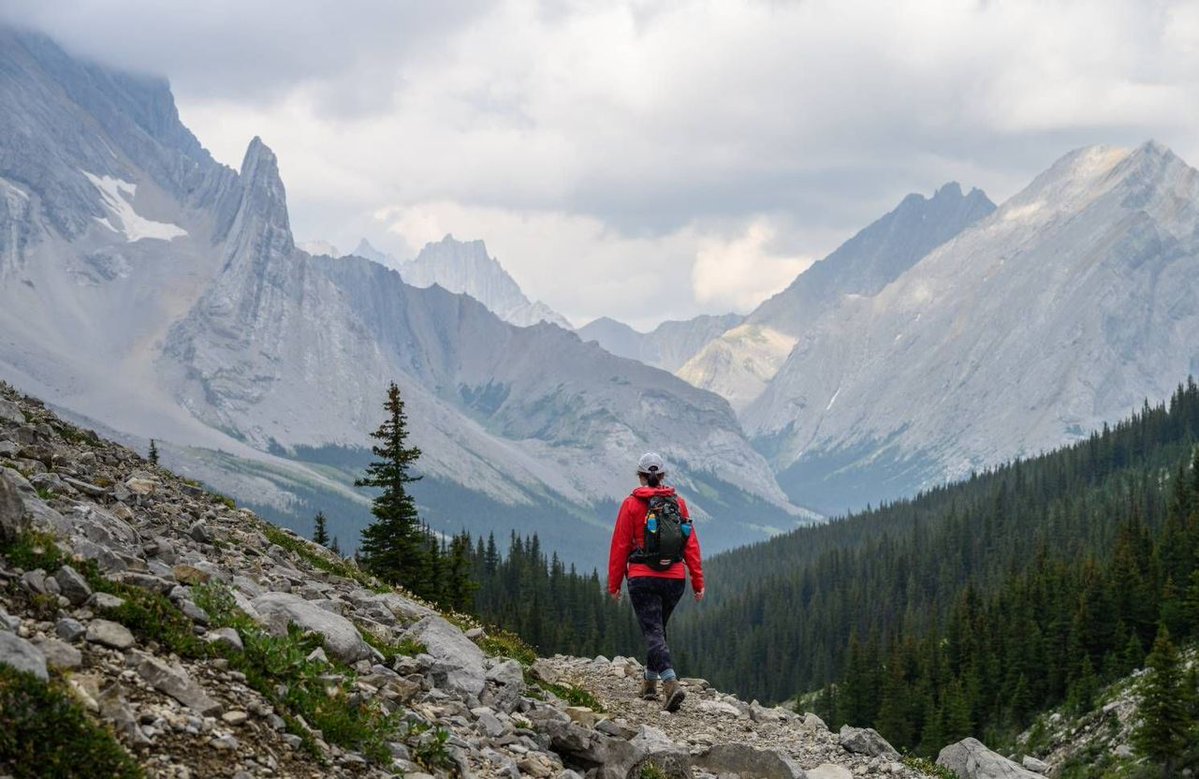
The conversation exploded after a TikTok video showing a woman alone on a hike amassed nearly 20 million views in just over a week. In the clip, she is seen walking across rocky terrain, her shadow visible as she weeps in the background, calling it “the worst Saturday of my life.” According to her overlay text, the man who invited her on the hike allegedly left her behind in the mountains.
Since then, thousands of social media users have shared their own stories, opinions, and warnings. But where did the term “alpine divorce” originate? Is it just dark internet humor—or something more serious?
What Does “Alpine Divorce” Mean?
An alpine divorce refers to the intentional abandonment of a romantic partner in a remote outdoor location—often during a hike, camping trip, mountain climb, or wilderness excursion.
Unlike a legal divorce or mutual breakup, this act is described as:
-
A deliberate form of abandonment
-
A potentially life-threatening situation
-
A sinister way to end a relationship without confrontation
The word “alpine” references mountainous, high-altitude terrain—places where weather changes rapidly, temperatures drop dangerously, and survival requires preparation, gear, and experience. Think of rugged peaks in the Swiss Alps or Scottish Highlands—isolated, unforgiving landscapes where being left alone can quickly become dangerous.
While the phrase is not recognized in any official dictionary, it has become a powerful slang term online—used both as dark humor and as a serious warning.
This tiktok came up on my FYP and it has 4.4 million views. Apparently men abandoning their partners on a hike or in the wilderness is so common it has a name: alpine divorce. Comments are filled with stories.
Things like this snap me back into why being single is perfectly ok. pic.twitter.com/RmiqJXwPan— A Kendrick-level hater 🇵🇸🍉 (@californiabarby) February 23, 2026
The 19th-Century Origin of the Term
Though it feels like a modern internet invention, “alpine divorce” traces back more than 130 years.
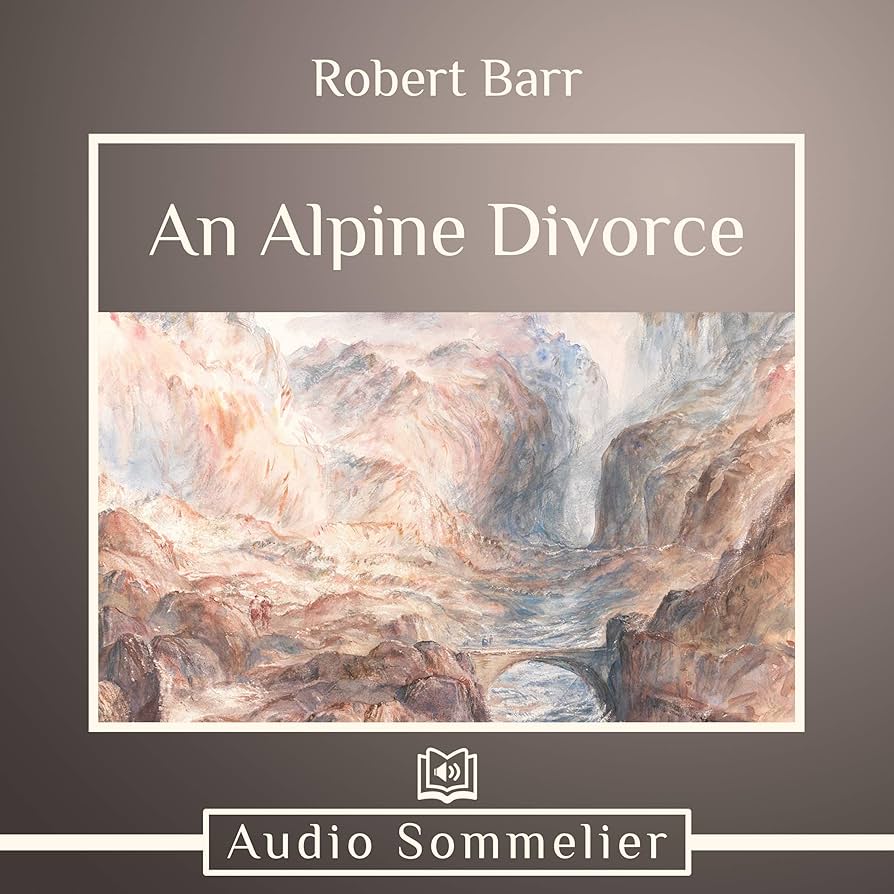
The term originates from the 1893 short story An Alpine Divorce written by Robert Barr.
In Barr’s fictional tale, a husband plots to rid himself of his wife during a vacation in the Swiss Alps. He contemplates pushing her off a cliff in order to free himself from the marriage. The story blends Victorian suspense with dark marital tension and high-stakes alpine danger.
Fast-forward to the 21st century, and internet users have revived the term—transforming it from fictional thriller into modern relationship slang.
Terrifying post on Threads. A woman talked about the phenomenon of “Alpine divorce” & the replies are full of women with traumatic experiences being abandoned.
Women underestimate how much men hate us.
I’ve had a few of these experiences, though not as bad as these women 🧵 pic.twitter.com/EbqePf5ywx— ✮ 🅡🅘🅞🅣 ✮ ☽☾ ⚭ (@rrriot_kitty) February 25, 2026
The Viral TikTok That Sparked the Trend
The phrase resurfaced in early 2026 after a TikTok user, @EverAfterIya, posted a video from a mountain hike on February 18.
In the footage:
-
She walks alone on rocky terrain.
-
Only her shadow appears in frame.
-
She can be heard crying softly.
-
On-screen text reads: “POV: you go on a hike with him in the mountains but he leaves you alone by yourself and you realize he never liked you to begin with.”
The video quickly surpassed 19 million views.
Commenters immediately began labeling the situation an “alpine divorce.” Some users urged her to file a police report, calling it reckless endangerment. One commenter claimed, “There’s a name for this, alpine divorce. This happens frequently enough that there’s a support group for survivors.”
The creator later posted an update confirming she returned safely. She explained that the man allegedly ran ahead because he “wanted to get to the top of the mountain before other people on the trail.” She added that he told her to “keep brainwashing” herself while she repeated affirmations to calm down.
She did not respond to media requests for further comment but stated she was safe and grateful for the support.
I just re-learned about this weird phenomenon people call ‘alpine divorce’ where men intentionally take their girlfriends, wives, or partners on hikes into remote areas to break up with them, start arguments, ask for divorces… and then.. they abandon them there.— Blacksage (@Razifly) February 24, 2026
Social Media Reactions: Fear, Anger, and Debate
After the video went viral, similar stories flooded TikTok and X.
Users described being:
-
Left miles behind on hiking trails
-
Abandoned mid-camp trip
-
Blamed for “not walking fast enough”
-
Gaslit for “not bringing enough water or gear”
One X user wrote:
“The scariest thing in the woods isn’t a wild animal, but a man.”
Another commented:
“Apparently, men abandoning their partners on a hike is so common it has a name: alpine divorce.”
Others questioned whether the trend reflects a deeper gender dynamic, as most contributors sharing experiences have been women. Some men pushed back, arguing that the term promotes misandry.
Whether exaggerated or not, the stories struck a nerve—especially in a post-pandemic world where outdoor adventures and hiking dates have surged in popularity.
Just saw a Tiktok of a girl whose boyfriend abandoned her during a hike in the woods. The comments were all about how this is a thing multiple men do. It's so common it's called Alpine Divorce and there are support groups for it....All I can say is wtf is wrong with men??? Why…— Maryam (@hell_line0) February 24, 2026
A Real-Life Case That Revived the Term
The renewed discussion around alpine divorce also coincided with a tragic mountaineering case in Austria.
In January 2025, mountaineer Thomas Plamberger was found guilty of gross negligent manslaughter in connection with the death of his girlfriend, Kerstin Gurtner.
The couple had attempted to climb Grossglockner, Austria’s highest peak at 12,461 feet.
According to reports:
-
Gurtner was approximately 164 feet from the summit.
-
Conditions turned dark and dangerously cold.
-
She was later found hanging upside down on a cliffside.
-
She froze to death overnight.
Plamberger claimed he descended the mountain to seek help. However, webcam footage allegedly showed him walking down alone, leaving Gurtner behind.
He received a suspended five-month prison sentence and a fine of approximately $11,300 (or €9,600, according to additional reports). Many observers considered the sentence lenient.
The case intensified online conversations, with some drawing parallels to the “alpine divorce” narrative—even though the legal ruling centered on negligence rather than intentional abandonment.
The whole 'Alpine Divorce' thing is terrifying, but not surprising. The scariest thing in the woods isn't a wild animal, but a man. That's why I always go off into the back-country alone. The elements are predictable, people are not.— modern day isabella bird (@_alienbride) February 26, 2026
Why Experts Say It’s More Than a Meme
While some treat alpine divorce as dark humor, professionals warn that abandonment in remote areas can constitute a serious form of abuse.
Experts note that victims often experience:
-
Psychological trauma
-
Gaslighting
-
Blame-shifting
-
Emotional manipulation
In many accounts, the abandoning partner allegedly justifies their actions by criticizing the victim’s pace, preparedness, or fitness level. This can compound emotional harm, leaving survivors questioning their own judgment.
In extreme cases, abandonment in life-threatening terrain can result in injury—or death.
Why Is “Alpine Divorce” Trending Now?
Several cultural factors may explain its rise:
1. Outdoor Dating Culture
Hiking, camping, and adventure trips have become popular date activities. Remote settings increase vulnerability.
2. True Crime Fascination
Audiences are drawn to betrayal narratives, survival stories, and real-life tragedy—fueling viral traction.
3. Social Media Amplification
Hashtags like #AlpineDivorce and #HikingHorror spread rapidly, blending memes with cautionary tales.
4. Gender Discourse
The majority of stories shared online involve women being abandoned by male partners, sparking broader debates about safety and relationship power dynamics.
The concept taps into a primal fear: betrayal in isolation.

How to Stay Safe on Outdoor Dates
While not every hiking disagreement qualifies as “alpine divorce,” safety experts recommend practical precautions:
-
Avoid remote, unfamiliar trails with someone you don’t fully trust.
-
Share your location with friends or family.
-
Carry your own map, water, and emergency supplies.
-
Stick to populated trails, especially on early dates.
-
Contact local authorities or non-emergency services if you feel unsafe.
Preparedness doesn’t mean paranoia—but isolation amplifies risk.
Is Alpine Divorce Real or Exaggerated?
There is no verified database of “alpine divorce” cases. Claims of formal support groups remain unconfirmed. The term exists primarily as internet slang rooted in literature and amplified by viral storytelling.
However, the underlying issue—intentional abandonment in dangerous environments—is real and documented in isolated incidents.
Whether fictionalized or factual, the phrase has become shorthand for something deeply unsettling: choosing cruelty and avoidance over communication.
The Bigger Picture
At its core, the alpine divorce trend reveals more than just a viral buzzword. It highlights:
-
The importance of trust in relationships
-
The dangers of isolation
-
The psychological impact of abandonment
-
The growing intersection between social media storytelling and real-world trauma
What began as a Victorian short story in 1893 has transformed into a 21st-century cautionary tale—shared in comment sections, stitched into TikTok videos, and debated across platforms.
In a world where ghosting already feels harsh, alpine divorce represents a darker metaphor: leaving someone not just emotionally—but physically—alone.
And that’s why people can’t stop talking about it.
With inputs from agencies
Image Source: Multiple agencies
© Copyright 2025. All Rights Reserved. Powered by Vygr Media.