 By
By 
FSSAI analogue paneer ban: India’s food safety regulator has proposed a nationwide crackdown on non-dairy products being sold or marketed as “paneer”, in a move aimed at preventing consumers from being misled about what they are buying and eating.
The Food Safety and Standards Authority of India (FSSAI) has proposed an amendment to existing food regulations that would restrict products made from non-milk constituents from being represented as paneer. The draft proposal specifically targets products categorised as “Analogue in Dairy Context” and seeks to stop them from using the word “Paneer” in their name, labels or marketing.
The proposal comes after growing scrutiny of analogue dairy products and follows similar action already taken by several states. However, the latest national proposal is still a draft, meaning the changes are not yet a final nationwide ban. FSSAI has invited objections and suggestions before the amendment is finalised.
What is analogue paneer?
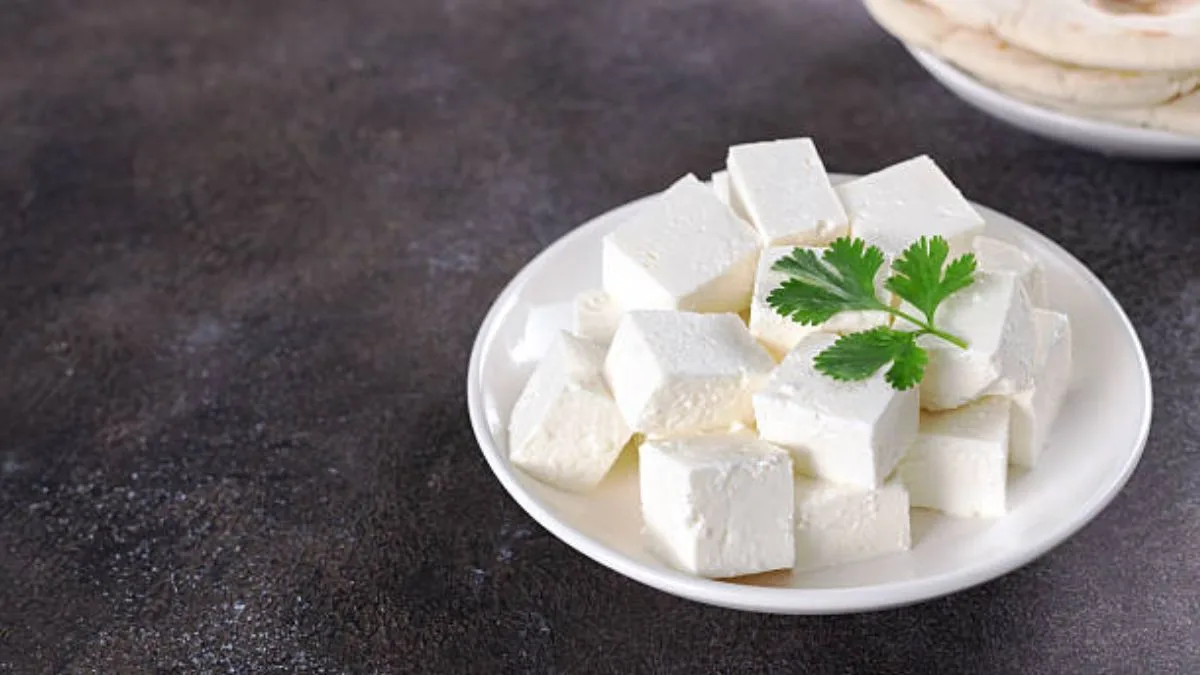
The term “analogue paneer” can sound like another variety of paneer, but the distinction is important.
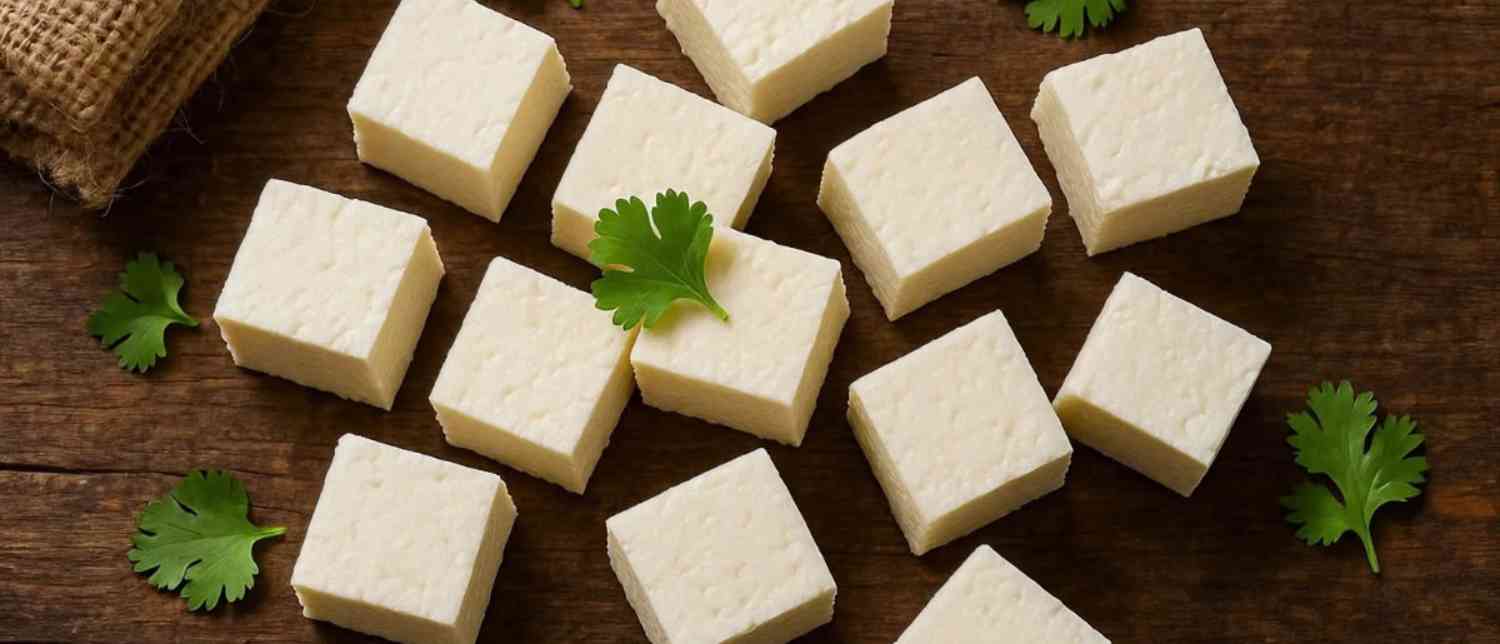
Traditional paneer is a milk-based product. Under the prescribed food standards, milk and milk solids form its basic raw materials, while permitted acidulants, salt and certain spices or condiments may also be used.
Analogue paneer, on the other hand, is formulated to resemble paneer in appearance, texture or function while replacing some or all of the milk constituents with ingredients that are not derived from milk.
Depending on the formulation, such products can contain vegetable oils or fats, starches, plant proteins, emulsifiers, stabilisers and other ingredients. The precise composition can vary from one product to another.
This distinction also explains why calling every analogue product “fake paneer” can be misleading. An analogue product is not automatically the same thing as adulterated dairy paneer. The regulatory concern arises when a non-dairy product is presented to consumers simply as paneer, creating the impression that it is a conventional milk-based product.
Why is FSSAI acting against analogue paneer?
At the heart of the proposed regulation is consumer transparency.
When a customer sees “paneer” on a package, menu or food order, there is an obvious expectation that the product is made according to the standard applicable to milk-based paneer. If a product instead contains non-milk substitutes for key dairy constituents, consumers may not realise what they are purchasing.
FSSAI’s proposed amendment therefore seeks to ensure that the name and presentation of a food product accurately reflect its composition.
The regulator has specifically proposed that products already licensed or registered under the “Analogue in Dairy Context” category should discontinue the use of the term “Paneer” in their nomenclature, labelling and marketing.
The move also has implications beyond packaged food. Restaurants, hotels, caterers and other food-service businesses have increasingly come under scrutiny over the use of dairy substitutes in dishes advertised as paneer-based foods.
Is analogue paneer unsafe?
The answer is more nuanced than simply calling analogue paneer “unsafe”.
An analogue product can be formulated using non-dairy ingredients and is not necessarily an adulterated food merely because it does not contain the same ingredients as conventional paneer. The bigger regulatory issue is whether consumers are clearly informed about what they are being served.
There is also a nutritional consideration.
Paneer is widely consumed in India as a source of protein and other nutrients associated with dairy foods. When milk fat, milk protein or other milk constituents are replaced with vegetable fats, starches or plant-based ingredients, the nutritional profile can be different from that of conventional dairy paneer.
That does not mean every analogue product has the same nutritional deficiencies, nor does it establish that all such products are inherently harmful. Their composition depends on the formulation. The important point for consumers is that a non-dairy analogue should not be assumed to have the same nutritional characteristics as milk-based paneer.
What exactly has FSSAI proposed?
The proposed amendment would add restrictions concerning “paneer made of constituents not derived from milk.”
More significantly, products already licensed or registered under the “Analogue in Dairy Context” category would no longer be permitted to use the word “Paneer” in their:
-
Product nomenclature
-
Labels
-
Marketing and promotional material
The objective is to prevent a substitute product from being presented in a way that could make consumers believe it is conventional dairy paneer.
The proposal does not become law immediately. Since it is a draft regulation, FSSAI has opened a 60-day period for stakeholders and members of the public to submit objections and suggestions. The final provisions will be considered after this consultation process.
Restaurants could face greater scrutiny
The proposed changes could have a direct impact on the food-service industry.
Restaurants and caterers may use dairy analogues because they can serve a functional purpose similar to conventional dairy products. But when such ingredients are used in dishes described simply as “paneer”, the customer may have no way of knowing that a substitute has been used.
Earlier regulatory directions had already focused on clearer disclosure of dairy analogues. Food-service establishments have been advised to ensure that procurement teams and chefs know whether incoming products are genuine dairy products or analogues, while appropriate disclosure may be required on menus or display boards.
Regulatory action has also extended to inspections and verification of raw materials, placing greater responsibility on food businesses to know what they are purchasing and serving.
For consumers, this could eventually mean clearer information when ordering dishes such as paneer tikka, kadai paneer, matar paneer or other paneer-based preparations outside the home.
Several states have already taken action
The proposed national regulation comes after a series of state-level measures against analogue paneer.
Several states have already introduced restrictions or bans covering the manufacture, processing, storage, distribution or sale of analogue paneer. The growing state-level action has added momentum to calls for a uniform national approach.
The regulatory debate has also intensified following food-safety inspections, laboratory testing and concerns about products being sold under names that do not accurately reflect their composition.
Earlier in 2026, food-safety authorities also directed food businesses to stop representing cheese analogues as paneer and stressed the need for proper product naming and disclosure.
Why the word “paneer” matters
For consumers, the controversy ultimately comes down to a deceptively simple question: What exactly are you paying for?
A customer choosing paneer may do so because they expect a milk-based food. If the product is made primarily by replacing milk constituents with vegetable fats, starches or other non-dairy ingredients, the consumer may reasonably want that difference to be clearly disclosed.
That is why the latest proposal focuses heavily on nomenclature and labelling rather than simply treating every dairy analogue as an illegal substance.
The proposed approach attempts to draw a clearer line between a product that is openly sold as a non-dairy analogue and one that is marketed simply as paneer.
What should consumers do meanwhile?
Until the proposed national rules are finalised, consumers should not assume that every product marketed informally as “paneer” has the same composition.
For packaged products, checking the ingredient list and product description remains important. Consumers buying from restaurants can also look for menu disclosures where available.
It is also worth remembering that appearance alone is not a reliable way to determine whether a product is genuine dairy paneer. Analogue products are specifically designed to resemble conventional dairy products, making laboratory testing and proper labelling more dependable than visual inspection.
FSSAI analogue paneer ban: What happens next?
For now, the proposed FSSAI analogue paneer ban remains a draft regulation, not a final nationwide prohibition.
The 60-day consultation period will allow food businesses, manufacturers, industry representatives and members of the public to submit their views. FSSAI will then consider the responses before deciding on the final regulatory framework.
If the proposal is notified in its current form, products made from non-milk constituents would no longer be able to use “Paneer” as their product identity, potentially changing how such products are manufactured, packaged, marketed and described on restaurant menus.
For millions of consumers, however, the larger significance goes beyond one food item. The proposed crackdown signals a broader push toward clearer food labelling and greater transparency about what is actually on the plate.
And when it comes to a food as familiar as paneer, that distinction could make the label on the packet — or the description on a restaurant menu — more important than ever.
With input from agencies
Image Source: Multiple agencies
© Copyright 2026. All Rights Reserved. Powered by Vygr Media.