
 By
By 
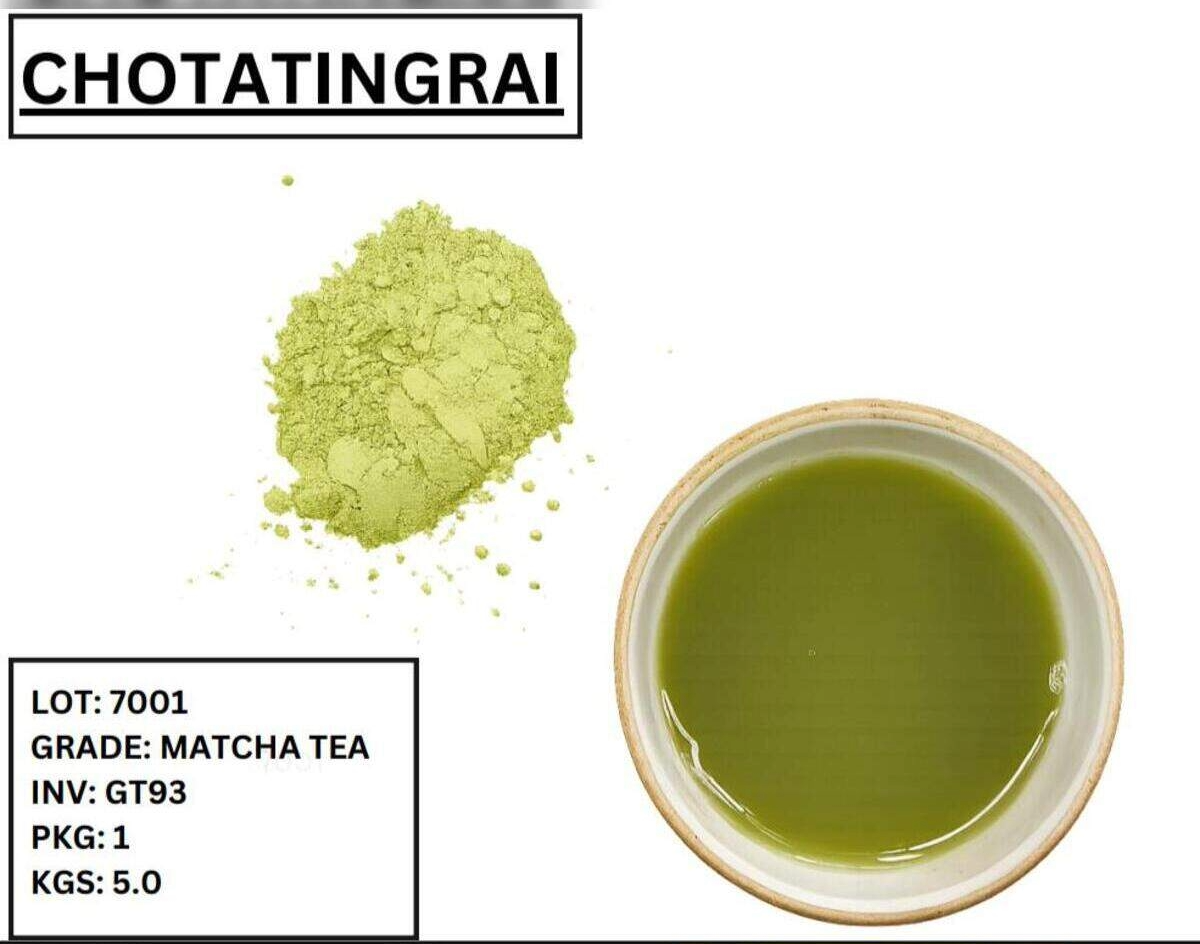
Assam has added a new chapter to India's tea legacy by becoming the country's first commercial producer of matcha tea, marking a significant breakthrough in the premium global tea market. The milestone, achieved by the Chota Tingrai Tea Estate in Assam's Tinsukia district after nearly a decade of collaboration with Japanese tea experts, is being hailed as a landmark moment for India's tea industry.
The first batch of Indian-made matcha was officially launched on Friday and auctioned at the Guwahati Tea Auction Centre, where it fetched an impressive price of Rs 3,000 per kilogram, reflecting growing confidence in the product's quality and market potential.

A Historic First for India's Tea Industry
For centuries, matcha has been synonymous with Japan. The finely ground powdered green tea, renowned for its vibrant green colour, distinctive flavour and ceremonial significance, has become one of the world's fastest-growing premium beverages. From cafés in Tokyo and New York to health-conscious consumers across Europe, matcha has evolved into a global phenomenon.
India, despite being among the world's largest tea producers, had never commercially produced matcha until now.
That changed with the successful launch by Chota Tingrai Tea Estate, making Assam the first Indian state to commercially manufacture matcha tea. The achievement follows years of research, experimentation and technical collaboration with Japanese specialists to master the intricate cultivation and processing techniques required for authentic matcha production.
Unlike conventional green tea, matcha production involves specialised agricultural practices. Tea bushes are shaded before harvest to boost chlorophyll levels, giving the leaves their characteristic emerald-green appearance while enhancing amino acid content. The leaves are then carefully steamed, dried, stripped of stems and veins, and finally stone-ground into an ultra-fine powder.
These meticulous steps make matcha significantly more labour-intensive than traditional tea production, contributing to its premium pricing worldwide.
A Decade of Preparation
The launch is the culmination of nearly ten years of sustained efforts.
Industry experts associated with the project noted that replicating Japan's centuries-old production methods in Assam required not only suitable tea cultivars but also specialised machinery and extensive technical know-how. Japanese experts worked closely with local tea professionals to adapt the process to Assam's climate and growing conditions without compromising quality.
The successful outcome demonstrates that India's tea industry is capable of moving beyond its traditional black tea dominance and entering high-value specialty tea segments that command premium prices internationally.
The development also reflects a broader trend within the tea industry, where producers are increasingly diversifying into niche products to improve profitability amid changing consumer preferences.
Rs 3,000 Per Kg Auction Signals Strong Market Confidence
The first commercial batch attracted considerable attention during its debut auction at the Guwahati Tea Auction Centre.
The matcha fetched Rs 3,000 per kilogram, a price that industry observers believe validates both the quality of the product and the growing commercial potential of premium Indian specialty teas. While premium orthodox and handcrafted teas often command high auction prices, the successful sale of India's first commercially produced matcha opens an entirely new segment for domestic producers.
The auction also arrives at a time when global demand for matcha continues to outpace supply.
International markets have witnessed rising consumption driven by growing awareness of matcha's perceived health benefits, widespread use in beverages, desserts and wellness products, and increasing popularity among younger consumers.
With worldwide demand surging and supply remaining constrained, India's entry into the market could create new export opportunities for the country's tea sector.
Why Matcha Is Different
Although both green tea and matcha come from the same plant, their cultivation, processing and consumption differ significantly.
Traditional green tea is prepared by steeping processed leaves in hot water before discarding them. Matcha, on the other hand, is consumed in powdered form, meaning drinkers ingest the entire tea leaf. This has helped position matcha as a nutrient-rich beverage that contains high levels of antioxidants, amino acids and natural caffeine.
Its smooth texture, vibrant appearance and versatility have also expanded its appeal beyond tea drinkers. Today, matcha is commonly used in lattes, smoothies, ice creams, chocolates, cakes and a range of premium food products across global markets.
The combination of wellness trends and culinary innovation has transformed matcha from a traditional Japanese ceremonial beverage into a multi-billion-dollar international industry.
Boost for Assam's Tea Economy
Assam has long been recognised as one of the world's premier tea-growing regions, producing the robust black tea that enjoys international recognition. However, the successful commercial production of matcha demonstrates the state's ability to diversify into premium-value categories rather than relying solely on conventional tea production.
The breakthrough is particularly significant given the challenges the tea industry has faced in recent years, including climate variability, erratic rainfall, rising temperatures, pest infestations and increasing production costs. Diversification into specialty teas could help producers improve margins while reducing dependence on traditional commodity markets.
Industry stakeholders believe products like matcha can enhance the competitiveness of Assam's tea sector by targeting premium consumers willing to pay substantially higher prices for specialty beverages.
Government Welcomes the Achievement
Assam Chief Minister Himanta Biswa Sarma welcomed the development, describing it as a historic achievement for both the state and India's tea industry.
The launch highlights Assam's evolving role not only as the country's largest tea-producing region but also as a centre for innovation in tea cultivation and value addition.
Officials believe the success could encourage other tea estates to explore specialty products, including premium green teas, white teas and other high-end varieties that cater to changing global consumer preferences.
Your favourite Matcha brew, will now be produced in Assam.
Furthering our glorious tea legacy, Assam becomes the first State in India to commercially produce Matcha tea at the Chota Tingrai Tea Estate in Tinsukia.
This diversification to the viral drink will help strengthen… pic.twitter.com/Yyfigliorw— Himanta Biswa Sarma (@himantabiswa) July 3, 2026
Export Opportunities on the Horizon
The timing of India's entry into commercial matcha production could prove advantageous.
Global demand has continued to grow rapidly, particularly in North America, Europe and parts of Asia, where matcha consumption has expanded beyond traditional tea ceremonies into mainstream cafés and retail markets.
Industry analysts suggest that India's established tea export infrastructure, combined with Assam's favourable agro-climatic conditions and decades of tea cultivation expertise, could enable the country to emerge as an alternative supplier in the premium matcha segment.
While Japan is expected to remain the benchmark for ceremonial-grade matcha, Indian producers may find significant opportunities in culinary-grade and commercial matcha used by food manufacturers, cafés and beverage companies worldwide.
A New Chapter for Indian Tea
The commercial launch of India's first matcha tea represents more than just the introduction of a new product. It signals the beginning of a strategic shift toward innovation, diversification and value addition within one of the country's oldest agricultural industries.
As global consumers increasingly seek premium, health-oriented beverages, India's entry into the matcha market positions Assam to capture emerging opportunities while reinforcing its reputation as one of the world's great tea-producing regions.
The successful auction of the inaugural batch, years of international collaboration and the industry's growing confidence suggest that Indian matcha could soon become an important addition to the country's expanding portfolio of specialty teas.
If production scales successfully and quality standards are consistently maintained, Assam's pioneering initiative may not only reshape India's tea landscape but also establish the country as a credible player in one of the fastest-growing segments of the global tea market.
With inputs from agencies
Image Source: Multiple agencies
© Copyright 2026. All Rights Reserved. Powered by Vygr Media.