
 By
By 
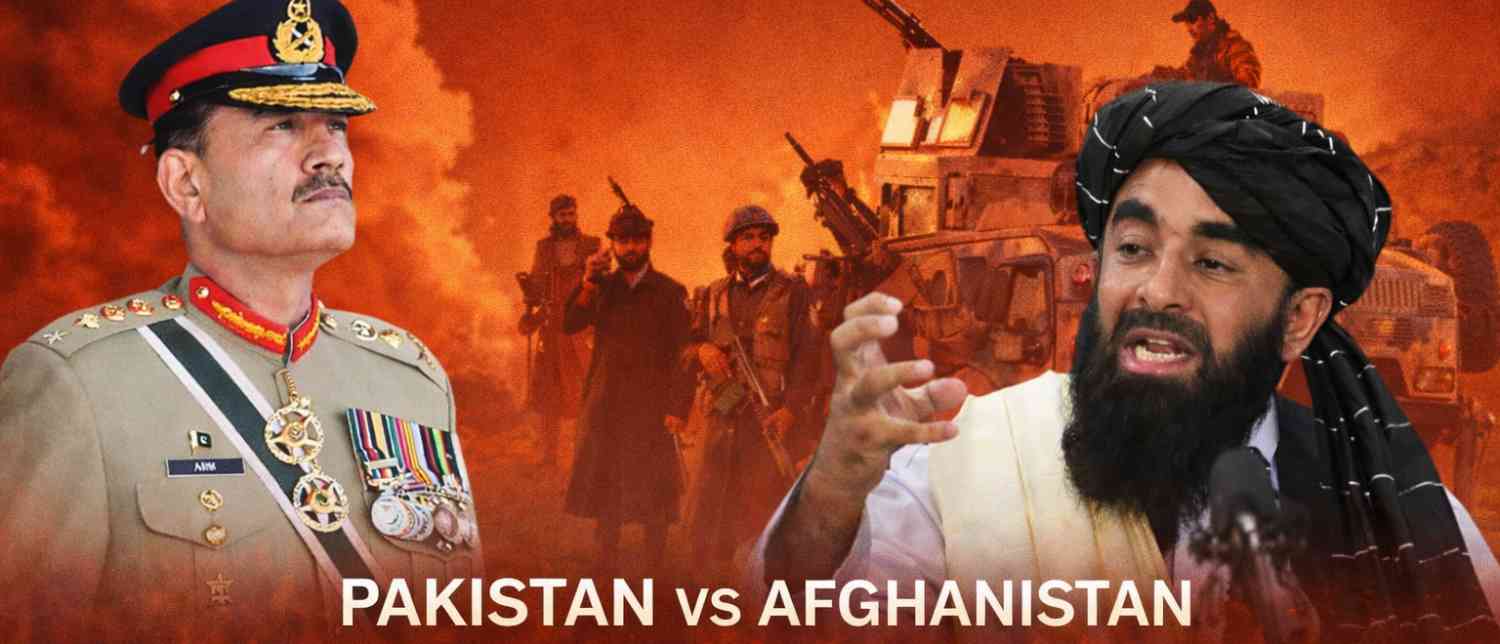
The long-simmering tensions between Pakistan and Afghanistan have erupted into what Islamabad now openly calls an “open war.” What was once a shadow contest of proxy maneuvering has, at least for now, transformed into direct military confrontation across the disputed Durand Line. Airstrikes, ground offensives, fiery political rhetoric, and competing casualty claims have plunged the region into one of its most dangerous crises in decades.
But this conflict is not simply about recent cross-border attacks. It is the culmination of a century-old border dispute, militant safe havens, ethnic nationalism, regional geopolitics, and Pakistan’s enduring security anxieties. From the Durand Line dispute to the Tehrik-i-Taliban Pakistan (TTP), and from India’s evolving role to reactions by China, Russia, Turkey, Saudi Arabia, and Iran, the crisis is layered and complex.
The Immediate Spark: Airstrikes, Retaliation and “Open War”
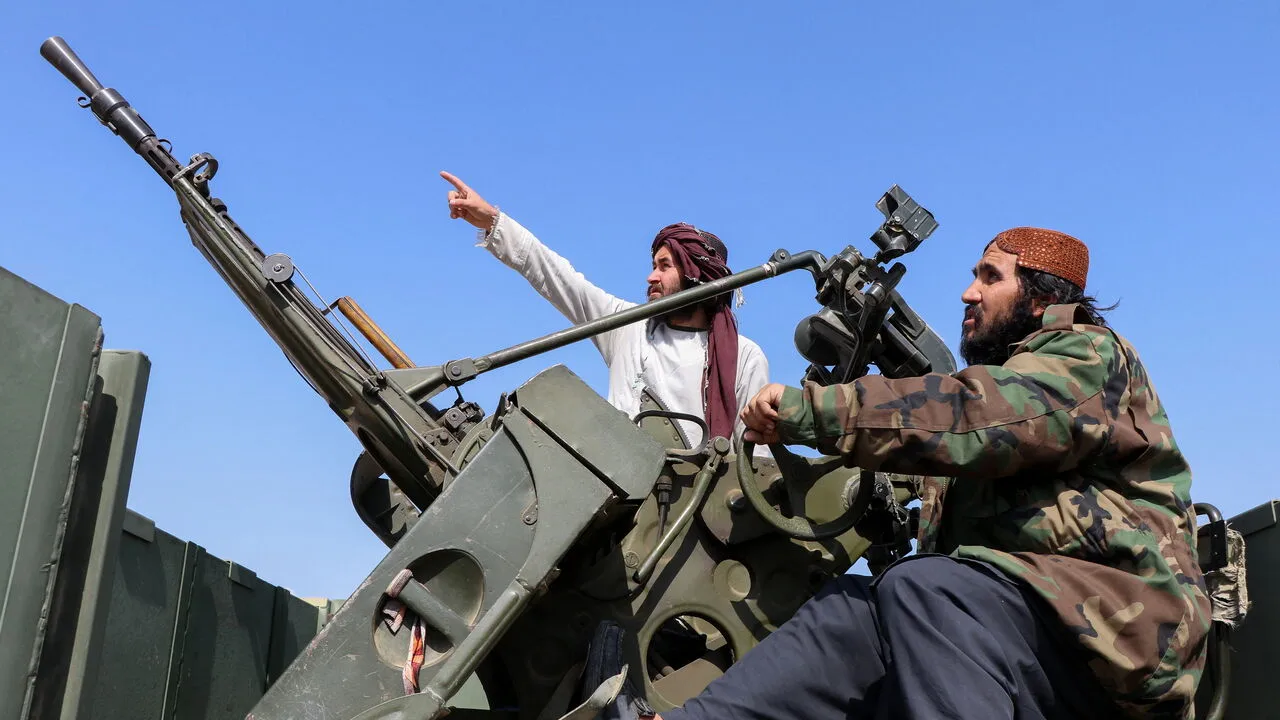
On February 21, Pakistan launched airstrikes targeting alleged militant sanctuaries in Nangarhar, Paktika, and Khost provinces. Islamabad claimed it was targeting fighters of the Tehrik-i-Taliban Pakistan (TTP) and ISIS-K. The strikes were followed by further attacks on Kabul, Kandahar, and Paktia.
In response, Afghanistan launched retaliatory ground operations along the Durand Line on February 26. According to Afghanistan’s Ministry of National Defence, 55 Pakistani soldiers were killed, two bases and 19 posts were captured during operations that began at 8:00 PM on the 9th of Ramadan.
Pakistan escalated further with “Operation Ghazab Lil Haq,” claiming to have killed more than 130 Taliban fighters—some figures cite 133—wounded over 200, destroyed 27 Taliban posts and captured nine. In other official claims, Pakistan said 274 Taliban fighters were killed and 12 of its own soldiers lost.
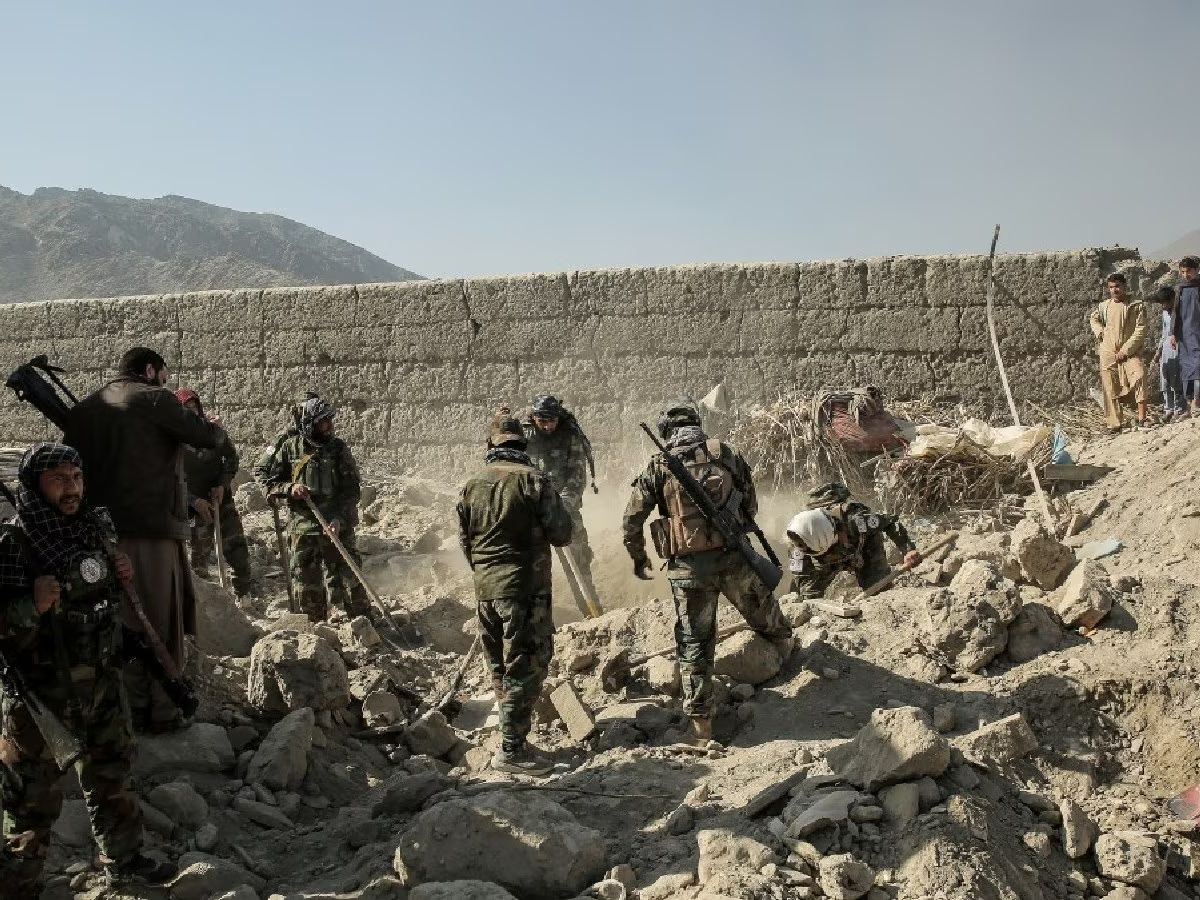
Afghanistan, however, disputes these numbers, asserting only 13 of its fighters were killed and accusing Pakistan of targeting civilians, including women and children, during the holy month of Ramadan.
The rhetoric has been equally intense. Pakistan’s Defence Minister Khawaja Asif declared that Pakistan’s “cup of patience has overflowed” and that it was now in “open war” with Afghanistan. In a fiery post, he accused the Taliban administration of harboring terrorists and “exporting terrorism” after the withdrawal of NATO forces. He added dramatically: “Now it will be ‘Dama Dam Mast Qalandar’… We are your neighbours; we know your ins and outs.”
Pakistan’s Interior Minister Mohsin Naqvi described the strikes as a “befitting response” to alleged Afghan attacks on Pakistani border troops.
On the Afghan side, Taliban spokesperson Zabihullah Mujahid condemned the airstrikes as “cowardly,” stating that while Pakistani jets hit Kabul, Kandahar and Paktia, there were no casualties reported from those specific strikes.
Casualty figures remain contested and unverifiable. Yet beyond numbers lies a far more consequential development: the structurally unstable frontier between the two countries has entered a volatile and potentially dangerous new phase.
The Durand Line: A Border That Never Settled
At the heart of the Pakistan-Afghanistan conflict lies the Durand Line—a 2,611 to 2,640-kilometre boundary drawn in 1893 between British India and Afghanistan.
Afghanistan has never formally recognised the Durand Line as an international border. The boundary split ethnic Pashtun tribes between what became Pakistan in 1947 and Afghanistan. This division embedded a historical grievance into modern state geography.
After Pakistan’s creation in 1947, Afghanistan was the only country to vote against Pakistan’s admission to the United Nations, largely due to the Durand dispute. The issue has remained the core political grievance between the two nations for over a century.
Early Hostility (1947–1970s)
Following Pakistan’s independence, Afghanistan supported the idea of “Pashtunistan”—an independent state carved out of Pakistan’s northwest. Border skirmishes occurred in the 1950s and 1960s. Diplomatic ties were periodically severed. Though not full-scale war, tensions were persistent and sometimes violent.
Militarisation and Proxy Warfare: From Soviet Invasion to 9/11
Soviet–Afghan War (1979–1989)
When the Soviet Union invaded Afghanistan in 1979, Pakistan became the frontline state supporting Afghan resistance fighters (Mujahideen). Backed by the United States and Saudi Arabia, Pakistan’s intelligence agency trained and armed Afghan fighters. Millions of Afghan refugees fled into Pakistan.
This period militarised the border region and strengthened Islamist militant networks that later destabilised both countries.
Rise of the Taliban (1990s)
In the mid-1990s, Pakistan supported the rise of the Taliban. By 1996, the Taliban controlled most of Afghanistan. Kabul later accused Pakistan of backing Taliban militants as part of its strategy to secure influence and “strategic depth” against India.
Post-9/11 Tensions (2001–2021)
After the 9/11 attacks, the US invaded Afghanistan. Pakistan officially joined the US war on terror, but Afghan governments repeatedly accused Islamabad of allowing Taliban leaders to operate from safe havens in Pakistan.
Violence escalated through cross-border shelling, militant infiltration, suicide bombings, and Pakistani military operations in tribal areas. It was during this period that the Tehrik-i-Taliban Pakistan (TTP) emerged as a major threat to Pakistan itself.
The TTP Factor: Core Security Dispute
The Tehrik-i-Taliban Pakistan (TTP) is separate from Afghanistan’s ruling Taliban but shares ideological roots. The TTP aims to overthrow the Pakistani state.
Pakistan alleges that TTP fighters operate from Afghan provinces near the border. Kabul denies officially supporting TTP but has not decisively dismantled them.
After the Taliban returned to power in 2021, Pakistan initially expected strategic dividends. Instead, TTP attacks intensified. Reports indicate that over 2,400 Pakistani security personnel were killed in 2025 alone—the highest toll in a decade.
Recent attacks in Islamabad, Bajaur and Bannu, attributed by Pakistan to Afghan-based militants, served as immediate triggers for escalation.
The Taliban’s reluctance to confront the TTP stems from shared Pashtun ties and fears of internal fragmentation, including possible defections to ISIS-K.
Fencing, Refugees and Escalating Friction
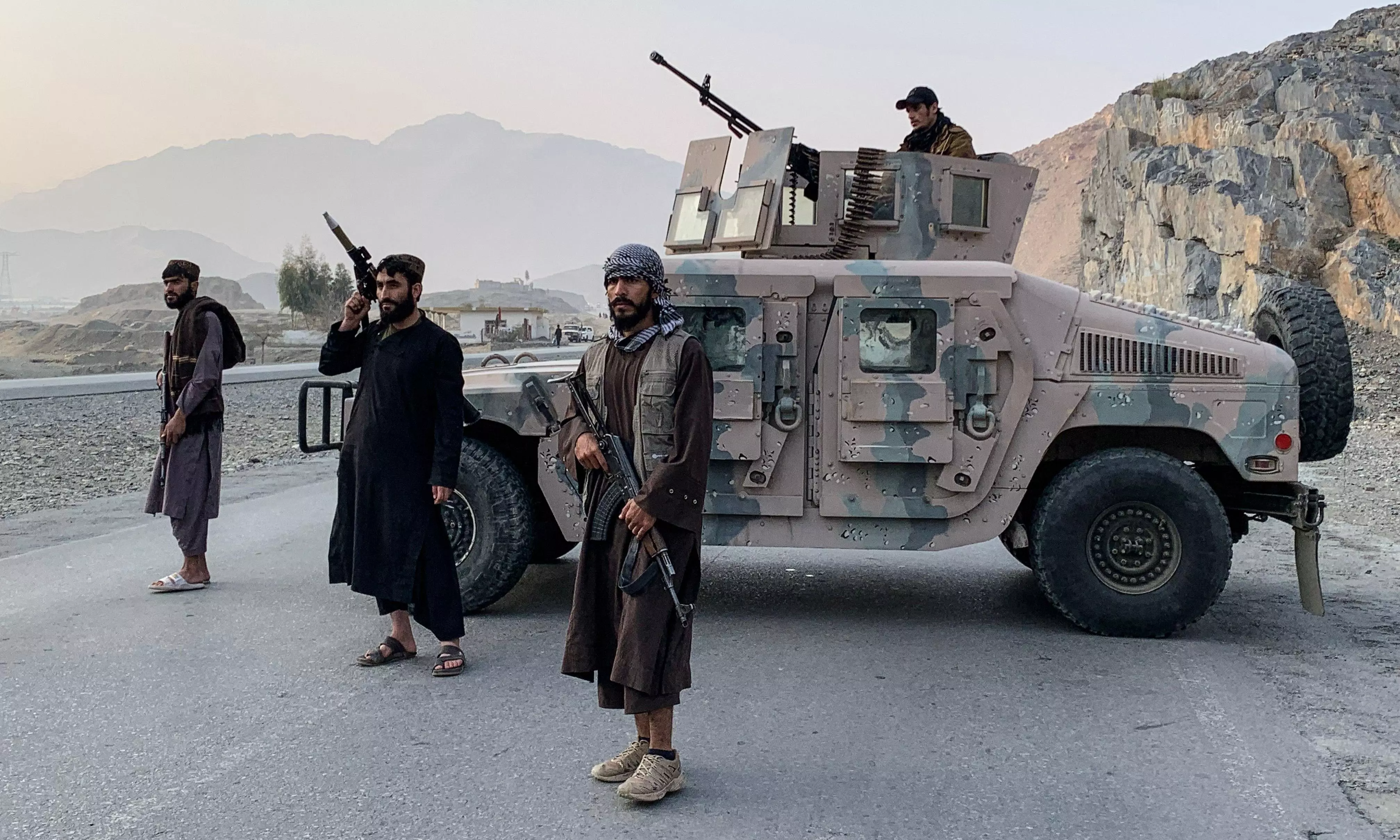
Another flashpoint is Pakistan’s continued fencing along the Durand Line. Afghan Taliban forces have sometimes removed fencing or blocked construction, leading to shootouts.
Pakistan has also arrested and deported large numbers of undocumented Afghan refugees, linking some security threats to refugee flows. This has further worsened diplomatic tensions.
The Failed October 2025 Ceasefire
In October 2025, Afghanistan and Pakistan agreed to a 48-hour ceasefire after intense border clashes triggered by militant attacks and retaliatory airstrikes.
The truce was mediated by regional actors including Qatar and Turkey. However, it lacked a formal enforcement mechanism. Once it expired, accusations quickly resurfaced. Pakistan alleged continued TTP activity from Afghan territory, while Kabul accused Pakistan of renewed airstrikes and sovereignty violations.
With deep mistrust unresolved, sporadic clashes resumed.
The India Factor: Strategic Anxiety in Islamabad
A critical dimension of the current crisis is geopolitics.
Islamabad has accused Kabul of drifting into an “India colony,” particularly after Afghan Foreign Minister Amir Khan Muttaqi visited New Delhi and issued a joint statement condemning regional terrorism.
India has not yet issued a fresh statement on the latest flare-up but previously condemned Pakistan’s airstrikes on Afghan territory, stating that civilian casualties—including women and children—occurred during Ramadan.
India’s Ministry of External Affairs, through spokesperson Randhir Jaiswal, said the strikes were “another attempt by Pakistan to externalise its internal failures” and reiterated India’s support for Afghanistan’s sovereignty, territorial integrity and independence.
India has consistently reaffirmed its commitment to Afghanistan’s sovereignty and criticised Pakistan for cross-border terrorism.
For New Delhi, the crisis presents both opportunity and risk. A distracted Pakistan may ease immediate pressure along India’s western frontier. However, instability in Afghanistan could threaten Indian development projects and connectivity ambitions to Central Asia, including the Chabahar corridor.
Pakistan’s escalation can plausibly be interpreted as an attempt to deter Kabul’s deepening engagement with India.
Regional Reactions: China, Russia, Turkey, Saudi Arabia and Iran
China
China, which maintains close ties with both countries through a tripartite mechanism, called for calm and restraint. Beijing urged both sides to resolve differences through dialogue and achieve a ceasefire to avoid further suffering.
Escalation threatens China’s investments in Pakistan under CPEC and broader regional connectivity projects.
Russia
Russia expressed concern over the “sharp escalation” involving regular army units, air force and heavy weapons. Foreign Ministry spokesperson Maria Zakharova urged both sides to return to the negotiating table.
Kremlin’s Special Envoy for Afghanistan, Zamir Kabulov, also called for a swift end to hostilities and a diplomatic resolution.
Turkey and Saudi Arabia
Pakistan’s Deputy Prime Minister and Foreign Minister Ishaq Dar held discussions with Turkish Foreign Minister Hakan Fidan and Saudi Foreign Minister Faisal bin Farhan.
Both countries emphasised peace and stability and agreed to stay closely engaged. Notably, Pakistan and Saudi Arabia signed a joint defence agreement last year pledging mutual assistance in case of attacks by a third country.
Iran
Iran’s Foreign Minister Seyed Abbas Araghchi urged both sides to resolve differences through dialogue and good neighbourliness, offering Tehran’s support for mediation. He invoked the spirit of Ramadan as an opportunity to promote unity across the Islamic world.
Economic and Humanitarian Fallout
The economic consequences are severe.
Afghanistan depends heavily on Pakistani ports for transit trade. Pakistan derives revenue and strategic depth from its western corridor. Border closures risk paralysing economic activity in Khyber Pakhtunkhwa and Balochistan.
Major connectivity projects, including the TAPI gas pipeline and Eurasian transport initiatives, face renewed uncertainty.
The humanitarian dimension is equally stark. Civilian casualties, displacement, and potential refugee flows compound Afghanistan’s already dire socio-economic crisis.
Prolonged instability could embolden Baloch separatists, invigorate ISIS-K, and fragment militant ecosystems further.
Will It Become a Full-Scale War?
Despite the rhetoric of “open war,” a prolonged conventional conflict remains unlikely.
Afghanistan lacks airpower and conventional depth. Pakistan cannot afford a sustained two-front contingency, especially given its eastern border with India and internal security challenges.
The logic of escalation is therefore bounded by structural constraints, even if tactical brinkmanship continues.
No More Pretences: Pakistan’s Strategic Crossroads
This crisis marks a qualitative shift—from deniable proxies to overt confrontation.
Tactical de-escalation, possibly under regional mediation, appears probable. But absent movement on core issues—the Durand Line dispute, TTP sanctuaries, refugee management, and the broader contest for regional influence—the frontier will remain combustible.
For Pakistan, the message is stark: strategic ambivalence toward militant groups has produced diminishing returns. Security dilemmas rooted in history and identity cannot be resolved through episodic airstrikes or coercive signalling.
If Islamabad seeks stability, it must fundamentally recalibrate its Afghan policy—abandoning selective militancy, investing in sustained political engagement, and addressing structural drivers of radicalisation within its own borders.
Durable security will not emerge from managing proxies or manufacturing deterrence narratives. It requires credible commitments, regional cooperation, and introspection in Islamabad.
Until then, the Pakistan-Afghanistan frontier will remain trapped in a cycle of insecurity—volatile, unresolved, and perpetually on the brink.
With inputs from agencies
Image Source: Multiple agencies
© Copyright 2025. All Rights Reserved. Powered by Vygr Media.