 By

The first tranche of the India-US trade agreement will cover goods only. The advantage Delhi has been promised depends on how Washington finishes its own tariff overhaul.
New Delhi: For months, India has said it will sign a trade deal with the United States only if its exporters come out ahead of their competitors. Indian officials say Washington has now agreed to that principle.
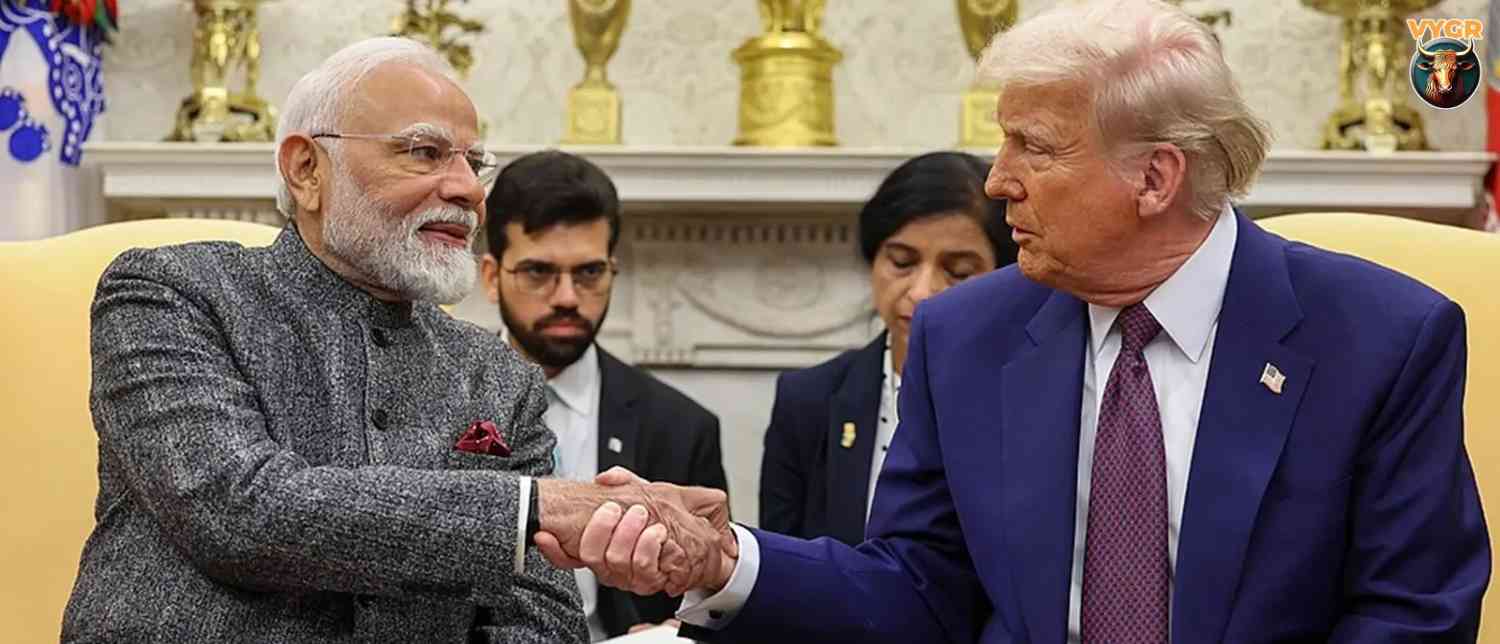
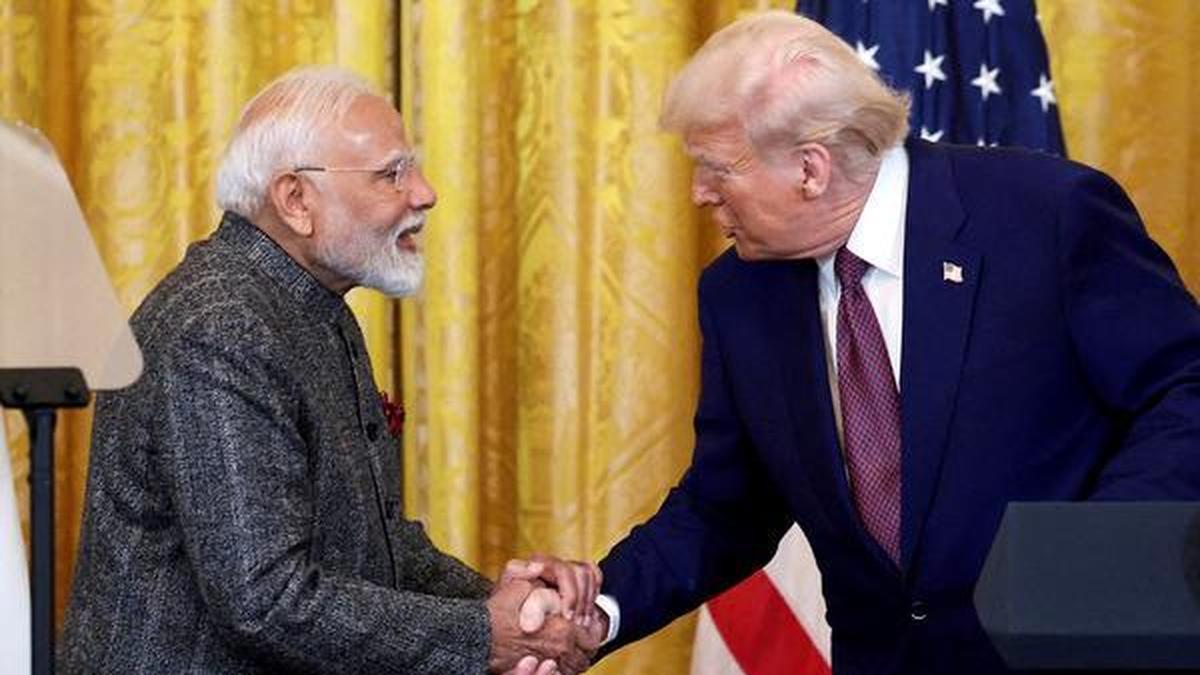
The US has assured India of a “comparative tariff advantage” over rival exporting countries under the proposed deal, government sources said on Friday. The two sides are concluding negotiations on the first tranche of the bilateral trade agreement, which will cover goods only and leave services for a later round.
What was promised, and what is conditional
The assurance means that Indian goods would face lower duties in the US market than those from competing countries. But the benefit is not immediate. Officials said the advantage will take effect only after Washington finalises its broader tariff framework, which remains subject to continuing US trade investigations under Section 301 of its trade law. These cover excess industrial capacity in several economies and forced labour. The forced-labour probe has already resulted in a 10% tariff on India, according to the officials.
In other words, the promise is real but contingent. India has been told it will come out ahead, but the final numbers depend on decisions that have not yet been made in Washington.
The draft text also reportedly includes a clause that would let either country adjust its commitments if the other changes its tariffs unilaterally. For Indian negotiators, this offers some protection against the risk that the benefit is later diluted.
Where the talks stand
Commerce Secretary Rajesh Agrawal said a two-member US team visited New Delhi earlier this month for discussions on customs matters and trade facilitation, and that the two sides found common ground on several issues. Officials told reporters that both sides are aiming to conclude the first tranche by March 2027, though that timeline has come from a single report and has not been formally announced.
The pace has been slow. In October, Trade Minister Piyush Goyal said the first phase was in the final stages of drafting and would be finalised soon, but repeated that India would go ahead only if it gets an advantage over competing exporters. Agrawal added that India wanted preferential market access and greater tariff stability. Around the same time, US Trade Representative Jamieson Greer said an agreement was not imminent, even though both delegations had identified the full range of outstanding issues.
How India got here
The current round of talks follows a rocky stretch. In August 2025, the US imposed a 25% reciprocal tariff on Indian goods and a further 25% punitive tariff over India’s purchases of Russian oil, taking total duties to 50%. A framework agreed in February 2026 brought the tariff down to 18%, but the two sides have not yet turned that framework into a signed agreement.
Since then, a series of US trade probes has complicated matters. Washington has also introduced a measure allowing President Donald Trump to impose tariffs of up to 100% on major buyers of Russian oil. The levies have been waived for now, but the threat hangs over the talks. Washington has pressed India over its Russian oil imports, while New Delhi has sought to keep its farm sector off the table and to retain the tariff benefits that give its exporters an edge.
Why the “edge over rivals” matters
The US is India’s largest export market, and in the 2025-26 financial year India ran a trade surplus of nearly $34 billion with it. What matters to exporters is not only the absolute tariff but the gap relative to competitors such as Bangladesh, Vietnam and Indonesia, who sell similar goods to the same buyers.
At present, India does not hold an advantage over several of them. Textiles are a clear example. The US has directed that tariff-rate quotas be created to let Bangladesh, Cambodia, Indonesia and Malaysia ship apparel made with American cotton free of duty, and India was left out. For an industry that competes on thin margins and employs millions, that is a significant disadvantage.
Some Indian exports are shielded in other ways. Generic drugs, smartphones and goods already covered by separate steel, aluminium and auto-parts duties are exempt from the country-specific levy, which India’s commerce ministry says leaves about 45% of its US exports outside the tariff.
What the first tranche covers, and what it doesn’t
The first tranche is focused on goods, and on resolving tariff questions. Services, a sector where India is a major exporter, particularly in IT and business services, will be addressed in a second tranche. That means India’s most competitive export industry will not be part of the first package.
This split is deliberate. By agreeing a narrower deal first, the two sides can settle the most pressing tariff issues without waiting for the harder, longer negotiations on services, agriculture and other sensitive areas. The risk is that the second round could drag on, leaving the broader agreement incomplete.
The sticking points that remain
Several issues could still derail or delay the deal:
- Farm access. Washington has pushed for greater access to India’s agricultural and dairy markets, which New Delhi treats as politically sensitive.
- Russian oil. The US wants India to cut its purchases, while India has defended its energy choices as a matter of national interest and affordability.
- Section 301 outcomes. Because the promised advantage depends on conclusions the US has yet to reach, the final shape of the deal could change.
- Domestic politics. Both governments face pressure from industries that fear competition, which makes concessions harder.
What it means for businesses and consumers
If the deal goes through, exporters of garments, leather, gems, engineering goods and other products stand to gain from more predictable and potentially lower duties. For American consumers, it could mean competitive prices on goods from India. For Indian companies, the larger prize is certainty: businesses can plan orders and investments only if tariffs stop changing from one month to the next.
What to watch
The key developments to follow are the outcome of the US Section 301 investigations, any formal announcement of a signing date, and whether India secures a written commitment on textiles and other labour-intensive sectors. Also worth watching is whether talks on services begin in parallel or only once the first tranche is done. For now, India has a promise. What it still needs is the paperwork to turn the promise into a lower tariff.
© Copyright 2026. All Rights Reserved. Powered by Vygr Media.