 By
By 
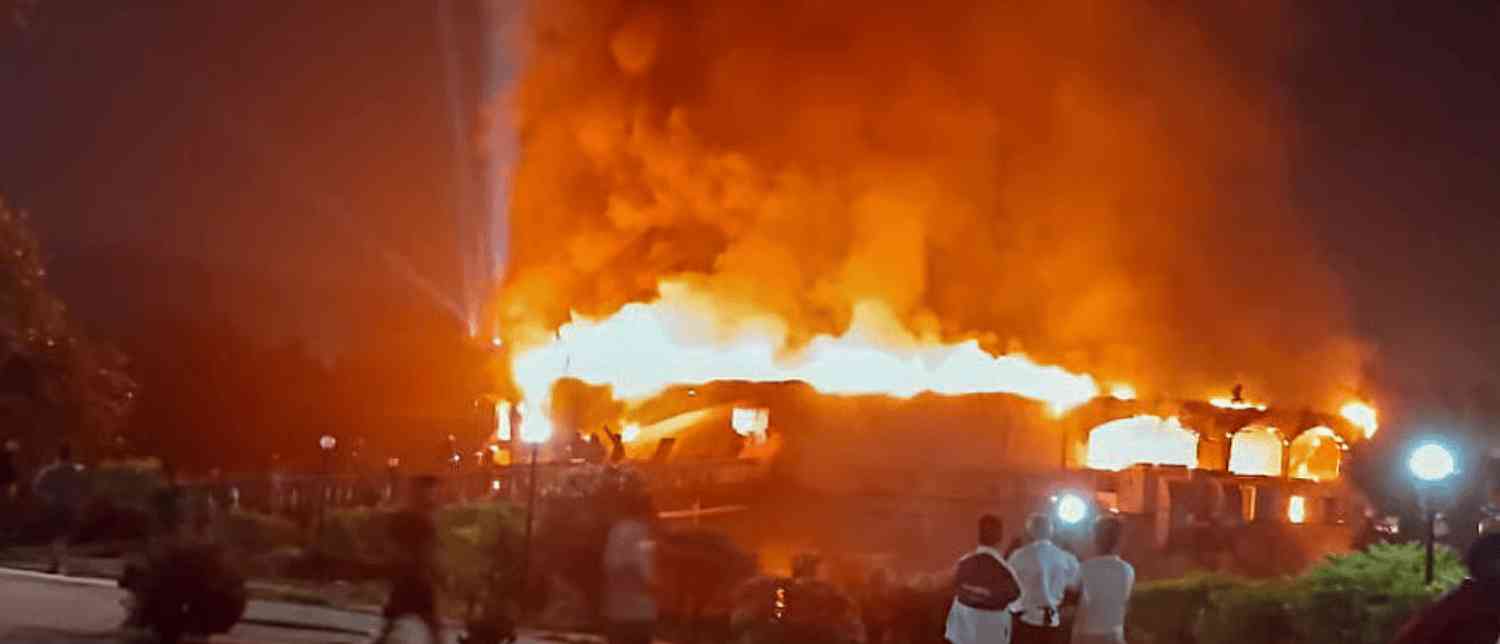
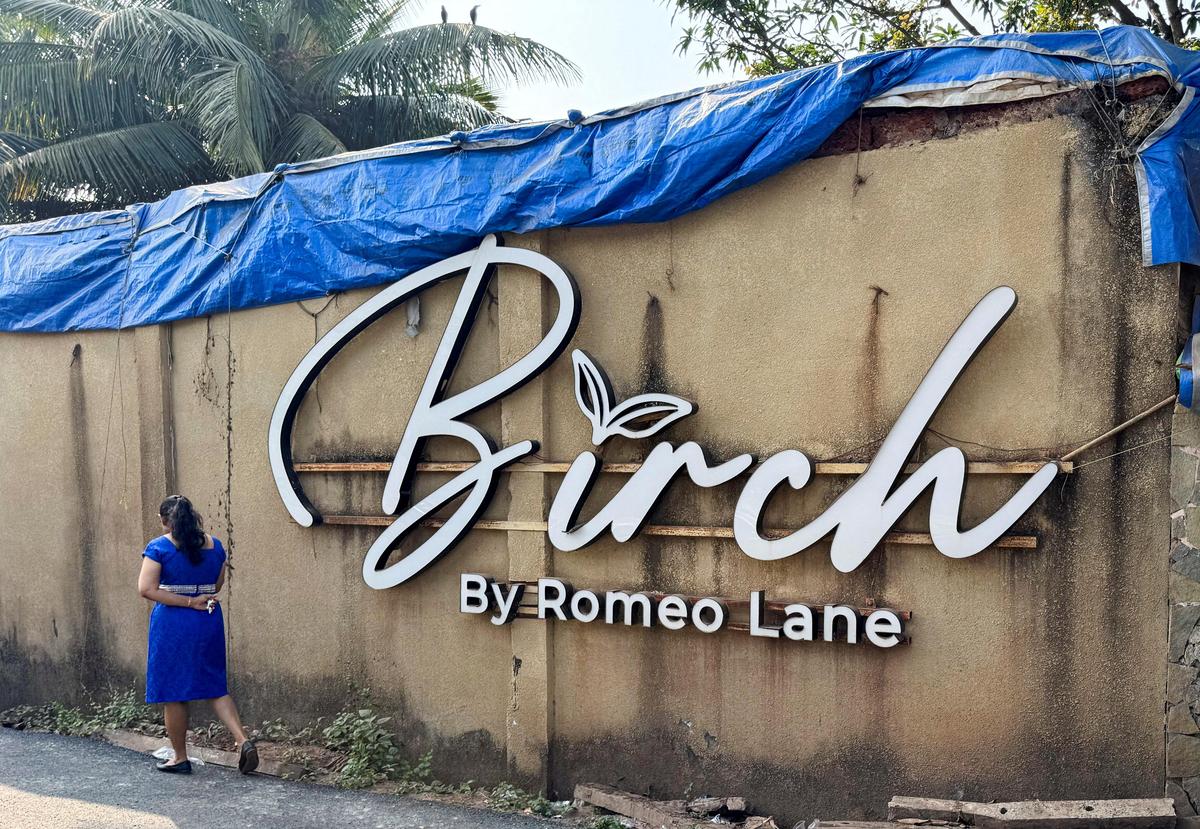
Days after the catastrophic fire at Birch by Romeo Lane in Arpora on December 6, the shock has not subsided. What was meant to be a lively weekend of music, celebration, and tourism turned into one of Goa’s deadliest nightlife tragedies, claiming 25 lives—20 staff members and five tourists. Across the state, party-goers, artistes, workers, and residents remain shaken, grappling with grief, fear, and growing anger over what many believe was a preventable disaster.
As investigations continue and families mourn irreplaceable losses, the tragedy has sparked renewed debate about safety violations, regulatory loopholes, and the unchecked pursuit of profit within Goa’s booming nightlife and tourism industry.
“Very Sad and Very Scary”: Survivors and Locals Recount the Horror
On the night of the fire, Birch was packed with an estimated 80 to 100 people. When flames broke out, the absence of clearly marked or functional emergency exits quickly turned panic into chaos. According to initial findings, most of the victims died due to suffocation after being trapped in the basement, unable to escape as smoke rapidly filled the enclosed space. What followed was a near-stampede as guests desperately searched for a way out.
Abhi (full name withheld on request), a Delhi native now settled in Goa, says the incident still feels unreal. “A friend of mine lost four family members that night,” he says quietly. “I was saved only because my plans changed at the last minute. But it could have been us. What happened is very sad and scary. It makes you rethink how safe these places really are.”
His words echo the sentiments of many regular party-goers across Goa, who now view familiar venues with unease. The tragedy has stripped away the illusion of safety that once accompanied the state’s vibrant nightlife.
Safety Rules Exist—but Are Often Ignored
Artistes and performers working in Goa say safety lapses at clubs and event venues are not uncommon. Many claim they have raised concerns repeatedly, only to be dismissed or ignored.
Priya (name changed on request), a professional belly and fire dancer, explains that safety requirements are usually outlined in contracts. “They include basics like having fire extinguishers and fire blankets on site, or ensuring that fire acts are done outdoors,” she says. “But half the time, management cuts corners. They hire whoever is cheapest, not whoever is safest.”
According to performers, this cost-cutting mindset often extends to crowd control, emergency planning, and fire preparedness—creating a dangerous environment where one spark can quickly escalate into a disaster.
A Narrow Escape for Those on Stage
For the artistes performing that night, the tragedy feels uncomfortably close. Brian Martins, the bass player who was part of the live performance at Birch, says he is haunted by the narrow margin between survival and death.
“We usually wait in the basement between sets,” he explains. “If we were there at that moment, I don’t think we’d be alive. I can’t stop thinking about how close we were to being trapped.”
His account underscores how structural design and backstage practices can become fatal risks when safety planning is inadequate.
Filmmaker and Goa resident Apurva Asrani addressed the tragedy in a widely shared Instagram post, calling it “a result of greed, negligence and the unchecked race to attract tourists at any cost.” He pointed to unsafe indoor fireworks, corruption in inspection processes, and rampant illegal constructions, arguing that Goa’s once-peaceful landscape is now choked by overcrowded lanes and an industry “focused more on profit than people.”
Locals Fear a Tourism Backlash
Beyond grief, the tragedy has sparked economic anxiety, particularly among locals who depend on seasonal tourism for survival. December is traditionally the most crucial earning period of the year for thousands of workers across North Goa.
Rocky (full name withheld), who works in Arpora, fears the long-term consequences. “Tourists come here thinking Goa is glamorous and safe,” he says. “After this tragedy, people will think twice. For workers like us, that’s terrifying.”
Another seasonal worker, Shankar, believes the incident should serve as a turning point. “Many owners focus on crowds and revenue, not safety,” he says. “That needs to change if we want tourism to not suffer. Safety can’t be optional anymore.”
As December festivities approach, the mood across the state remains sombre. While music and parties may resume, there is a palpable hope among residents and visitors alike that authorities will act swiftly and decisively.
Another Fire Raises Fresh Alarm at Kala Academy
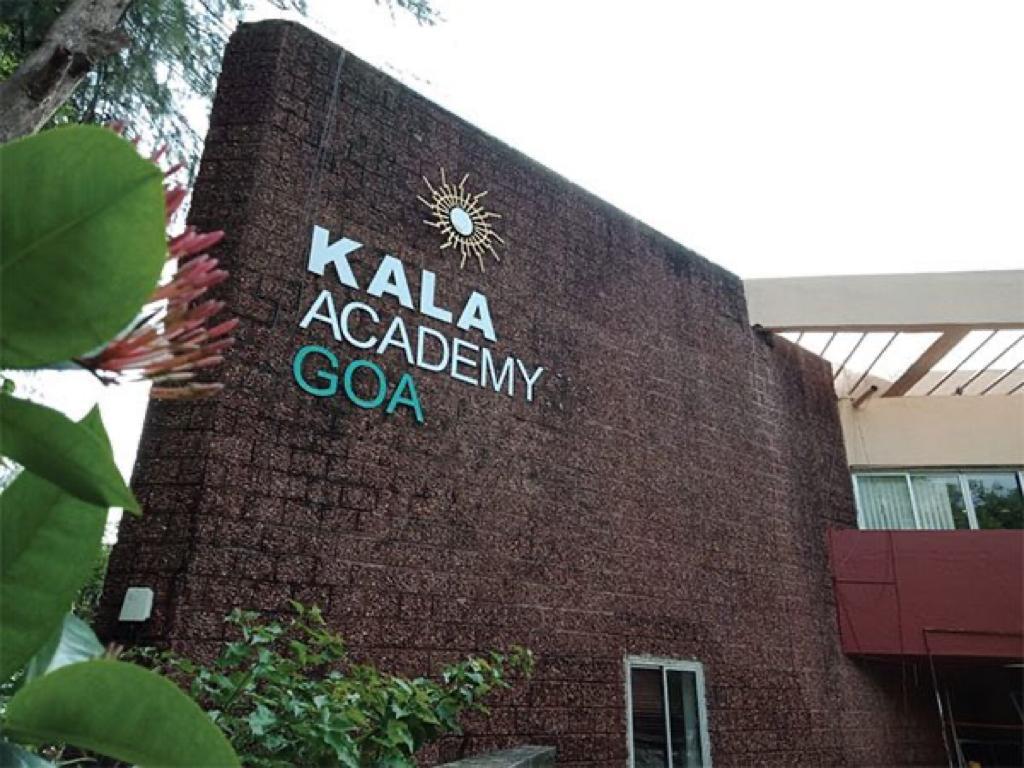
Just two days after the Birch tragedy, another fire incident reignited fears—this time at Kala Academy in Panaji on December 8. The blaze occurred while workers were erecting a temporary structure for the upcoming 10th edition of the Serendipity Arts Festival, scheduled to begin on December 12.
The fire broke out during welding work being carried out on the roof of the makeshift structure. Sparks from the welding process ignited the plastic sheath used to cover the ceiling. Although the flames spread quickly, no one was injured, thanks to the swift response of workers on site.
Shripad Gawas, divisional officer of the north zone and directorate of fire and emergency services, explained the cause of the fire. “The welding work at the metal scaffolding caused sparks, and in no time, plastic sheath material used as cover caught fire,” he told The Times of India.
The temporary structure had been constructed using plywood, metal wires, foam pads, and a plastic ceiling cover. According to Gawas, the fire spread inside the structure and engulfed a large portion of the foam pads before being contained within five minutes using fire extinguishers available at the venue.
The festival director had obtained all required permissions for constructing the temporary structure, and the department has since instructed organisers to strictly follow mandated fire safety measures. “The organisers have their own fire extinguishers, which is how they were able to contain the situation before we arrived,” Gawas said. He added that organisers were advised to be more vigilant and to use fire-resistant materials.
Gawas also recalled that during the previous edition of the festival, a theatre erected at Inox Courtyard had been gutted by fire, largely because preventive measures were not in place. This time, organisers have been instructed to deploy additional fire hydrants, make efficient use of existing fire protection systems, and appoint a dedicated fire safety officer.
Firefighters Risk Lives—but Lack Legal Authority
Even as firefighters continue to risk their lives—entering smoke-filled rooms, navigating collapsing structures, and climbing burning stairwells—the Directorate of Fire & Emergency Services (DFES) in Goa remains hamstrung by a critical limitation: it lacks statutory powers to penalise or seal establishments that violate fire safety norms.
This regulatory gap has come under intense scrutiny following the Birch fire, followed immediately by the Kala Academy incident. While fire extinguishers were available at the festival site, officials clarified that responsibility for on-ground safety lies with the organiser’s appointed fire safety officer. DFES will once again issue recommendations to the organisers.
Official records have revealed a glaring lapse at Birch nightclub. The establishment did not possess a valid No Objection Certificate (NOC) from the Fire Department. “As per departmental records, the establishment had not obtained a valid NOC from the Fire Department, indicating non-compliance with mandatory fire safety regulations,” an official confirmed.
Yet, despite being the primary agency responsible for fire prevention and emergency response, DFES cannot take direct punitive action. Senior officials, speaking anonymously, admitted that enforcement is largely toothless. “We do not have the powers to take action over negligence in following fire safety guidelines,” one officer said. “We issue notices and declare structures unsafe if norms are not implemented, but compliance is partial at best.”
A System That Fails After Approval
Sources within the department highlighted a long-standing loophole that has allowed violations to flourish. Many structure owners comply with fire norms only during the construction phase to secure a temporary fire NOC—necessary for obtaining an occupancy certificate. Once the certificate is issued, enforcement effectively collapses.
Although annual renewal of fire safety clearances is mandated by law, it rarely occurs in practice. As a result, numerous commercial establishments continue to operate with expired or entirely absent clearances, even as fire loads increase due to altered interiors, decorative materials, and unsafe electrical modifications.
What Went Wrong at Birch
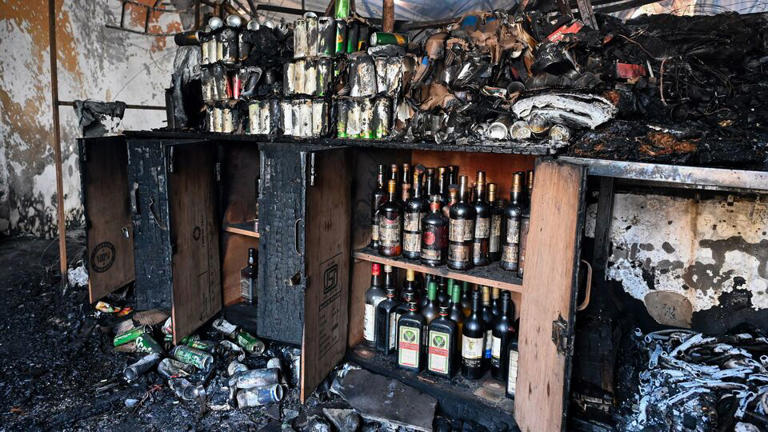
Preliminary findings in the Birch fire have pointed to multiple risk factors. Prima facie observations suggest a probable short circuit in electrical systems located above the main stage. This was exacerbated by combustible interior furnishings, which allowed the fire to spread rapidly.
Officials have flagged recurring hazards commonly seen in nightlife venues, including overloaded electrical circuits, ageing wiring, non-fire-rated cable insulation, and the absence of Residual Current Devices (RCDs) and modern circuit breakers.
Adding to the danger was a second trigger: fireworks activity at the building’s frontage at the time of the incident. Burning particles and sparks are believed to have entered the premises, igniting decorative materials and dramatically intensifying the blaze.
A Wake-Up Call Goa Cannot Ignore
Together, the twin incidents at Birch and Kala Academy have laid bare deep regulatory failures. Firefighters continue to respond with courage and professionalism, but without legal authority to enforce compliance, their efforts remain reactive rather than preventive.
For Goa—a state built on tourism, culture, and celebration—the tragedy serves as a grim reminder that safety cannot remain secondary. As families mourn, workers worry, and visitors reconsider their choices, the demand for accountability and reform grows louder.
Whether this moment leads to meaningful change or fades into another forgotten tragedy may determine the future of Goa’s nightlife—and the lives it touches.
With inputs from agencies
Image Source: Multiple agencies
© Copyright 2025. All Rights Reserved. Powered by Vygr Media.