
 By
By 
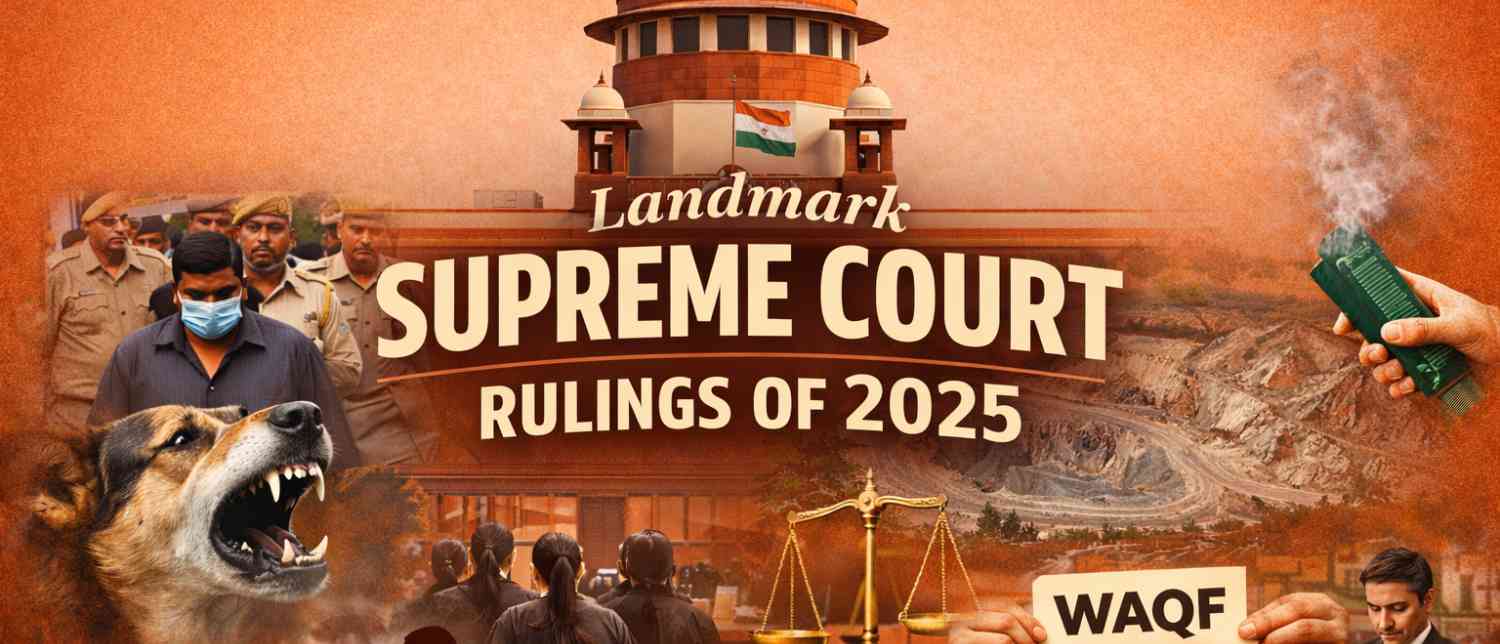
The year 2025 will be remembered as a defining chapter in India’s constitutional and judicial history. From recalibrating the delicate balance between constitutional authorities to addressing environmental degradation, social justice, criminal law, and public safety, the Supreme Court of India delivered a series of consequential rulings that resonated far beyond courtrooms.
These judgments did not merely interpret statutes; they reshaped governance norms, clarified constitutional boundaries, and reaffirmed the court’s role as the guardian of rights, federalism, and institutional accountability. Together, they reveal a judiciary navigating complex questions in a rapidly evolving democracy—where administrative overreach, environmental fragility, social inequities, and legal reform collide.
1. Presidential and Gubernatorial Powers: No Judicially Enforced Timelines for Bills
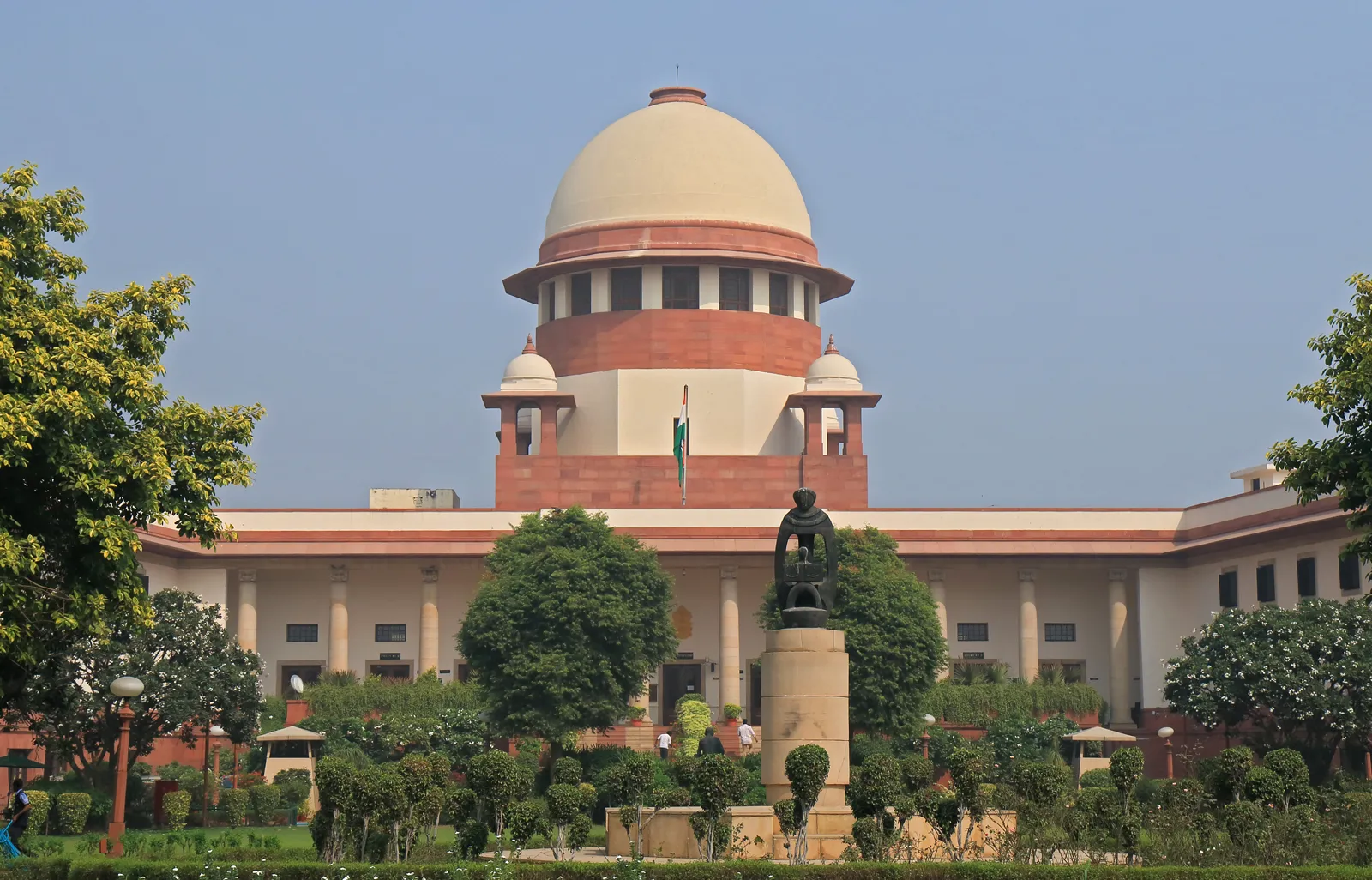
In November 2025, the Supreme Court delivered a constitutionally significant ruling clarifying that neither the President of India nor state Governors can be compelled by courts to act within fixed timelines while granting assent to bills passed by legislatures.
A five-judge Constitution Bench—headed by then Chief Justice of India B R Gavai and comprising Justices Surya Kant, Vikram Nath, P S Narasimha, and A S Chandurkar—answered a presidential reference sought by President Droupadi Murmu. The reference arose after a two-judge bench ruling in the Tamil Nadu Governor case had effectively imposed deadlines on governors for clearing bills, raising serious constitutional concerns.
The bench unanimously held that the actions of the President and Governors under Articles 200 and 201 of the Constitution are not justiciable until a bill becomes law. Judicial review, the court clarified, can only be exercised after legislative assent results in enforceable legislation.
Pronouncing the opinion, the Chief Justice emphasised that Articles 200 and 201 are deliberately framed with “constitutional elasticity,” allowing discretion suited to India’s federal and democratic structure. Imposing judicial timelines, the court said, would undermine this flexibility and disrupt the careful balance envisioned by the Constitution.
This ruling firmly reaffirmed the separation of powers and curtailed judicial intrusion into the legislative-assent process, setting a lasting precedent on constitutional restraint.
2. Managing Stray Dogs: Public Safety Meets Animal Welfare
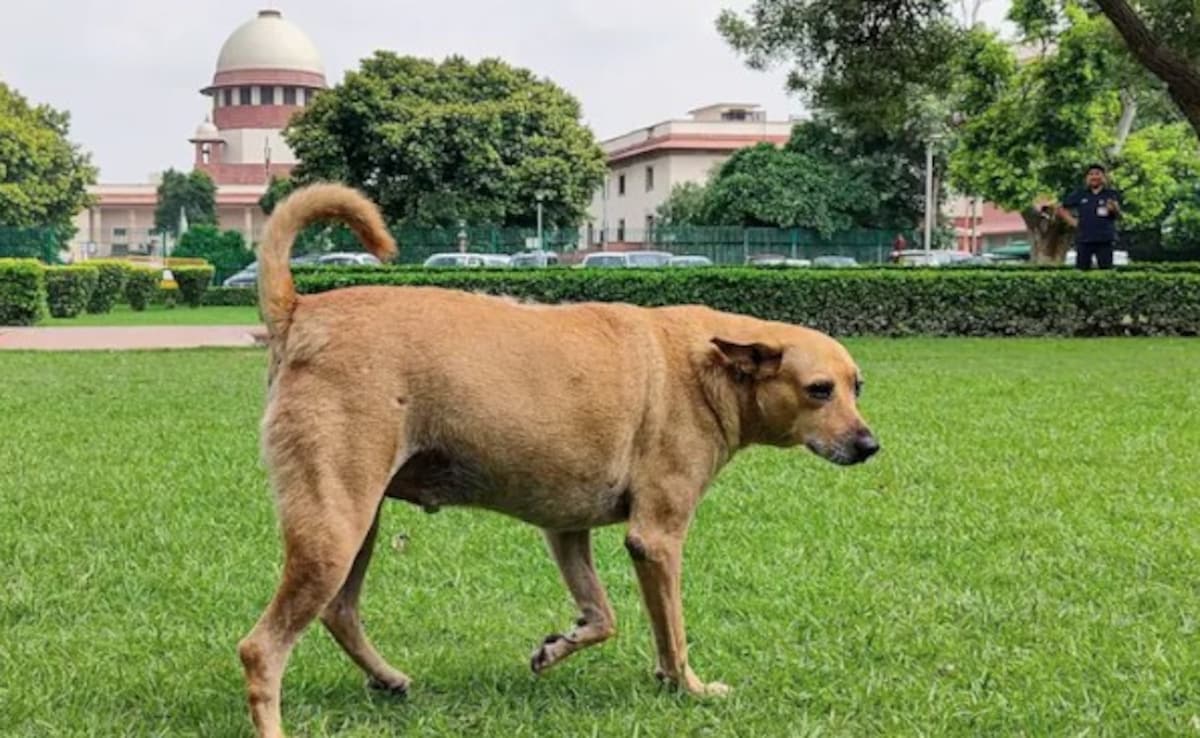
Stray dog management emerged as a contentious public safety issue in 2025, prompting multiple interventions by the Supreme Court.
In August, the apex court modified its earlier suo motu order directing civic bodies in Delhi and adjoining districts to capture and confine all stray dogs within six to eight weeks. The court acknowledged that its earlier directive prohibiting the release of treated dogs was excessively harsh.
Revising its stance, the Supreme Court ruled that captured dogs must be sterilised, dewormed, vaccinated, and then released back into the same areas from which they were picked up. However, dogs suspected or confirmed to have rabies, or those displaying aggressive behaviour, were excluded from this relocation policy.
Subsequently, in November, the court took a firmer position on sensitive public spaces. It directed that stray dogs be removed from schools, hospitals, bus stands, sports complexes, and railway stations, and shifted to designated shelters. The court underscored that all actions must comply with the Animal Birth Control Rules, striking a balance between human safety and humane animal treatment.
These rulings collectively shaped a nuanced framework that prioritised both public safety and animal welfare.
3. Green Firecrackers: A Conditional Easing of Pollution Controls
In October 2025, amid worsening winter pollution in Delhi and neighbouring regions, the Supreme Court partially relaxed its long-standing ban on firecrackers by permitting the sale and use of green firecrackers.
After years of blanket prohibitions that were often flouted, the court allowed green crackers from October 18 to 21, coinciding with Diwali on October 20. However, the permission came with strict temporal restrictions: fireworks were allowed only between 6 am and 7 am, and from 6 pm to 10 pm on designated days.
The ruling reflected a pragmatic approach—recognising cultural practices while attempting to mitigate environmental harm through regulated, cleaner alternatives.
4. Nithari Killings: Acquittal After Two Decades of Legal Scrutiny
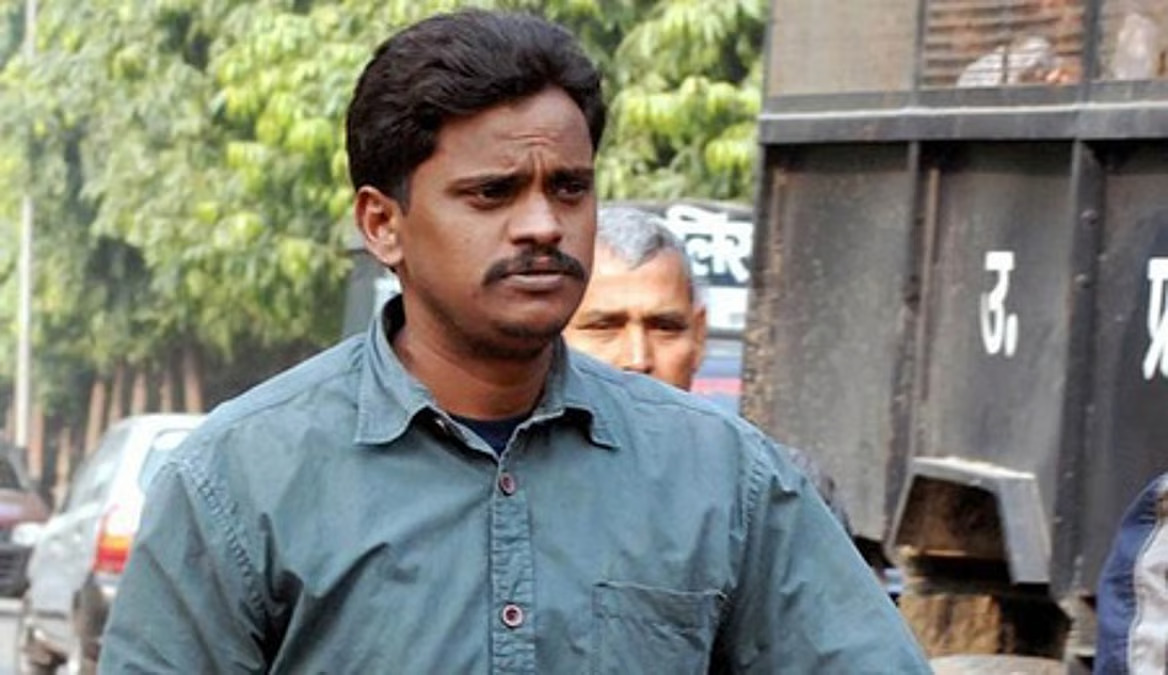
One of the most emotionally charged verdicts of 2025 came in November, when the Supreme Court acquitted Surendra Koli, once infamously labelled the “monster of Nithari,” bringing closure to a case that had haunted the public conscience for nearly twenty years.
Koli was the domestic help of businessman Moninder Singh Pandher, and both were accused in the gruesome Nithari serial killings that took place between 2005 and 2006 in Noida. The court ordered Koli’s immediate release, clearing him and Pandher of all remaining criminal charges.
Setting aside the final conviction for the rape and murder of a teenage girl, the bench cited weak evidence, procedural lapses, and investigative failures. The court delivered a powerful reaffirmation of criminal jurisprudence, stating that suspicion—however grave—cannot replace proof beyond reasonable doubt.
The judgment emphasised that expediency cannot override legality, and that the presumption of innocence remains intact until guilt is established through admissible and reliable evidence, even in cases involving horrific crimes.
5. Honour Killings: Supreme Court Reaffirms Zero Tolerance
In stark contrast, the Supreme Court in April upheld convictions in the infamous Kannagi-Murugesan honour killing case from Tamil Nadu.
The apex court refused to interfere with the Madras High Court’s June 2022 verdict, which had confirmed the conviction of 11 individuals—including two police officers—for the brutal killing of a young couple in July 2003.
Murugesan and Kannagi, both in their early twenties, were poisoned in full public view before a gathering of villagers. Calling honour killings an affront to constitutional values and human dignity, the Supreme Court reiterated that such crimes must invite the strictest punishment.
The ruling reinforced the judiciary’s unwavering stand against caste-based and honour-driven violence.
6. Reservation and Recruitment: Limits on Category Migration
In September, the Supreme Court delivered a crucial ruling on reservation norms in public recruitment. It held that candidates from reserved categories who avail age relaxation under reservation provisions cannot subsequently seek consideration under the unreserved (general) category if recruitment rules explicitly prohibit it.
The case arose from the SSC Constable (GD) recruitment process, where the age limit was 18 to 23 years, with a three-year relaxation for OBC candidates. Certain applicants who applied as OBCs used the age relaxation, scored higher than the last selected general-category candidate but lower than the final OBC cut-off.
While a High Court allowed their claim to general-category seats on merit, the central government challenged this decision. The Supreme Court overturned the High Court’s ruling, reinforcing that recruitment rules must be followed strictly and that reservation benefits cannot be selectively invoked.
7. Women’s Representation in Bar Councils: A Constitutional Mandate
In December 2025, the Supreme Court took a decisive step toward gender equity in the legal profession by mandating 30 percent reservation for women in State Bar Council elections where the electoral process had not yet begun.
A bench led by Chief Justice Surya Kant and Justice Joymalya Bagchi observed that women and other marginalised groups were severely underrepresented in Bar Council bodies nationwide. For the current year, the court directed that 20 percent of seats be filled through elections by women candidates, with the remaining 10 percent filled through co-option if insufficient candidates were available.
The ruling upheld the “constitutional ethos” of inclusive representation and marked a milestone in institutional reform within the legal fraternity.
8. Waqf (Amendment) Act, 2025: Partial Stay on Controversial Provisions
In September, the Supreme Court addressed challenges to the Waqf (Amendment) Act, 2025. While declining to stay the entire statute, the court placed key provisions on hold pending constitutional scrutiny.
The stayed provisions included requirements that donors must be practicing Muslims for at least five years, the nomination of non-Muslims to Waqf boards, and a clause granting District Collectors sweeping powers to decide whether a property qualifies as waqf.
The bench, led by then Chief Justice B R Gavai, expressed concern that these provisions could enable arbitrary exercise of power and violate the separation of powers. The interim order preserved the status quo while constitutional challenges remain pending.

9. Judicial Service Aspirants: Experience Over Fresh Graduation
In May, the Supreme Court ruled that fresh law graduates are no longer eligible to appear for judicial service examinations. Candidates must now have a minimum of three years of legal practice to apply for entry-level judicial posts.
The court noted that several High Courts had flagged serious challenges arising from appointing inexperienced graduates to the bench. Emphasising courtroom exposure as essential for judicial competence, the ruling aimed to strengthen the quality and efficiency of the judiciary at the grassroots level.
10. Aravalli Hills: A Landmark Judgment for Environmental Protection
One of the most environmentally significant judgments of 2025 came in November, when the Supreme Court adopted a uniform definition of the Aravalli Hills and Ranges and imposed a freeze on fresh mining leases across the region spanning Delhi, Haryana, Rajasthan, and Gujarat.
Accepting recommendations from a high-level committee of the Ministry of Environment, Forest and Climate Change (MoEFCC), the court defined “Aravalli Hills” as landforms rising 100 metres or more above local terrain, while “Aravalli Ranges” were described as clusters of such hills within 500 metres of each other.
The bench ordered the Centre to prepare a comprehensive Management Plan for Sustainable Mining before allowing any new mining activity. The court highlighted the Aravallis’ critical role in preventing desertification, recharging groundwater, sustaining wildlife, and acting as a natural barrier against dust storms from the Thar Desert.

A Judiciary Shaping the Republic’s Future
The Supreme Court’s rulings in 2025 collectively underscore a judiciary deeply engaged with the nation’s evolving challenges. Whether reinforcing constitutional boundaries, demanding accountability, safeguarding the environment, or advancing social justice, the apex court’s interventions shaped policy, governance, and public discourse in profound ways.
As India continues its democratic journey, these judgments stand as enduring reminders of the Supreme Court’s pivotal role—not merely as an interpreter of law, but as a custodian of constitutional morality and institutional balance.
With inputs from agencies
Image Source: Multiple agencies
© Copyright 2025. All Rights Reserved. Powered by Vygr Media.