
 By
By 
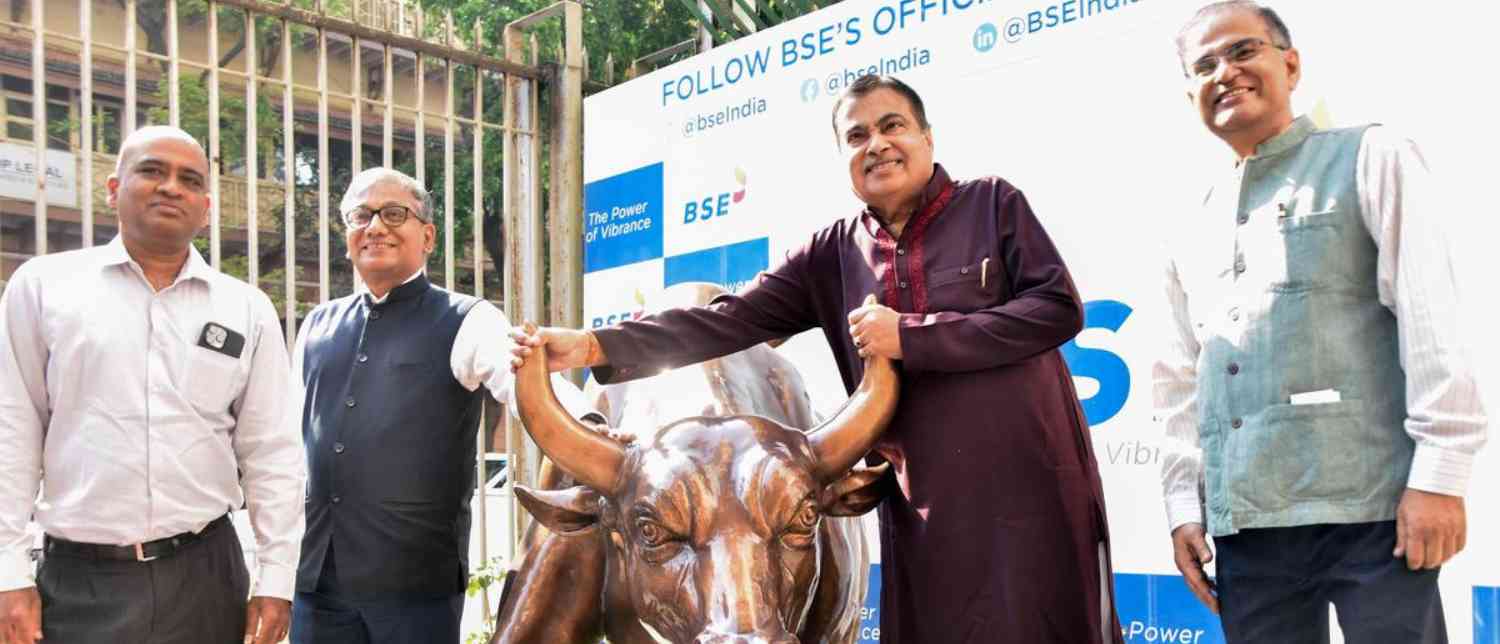
In a significant milestone for India’s infrastructure financing ecosystem, the National Highways Authority of India (NHAI)-sponsored Raajmarg Infra Investment Trust (RIIT) has been successfully listed on the Bombay Stock Exchange (BSE), marking the first time retail investors can directly participate in highway asset monetisation at this scale. The development reflects a broader shift in how India funds and expands its national highway network—by turning public infrastructure into investable financial assets.
A Strong Market Debut Backed by Robust Investor Confidence
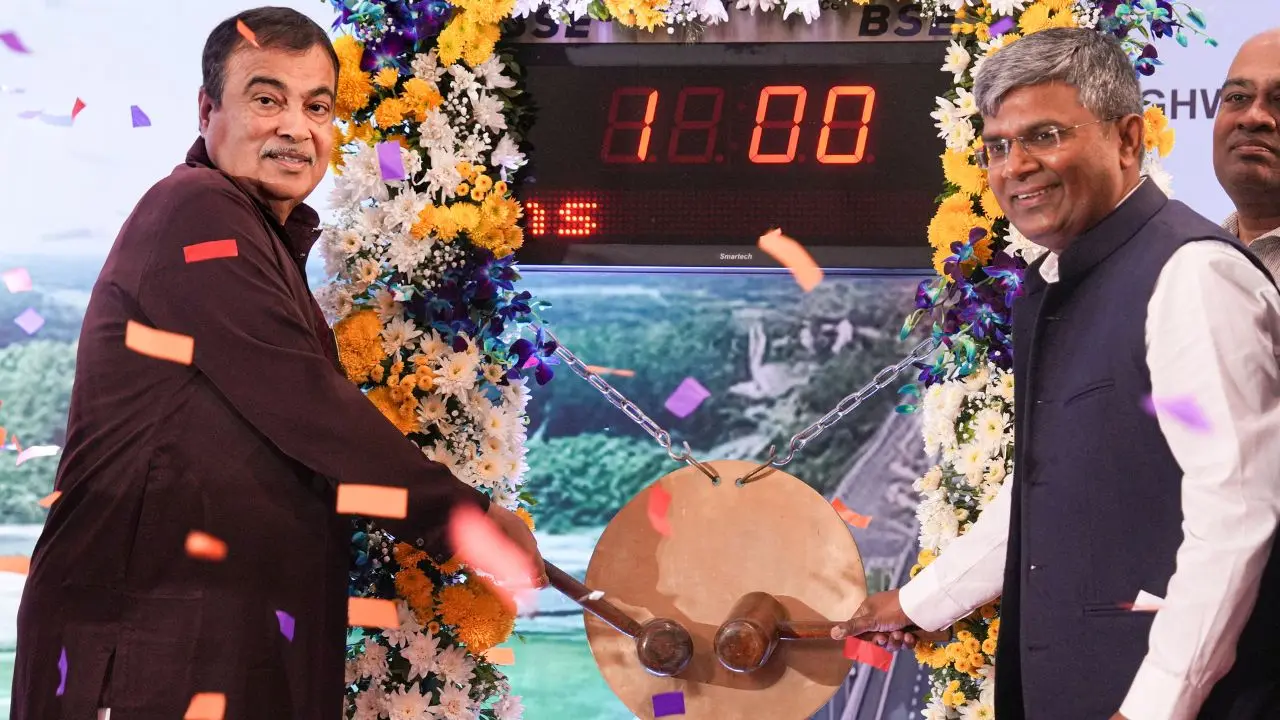
The listing of RIIT on March 24, 2026, follows an overwhelmingly successful initial public offering (IPO), which was oversubscribed nearly 14 times—demonstrating strong investor appetite across categories.
The IPO, sized at approximately ₹6,000 crore, attracted a diverse pool of participants, including institutional investors, anchor investors, and the broader public. Strategic investors such as EPFO and SBI Life Insurance collectively subscribed around ₹1,260 crore, while anchor investors committed approximately ₹1,728 crore. The remaining ₹2,100 crore public issue saw substantial demand, underscoring confidence in infrastructure-backed investment instruments.
On listing, the InvIT delivered a positive debut, trading at a premium over its issue price—further reinforcing market sentiment around infrastructure investment trusts as a viable asset class.
“Road Users Can Become Road Owners”
At the listing ceremony, Union Minister for Road Transport and Highways Nitin Gadkari highlighted the transformative potential of the initiative, describing it as a step toward democratising infrastructure ownership.
He emphasised that the move allows ordinary citizens—particularly those from lower and middle-income groups—to invest in national highways and earn returns, potentially exceeding traditional bank deposit rates of 4–5%.
The concept is simple yet powerful: road users can now become stakeholders in the very infrastructure they use daily, creating a dual benefit of income generation and wealth decentralisation.
What is Raajmarg Infra InvIT and Why It Matters
Infrastructure Investment Trusts (InvITs) are regulated investment vehicles that pool income-generating infrastructure assets and distribute returns to investors. In the case of RIIT, the trust focuses on operational national highway assets with stable toll-based revenue streams.
The Raajmarg InvIT has been specifically designed to:
-
Unlock value from operational (brownfield) highway assets
-
Provide long-term, predictable income opportunities
-
Broaden participation beyond institutional investors to include retail investors
-
Strengthen India’s infrastructure financing ecosystem
The trust operates under the regulatory framework of Securities and Exchange Board of India, ensuring transparency, governance, and investor protection.
Portfolio Strength: Five Highway Assets Across Key States
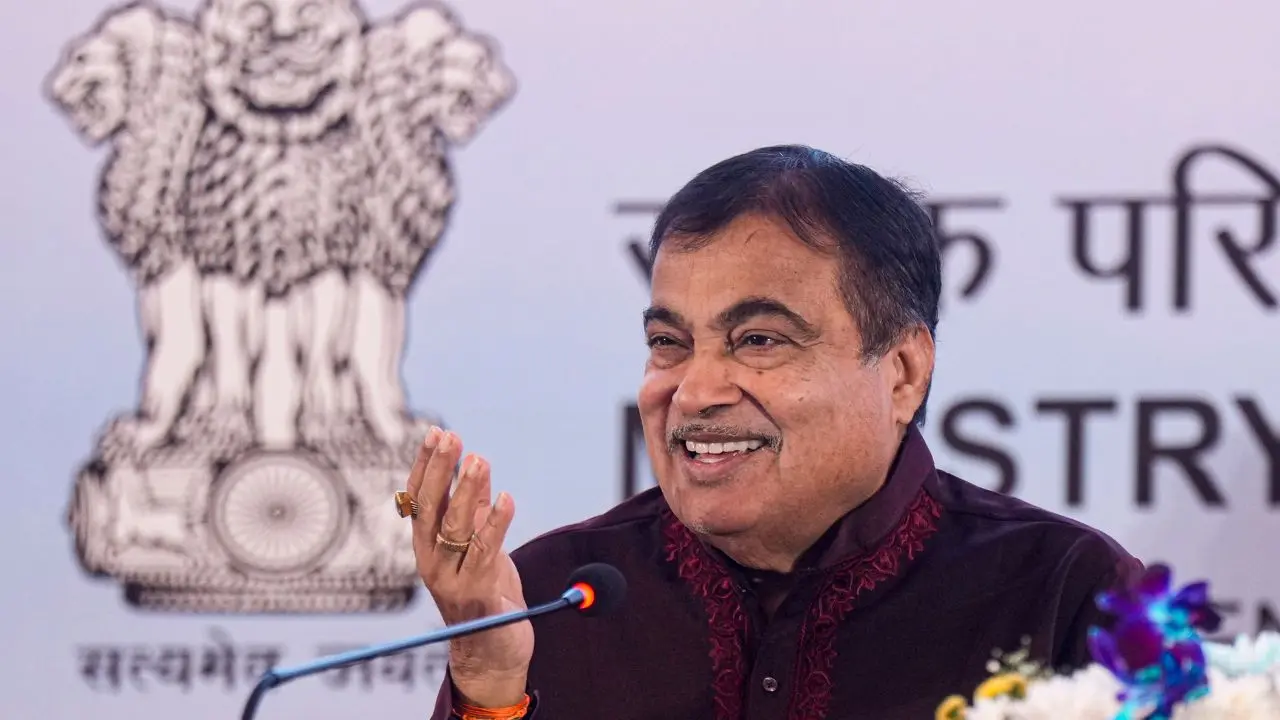
At launch, RIIT has secured a portfolio of five operational highway assets spread across states including Jharkhand, Tamil Nadu, Andhra Pradesh, and Karnataka. These assets collectively represent a concession value of approximately ₹9,500 crore.
The acquisition has been financed through a mix of ₹6,000 crore equity and debt, ensuring a balanced capital structure.
In terms of physical infrastructure, the portfolio covers roughly 260 km of toll roads, forming part of the Golden Quadrilateral network—one of India’s most critical highway corridors.
These projects operate under concession agreements and are expected to generate stable, long-term cash flows through toll collections.
IPO Details and Market Mechanics
The IPO process itself was structured to attract both institutional and retail investors:
-
Issue size: ₹6,000 crore
-
Price band: ₹99–₹100 per unit
-
Subscription window: March 11–13, 2026
-
Anchor bidding: March 10, 2026
-
Listing date: March 24, 2026
The offering included a fresh issuance of units, with proceeds primarily used to fund equity and debt infusion into project special purpose vehicles (SPVs), enabling payment of concession value to NHAI and supporting further infrastructure development.
A Strategic Tool in India’s Asset Monetisation Drive
The listing of RIIT is not an isolated event but part of a broader government strategy under the National Monetisation Pipeline (NMP), which aims to unlock value from existing infrastructure and reinvest proceeds into new projects.
So far, the Ministry of Road Transport and Highways (MoRTH) and NHAI have monetised assets worth approximately ₹1.5 lakh crore through mechanisms such as:
-
Toll-Operate-Transfer (ToT)
-
Privately placed InvITs
-
Securitisation
Additionally, NHAI has raised over ₹1.42 lakh crore through various monetisation routes up to 2024–25, highlighting the scale and effectiveness of this strategy.
For the current financial year, the government has set a target of mobilising around ₹30,000 crore through asset monetisation, with InvITs expected to play a central role.
Expanding Retail Participation in Infrastructure
One of the most notable aspects of RIIT is its focus on retail inclusion. Unlike earlier InvIT offerings by NHAI, which were limited to institutional investors, this is the first public InvIT that allows direct participation by retail investors.
The initiative aligns with a broader policy objective to:
-
Deepen domestic capital markets
-
Channel household savings into productive infrastructure assets
-
Reduce reliance on traditional financing sources
By providing a regulated, yield-oriented investment vehicle, RIIT offers an alternative asset class that combines relatively stable returns with long-term growth potential.
Governance and Institutional Framework
RIIT is sponsored by NHAI and managed by Raajmarg Investment Managers Private Limited (RIIMPL), a public-private partnership involving NHAI, the National Bank for Financing Infrastructure and Development (NaBFID), and other financial institutions.
This structure ensures:
-
Professional asset management
-
Financial discipline
-
Institutional oversight
Such governance mechanisms are critical for maintaining investor confidence, especially in large-scale infrastructure investments.
Future Pipeline: Monetising 1,500 km of Highways
Looking ahead, the government plans to monetise approximately 1,500 km of highways over the next three years through the InvIT route.
This pipeline indicates that RIIT is likely to expand its asset base, offering investors exposure to a growing portfolio of highway projects. It also reinforces the role of InvITs as a scalable financing tool for India’s infrastructure ambitions.
Market Context: Rising Demand for Infrastructure Assets
The success of the RIIT IPO reflects broader trends in global and domestic markets. Infrastructure assets—particularly those with predictable cash flows like toll roads—are increasingly attractive to investors seeking stable, long-term returns.
Market participants typically evaluate:
-
Toll revenue consistency
-
Concession tenure
-
Maintenance obligations
-
Credit quality of underlying assets
At the same time, macroeconomic factors such as interest rates and economic growth influence investor sentiment, making transparency and asset quality key determinants of success.
A Turning Point for Infrastructure Financing in India
The listing of Raajmarg Infra InvIT represents more than just a financial milestone—it signals a structural shift in how India funds and manages its infrastructure.
By converting operational highways into investable assets, the government is:
-
Recycling capital for new infrastructure projects
-
Encouraging private and public participation
-
Enhancing efficiency through market-driven mechanisms
Most importantly, it is opening the doors for ordinary citizens to participate in nation-building—not just as taxpayers or users, but as investors and stakeholders.
Final Thoughts
The successful listing of NHAI’s Raajmarg Infra InvIT on the BSE marks a pivotal moment in India’s infrastructure journey. With strong investor demand, robust governance, and a clear growth pipeline, the InvIT model is poised to become a cornerstone of infrastructure financing.
As India continues to expand its highway network, initiatives like RIIT could redefine the relationship between citizens and public infrastructure—transforming roads from public utilities into shared economic assets that generate value for millions.
With inputs from agencies
Image Source: Multiple agencies
© Copyright 2025. All Rights Reserved. Powered by Vygr Media.