 By

Jammu and Kashmir has achieved a historic milestone in its healthcare sector with its first-ever deceased organ donation. In a landmark medical procedure at Command Hospital, Northern Command, Udhampur, doctors successfully retrieved the liver and both kidneys of a brain-dead donor, offering three patients a potential new lease on life.
In a remarkable act of compassion amid profound personal loss, the family of a 56-year-old man from Reasi district consented to donate his organs, turning an otherwise devastating tragedy into an extraordinary gift of life. The retrieved organs were subsequently transported to New Delhi for transplantation with the support of the Indian Army, Indian Air Force and multiple medical and administrative agencies.
The achievement marks a significant breakthrough for Jammu and Kashmir's organ donation and transplantation programme, opening new possibilities for patients awaiting life-saving transplants across the region.
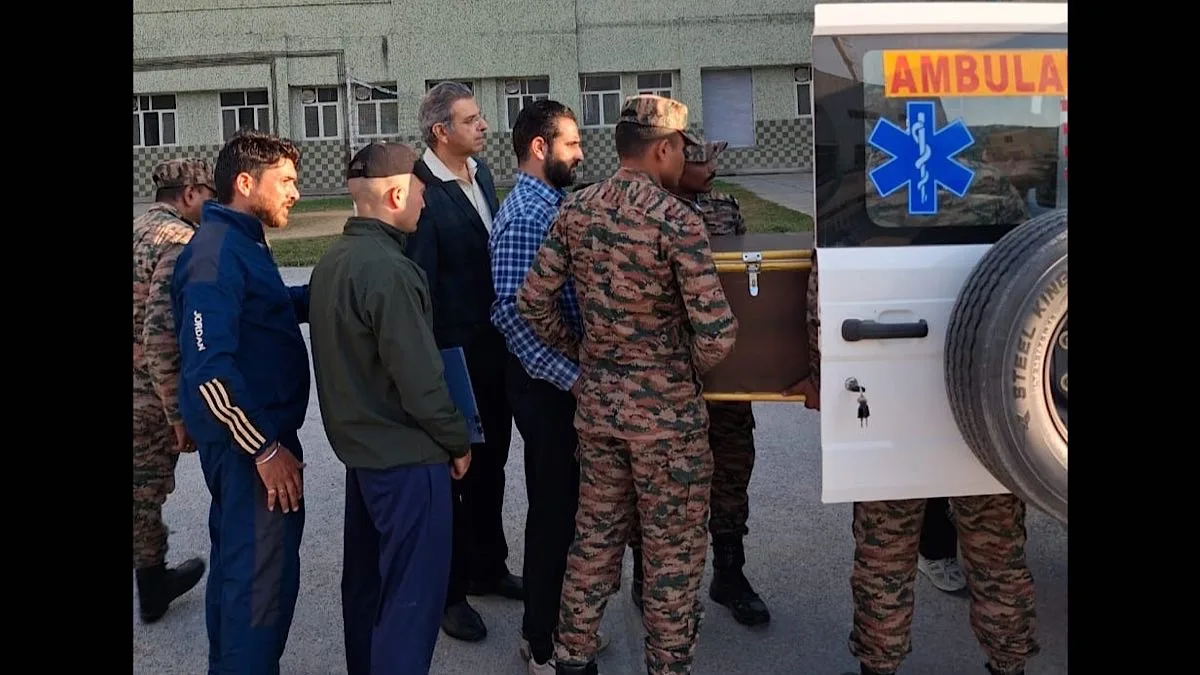
J&K Witnesses Its First-Ever Deceased Organ Donation
The landmark organ retrieval took place at the Army's Command Hospital in Udhampur, making it the first medical facility in Jammu and Kashmir to successfully retrieve organs from a deceased donor for transplantation.
The donor was identified as Jagdev Singh, a 56-year-old resident of Pouni in Reasi district and the father of an Indian Army soldier. He was admitted to Command Hospital following a brain haemorrhage. Despite medical intervention and efforts by the treating doctors, his condition could not be reversed.
A specially constituted team of medical experts subsequently examined him and certified brain-stem death in accordance with the prescribed medical protocol.
Although the patient had been declared brain dead, his liver and kidneys remained suitable for donation. Recognising the possibility of saving other lives, the hospital's medical team counselled his family about deceased organ donation.
Faced with an incredibly difficult decision, Singh's family agreed to donate his organs.
Their decision enabled doctors to retrieve his liver and both kidneys, potentially benefiting three patients who require organ transplants.
The development is particularly significant because deceased organ donation had not previously been successfully carried out in Jammu and Kashmir. It represents an important step towards improving access to transplantation services and strengthening the region's healthcare infrastructure.
Family's Extraordinary Decision Turns Personal Loss into a Gift of Life
Behind the medical achievement lies a deeply moving story of generosity and humanity.
Losing a family member is an emotionally devastating experience. Making a decision about organ donation during such a difficult period requires immense courage, understanding and compassion.
Jagdev Singh's family chose to look beyond their immediate grief and consider the lives that could potentially be saved through organ donation. By consenting to donate his liver and kidneys, they gave three patients an opportunity to receive life-saving treatment.
Their decision also highlights an important aspect of deceased organ donation: one person's death can become an opportunity for several others to continue living.
Organ transplantation is often the only viable treatment option for patients suffering from end-stage organ failure. However, the availability of suitable donor organs remains a major challenge in India. Many patients spend months or even years waiting for a compatible organ.
In this context, the family's decision carries significance beyond an individual medical procedure. It sends a powerful message about the importance of organ donation awareness and the role families can play in supporting life-saving medical interventions.
Green Corridor Established for Swift Transportation of Organs
One of the most challenging aspects of the operation was ensuring that the retrieved organs and specialised medical teams could reach their destination within the required time.
Organ transplantation depends heavily on timely transportation. Once an organ is retrieved, medical teams must preserve it under appropriate conditions and ensure its rapid delivery to the transplant centre. Delays can compromise organ viability and affect transplantation outcomes.
To facilitate the operation, authorities established dedicated green corridors at different stages of the transportation process.
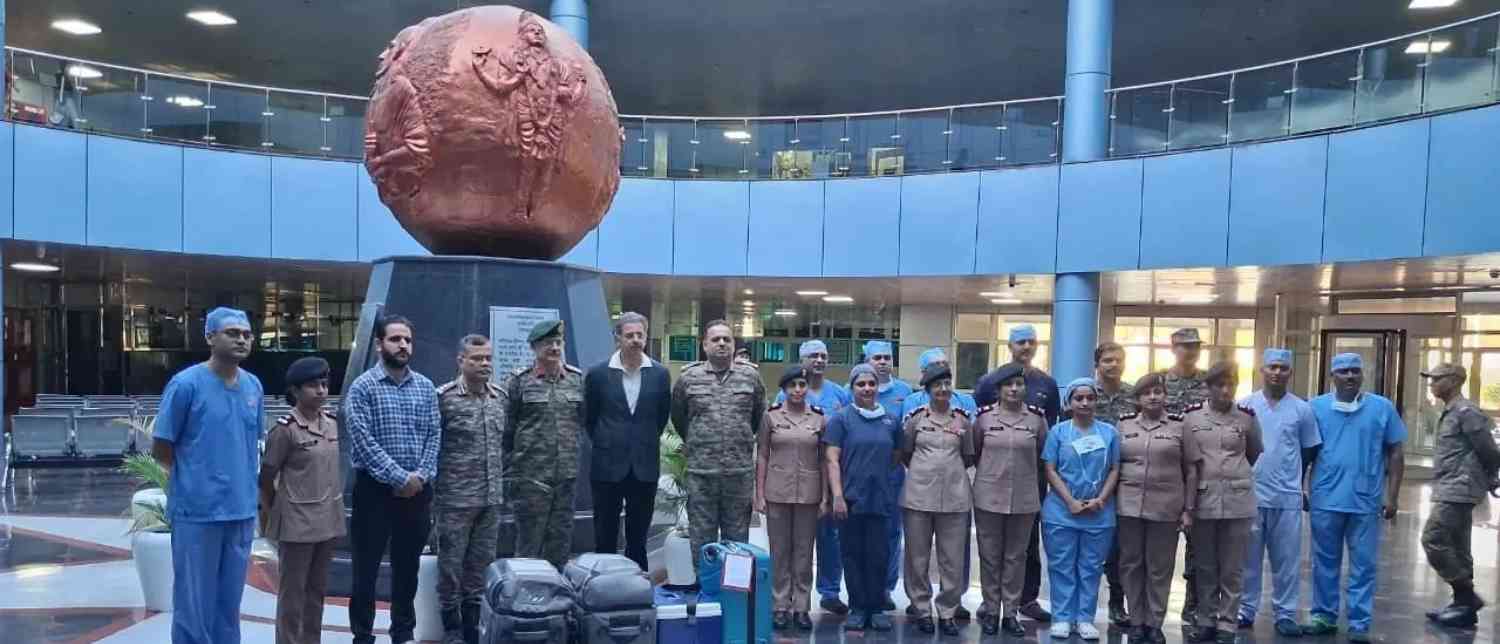
Following the family's consent, a specialised team from Army Hospital (Research and Referral), New Delhi, was mobilised to assist with the organ retrieval.
The team initially travelled by an Army aircraft. However, unfavourable weather conditions prevented the aircraft from landing at Udhampur, forcing it to divert to Jammu Air Force Station.
Authorities responded by establishing the first green corridor between Jammu Air Force Station and Command Hospital in Udhampur. This enabled the medical team to reach the hospital despite the weather-related disruption.
Following the successful retrieval of the liver and both kidneys, a second green corridor was arranged between Command Hospital and 39 Wing Air Force Station on Dhar Road.
The organs, along with the medical team, were subsequently airlifted to New Delhi for transplantation at Army Hospital (Research and Referral).
The Indian Air Force provided crucial logistical support for the air transportation, while the Indian Army and civil administration coordinated the movement of medical personnel and organs.
The operation demonstrated how effective coordination between hospitals, security forces, aviation authorities and civilian agencies can make time-sensitive medical procedures possible.
Army and Civil Medical Teams Work Together in Landmark Procedure
The successful organ retrieval involved coordinated efforts by specialised surgical teams from Command Hospital, Udhampur, and Army Hospital (Research and Referral), New Delhi.
The procedure was conducted under the supervision of Major General Sanjay Sharma, Commandant of Command Hospital, Northern Command.
The State Organ and Tissue Transplant Organisation (SOTTO), Jammu and Kashmir, also played an important role in facilitating the process.
Dr Elias Sharma, Nodal Officer of SOTTO Jammu and Kashmir, was present in the operating theatre as an observer during the retrieval procedure.
The involvement of the state-level transplant organisation helped ensure coordination between the medical institutions and the broader organ donation framework.
Major General Sanjay Sharma described the achievement as a historic day for organ transplantation in Jammu and Kashmir, highlighting the importance of the first successful multi-organ retrieval from a deceased donor.
Medical officials also acknowledged the donor family's extraordinary generosity and the collective efforts of the institutions involved.
Following the procedure, the donor's body was handed over to his family for the last rites. Government Medical College, Udhampur, provided a hearse ambulance to transport the body to the family's residence.
Command Hospital's Preparation Dates Back to 2023
While the first successful deceased organ retrieval in Jammu and Kashmir has attracted attention, the achievement is also the result of institutional preparation and efforts to strengthen transplantation facilities.
Command Hospital, Northern Command, Udhampur, received authorisation for organ retrieval in 2023.
Since then, the hospital has been working towards developing the infrastructure and institutional capabilities required to facilitate deceased organ donation.
The latest achievement demonstrates the importance of building specialised medical facilities, trained teams and effective coordination mechanisms before emergencies arise.
Organ retrieval is not simply a surgical procedure. It requires a well-established system involving brain-stem death certification, family counselling, consent procedures, donor assessment, organ preservation, transportation arrangements and coordination with transplant centres.
The successful completion of all these stages in Jammu and Kashmir marks an important advancement in the region's ability to participate in India's organ donation and transplantation network.
It also creates a foundation for expanding awareness and encouraging more hospitals to develop the necessary facilities for deceased organ donation.
Why Deceased Organ Donation Matters in India
India continues to face a considerable gap between the demand for organ transplants and the availability of donated organs.
Thousands of patients require liver, kidney, heart and other organ transplants to survive or improve their quality of life. For many, transplantation offers the possibility of returning to a healthier and more independent life.
Deceased organ donation allows organs from medically suitable donors who have been declared brain dead to be retrieved for transplantation, subject to established medical and legal requirements and appropriate consent.
Brain death is different from a coma or a prolonged unconscious state. It refers to the irreversible loss of all functions of the entire brain, including the brain stem, following prescribed medical assessment and certification.
Even after brain-stem death, medical support can sometimes maintain blood circulation and oxygen supply to organs for a limited period. This can allow suitable organs to be assessed, retrieved and transplanted.
A single deceased donor may potentially save multiple lives through organ donation. The successful retrieval of Jagdev Singh's liver and two kidneys illustrates precisely why awareness and timely action are so important.
However, increasing deceased organ donation requires more than medical infrastructure. Public awareness, family discussions, trained transplant coordinators and strong institutional support are equally important.
The milestone in Jammu and Kashmir could encourage greater public understanding of organ donation and motivate more families to consider it as an opportunity to help others.
A New Chapter in Jammu and Kashmir's Healthcare Journey
The first-ever deceased organ donation in Jammu and Kashmir is more than an isolated medical accomplishment. It represents progress towards building a stronger, more accessible and better-coordinated transplantation ecosystem in the Union Territory.
For patients awaiting organ transplants, the development offers hope that more advanced life-saving procedures can gradually become accessible through improved institutional capabilities and inter-hospital collaboration.
It also highlights the important role of the Armed Forces Medical Services in supporting specialised healthcare initiatives, particularly in regions where geographical and logistical challenges can complicate medical emergencies.
The successful operation at Command Hospital, Udhampur, demonstrates what can be achieved when medical expertise, administrative coordination, aviation support and public compassion come together.
Ultimately, however, the most significant contribution came from a family that chose to help others at a time of unimaginable grief.
Jagdev Singh's death has left an irreplaceable void in his family's life. Yet, through their decision, his legacy now carries the possibility of hope and renewed life for three other families.
Jammu and Kashmir's first deceased organ donation will therefore be remembered not only as a historic medical milestone but also as a powerful example of humanity, generosity and the enduring value of giving the gift of life.
© Copyright 2026. All Rights Reserved. Powered by Vygr Media.