 By

Tamil Nadu’s anti-corruption agency has registered a case against former Water Resources Minister Durai Murugan and 26 others over alleged corruption in river sand mining. The Directorate of Vigilance and Anti-Corruption (DVAC) says the state lost Rs 1,427 crore from just four of the 28 quarries under investigation, making it one of the biggest alleged scams in the state in recent years.
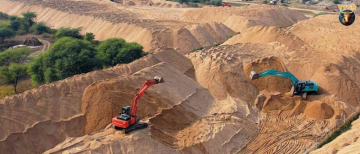
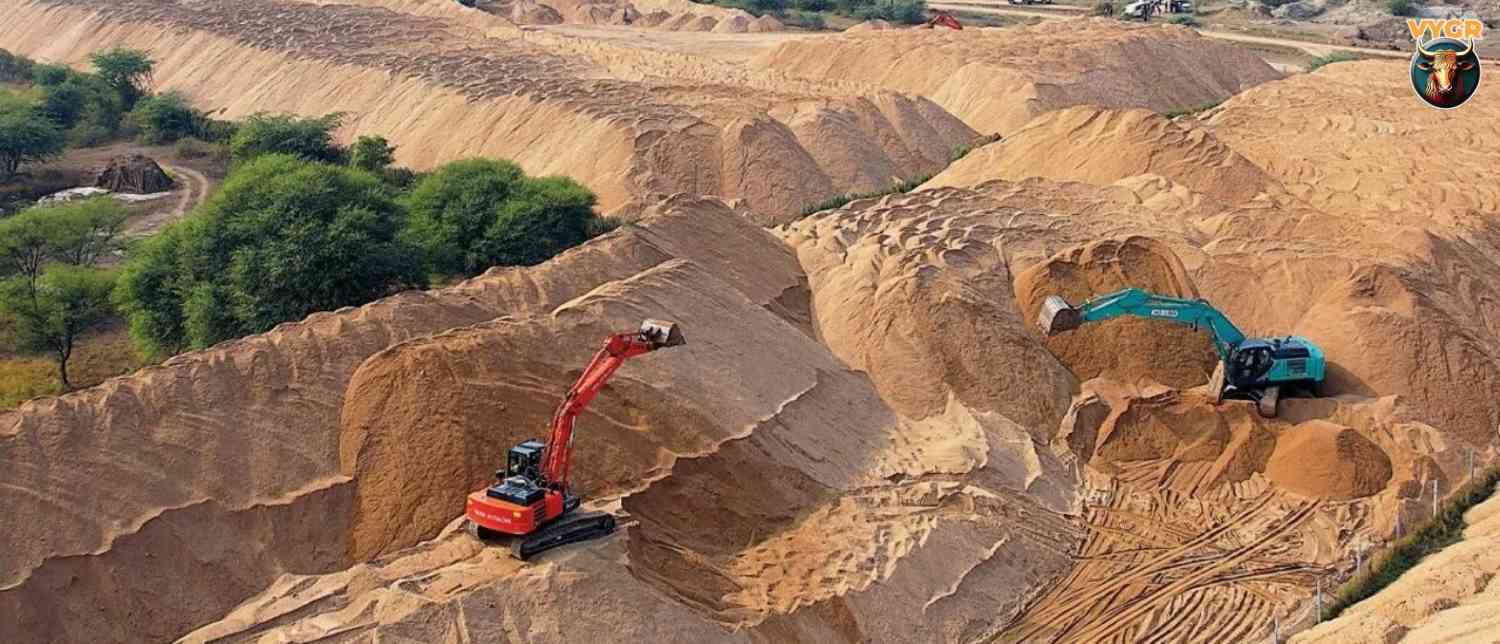
What makes the case particularly significant is the scale and the method alleged by investigators. According to the agency, tenders were rigged, sand was dug well beyond approved limits, and fake permit slips were used to move it out of the riverbeds. The probe covers quarries across the state and a period of three years, from 2021 to 2024, when the previous DMK government was in power.
The case also marks a new phase in the TVK government’s anti-corruption drive and puts a senior opposition leader under legal pressure. The accused are presumed innocent, and every allegation will have to be proved in court.
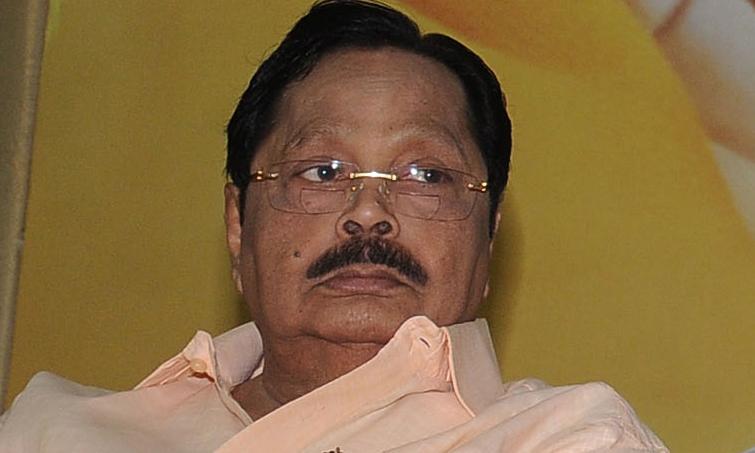
Durai Murugan
DVAC Books Former Minister Durai Murugan in Sand Mining Case
The DVAC registered the FIR on November 5, naming Durai Murugan, who is the general secretary of the DMK and a former Water Resources Minister, along with serving and retired government officials, private individuals and companies. It alleges irregularities in the operation of sand quarries between 2021 and 2024.
Following the registration of the case, DVAC teams carried out simultaneous searches at 34 locations across Tamil Nadu and Puducherry. The agency says it seized 825 documents, 11 electronic devices and three bank locker keys, which investigators will now examine to trace the money trail and the paperwork behind the quarry operations.
The action comes about a month after the government moved against another former DMK minister, Anbil Mahesh Poyyamozhi. Together, the two cases show the TVK government stepping up its drive against corruption in the previous administration.
How the Alleged Sand Mining Racket Operated
According to the DVAC, the alleged racket worked in three connected stages. Together, they created what investigators describe as a parallel network for extracting sand.
1. Rigged Tenders
The agency alleges that transparent tender procedures were bypassed. Contracts were reportedly split into smaller components and awarded through limited tenders instead of open competitive bidding. This allegedly restricted competition and helped favoured contractors secure quarry-related work.
2. Digging Beyond Approved Limits
The second stage involved extracting sand beyond approved mining plans. Investigators allege that excavation went past authorised boundaries and permitted depths, which sharply increased the volume of sand taken out of the riverbeds.
3. Fake Permits and Illegal Transport
The third stage dealt with moving the sand. The FIR alleges that fabricated vouchers were presented as genuine permit slips to facilitate the transport of illegally mined sand. Investigators are now examining whether government records were manipulated to make excess extraction and transportation appear legitimate.
If proved, the combination would mean that illegal mining was hidden behind official paperwork at every stage, from awarding the work to moving the sand to the market.
Where Does the Rs 1,427-Crore Figure Come From?
The headline figure is based on a preliminary assessment of only four quarries: Echambadi, Kandaneri, Madhavaperumal Koil and Oruvanthoor. Investigators say illegal excavation at these four sites amounted to more than 4 crore cubic metres of sand. The estimated wrongful loss to the state from them is Rs 1,427.34 crore.
The other 24 quarries have not yet been assessed. The sites under investigation include Enathimangalam, Arumparuthi, Thalakudi, Kookur, Neruru North, Nanniyur and others. Because the loss at these locations is still to be quantified, the Rs 1,427-crore number may represent only a part of the total alleged damage.
Who Are the Accused?
Besides Durai Murugan, the FIR names two retired Engineers-in-Chief, A. Muthaiya and Ramamoorthi, and 14 officials of the Water Resources Department. It also names 10 private individuals and firms, among them MRM Ramaiya Enterprises, R S Constructions and K-Infra, which the agency says were allegedly associated with a network of contractors.
The list suggests that investigators are looking at a suspected nexus between officials and contractors, rather than at individual lapses. The case therefore covers the political leadership of the department, its senior engineers and the private parties that held quarry work.
How the Investigation Began
The case did not begin with the DVAC. Its origins lie in complaints made to the Enforcement Directorate (ED), including those by the anti-corruption NGO Arappor Iyakkam. The ED examined alleged illegal mining across the 28 sites and passed documentary evidence on to the state authorities.
The Tamil Nadu government authorised a detailed inquiry in December 2025. The DVAC then registered the FIR and carried out the searches, turning a long-running complaint into a formal criminal case.
The Environmental Cost of Illegal Sand Mining
Beyond the financial loss, the case raises serious environmental concerns. The FIR refers to falling groundwater levels, drying wells, and damage to aquatic habitats and riverbank ecosystems. It also alleges violations of environmental concerns highlighted by the Madurai Bench of the Madras High Court in 2017.
Excessive sand mining weakens riverbanks, lowers the water table, and affects farmland that depends on groundwater. These effects build up over years and are difficult to reverse. For villages along the rivers, the loss of water can matter as much as the loss to the treasury.
Political Fallout: Anti-Corruption Drive and the DMK
The case is certain to carry political weight. The main accused is a senior leader of the DMK, and the investigation is being run by a government led by its rival. The DMK has long argued that such actions can be politically motivated, and the legal process will have to show whether the evidence stands on its own.
For the TVK government, the case is a test of its promise to act against corruption. A well-built case with a clear paper trail would strengthen that claim, while a weak one could hand the opposition an argument.
Challenges Before Investigators
The central question is whether the DVAC can establish the full chain linking tender awards, quarry operations, transport permits and the people who gained financially. Proving that officials and contractors acted together, rather than separately, is usually the hardest part of such cases.
Investigators also have to finish the financial assessment of the remaining 24 quarries. Until that is done, the total scale of the alleged scam will remain uncertain.
What Happens Next
In the coming weeks, attention will turn to several developments:
- Questioning of the named officials, former engineers and contractors
- Analysis of the seized documents, devices and locker keys
- Any move by the accused to seek bail or challenge the FIR in court
- The loss assessment for the remaining 24 quarries
- The possibility of a separate money-laundering case by the ED
For Tamil Nadu, the outcome matters beyond one case. It will show whether the state can hold both officials and political leaders to account for the management of its natural resources.
From complaints by an anti-corruption NGO to searches at 34 locations, the sand mining case shows how a long-running allegation can turn into a major criminal investigation. Whether it ends in convictions will depend on the evidence, and the courts will have the final word.
© Copyright 2026. All Rights Reserved. Powered by Vygr Media.