 By

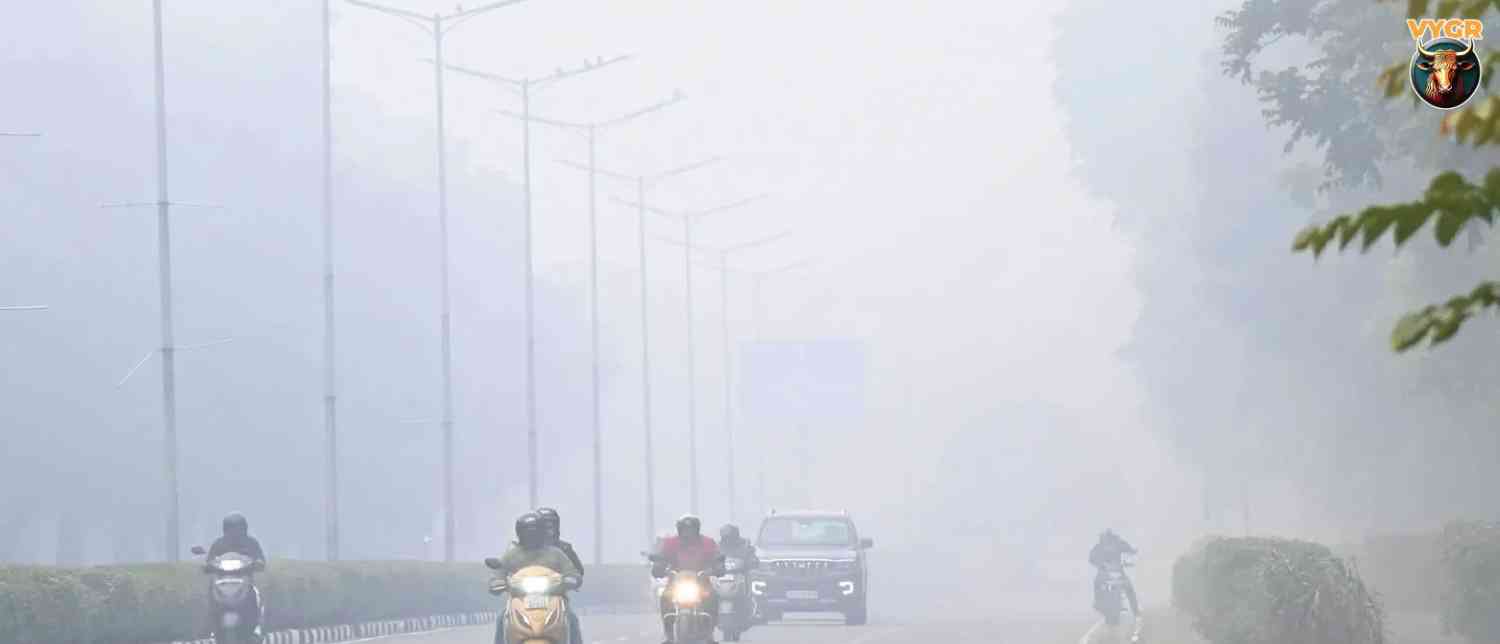
Chandigarh, November 17: A dense fog alert has been issued for Punjab, Haryana and Chandigarh from November 17 to 20, as the region's mornings turn sharply colder and visibility drops during early morning and late-night hours. The Tricity recorded its coldest mornings of the season, with Chandigarh logging a minimum of 11°C and Panchkula settling at 10.9°C, the season's lowest minimum temperature there.
Commuters, drivers, rail passengers and farmers across the northwest plains are being advised to plan around reduced visibility through the four-day alert window.
Dense Fog Alert Key Points
- Alert window: November 17 to 20 for Punjab, Haryana and Chandigarh.
- Chandigarh: minimum temperature of 11°C, the season's lowest so far.
- Panchkula: minimum temperature of 10.9°C, the season's lowest.
- Visibility: expected to stay poor during morning and night hours.
- Risk areas: highways, expressways, rural link roads, rail corridors and airport operations.
Chandigarh and Panchkula Record Season's Lowest Temperatures
The winter chill has arrived in the Tricity in earnest. Chandigarh dipped to 11°C in the early hours of Wednesday, its lowest reading of the season. Neighbouring Panchkula went slightly lower at 10.9°C, marking its coldest minimum of the season.
|
Location |
Minimum temperature |
Status |
|---|---|---|
|
Chandigarh |
11°C |
Season's lowest so far |
|
Panchkula |
10.9°C |
Season's lowest minimum |
A drop to around 11°C is a clear marker that the post-monsoon transition is over and winter conditions are setting in across Punjab, Haryana and the Union Territory. Cooler nights are also the main ingredient for fog, which is why the temperature fall and the fog alert arrive together.
What the Dense Fog Alert Means for Punjab, Haryana and Chandigarh
The alert covers the period from November 17 to 20. During these days, fog is likely to be at its thickest in the late-night and early-morning hours, and visibility may also remain poor after dark. Conditions usually improve as the sun climbs and the day warms, but patches can linger in low-lying and rural areas well into the morning.
Fog is graded by how far a person can see. These are the standard visibility bands used in weather bulletins in India:
|
Fog category |
Visibility |
|---|---|
|
Very dense fog |
0 to 49 metres |
|
Dense fog |
50 to 199 metres |
|
Moderate fog |
200 to 499 metres |
|
Shallow fog |
500 to 1,000 metres |
At dense and very dense levels, driving becomes hazardous because a driver can see only a few car lengths ahead. That is the reason a dense fog alert is treated as a travel-safety warning and not just a weather update.
Why Fog Is Forming Across North India
Fog forms when air near the ground cools to the point where its moisture condenses into tiny water droplets. Four conditions make the Punjab, Haryana and Chandigarh belt especially prone to it in late November:
- Falling night temperatures: clear skies let the ground lose heat quickly after sunset.
- High moisture in the air: the Indo-Gangetic plains hold plenty of humidity after the monsoon and paddy season.
- Calm winds: light or still air stops fog from being mixed away.
- Fine particles in the air: dust and smoke give droplets more to cling to, which can thicken fog and slow its clearing.
This is why the record-low minimums in Chandigarh and Panchkula and the dense fog alert are linked. As nights keep cooling, fog tends to settle in earlier at night and take longer to lift in the morning.
Travel Impact: Roads, Rail and Flights
Reduced visibility affects every mode of travel, and authorities routinely ask people to expect delays during dense fog spells.
- Road travel: highways and expressways across Punjab and Haryana, including the Chandigarh approach roads, see the highest risk of pile-ups when drivers speed in low visibility.
- Rail travel: trains on the northern routes are often delayed or rescheduled in dense fog, so passengers should check live running status before leaving home.
- Air travel: low visibility can slow take-offs and landings, so flyers should check with their airline before heading to the airport.
Safety Tips for Drivers and Commuters
- Drive slowly and keep a longer distance from the vehicle ahead.
- Use low-beam headlights and fog lamps. Avoid high beams, which reflect off fog and reduce what you can see.
- Do not overtake in dense fog, and do not stop on the carriageway.
- Use reflective tape or markers on two-wheelers, tractors and trolleys.
- Delay early-morning and late-night trips where possible, and travel after the fog has lifted.
- Keep the windscreen clean and use the defogger to clear mist inside the glass.
Health Advisory
Cold, damp air and poor visibility together can be hard on people with breathing problems. Children, older adults and anyone with asthma, bronchitis or heart conditions should limit early-morning outdoor activity, keep warm, and avoid long exposure to cold fog. Wearing a mask outdoors, keeping rooms ventilated but warm, and seeking medical advice for persistent cough or breathlessness are sensible precautions.
Tips for Farmers
Cold, foggy weather can affect standing crops and field work. Farmers in Punjab and Haryana are advised to follow local agriculture department guidance, avoid unnecessary early-morning field movement on foggy days, and make tractors and trolleys visible with reflectors when moving on roads.
What to Expect Next
The dense fog alert runs till November 20, and fog is likely to remain a feature of the early mornings and nights through that window. Temperatures are likely to stay low in the Tricity and across Punjab and Haryana during the period. Residents should watch daily weather bulletins for any changes in the alert level or visibility forecast.
© Copyright 2026. All Rights Reserved. Powered by Vygr Media.