
 By
By 
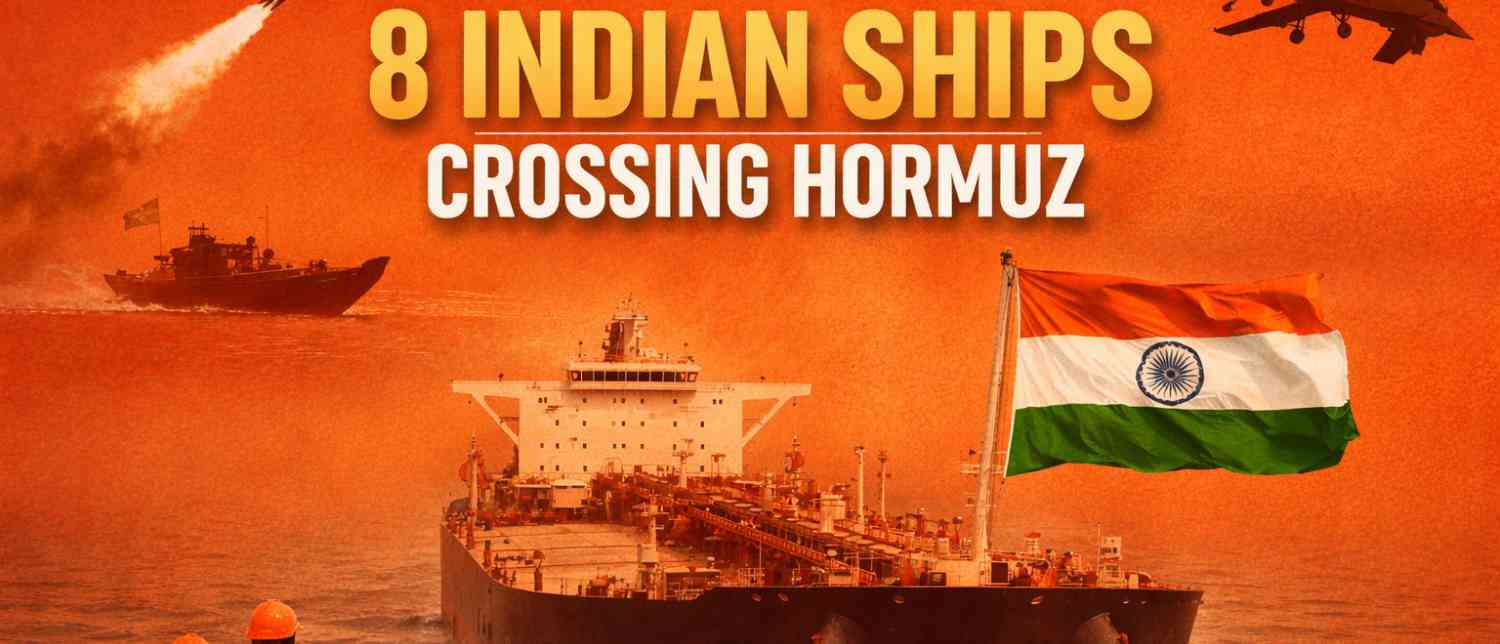
As war clouds thicken over West Asia and the Strait of Hormuz teeters between blockade and controlled access, India has quietly executed one of the most significant maritime balancing acts of the ongoing crisis. In a development that underscores both diplomatic finesse and operational resilience, at least eight Indian-linked vessels have successfully crossed one of the world’s most volatile chokepoints since hostilities erupted on February 28.
The latest among them, the LPG carrier Green Sanvi, made a safe transit through the strait, becoming the eighth Indian vessel to do so amid a near-collapse of global shipping traffic in the region. Its passage is more than a routine maritime movement; it is emblematic of India’s ability to sustain critical energy lifelines while much of the world remains stalled outside the narrow waterway.
A choke point under siege
The Strait of Hormuz, wedged between Iran and Oman, is no ordinary shipping lane. Nearly 20% of global oil trade flows through this corridor, making it indispensable to energy markets and geopolitics alike. For India, the stakes are even higher: roughly 40% of its crude oil and up to 90% of its LPG imports transit through these waters.
But since the outbreak of the Iran conflict triggered by US-Israeli strikes and followed by Tehran’s sweeping retaliation, the strait has effectively operated under a “chokehold.” Commercial shipping dropped dramatically, with traffic reportedly plunging by as much as 90% in the early days of the crisis. Only a limited number of vessels, primarily linked to countries like India, China, and Pakistan, have been allowed through under strict coordination.
Rather than a total blockade, what has emerged is a system of selective access. Iran has indicated that “non-hostile” or “friendly” vessels may pass, provided they adhere to specific protocols and maintain communication with Iranian authorities.
India emerges among top maritime movers
Against this fraught backdrop, India has emerged as one of the top nations maintaining ship movements through the strait. Since February 28, at least eight Indian vessels have successfully transited Hormuz, placing the country among those with the highest number of crossings during the crisis.
The vessels include:
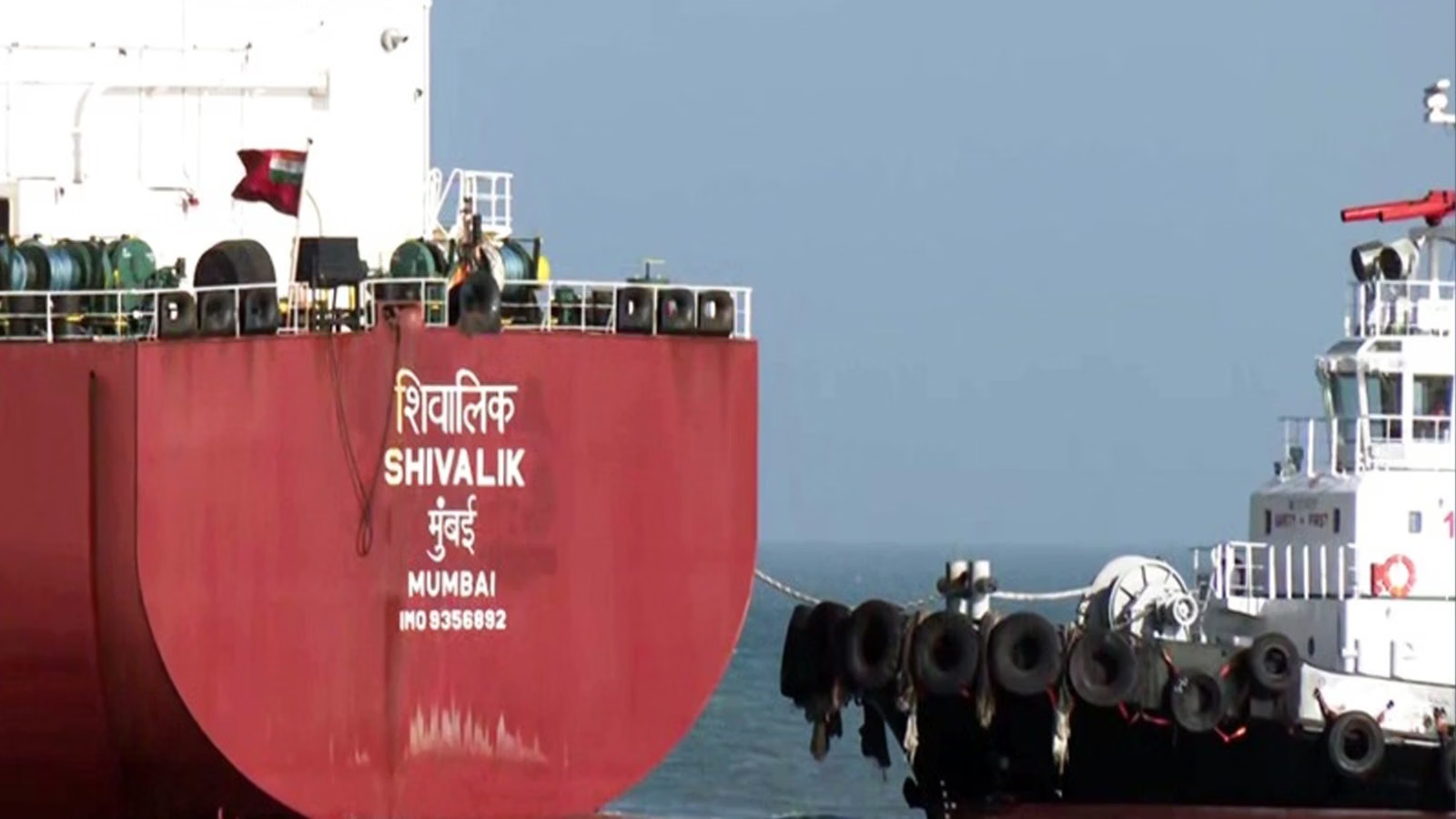
Shivalik
Nanda Devi
Jag Laadki
Pine Gas
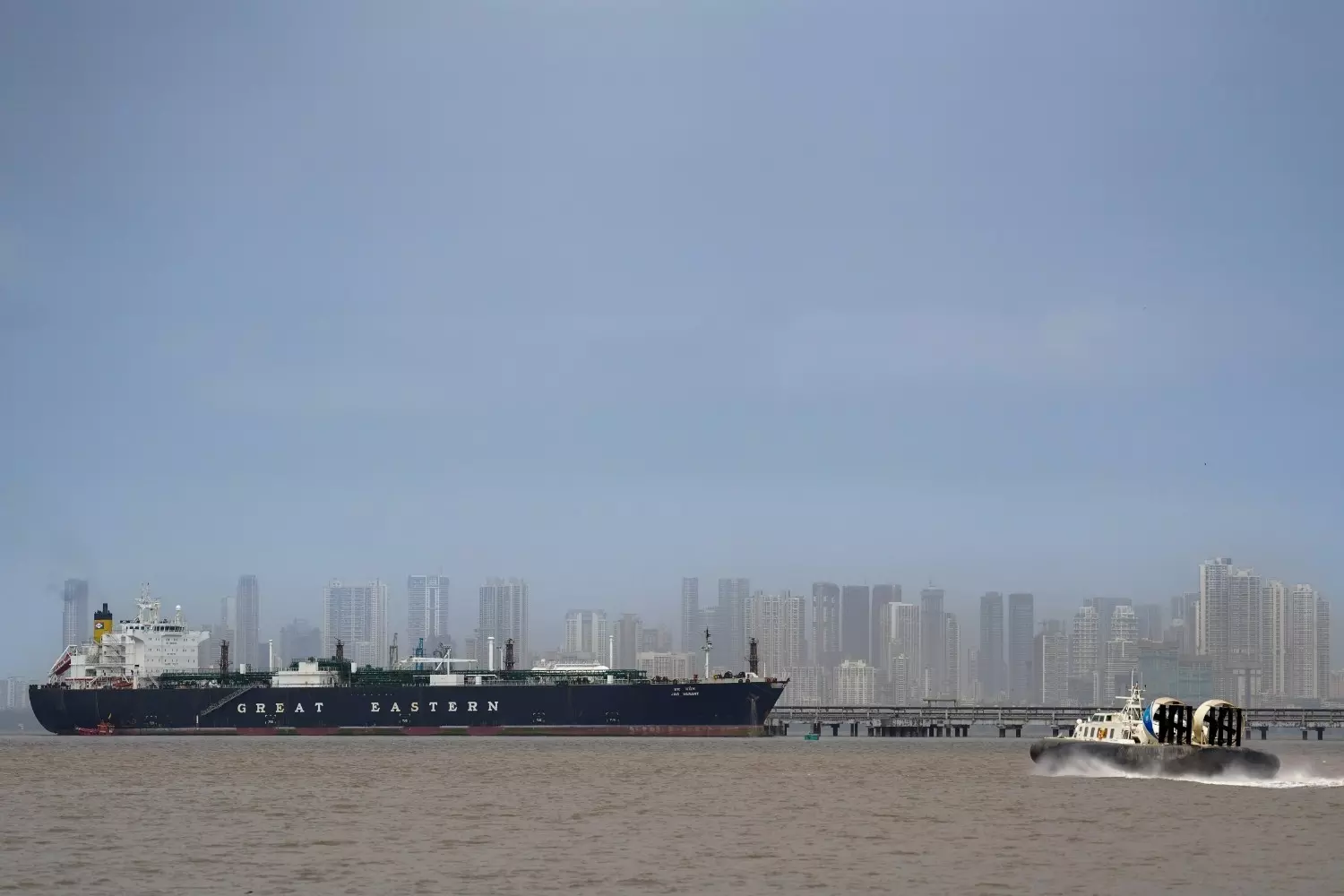
Jag Vasant
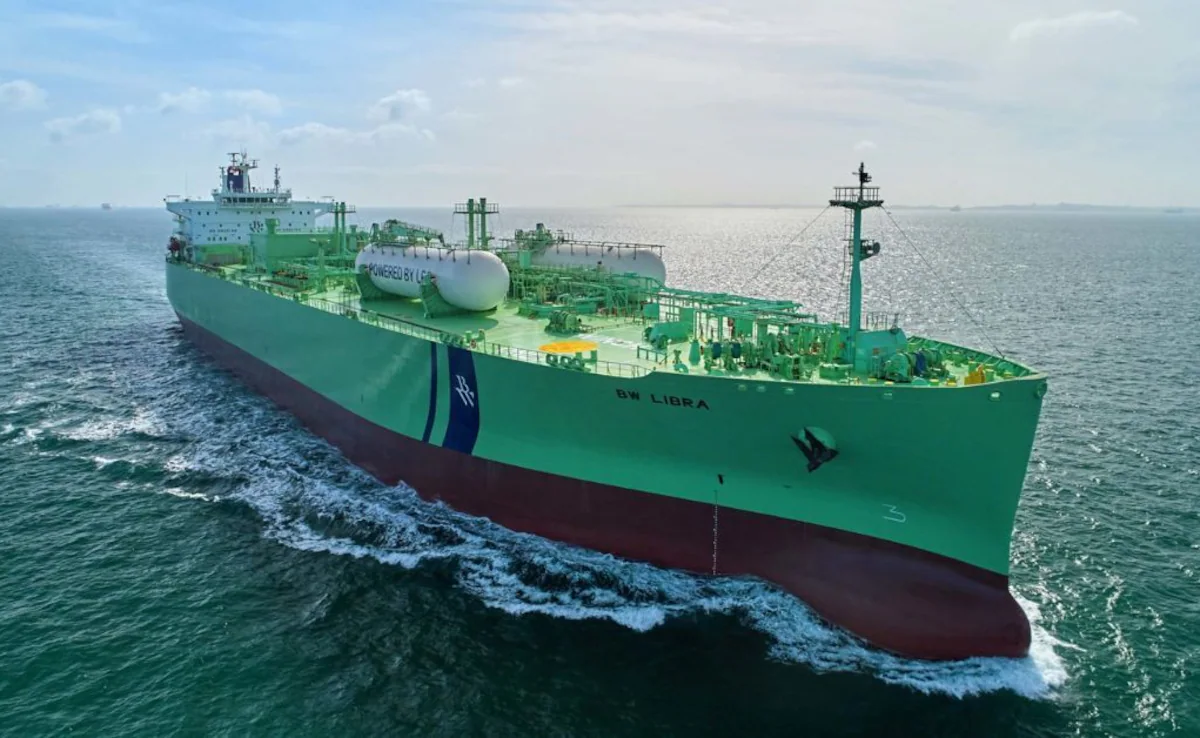
BW Tyr
BW Elm
Green Sanvi
These ships carried a mix of critical cargo ranging from crude oil and gasoline to large volumes of liquefied petroleum gas (LPG), ensuring continuity in India’s energy supply chain.
For instance, LPG carriers BW Tyr and BW Elm alone transported a combined 94,000 tonnes of LPG, while Pine Gas and Jag Vasant delivered over 92,000 tonnes between March 26 and 28. Earlier, Shivalik and Nanda Devi brought similar volumes to Gujarat ports, and Jag Laadki transported over 80,000 tonnes of crude oil from the UAE.
The Green Sanvi, which safely crossed most recently, was carrying approximately 46,650 metric tonnes of LPG, further strengthening domestic supplies at a time of global uncertainty.
A tale of two realities: movement and paralysis
India’s success stands in stark contrast to the broader maritime gridlock. At the onset of the conflict, 28 Indian-flagged vessels were present in or around the Strait of Hormuz, with 24 located west of the strait and four to the east.
Simultaneously, at least 18 Indian-flagged ships carrying crude oil, LNG, and LPG were stranded, while around 10 foreign-flagged vessels bound for India remained stuck in the Persian Gulf.
Even as eight vessels managed to pass, the majority were forced to wait, highlighting the unpredictable and selective nature of transit permissions.
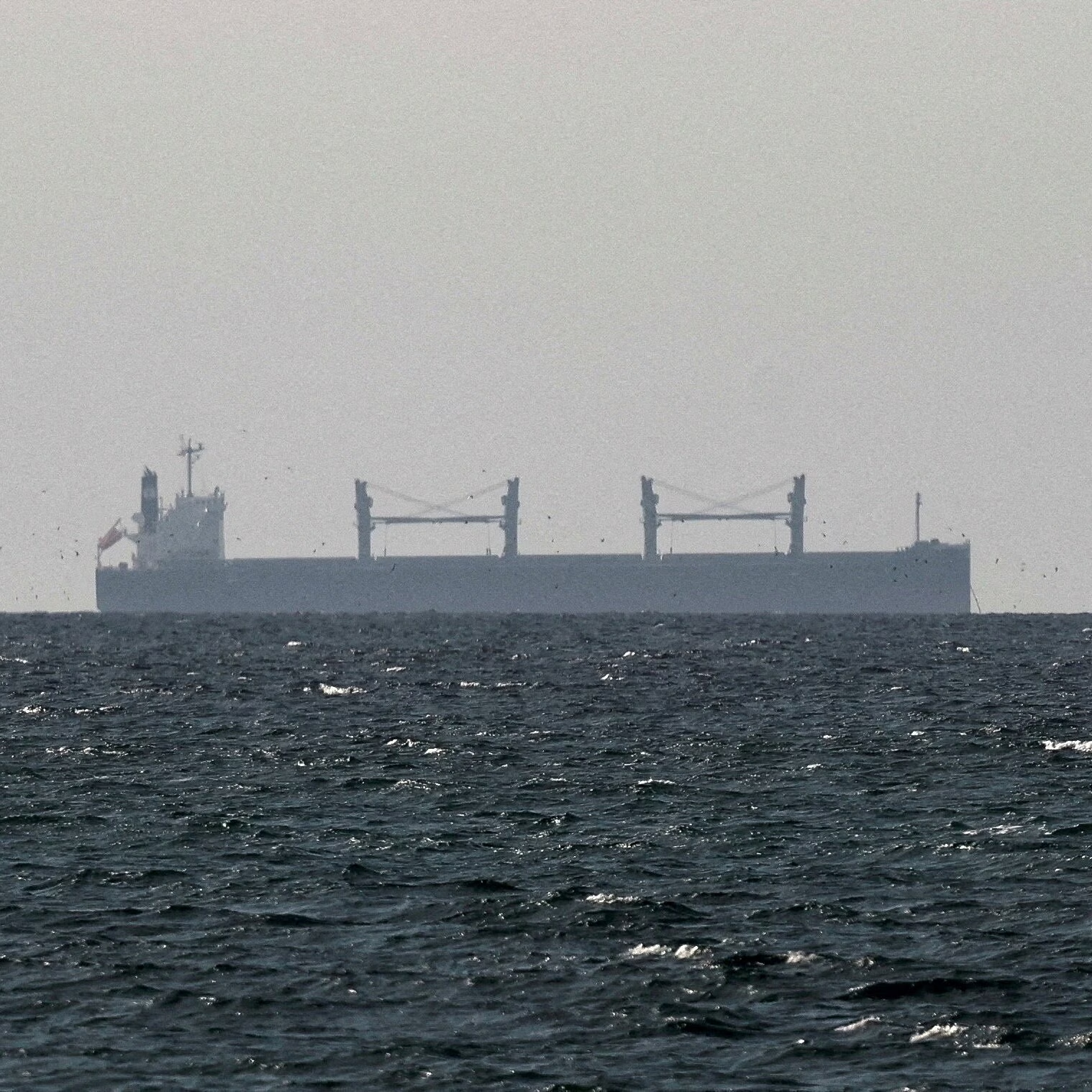
Globally, the situation has been even more constrained. Only around 150 vessels, a fraction of normal traffic, have crossed the strait since early March, underscoring the scale of disruption.
Diplomacy, coordination, and quiet negotiations
India’s ability to maintain this level of maritime movement is not accidental. It is the result of sustained diplomatic engagement and operational coordination.
Geopolitical alignments and ongoing dialogue have influenced Iran’s decision to allow passage for certain countries. India, maintaining communication with Tehran, has benefited from this calibrated access.
At the same time, Indian naval deployments under ongoing maritime security operations have played a crucial role. Warships have been stationed in the region to monitor and safeguard India-bound vessels, reinforcing confidence among shipping operators and ensuring safer passage through contested waters.
Energy security at the core
Behind every successful transit lies a deeper imperative: energy security.
India’s economy and, by extension, its households depend heavily on uninterrupted energy supplies. LPG shipments, in particular, have direct implications for millions of households relying on cooking gas.
The arrival of successive LPG cargoes has helped stabilise domestic supply chains and prevent potential shortages. In that sense, each vessel crossing Hormuz is not just a maritime achievement but a critical link in sustaining everyday life across the country.
The risks remain real
Yet, the situation remains precarious.
The Strait of Hormuz remains one of the most heavily militarised and contested waterways in the world. Iran’s control mechanisms, coupled with the threat of missile strikes, drones, and naval mines, have created an environment where even escorted vessels face significant risk.
Recent developments indicate that Iran has begun allowing limited transit for essential goods, but under stringent oversight.
Meanwhile, global powers remain divided on how to respond. Military options to forcibly reopen the strait are widely considered impractical, given Iran’s geographical advantage and asymmetric capabilities.
A shifting global order at sea
What is unfolding in the Strait of Hormuz is not just a regional crisis it is a transformation in how global trade routes function under geopolitical stress.
The traditional notion of open sea lanes is giving way to a more controlled, permission-based system. Access is increasingly dictated by political alignment and diplomatic leverage rather than international norms alone.
In this evolving landscape, India’s performance offers a case study in strategic navigation, both literal and diplomatic.
The road ahead
For now, India remains among the few countries able to sustain maritime movement through Hormuz. The successful transit of eight vessels, culminating with Green Sanvi, reflects a combination of planning, negotiation, and resilience.
But the margin for error is slim.
With tensions in West Asia showing little sign of easing, the Strait of Hormuz will continue to test the limits of global trade and national strategy. For India, the challenge will be to maintain this delicate balance, keeping ships moving, supplies flowing, and risks contained in one of the world’s most dangerous waterways.
In a crisis defined by uncertainty, India’s steady passage through Hormuz stands out—not as a headline of defiance, but as a quiet assertion of strategic intent.
With inputs from agencies
Image Source: Multiple agencies
© Copyright 2025. All Rights Reserved. Powered by Vygr Media.