 By
By 
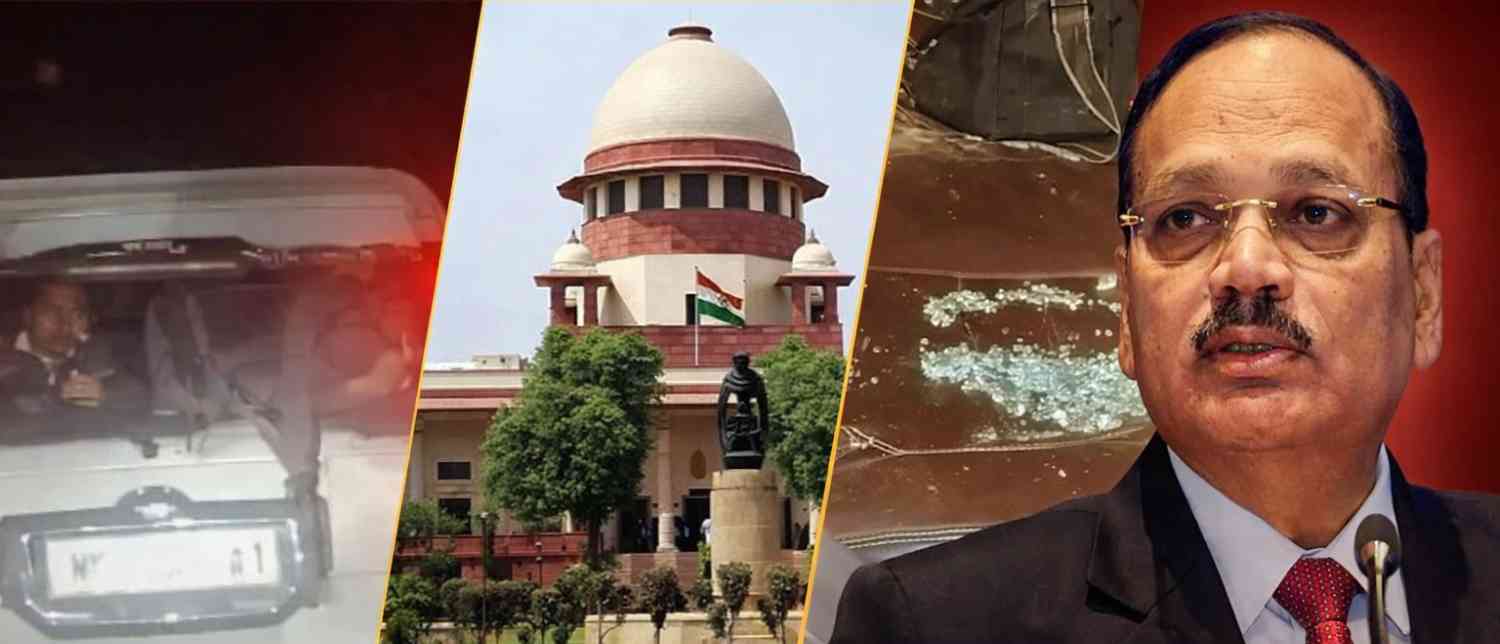
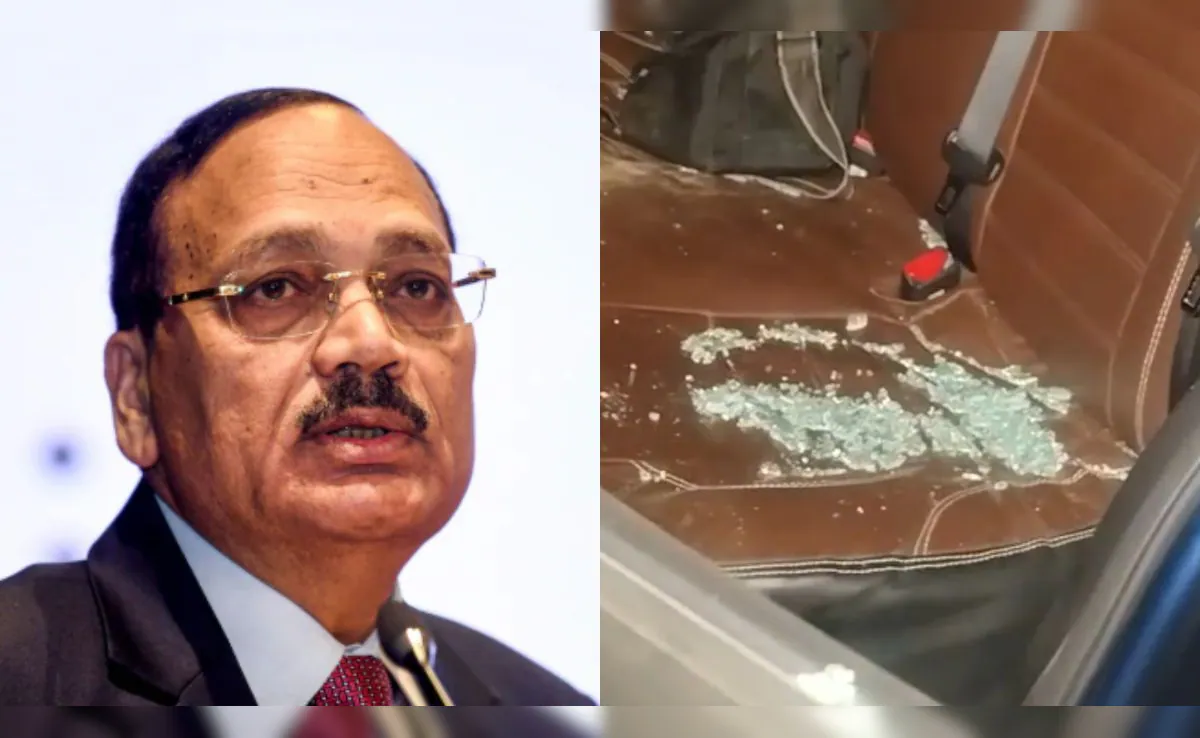
In a development that has sent shockwaves through India’s judicial and administrative machinery, the Supreme Court on Thursday came down heavily on the West Bengal government over a chilling incident in Malda district, where seven judicial officers were allegedly held hostage for over nine hours by a mob protesting electoral roll revisions. Calling the episode “calculated” and “motivated,” the top court indicated that a central agency such as the CBI or NIA could be tasked with probing the matter, underscoring the gravity of what it described as a direct assault on the rule of law.
The incident, which unfolded amid tensions surrounding the Special Intensive Revision (SIR) of electoral rolls ahead of the upcoming state elections, has triggered a constitutional confrontation, raising urgent questions about law enforcement, political interference, and the safety of judicial officials in volatile environments.
A Routine Exercise Turns Into a Siege
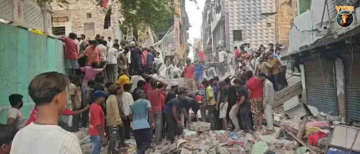
According to multiple reports, the seven judicial officers had travelled to a village in Malda district as part of their official duties linked to the SIR process—a legally mandated exercise to update voter lists, including deletion of ineligible or duplicate names. What began as a routine administrative task soon spiraled into chaos when a large group of locals, reportedly angered over the deletion of certain names from the electoral rolls, surrounded the officials.
The mob allegedly confined the officers inside a building, preventing them from leaving for more than nine hours. During this time, tensions remained high, with reports suggesting that the crowd demanded immediate reversal of the deletions. The situation effectively turned into a hostage crisis, with the officials unable to communicate freely or exit safely.
Authorities were eventually able to secure the release of the officers late in the evening, but the prolonged detention—and the apparent inability of local law enforcement to promptly defuse the situation—has drawn sharp criticism from the judiciary.
Supreme Court’s Sharp Rebuke
Hearing the matter, the Supreme Court did not mince words. The bench described the incident as not merely spontaneous unrest but a “calculated and motivated” act, suggesting that the mob action may have been orchestrated rather than incidental. The judges expressed deep concern over the implications of such an incident, particularly when it involves officers of the judiciary performing official duties.
The court questioned how such a serious breach of law and order could occur and persist for hours without effective intervention. It also highlighted the vulnerability of judicial officers in politically sensitive environments, warning that such incidents strike at the very foundation of democratic governance.
In a significant development, the court indicated that it is considering handing over the investigation to a central agency such as the Central Bureau of Investigation (CBI) or the National Investigation Agency (NIA). This move, if formalised, would signal a lack of confidence in the state’s ability to conduct an impartial and thorough probe.

‘Rule of Law Cannot Be Held Hostage’
The bench made it clear that the incident was not just about the safety of seven individuals but about the sanctity of institutions. “The rule of law cannot be held hostage,” the court observed, stressing that allowing such acts to go unchecked would set a dangerous precedent.
The judges also pointed out that judicial officers are representatives of the legal system and must be able to perform their duties without fear or coercion. Any attempt to intimidate or detain them, the court noted, amounts to a direct challenge to constitutional authority.
The court’s remarks reflect a broader worry about the erosion of institutional respect and the increasing politicisation of administrative processes, particularly in the run-up to elections.
Political Undercurrents and SIR Controversy
At the heart of the incident lies the contentious SIR process, which has become a flashpoint in West Bengal’s political landscape. The revision exercise involves verifying voter eligibility and removing names that are deemed invalid—often a sensitive issue in regions with complex demographic and political dynamics.
In Malda, the deletion of names reportedly triggered widespread anger among residents, who accused authorities of acting arbitrarily or under political influence. While officials maintain that the process follows strict legal guidelines, the lack of public trust appears to have contributed to the escalation.
The Supreme Court’s observation that the incident may have been “motivated” hints at possible political orchestration, though no definitive conclusions have yet been drawn. This aspect is likely to be a key focus if a central probe is initiated.
Questions Over Law Enforcement Response
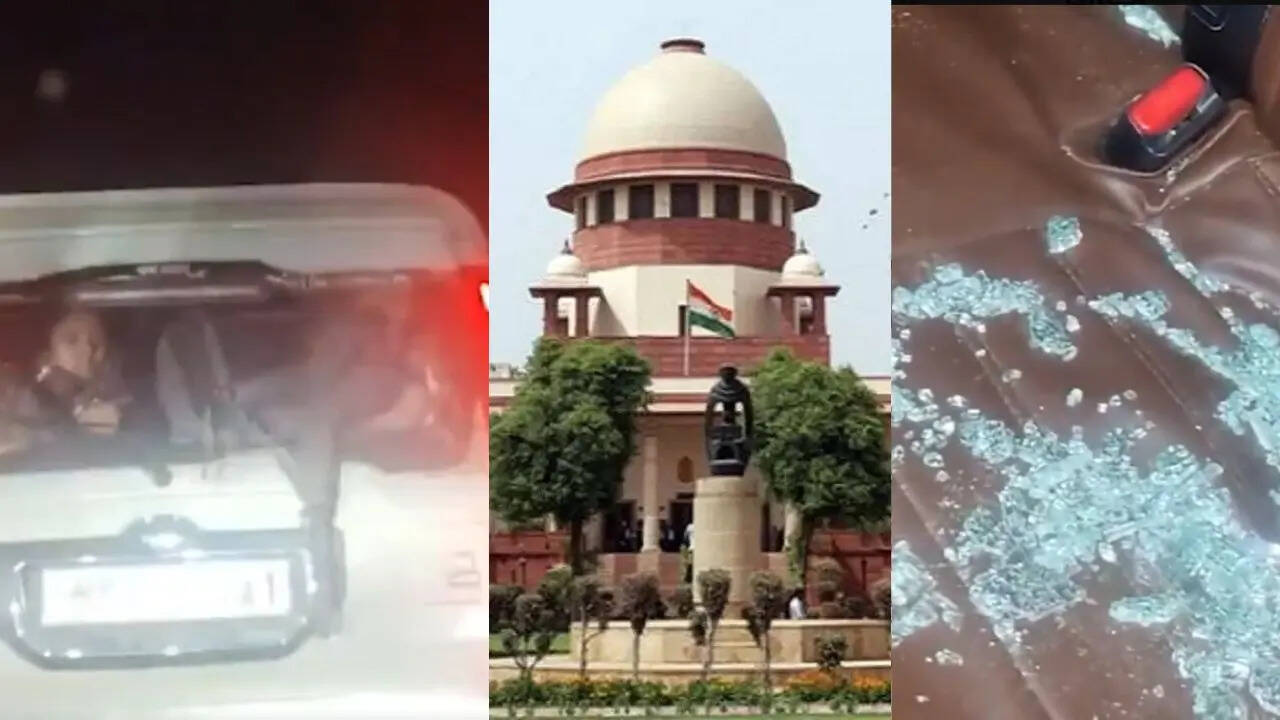
Another critical dimension of the case is the response—or lack thereof—by local law enforcement. Reports indicate that despite the prolonged nature of the standoff, authorities took several hours to regain control and secure the release of the officers.
This delay has raised serious questions about preparedness, coordination, and the ability of the state machinery to handle crises involving high-ranking officials. The Supreme Court has sought explanations on how the situation was allowed to escalate and why immediate action was not taken.
The incident has also prompted calls for enhanced security protocols for judicial and administrative officers, especially during politically sensitive operations like electoral revisions.
State Under Scrutiny
The West Bengal government now finds itself under intense scrutiny, both judicially and politically. The Supreme Court’s strong remarks have put pressure on the state to demonstrate accountability and ensure that those responsible are brought to justice.
While the state has reportedly initiated its own inquiry into the incident, the possibility of a central agency probe could shift the narrative significantly, potentially uncovering deeper layers of responsibility.
The case also adds to the growing list of law-and-order concerns in the state, particularly in rural districts where political tensions often intersect with administrative processes.
Broader Implications
Beyond the immediate facts, the Malda incident has broader implications for India’s democratic framework. The safety of judicial officers is fundamental to the functioning of the legal system, and any threat to their independence or security can have far-reaching consequences.
The episode also highlights the challenges of conducting electoral processes in highly charged environments, where administrative decisions can quickly become political flashpoints.
The Supreme Court’s intervention signals a clear message: that institutional authority must be protected, and any attempt to undermine it will be met with strict scrutiny.
What Lies Ahead
As the case unfolds, all eyes will be on the Supreme Court’s next steps, particularly its decision on whether to order a CBI or NIA probe. Such a move could not only determine accountability in this specific incident but also set a precedent for handling similar cases in the future.
Meanwhile, the seven judicial officers at the centre of the incident are reported to be safe, but the psychological and professional impact of the ordeal remains a concern.
For now, the Malda hostage crisis stands as a stark reminder of how quickly administrative processes can unravel—and how critical it is for institutions to respond with firmness, clarity, and accountability.
In the words of the Supreme Court, the incident is not just an aberration—it is a warning.
With inputs from agencies
Image Source: Multiple agencies
© Copyright 2025. All Rights Reserved. Powered by Vygr Media.