 By

The controversy surrounding Pakistani entertainment content in India has taken another turn after two private screenings of the popular Pakistani drama Dar-e-Nijaat were cancelled in Bengaluru following intense social media backlash. The screenings, organised by a fan community, faced opposition online, with several users questioning the decision to host a Pakistani television show in India amid continuing political and diplomatic tensions between the two neighbouring countries.
The incident has reignited a wider debate over Pakistani dramas in India, the availability of cross-border entertainment, and whether cultural content should be separated from political developments. It has also brought renewed attention to the contrasting reactions surrounding two Pakistani productions: Dar-e-Nijaat, which faced opposition over its proposed screenings, and Netflix's upcoming series Jo Bachay Hain Sang Samait Lo, which has also attracted criticism ahead of its international release.
What began as an entertainment-related gathering has consequently turned into a larger discussion about national sentiment, cultural restrictions, freedom of expression and the influence of social media on entertainment events.
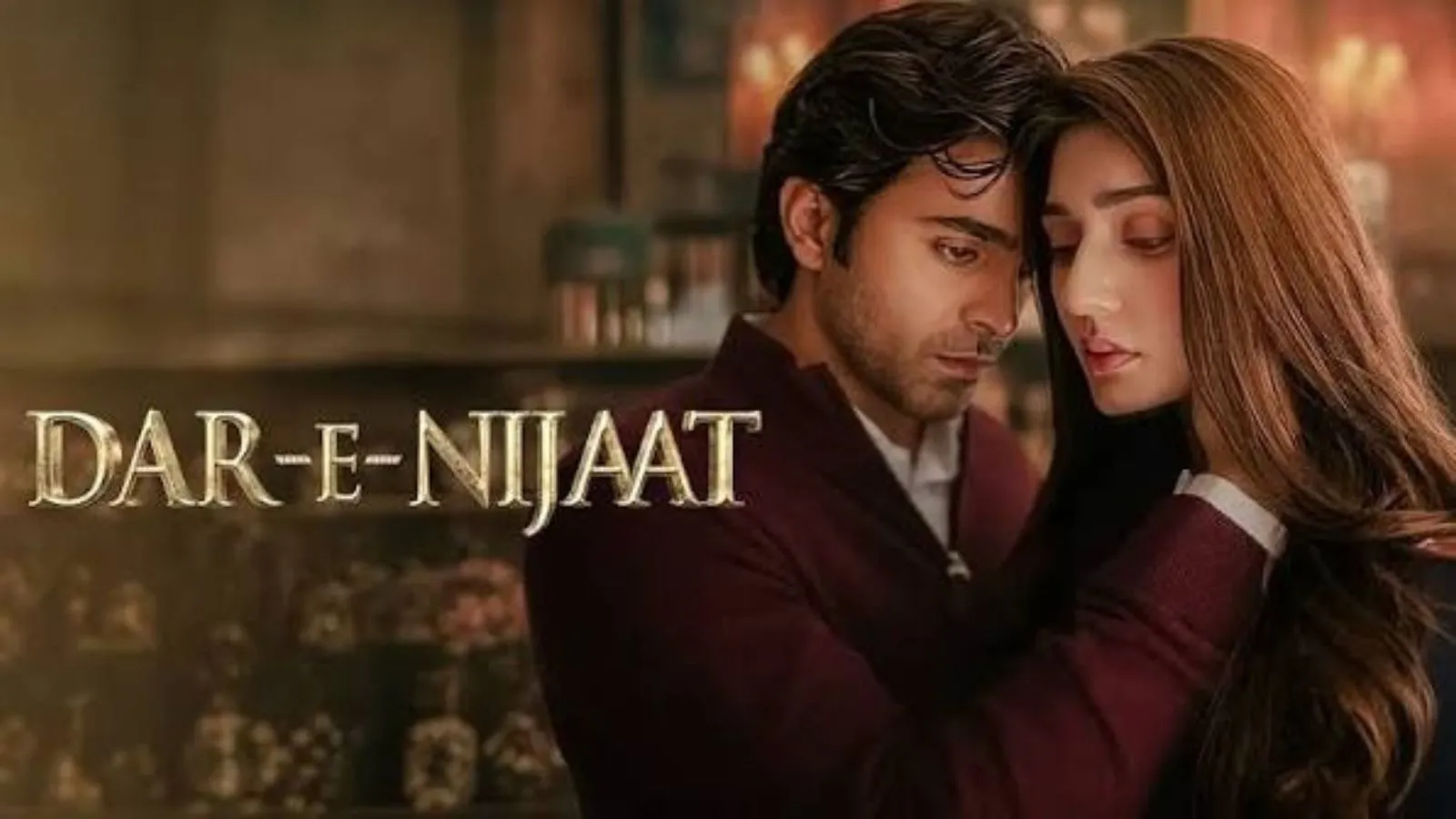
Dar-e-Nijaat Screenings Cancelled in Bengaluru After Social Media Protests
Two private screenings of the Pakistani television drama Dar-e-Nijaat scheduled to take place in Bengaluru were called off following strong opposition on social media. The proposed events had been organised by a fan group interested in watching the drama together.
However, news of the screenings quickly attracted criticism online. Several social media users objected to the idea of organising paid viewing events for Pakistani entertainment content in India, arguing that such activities were inappropriate given the prevailing political climate.
The backlash intensified as details of the proposed screenings circulated across social media platforms. The controversy eventually prompted the organisers to cancel both events rather than proceed amid growing opposition and concerns about potential disruptions.
The Bengaluru incident demonstrates how quickly an entertainment gathering can become a politically sensitive issue in the current India-Pakistan environment. Although the screenings were private events rather than a commercial theatrical release, their announcement was enough to trigger a substantial online reaction.
Why Did the Bengaluru Police Issue a Warning?
The controversy also drew the attention of Bengaluru Police, who reportedly issued a warning in connection with the proposed screenings.
With opposition mounting online, concerns emerged over the possibility of protests and disturbances surrounding the events. The police intervention added another dimension to the controversy, highlighting the importance of maintaining public order when entertainment-related gatherings become politically contentious.
The organisers ultimately decided to cancel the screenings. The decision came amid the growing social media storm and concerns surrounding the potential consequences of going ahead with the events.
It is important to distinguish between the cancellation of these private screenings and a formal government order banning the drama. The immediate development concerned the cancellation of the Bengaluru events following public opposition and police-related concerns.
The episode has nevertheless raised questions about the practical challenges of organising events featuring Pakistani entertainment in India, particularly when such programmes become the focus of political disagreements and online campaigns.
What Is Dar-e-Nijaat About? Why Has the Pakistani Drama Become Popular?
Released in 2026, Dar-e-Nijaat is a Pakistani spiritual-romance television drama written by Umera Ahmed and directed by Saqib Khan. The series features Sheheryar Munawar, Durefishan Saleem and Nameer Nawaz Khan in prominent roles.
The drama revolves around three central characters, Zaryab, Zamil and Abu Bakar, whose lives and relationships are shaped by contrasting family backgrounds, personal ambitions and religious beliefs.
Zaryab and Zamil share a relationship rooted in childhood friendship. However, their relationship takes an unexpected turn when Zamil leaves her and marries someone else. Zaryab is left dealing with heartbreak, emotional turmoil and difficult decisions about her future. Her journey eventually brings her into the life of Abu Bakar, a man whose principles and outlook on life differ considerably from those of Zamil.
With themes of faith, love, betrayal, heartbreak and redemption, the drama has attracted considerable attention among Pakistani television audiences and Indian viewers who follow Pakistani serials.
Its popularity has also extended beyond traditional television viewing, with clips, character discussions and fan conversations circulating widely across social media platforms.
The growing interest in the series explains why fan communities have been organising watch parties and screenings. However, its popularity has also placed it at the centre of a debate that extends well beyond its storyline.
Pakistani Dress Code Becomes a Major Point of Contention
One of the key reasons the Bengaluru screenings attracted criticism was the Pakistani-themed dress code mentioned in the event invitations.
Both proposed gatherings were advertised as private events featuring Pakistani television content. The invitations reportedly encouraged attendees to wear Pakistani outfits, which became a significant point of contention after promotional posters appeared online.
For some social media users, the issue was not simply about watching a television drama. They objected to organising gatherings that appeared to celebrate Pakistani culture and entertainment at a time when relations between India and Pakistan remain strained.
The criticism intensified as users questioned the organisers' decision and tagged local authorities, seeking intervention.
The controversy illustrates how seemingly ordinary entertainment activities can acquire political significance when they involve countries with a complicated diplomatic relationship.
It also highlights the growing influence of social media, where promotional material can quickly reach audiences far beyond the intended guest list and transform a private gathering into a widely debated public issue.
Dar-e-Nijaat Watch Party Controversy Spreads Beyond Bengaluru
The Bengaluru controversy did not emerge in isolation. A separate fan gathering involving Dar-e-Nijaat in Delhi also attracted attention after videos of the event circulated online.
The Delhi gathering reportedly took place at a cafe, where fans came together to watch the Pakistani drama and participate in discussions surrounding the series. A virtual question-and-answer interaction with director Saqib Khan was also reportedly part of the gathering.
The event received mixed reactions. While some viewers celebrated the popularity of the drama and the enthusiasm of its Indian fanbase, others questioned why Pakistani entertainment was being promoted through organised gatherings in India.
Several users called for a boycott of Pakistani content, arguing that entertainment should not be viewed separately from the broader political and security situation.
The contrasting reactions revealed an interesting divide among Indian audiences. While some viewers continue to follow Pakistani television dramas for their storytelling and performances, others believe that consuming and promoting Pakistani entertainment is inappropriate under the present circumstances.
The debate has consequently expanded from one television serial to the larger question of Pakistani shows in India.
Another Pakistani Drama Faces Backlash Ahead of Netflix Release
While Dar-e-Nijaat has faced criticism over private screenings, another Pakistani production has become the subject of a separate controversy.
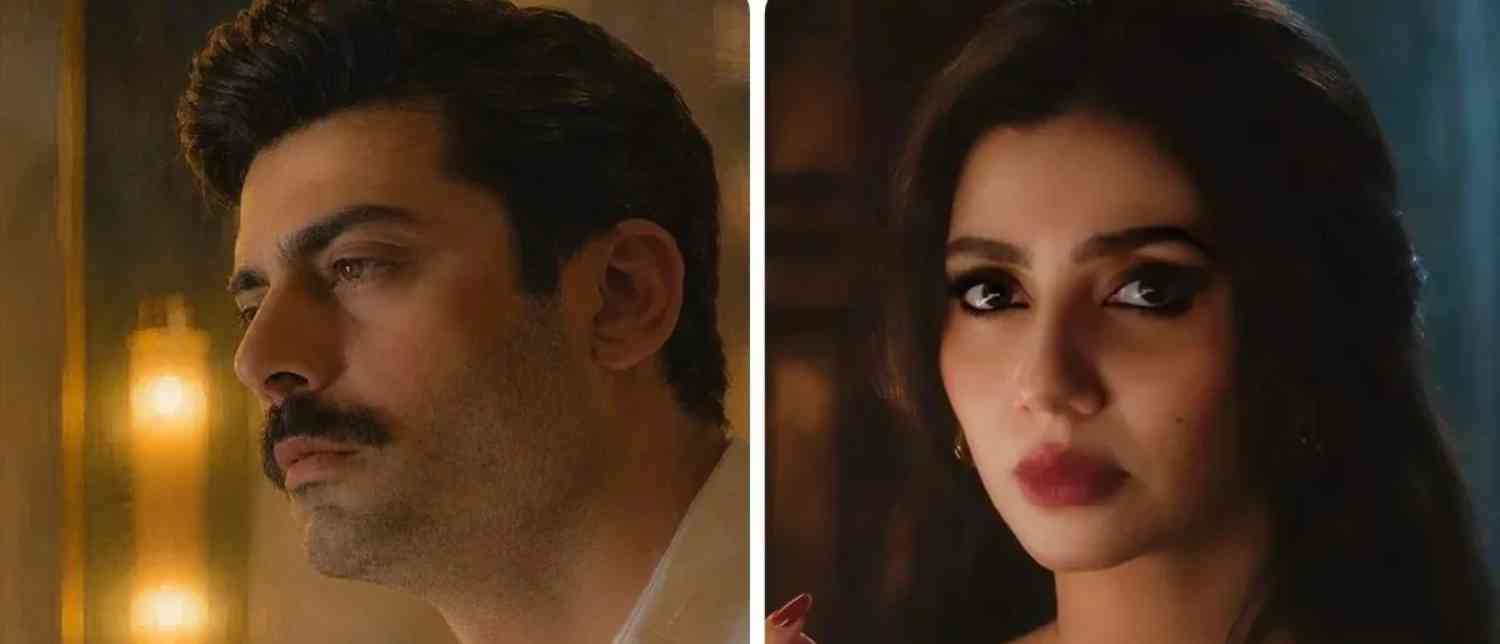
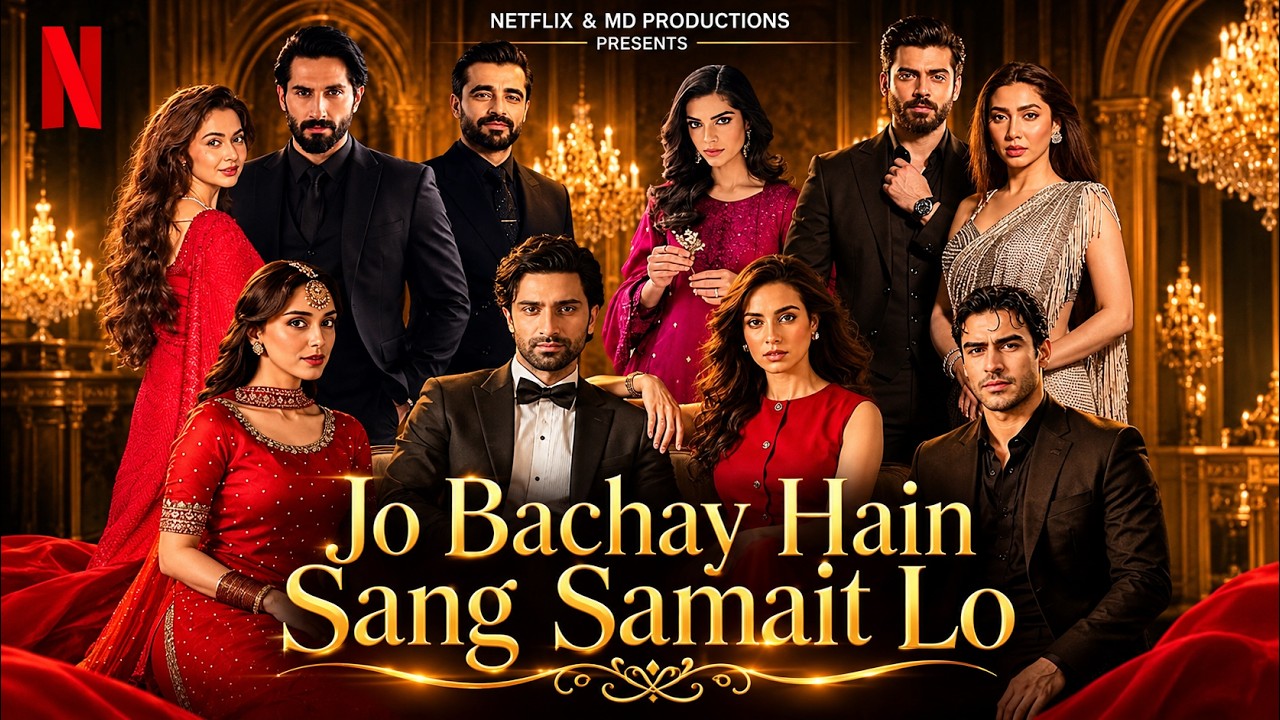
Netflix's upcoming series Jo Bachay Hain Sang Samait Lo has attracted attention after promotional posters and character announcements began circulating online.
Scheduled for a global premiere on December 4, 2026, the series features an ensemble cast of prominent Pakistani actors, including Fawad Khan, Mahira Khan, Ahad Raza Mir, Iqra Aziz, Sanam Saeed, Hania Aamir, Hamza Ali Abbasi, Maya Ali, Bilal Ashraf and Khushhal Khan.
The show has been promoted through Netflix's international and regional social media accounts. However, its potential availability in India has become a contentious issue.
As of November 25, Netflix had not officially confirmed whether the series would premiere on its Indian platform.
The All India Cine Workers Association (AICWA) has urged Prime Minister Narendra Modi to prevent the series from streaming in India. The organisation has also called for a permanent restriction on Pakistani entertainment content across Indian OTT platforms.
Its demand refers to the Ministry of Information and Broadcasting's May 8, 2025 advisory, issued following the Pahalgam terror attack, which directed OTT platforms to discontinue content originating from Pakistan.
The upcoming Netflix series has also faced criticism because of the public statements attributed to some of its cast members following India's Operation Sindoor.
Fawad Khan and Mahira Khan have particularly attracted criticism over their reported comments about India's retaliatory military strikes.
Consequently, promotional material for the series has triggered calls for a boycott, with some social media users questioning the possibility of Pakistani productions generating revenue from Indian audiences.
However, another section of internet users has questioned whether boycotts can effectively prevent people from watching content they are interested in.
The controversy surrounding the upcoming series demonstrates that the debate over Pakistani entertainment in India is no longer limited to television screenings or individual fan communities. International streaming platforms, celebrity associations and commercial interests have also become part of the discussion.
Why Are Pakistani Dramas Facing Opposition in India?
The renewed opposition to Pakistani television shows needs to be understood in the context of deteriorating India-Pakistan relations.
The Pahalgam terror attack on April 22, 2025, in which 26 tourists and a local resident were killed, triggered widespread anger in India and further strained bilateral relations.
The subsequent military developments, including Operation Sindoor, intensified public criticism of Pakistan and brought renewed scrutiny to cultural and entertainment exchanges between the two countries.
Pakistani artists, films, television shows and other entertainment projects have since faced calls for boycotts and restrictions.
The May 2025 advisory concerning Pakistani-origin content on OTT platforms further reinforced the restrictions surrounding the availability of such entertainment in India.
Against this background, the Bengaluru screenings became more than an ordinary fan event for many social media users. The proposed gatherings were viewed through the lens of national sentiment, diplomatic tensions and the broader debate over cultural engagement with Pakistan.
At the same time, the continued popularity of Pakistani dramas among sections of Indian audiences highlights the complicated relationship between entertainment preferences and political developments.
Pakistani Entertainment in India: A Debate Far From Over
The cancellation of the two Dar-e-Nijaat screenings in Bengaluru has brought fresh attention to the challenges surrounding Pakistani entertainment in India.
For some viewers, television dramas are primarily a form of storytelling, and their appeal comes from compelling characters, emotional narratives and performances rather than the nationality of their creators.
For others, consuming or promoting Pakistani entertainment during a period of strained bilateral relations raises questions about national interests, cultural exchanges and the commercial benefits associated with cross-border viewership.
Both perspectives have contributed to the ongoing debate, which is increasingly playing out on social media.
The contrasting controversies surrounding Dar-e-Nijaat and Jo Bachay Hain Sang Samait Lo demonstrate how Pakistani entertainment continues to attract attention in India, even as its availability and public promotion face significant opposition.
Whether the backlash will influence future private screenings, streaming releases or the popularity of Pakistani television dramas among Indian viewers remains to be seen.
For now, the cancellation of the Bengaluru events and the controversy surrounding Netflix's upcoming Pakistani series underline one thing: entertainment is rarely viewed in isolation when political tensions run this deep.
© Copyright 2026. All Rights Reserved. Powered by Vygr Media.