 By
By 
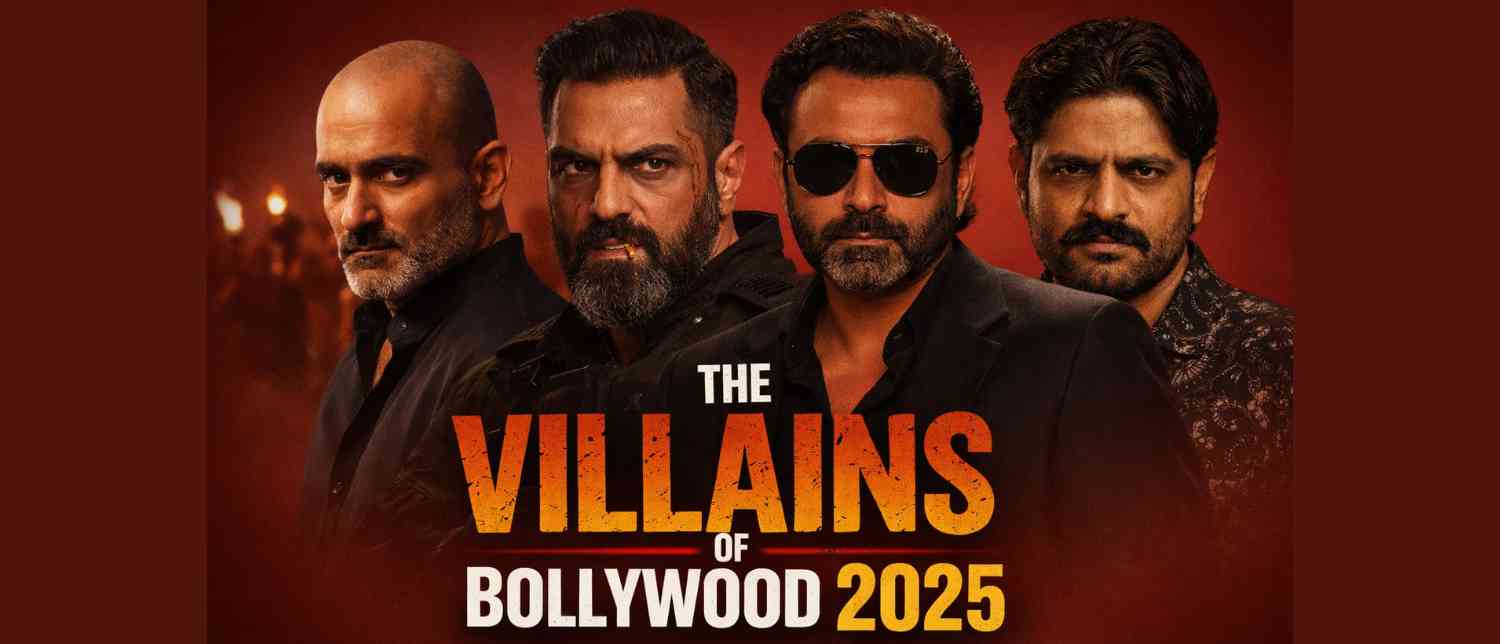
From Akshaye Khanna to Bobby Deol, how the “bad guys” rewrote Hindi cinema’s rules
For decades, Hindi cinema revolved around its heroes. Slow-motion entries, heroic background scores, and climactic victories were the pillars of Bollywood storytelling. Villains existed largely as stepping stones—loud, exaggerated figures meant to be vanquished before the final reel rolled in.
But 2025 changed everything.
Quietly yet decisively, Bollywood flipped the narrative. Heroes still arrived with swagger, but the emotional gravity, tension, and cultural memory of the year belonged to the men lurking in the shadows. Calm, calculating, impeccably dressed, and disturbingly real, the villains of 2025 were no longer just adversaries. They became the mood of cinema itself.
This was the year of the baddie villain—where sharp suits replaced wild laughs, silences caused more damage than screams, and menace was delivered not through volume but through restraint. Audiences didn’t just watch these characters; they leaned into them, discussed them, quoted them, and carried them long after the credits rolled.
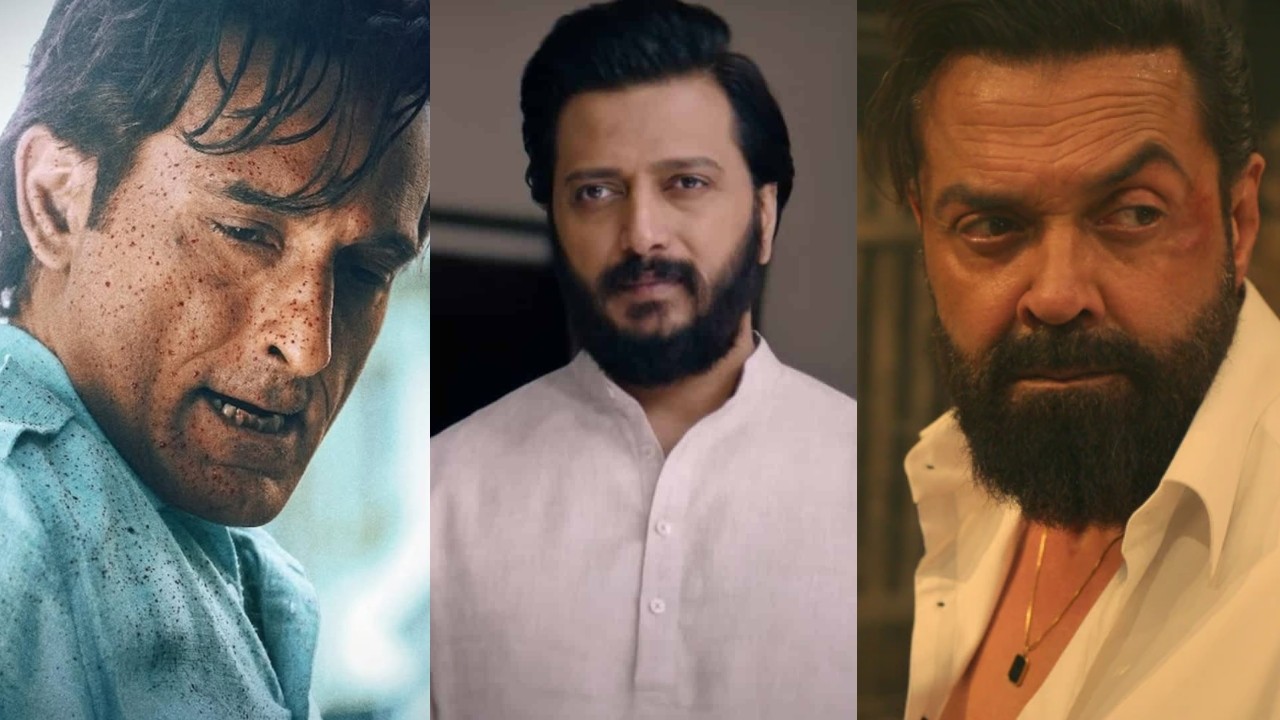
The New Language of Villainy in Bollywood
What made 2025 remarkable wasn’t merely the presence of strong antagonists—it was the complete reinvention of how villains were written and performed.
Gone were the days of exaggerated cruelty and cartoonish evil. Loud laughs gave way to piercing stares. Over-the-top violence was replaced by psychological intimidation. The most terrifying characters were often those who didn’t even announce themselves as villains at all.
This shift reflected a broader understanding within the industry: menace today lies in realism. Power is scarier when it feels familiar. Actors embraced subtlety, trusting that a pause, a look, or a measured line could unsettle audiences far more effectively than theatrics.
At the heart of this transformation stood two actors who defined opposite ends of the power spectrum while sharing the same chilling conviction—Akshaye Khanna and Bobby Deol.
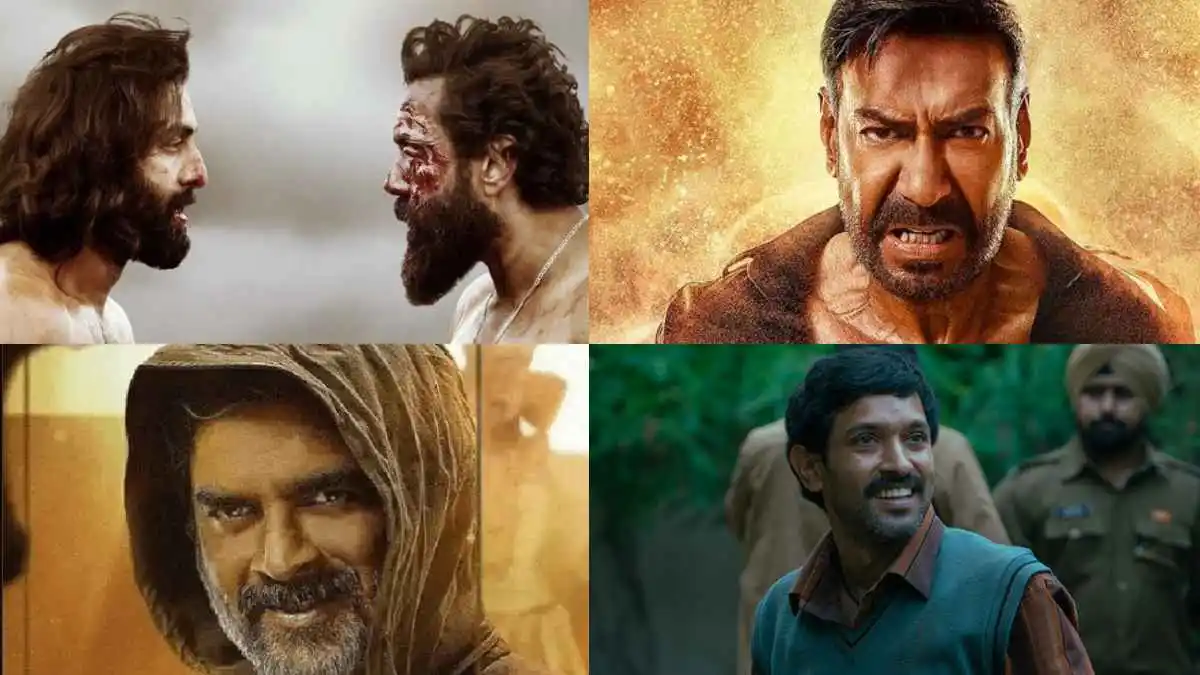
Akshaye Khanna: The Man Who Began—and Ended—2025 With Fire
If one actor truly bookended 2025 with dominance, it was Akshaye Khanna.
He opened the year with Chhaava, reminding audiences why he has long been Bollywood’s most underestimated weapon. His performance grounded the film’s scale with quiet authority, bringing gravity and restraint that elevated every frame he appeared in.
But it was Dhurandhar that sealed Akshaye Khanna’s place as the villain of the year—and arguably one of the finest antagonists Hindi cinema has seen in recent times.
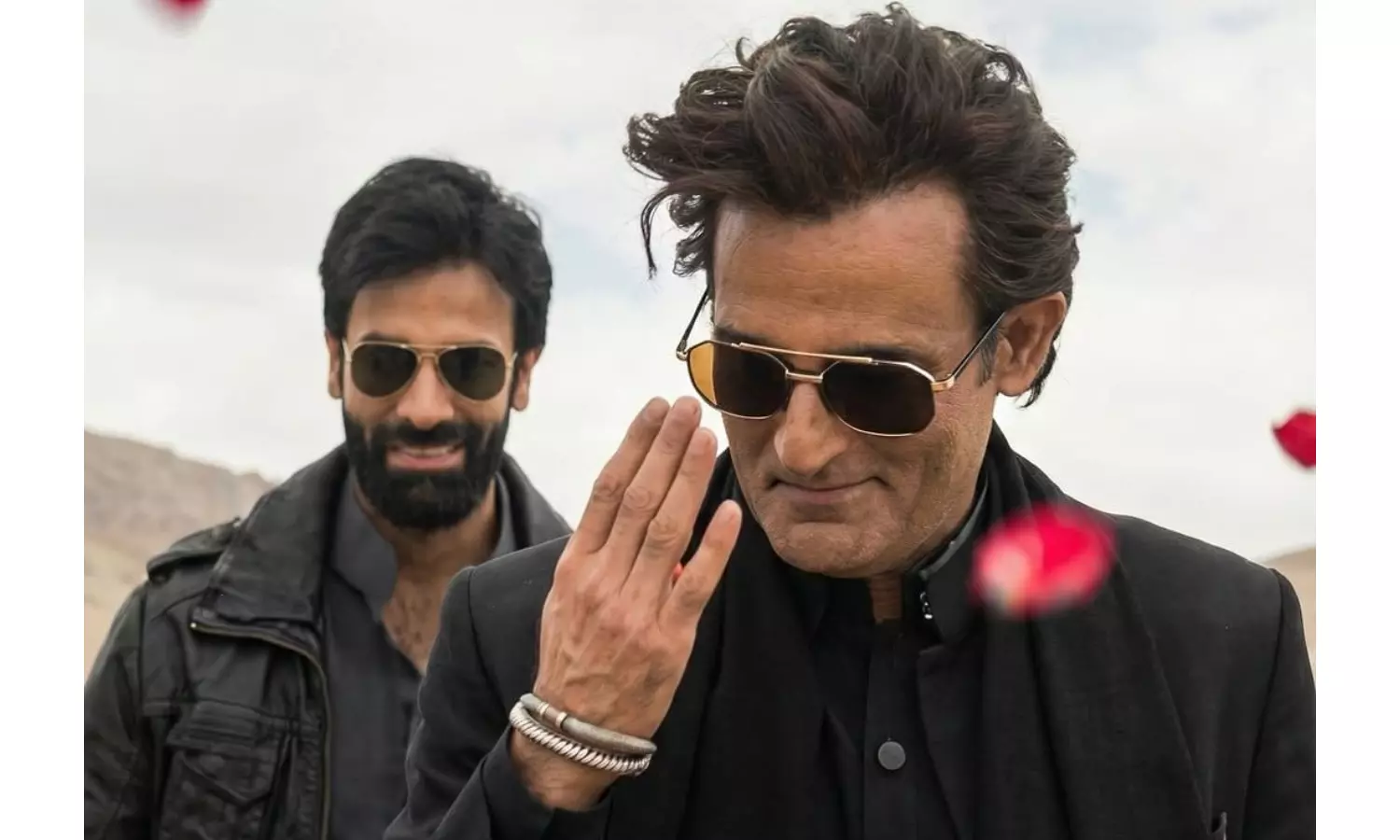
As Rehman Dakait, Akshaye didn’t raise his voice. He didn’t rely on flamboyant cruelty or grand gestures. Instead, he weaponised stillness. His pauses felt dangerous. His silences spoke louder than dialogue. Every look carried intent, suggesting violence without ever needing to show it.
In an era where antagonists often shout to be heard, Akshaye whispered—and the audience leaned in.
His now-iconic entry sequence, set to the viral Bahraini track FA9LA, became a cultural moment of its own. Stylish yet deeply unsettling, the scene gave Rehman Dakait an aura that felt global, modern, and frighteningly plausible. This wasn’t a villain designed for spectacle alone; he felt like someone who could exist beyond the screen.
Perhaps the most telling marker of Akshaye’s impact was Dhurandhar’s box-office performance. The film didn’t just succeed—it surged week after week, driven largely by conversations around Rehman Dakait. Social media buzz, critical discourse, and audience word-of-mouth all pointed to the same conclusion: the villain had become the film’s biggest draw.
By the end of 2025, Akshaye Khanna hadn’t merely delivered two of the year’s most influential performances. He had proven that a well-written, intelligently played antagonist can drive commercial success as powerfully as any hero.
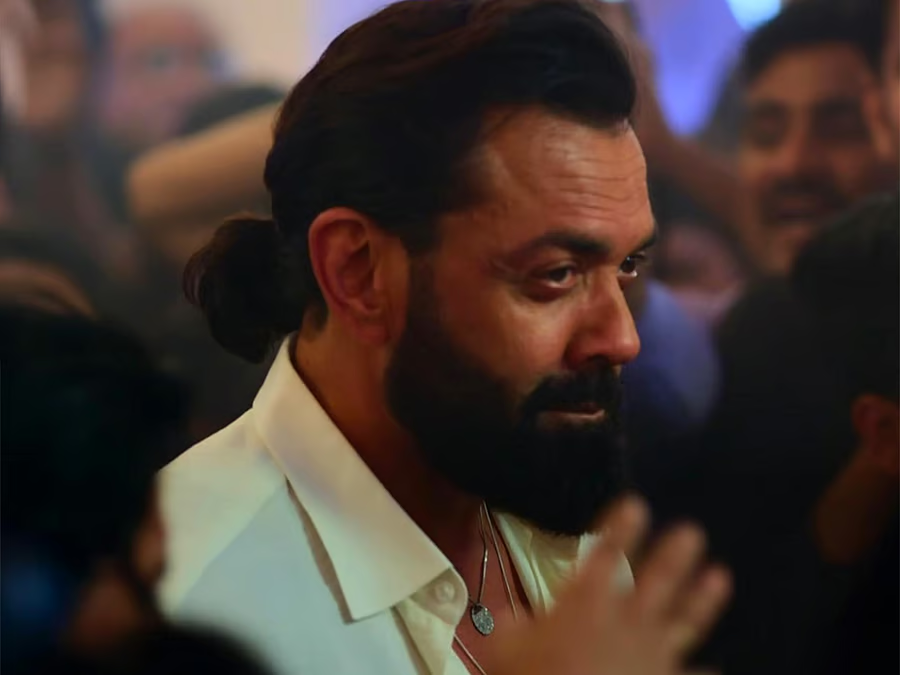
Bobby Deol: Unchecked Authority in The Ba**ds of Bollywood*
If Akshaye Khanna represented controlled menace, Bobby Deol embodied unchecked authority.
In The Ba**ds of Bollywood*, Bobby stepped into the role of Ajay Talwar—a superstar, industry heavyweight, and master manipulator who never needs to threaten anyone. His power is assumed, not announced.
What makes Bobby’s performance so unsettling is its familiarity. Ajay Talwar isn’t a caricature of evil; he is recognisable. A man used to obedience. A man who believes the industry bends because it always has. Bobby plays him with restraint, allowing entitlement and ego to simmer beneath polished conversations and carefully measured smiles.
There are no loud outbursts, no dramatic monologues—just an unshakeable sense of dominance that makes every interaction feel lopsided. It’s a performance that understands how real power operates quietly.
This role further cemented Bobby Deol’s remarkable second innings—one defined by villains who feel human rather than hysterical. His ability to balance aggression with emotional control has made him one of the most reliable performers for negative shades in Indian cinema today.
Arjun Rampal: The Angel of Death
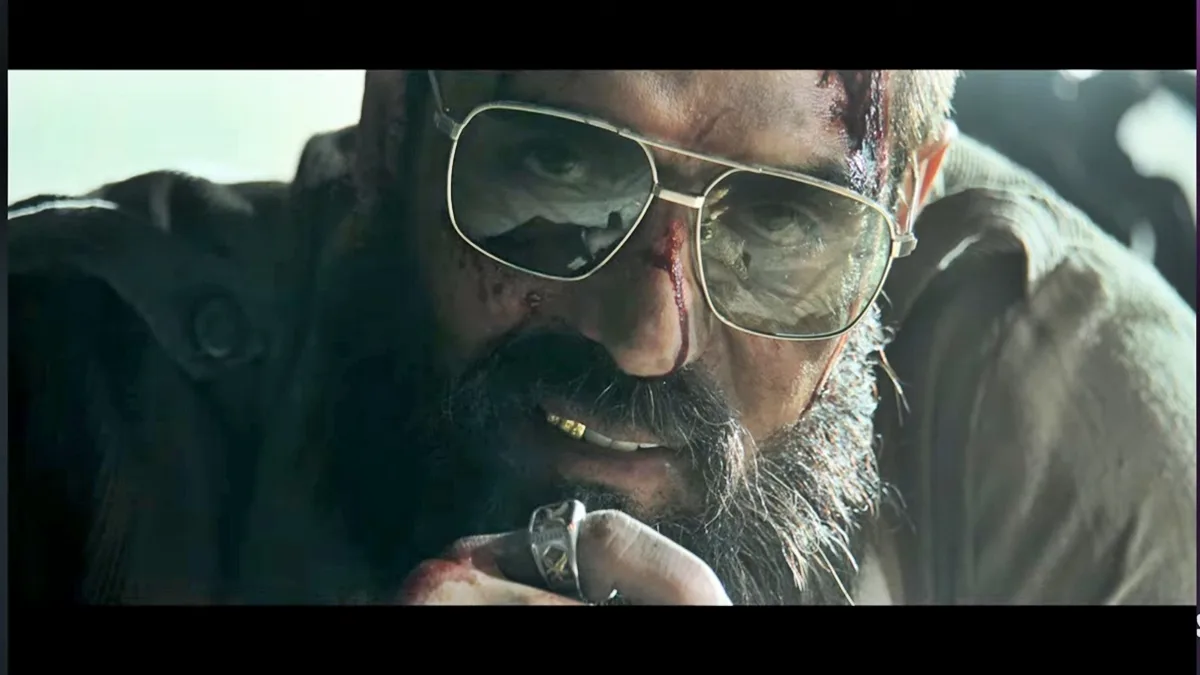
Dhurandhar didn’t rely on just one formidable antagonist. Arjun Rampal’s ISI Major Iqbal brought a different kind of terror—one rooted in physical intimidation and icy resolve.
With his dense beard, golden tooth, steel-cut expressions, and unflinching gaze, Rampal created a slow-burning threat that lingered long after his scenes ended. His violence was methodical, his presence imposing, and his commitment absolute.
Once known as a lover boy of the early 2000s, Arjun Rampal has successfully redefined himself. In 2025, he proved that menace doesn’t need to shout for attention—it can creep under the skin quietly and stay there.
Riteish Deshmukh: Power Without Noise in Raid 2
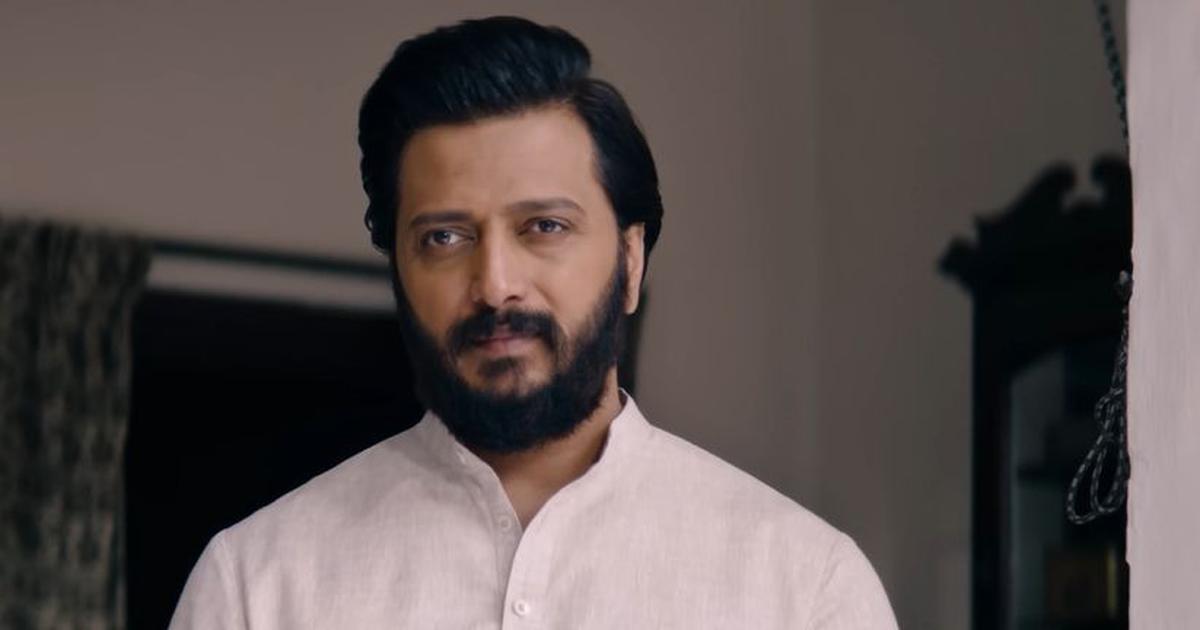
Few casting choices surprised audiences more than Riteish Deshmukh’s turn in Raid 2.
Shedding his long-held comic image, Riteish delivered a villain driven not by brute force but by influence, manipulation, and quiet confidence. His antagonist thrives within systems of power, making corruption feel more dangerous precisely because it is played so calmly.
His restrained performance added realism to the conflict with Ajay Devgn’s IRS officer, intensifying the face-off without resorting to theatrics. Riteish proved that when corruption is played quietly, it becomes far more chilling.
Jaideep Ahlawat: Intelligence as a Weapon
In Jewel Thief: The Heist Begins, Jaideep Ahlawat once again demonstrated why he excels in layered, morally complex roles.
His antagonist operates in a world driven by ambition, crime, and deception. Rather than brute strength, he relies on intellect, strategy, and psychological control. The film becomes less about action and more about a battle of minds, with Ahlawat’s commanding screen presence elevating every scene.
His performance reaffirmed that intelligence, when weaponised, can be as terrifying as violence.

Nawazuddin Siddiqui: The Human Face of Darkness in Thamma
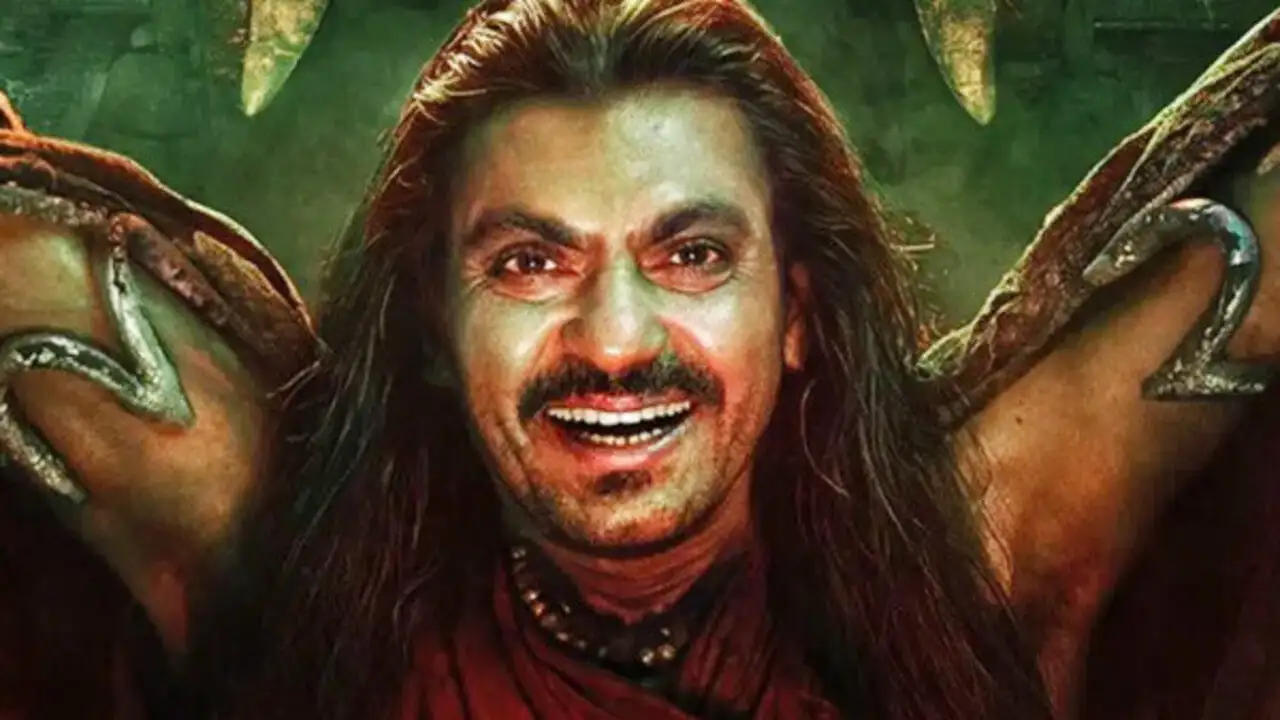
Nawazuddin Siddiqui’s antagonist in Thamma added emotional complexity to the year’s villain roster.
Portraying Yakshasan, Nawaz delivered a performance shaped by circumstance and inner conflict. His character isn’t evil for the sake of it; he is deeply human, morally grey, and disturbingly relatable.
Nawazuddin’s mastery lies in nuance—his subtle expressions and emotional restraint elevate every scene, ensuring the character lingers long after the film ends.
Why 2025 Belonged to the Bad Guys
What tied all these performances together wasn’t just talent—it was conviction.
None of these villains existed merely to elevate the hero. They were fully realised characters shaped by power, insecurity, ambition, entitlement, and control. They drove the narrative forward, often forcing the protagonist to react rather than lead.
Akshaye Khanna starting the year strong with Chhaava and ending it with the runaway success of Dhurandhar felt symbolic. It marked a turning point where villains weren’t just scene-stealers; they were box-office drivers, conversation starters, and cultural markers.
Bollywood didn’t just give its bad guys better writing in 2025. It trusted actors to play them with intelligence, restraint, and emotional truth.
The Rise of the Modern Anti-Hero
This shift isn’t new, but 2025 cemented it. From Alauddin Khilji in Padmaavat to Abrar in Animal and Rukma in The Family Man 3, modern Hindi cinema has been gravitating toward antagonists who challenge moral comfort zones.
These characters are cruel yet charming, violent yet vulnerable, corrupt yet understandable. They force audiences to question their own beliefs and empathies. They aren’t obstacles to be punched away—they are forces that shape the story.
The overwhelming response to Rehman Dakait is proof of this evolution. When audiences remember the villain more vividly than the hero, it signals a fundamental shift in storytelling priorities.
Final Take: The Dark Side Has Never Been More Compelling
As 2025 draws to a close, one truth stands tall: Bollywood’s villains are no longer playing second fiddle.
They are complex, intelligent, emotionally layered, and unforgettable. They drive the narrative, dominate conversations, and often define the cinematic experience itself.
Because sometimes, the most powerful stories aren’t told from the centre of the frame—but from the shadows.
And in 2025, the shadows belonged to the bad guys.
With inputs from agencies
Image Source: Multiple agencies
© Copyright 2025. All Rights Reserved. Powered by Vygr Media.