
 By
By 
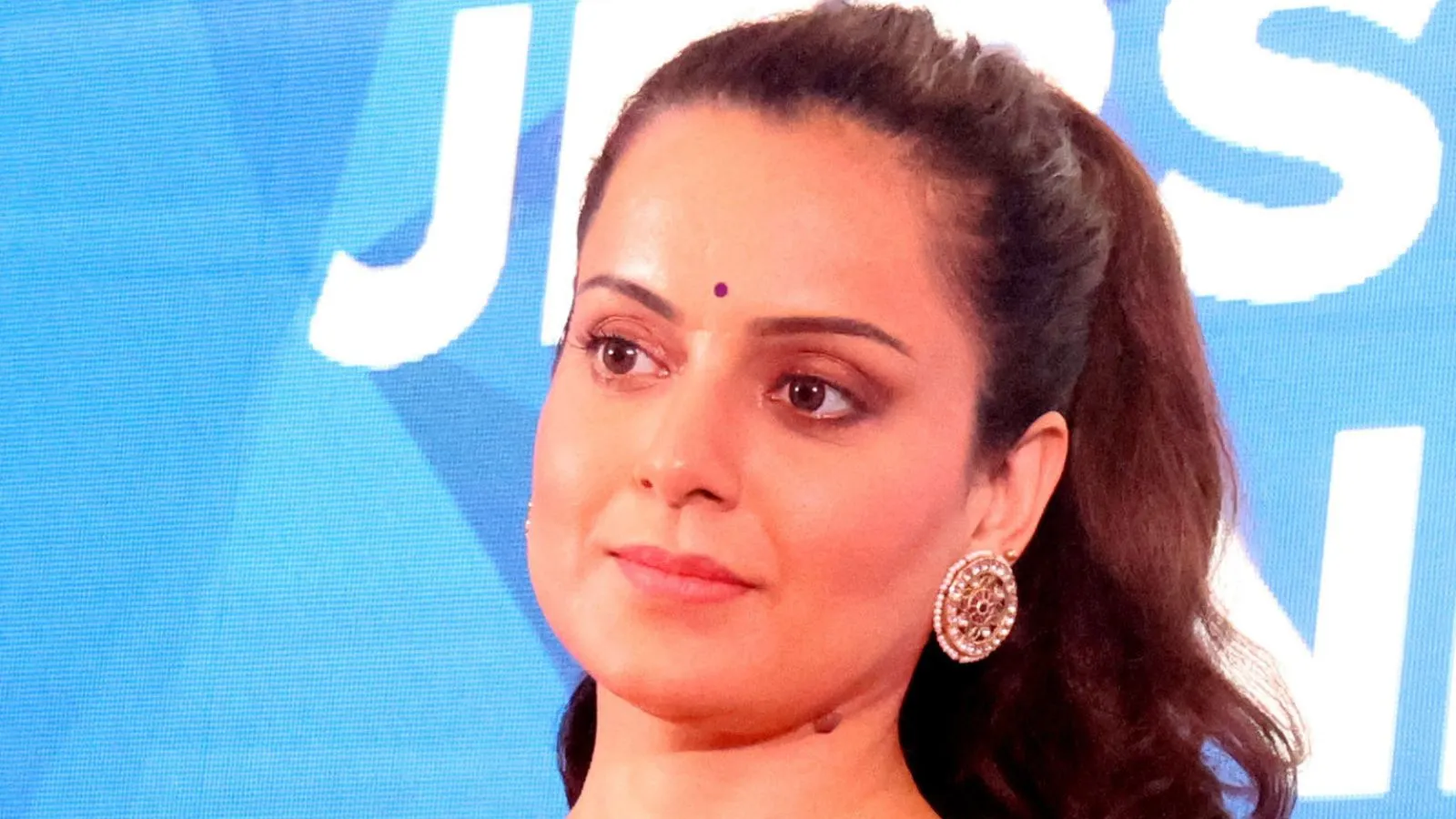
Actor-turned-politician and BJP MP Kangana Ranaut has once again found herself at the centre of a political and social controversy after her sharp criticism of Gen Z protesters and young women sparked widespread outrage across political circles and social media. Her comments, made through a series of Instagram Stories following the recent student-led protests linked to the CJP movement, have drawn criticism from opposition leaders, activists and netizens, while also reigniting discussions over freedom of expression, generational divides and the responsibilities of public representatives.
Instagram posts ignite fresh controversy
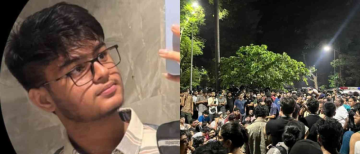
The latest row began after Ranaut reacted to viral videos from the recent protests held at Delhi's Jantar Mantar and other locations. Describing the protest reels as "puke-inducing," she criticised the language and conduct of several demonstrators, claiming she had "never seen so much ugliness in one place."
She questioned the upbringing of some protesters and alleged that their behaviour reflected a decline in social values. In another Instagram Story, Ranaut expanded her criticism to what she described as a section of "westernised" young Hindu women, referring to them as "Generation Gutter."
According to her, many of these women sought the freedoms associated with independent, career-oriented lives without accepting the responsibilities that accompany such independence. She contrasted them with women who, in her view, earn their independence through professional success and personal accountability.
Remarks targeting Gen Z women draw criticism
Ranaut's posts went beyond criticism of protest culture. She alleged that some young women "have nothing to offer to the system," claimed they were "not good at studies," and used several other remarks that many critics described as insulting and misogynistic.
She also accused sections of today's youth of glorifying lifestyles centred around alcohol, drugs and casual relationships while portraying themselves as symbols of freedom. Her comments suggested that genuine independence comes with self-reliance rather than dependence on parents or family resources.
The language used in the posts quickly became the focus of public debate, with many arguing that the remarks unfairly stereotyped an entire generation and reduced complex social issues to personal attacks.
Opposition leaders condemn the comments
Political leaders across party lines reacted strongly to Ranaut's statements, accusing the BJP MP of insulting young women and trivialising legitimate public concerns raised by students.
Several opposition MPs questioned why a sitting Member of Parliament would choose to attack protesters instead of engaging with the issues they were raising. Critics argued that elected representatives should encourage dialogue rather than resort to inflammatory rhetoric.
Some leaders dismissed Ranaut's comments as attention-seeking, with one MP saying she was "not serious" and another describing her remarks as unworthy of a responsible parliamentarian. Others accused her of repeatedly making provocative statements that distract from substantive policy debates.
Social media divided over Kangana's stand
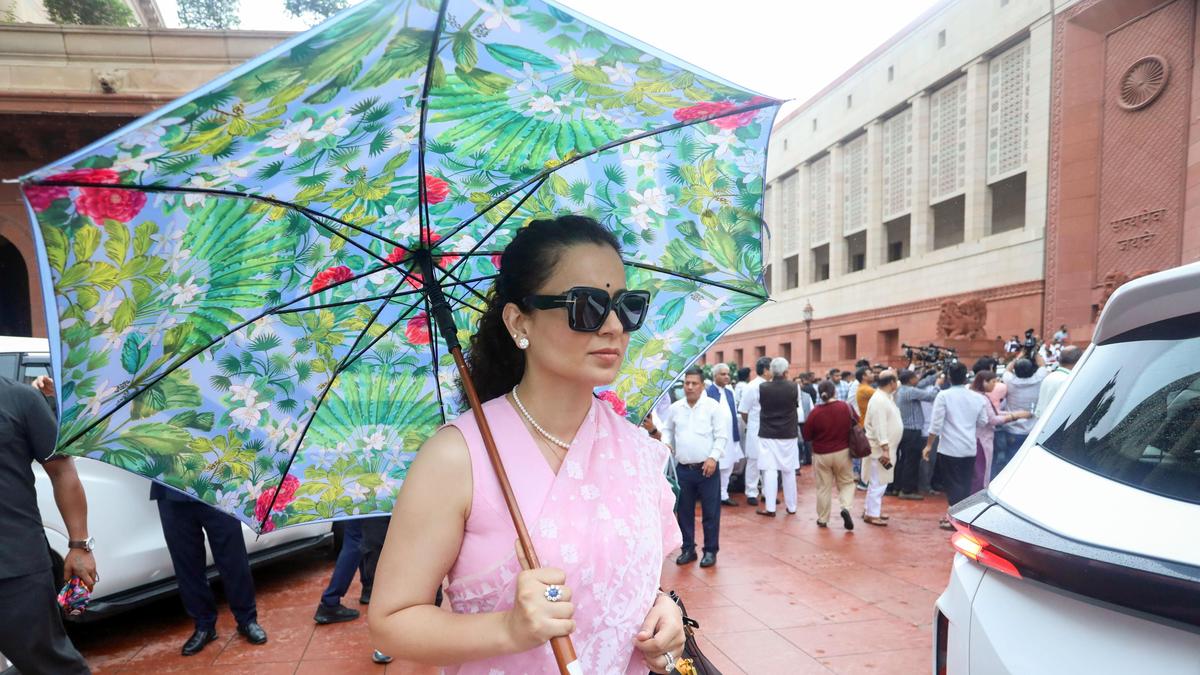
The controversy rapidly spread across social media platforms, where users remained sharply divided.
Many users criticised Ranaut for generalising an entire generation and using language they considered disrespectful towards young women. Others pointed to what they saw as contradictions between her advocacy of women's independence and her criticism of younger women expressing themselves differently.
However, some users defended her remarks, arguing that she was referring only to a specific group of protesters and objecting to the language and behaviour displayed in certain viral videos rather than condemning all members of Gen Z.
The debate soon expanded beyond Ranaut herself, touching on broader questions surrounding protest culture, political communication and generational values.
Context: Student protests and viral reels
Ranaut's comments came in the aftermath of widespread student demonstrations that dominated national attention in recent weeks. The protests, organised around concerns relating to examination controversies and governance issues, saw large gatherings at Delhi's Jantar Mantar and in several other cities.
Viral videos, memes and social media reels created during the demonstrations attracted millions of views online. While supporters praised the creativity and energy displayed by young protesters, critics objected to the use of profanity and personal attacks against political leaders.
Ranaut's Instagram Stories specifically referenced these viral clips, saying she found both the language and presentation disturbing. Her remarks, however, shifted attention from the protests themselves to the tone and wording of her response.
A familiar pattern of controversy
For many observers, the latest episode fits into a long pattern of public controversies involving Ranaut.
Over the years, the actor and politician has frequently made headlines for outspoken comments on politics, Bollywood, feminism, religion, social issues and national affairs. Several of her remarks have triggered legal notices, public criticism or political debates.
The current controversy has once again highlighted how Ranaut's social media activity often shapes national conversations beyond her work as an actor or parliamentarian. News18, while explaining the latest row, also revisited several earlier instances where her public statements had generated widespread debate and political reactions.
Debate shifts to responsibility in public discourse
Beyond the immediate political fallout, the controversy has reopened larger discussions about the standards expected from elected representatives and public figures.
Supporters argue that politicians should be free to express strong opinions, particularly when criticising behaviour they consider inappropriate. Critics, however, contend that such freedom carries an equally important responsibility to avoid language that stereotypes communities or demeans individuals.
Communication experts have also pointed to the increasingly polarised nature of online political discourse, where social media posts frequently become national controversies within hours. The speed with which Ranaut's Instagram Stories spread across platforms demonstrates how digital communication can rapidly influence public debate and political narratives.
Political fallout continues
As reactions continue to pour in, the controversy shows little sign of fading. Opposition parties have used Ranaut's remarks to question the BJP's stance on women's issues and youth engagement, while supporters insist her comments have been selectively interpreted.
Neither the criticism nor the support has remained confined to politics. The episode has sparked discussions among students, educators, commentators and civil society groups about generational differences, acceptable public language and the role of protest in a democracy.
Whether the controversy results in any formal political action remains uncertain, but it has once again ensured that Kangana Ranaut occupies the centre of India's political conversation—this time over remarks that many believe have widened the divide between political rhetoric and public sensitivity.
With input from agencies
Image Source: Multiple agencies
© Copyright 2026. All Rights Reserved. Powered by Vygr Media.