

 By

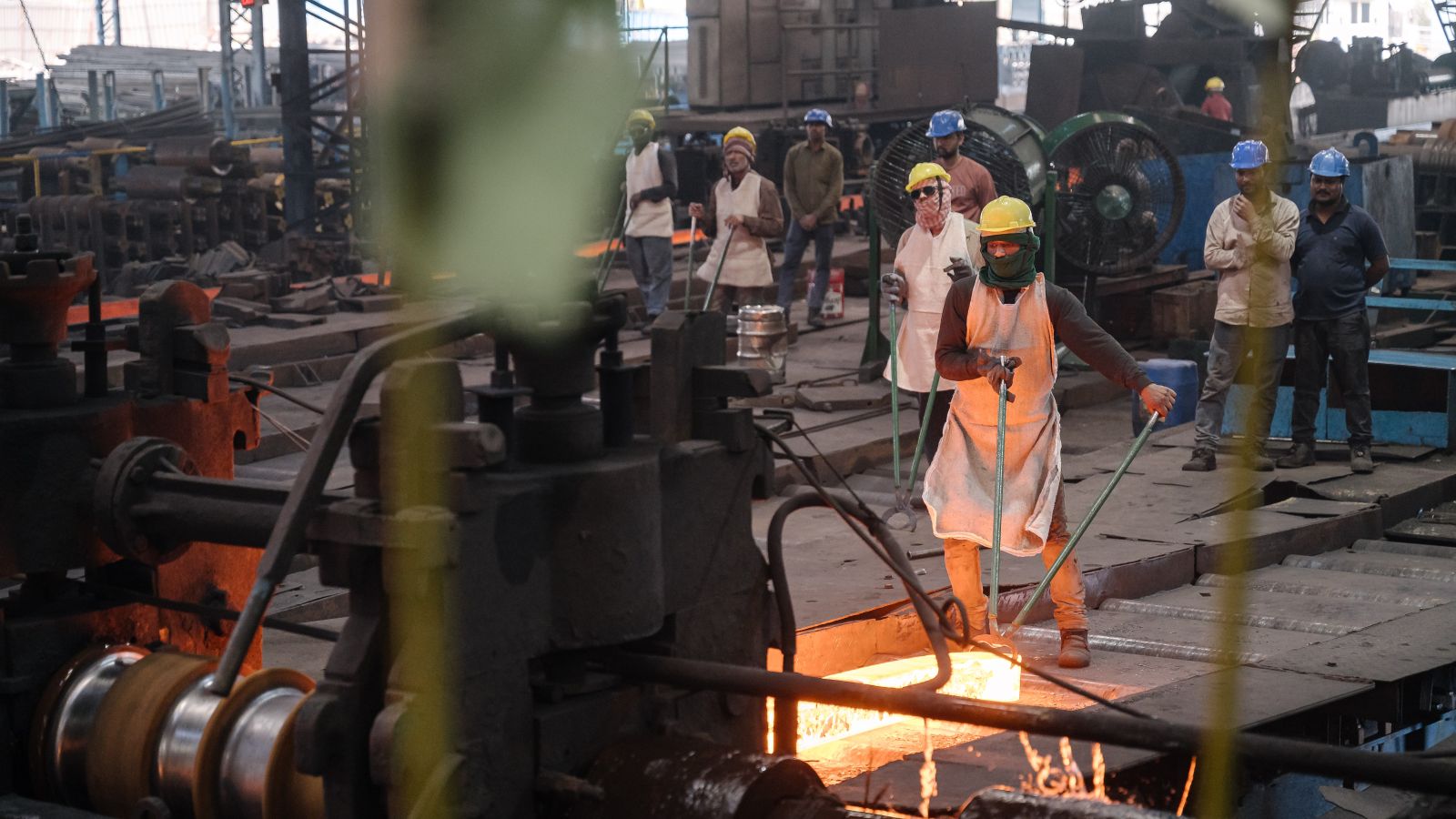
Prime Minister Narendra Modi’s pointed question to corporate India has put an old economic debate back in the spotlight: when companies earn record profits, who gets to share in them? Government data suggests the PM’s concern has substance. Real wages for factory workers grew by just 0.7 per cent in 2024-25, even as corporate earnings surged and the government cut corporate taxes.
What the Prime Minister Said
Addressing business leaders at the FICCI centenary celebrations in New Delhi on November 19, Modi questioned whether Indian industry had passed on the benefits of government reforms to its workforce. Those reforms include lower corporate taxes and a series of ease-of-doing-business measures. His core question was simple: have these changes translated into more jobs and higher salaries for employees?
His message went beyond wages. He told industry leaders not to expect the government alone to drive national development and asked them to act as real partners in growth. He also urged companies to build their own strategies to benefit from India’s growing network of free trade agreements, rather than waiting for the government to point out opportunities.
The Prime Minister also said Indian consumers deserve the same quality of products that companies sell abroad, and warned businesses against taking the large domestic market for granted. He called for more investment in domestic manufacturing, especially in sectors where India still depends heavily on imports, such as pharmaceutical ingredients and bulk drugs. On agriculture, he pointed to India’s small share of global farm exports, around 2 to 2.5 per cent, and encouraged investment in food processing and value addition.
The Numbers Behind the Message
Official industrial data bears out the concern about stagnant pay.
- Nominal wages for factory workers rose about 5.3 per cent in 2024-25, to roughly ₹2.28 lakh a year.
- Real wages, after adjusting for inflation, grew only about 0.7 per cent.
- Real wage growth has stayed below 1 per cent in five of the last six years.
In practical terms, a worker’s paycheque grew on paper, but most of the increase was absorbed by rising prices. Their purchasing power barely changed.
A Widening Gap Inside the Factory
The data also points to a growing gap between the shop floor and management. In 2008-09, the average factory worker earned about ₹68,103 a year, while supervisory and managerial staff earned roughly ₹4 lakh, a ratio of about 5.9 times. By 2024-25, workers earned about ₹2.28 lakh against ₹14.5 lakh for supervisors, a ratio of about 6.4 times.
So even as the overall pay pool has grown, higher-level staff have gained faster than ordinary workers.
Profits Have Surged
The other side of the picture is corporate earnings. Corporate net profits are reported to have risen from about ₹2.5 lakh crore in 2020-21 to ₹7.1 lakh crore in 2024-25. Market analysis shows the profits of Nifty 500 companies grew from about 2.1 per cent of GDP in FY20 to 4.7 per cent in FY25, and reached 5.2 per cent in FY26, the highest level on record.
The Economic Survey 2024-25 flagged the mismatch earlier. In FY24, corporate profits rose 22.3 per cent while employment grew just 1.5 per cent. The Chief Economic Adviser has also argued that higher wages are in the private sector’s own interest, since they feed directly into consumer demand.
The Tax Cut Context
The government’s side of the bargain was the corporate tax reduction, along with a cleaner tax base and reform measures meant to encourage investment and hiring. Supporters say the cut worked on its own terms: revenue held up, investment conditions improved, and profits rose.
The criticism is about what came next. The argument is that companies used much of the windfall to strengthen their balance sheets and reduce debt, instead of expanding hiring and raising pay at the same pace.
The Picture Is More Complicated
Not every part of the story is one-sided. Profit growth has been uneven across company sizes. Large companies led the post-pandemic recovery, while mid-sized and smaller firms have picked up pace more recently.
Wage trends also vary widely across segments:
- Overall wages have grown at an annualised 8 to 9 per cent since 2019, according to labour market estimates.
- Salaried employees saw a slower rise of about 6.2 per cent a year, which left little extra purchasing power after inflation.
- Rural pay in the informal economy, which covers a large part of the workforce, grew only about 2 per cent in 2025.
These numbers show the wage squeeze is not limited to factories. It extends across large parts of the workforce.
Why This Matters for the Economy
Wage growth drives consumption, and consumption is a major engine of India’s economy. When pay stagnates while prices rise, households cut back on spending, which in turn weakens demand for the very companies posting record profits. Economists often describe this as a long-run risk for businesses that rely on a growing domestic market.
The debate also has a political edge. For years, officials and advisers have gently nudged industry to invest and hire more. Modi’s direct remarks signal a firmer tone, and the data gives that tone a strong factual basis.
What Comes Next
The Prime Minister’s message will likely increase pressure on corporate India to show how profits are being shared with workers. Industry bodies may point to rising costs, global uncertainty, and productivity concerns as reasons for restraint. Workers, economists, and policymakers will be watching whether wage growth finally starts to keep pace with earnings.
For now, the numbers tell a clear story: profits are at record levels, but for the average factory worker, real pay has barely moved.
© Copyright 2026. All Rights Reserved. Powered by Vygr Media.