 By

The consumer regulator says the feature disadvantaged riders who refused to pay extra and could push drivers to delay or decline regular bookings.
New Delhi: If you have ever stared at a cab app while it searched for a driver, you may have seen a nudge to add a tip. India’s consumer regulator has now decided that nudge crossed a line.
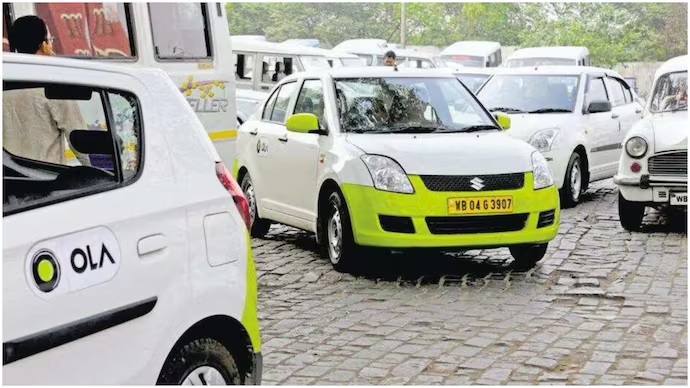
The Central Consumer Protection Authority (CCPA) has fined ANI Technologies Pvt Ltd, which runs the Ola app, Rs 10 lakh over a feature that encouraged customers to pay extra in the hope of getting a ride faster. It has ordered the company to scrap the feature.
What the app told customers
While a customer waited for a driver to accept a booking, the app displayed a message saying that adding a tip might help increase the chances of getting a ride faster. Riders were first offered preset amounts of Rs 10 to Rs 40. Those options later grew, and the regulator found customers could add as much as Rs 499.
Why the CCPA objected
The core of the order is simple. Ola itself said that paying extra did not guarantee faster confirmation. The regulator reasoned that if the payment made no difference to whether a driver accepted the ride, then telling riders it might help was misleading.
The CCPA also rejected the idea that this was a tip at all. A tip, it observed, normally expresses appreciation for a service already provided, whereas the app was asking for money before any driver had agreed to take the trip. In its view, the money was effectively a charge to jump the queue, wrapped in the language of a gratuity.
The authority also raised a wider concern. A tipping option shown at the booking stage puts riders who decline to pay at a disadvantage, and could encourage drivers to delay or turn down regular bookings in the hope of a higher payout. The regulator called the design a dark pattern, a term for interface choices that steer users into decisions they might not otherwise make. It also relied on Ola’s own ride-acceptance data to test the company’s claim that paying extra made rides happen faster.
One report says the regulator imposed the maximum penalty after finding that the practice had continued for more than a year despite notice.
Ola’s defence
Ola argued that the payment was voluntary and went directly to the driver without any cut for the company. It said the option helped drivers accept rides that were commercially unattractive, particularly when they had to travel a long way to reach a passenger. It also stressed that drivers remained free to accept or reject any booking. The CCPA did not accept that the payment was a simple voluntary tip. I found no public statement from Ola in response to the order at the time of writing.
What Ola has to do
Ola must stop using the advance tipping feature and remove any prompts or interface elements that could pressure customers into paying extra before a driver accepts. It must also deposit the Rs 10 lakh penalty and submit a compliance report within 15 days of receiving the order.
Not the first action
The order follows a similar penalty on Rapido in September 2026, when the CCPA fined the company Rs 10 lakh over advance tipping, citing misleading advertisements, unfair trade practices and dark patterns. The regulator had also earlier sent a notice to Uber over its own “advance tip” prompt, after Consumer Affairs Minister Pralhad Joshi called the practice unethical and exploitative. Soon after, the minister said ride-hailing apps including Ola, Uber and Namma Yatri had begun changing how tips appeared, and that the ministry would keep monitoring them.
What it means for riders
For passengers, the practical result should be fewer prompts to pay extra just to be matched with a driver. Tipping can still exist after a ride is done, as a thank-you. What regulators are drawing a line against is asking for it in advance as a way to buy a better chance at getting a cab.
For the industry, two penalties in a few months send a clear signal. Apps that rely on small, optional add-ons at the booking stage will need to show that those payments are genuinely voluntary and that they do not change who gets a ride.
What to watch
Watch for Ola’s compliance report, whether the company challenges the order, and whether the CCPA takes similar action against other aggregators that still show add-on payments during booking.
© Copyright 2026. All Rights Reserved. Powered by Vygr Media.