 By
By 
India walked into the second ODI in Raipur with momentum, confidence, and a formidable total of 358 runs—a score that, in most home conditions, would secure a win nine times out of ten. Instead, KL Rahul’s side walked out stunned, beaten by four wickets, and left contemplating how a target as imposing as 359 slipped through their fingers. For South Africa, the victory wasn’t just a chase; it was a statement—an emphatic response after their narrow 17-run loss in the first ODI.
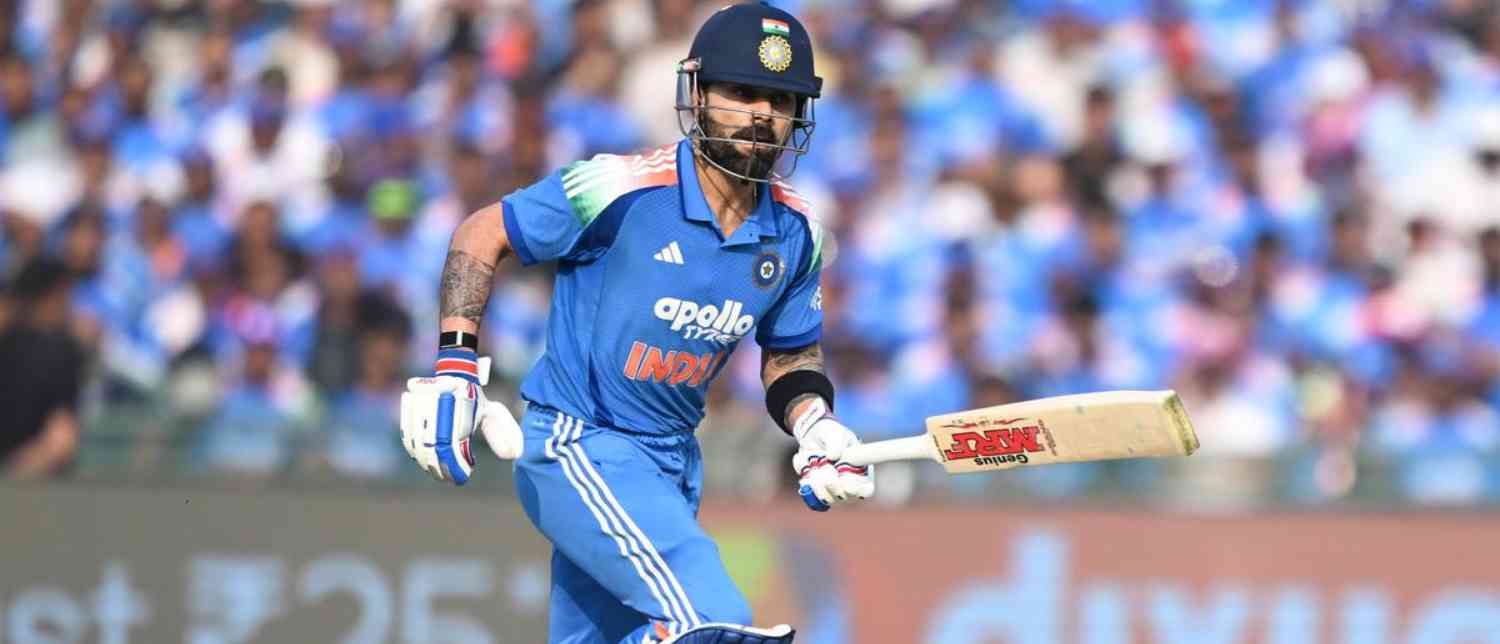
The match, played at the Shaheed Veer Narayan Singh International Stadium, turned into a showcase of how environmental factors, collective lapses, and individual brilliance can flip what seemed like a near-certain result. Despite majestic centuries from Virat Kohli and Ruturaj Gaikwad, and a blistering unbeaten 66 from captain KL Rahul, India saw South Africa level the three-match series 1–1 through a record-equalling chase completed with four balls to spare.
The story of this defeat, however, goes far beyond numbers or scorelines. It lies in the cruel combination of a dew-soaked outfield, the 20th consecutive lost toss for KL Rahul, lapses in the field, wayward death bowling, and South Africa’s unwavering discipline with the bat. What unfolded was a masterclass from the visitors—and one of the more frustrating evenings for India in recent ODI memory.
Dew: The Invisible Villain That Changed Everything
The biggest antagonist of the night wasn’t a player—it was the dew. And not just mild dampness, but a heavy, relentless layer that completely tilted the bowling conditions in South Africa’s favour during the chase.
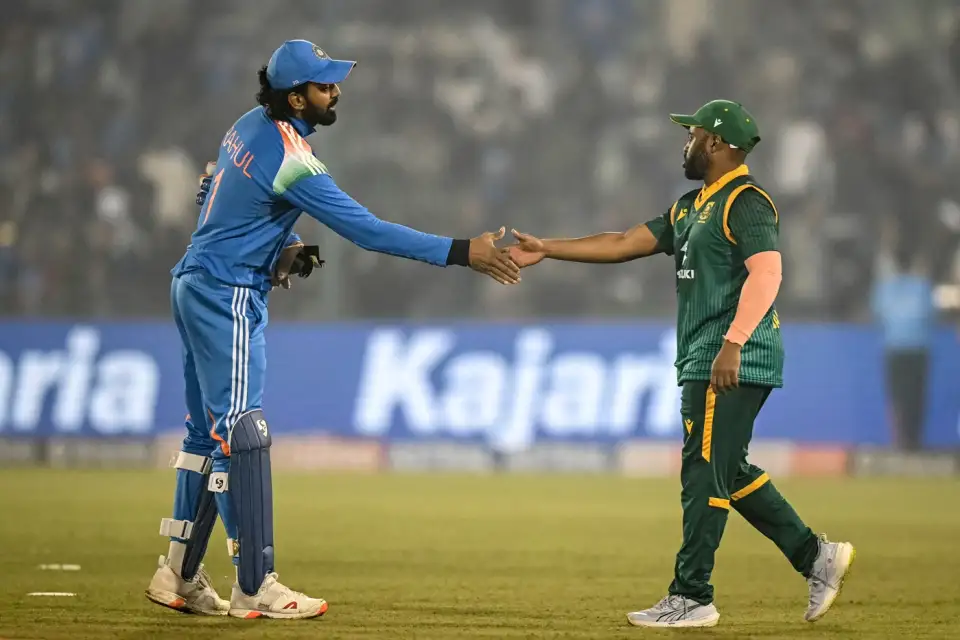
Rahul didn’t mince words about how decisive the dew was. Calling it “difficult to bowl in the second innings,” he openly admitted that even frequent ball changes by the umpires could not improve grip or control. The ball grew slick “like a bar of soap,” eliminating seam, swing, and spin. Deliveries that Indian bowlers rely on—gripping slower balls, ripping leg-breaks, yorkers—turned into floaty half-volleys or harmless skidders.
This is precisely why Rahul highlighted in the dressing room that even a towering score like 350 may not be enough. He even mentioned the need to add “20–25 extra runs” to compensate for the disadvantage of bowling with a soaked ball. India’s bowlers, hampered by moisture, simply couldn’t execute the disciplined lines and lengths required to defend a big total.
South Africa’s batters, especially Aiden Markram, revelled in the conditions. Every mistimed shot cleared the infield, and every well-timed stroke raced through an outfield greased with dew. Gripless bowlers and an unresponsive ball meant South Africa’s chase, though record-breaking, looked deceptively comfortable.
The Toss Curse: Rahul’s One-in-a-Million Misfortune
A vital pre-match moment—one that Rahul has had no luck with—once again went against India. The Indian captain lost his 20th consecutive ODI toss, a streak with a probability just above one in a million. Unfortunately for India, this was the worst possible match for the curse to continue.
On a pitch expected to favour batting early but become a paradise for chasing due to dew, winning the toss was almost equivalent to winning half the match. South African skipper Temba Bavuma had no hesitation bowling first, anticipating precisely what unfolded later: a skiddy, evenly paced, batting-friendly second innings.
The toss didn’t just place India at a disadvantage; it forced them into a game plan where outbatting the dew became their only realistic path to victory.

India’s Fielding: Too Many Leaks in a Tight Chase
While dew stole the spotlight, India’s fielding performance quietly inflicted its own damage. Misfields, fumbles, overthrows, and lapses on the boundary added pressure to an already difficult situation.
A defining moment came when Yashasvi Jaiswal dropped a regulation catch to give Markram—then on 53—a crucial life. The South African captain made India pay heavily, reaching 110 and anchoring the chase to perfection.
The slippery ball and wet outfield undoubtedly contributed to these errors, but top-level cricket demands adaptation. South Africa found doubles where singles should have sufficed and boundaries where stops were expected. In a chase decided in the final over, these small lapses accumulated into game-changing moments.
As Rahul said post-match, “we needed to be sharper.” But sharpness was exactly what deserted India at key junctures.
South Africa’s Batting Masterclass: Markram, Breetzke, Brevis, and Bosch
India had their runs. But South Africa had their moments—and they seized nearly all of them.
1. Aiden Markram’s Composed, Match-Defining Century
Even after Quinton de Kock’s early dismissal, Markram ensured the chase never felt rushed. His rotation of strike against spin, his assured footwork, and his ability to punish anything marginally off-length neutralised India’s middle-overs plans.
His partnerships were match-shaping:
-
101 runs with Bavuma, stabilising the chase.
-
90 runs with Matthew Breetzke, pushing South Africa into a comfortable zone.
Markram’s century was perfectly paced—steady enough to anchor, brisk enough to maintain momentum. When he departed, South Africa were 190 by the 30th over, leaving the remaining batsmen with a downhill trek.
2. Matthew Breetzke’s Constructive 68
Breetzke may not have grabbed headlines, but his 68 was the adhesive that held the chase together. He absorbed pressure, kept the scoreboard moving, and took calculated risks, ensuring Markram never batted alone.
3. Dewald Brevis’ Explosive 54 off 34
Brevis walked in at a time when the match could tilt either way. Within minutes, he broke the contest open. Between overs 35 and 40, he attacked spin and pace alike, turning a required rate nearing nine into a manageable chase under eight.
His knock was the psychological blow India couldn’t recover from.
4. Corbin Bosch’s Calm Finishing
In the final overs, Bosch played with composure far beyond his experience, sealing the chase alongside Maharaj without allowing the required rate or pressure to escalate. By this stage, India’s bowling had lost bite—and Bosch ensured South Africa cashed in.
India’s Middle-Overs Drift
Overs 11 to 35 are normally India’s stronghold in ODIs, especially with spinners like Jadeja and Kuldeep Yadav. Yet, in Raipur, India neither took wickets nor controlled run flow.
-
Jadeja and Sundar failed to create the usual dot-ball pressure.
-
Kuldeep couldn’t find rhythm or grip on the moist ball.
-
Each time India required a tight over, they conceded boundaries or easy singles.
The two major stands—Markram-Bavuma and Markram-Breetzke—flourished precisely because India couldn’t apply the choke. Once South Africa entered the final 15 overs with wickets in hand, the chase became theirs to lose.
Death Bowling: Where India Unravelled Completely
At the 40-over mark, South Africa needed 77—reachable, but not trivial. This is typically where India tighten the screws. Instead, the final stretch revealed a lack of clarity, variation, and composure.
-
Arshdeep Singh tried hard but couldn’t get grip or control.
-
Harshit Rana mixed good deliveries with momentum-breaking loose balls.
-
Prasidh Krishna endured a night to forget, missing lengths under pressure.
The slower balls became predictable, yorkers turned into low full tosses, and the dew-soaked ball erased any margin for error.
Adding to their woes was the slow over-rate penalty, forcing India to keep an extra fielder inside the circle during the decisive final overs—a crippling handicap when defending a big score.
As a result, South Africa’s lower-order faced minimal pressure, wrapping up the chase with poise.
India Didn’t Lose Because 358 Wasn’t Enough—They Lost the Crucial Moments
The 2nd ODI wasn’t lost due to lack of runs. It was lost due to:
-
South Africa winning every key passage of play.
-
The dew neutralising India’s bowling.
-
Rahul’s continuing toss misfortune.
-
Middle-overs stagnation.
-
Fielding lapses at vital moments.
-
Inconsistent and predictable death bowling.
Every time India needed to exert pressure, they instead released it. Every time the match leaned their way, they let South Africa slip through. Modern ODI cricket, especially under heavy dew, is unforgiving. Against a disciplined, hungry South African side, the margin for error was almost nonexistent.
With the series now tied 1–1, the decider in Vizag looms large. Both teams know what is at stake, and India, in particular, will be desperate to avoid repeating the same mistakes. The trophy hangs in the balance—but so does India’s ability to adapt under adverse conditions.
With inputs from agencies
Image Source: Multiple agencies
© Copyright 2025. All Rights Reserved. Powered by Vygr Media.