 By

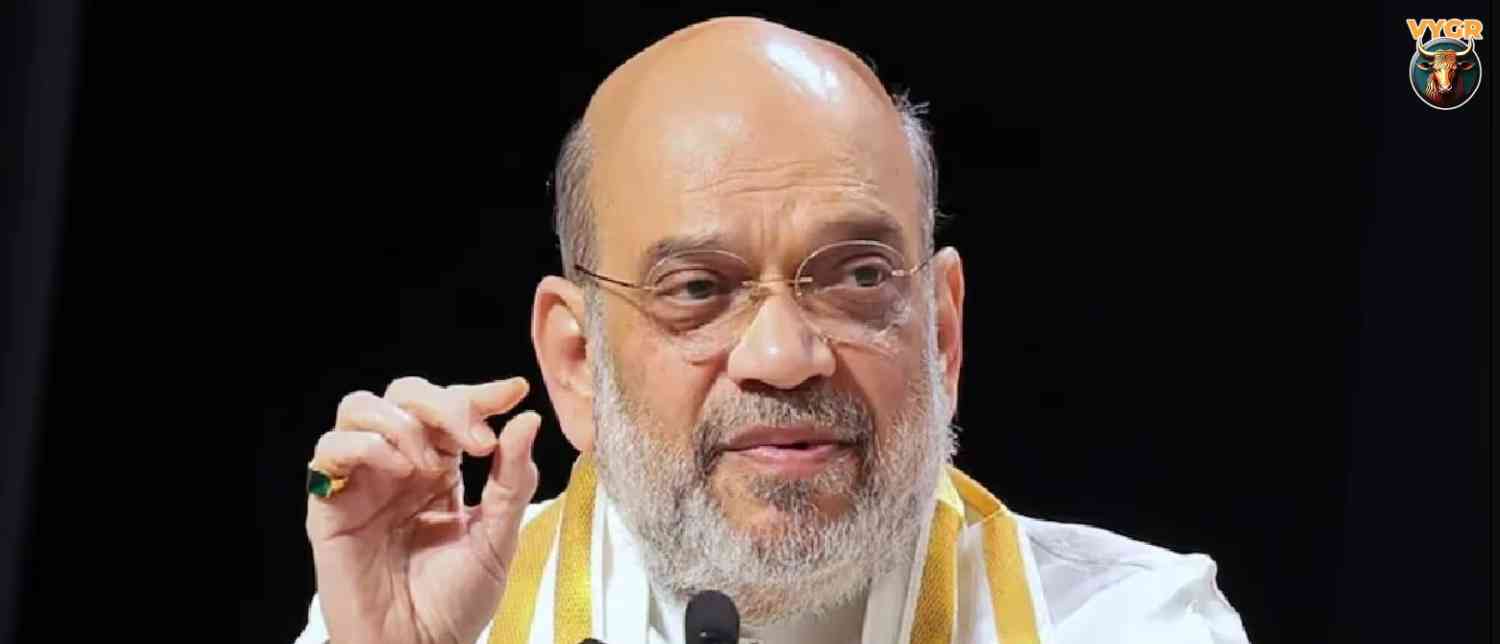
Union Home Minister Amit Shah has made his first public remarks on the controversial Siang Upper Multipurpose Project (SUMP), assuring affected communities in Arunachal Pradesh that the Centre wants dialogue and will pursue “positive and constructive” talks. The comments come after a month of protests by residents and indigenous groups who have consistently opposed the proposed 11,200 MW project.
What Amit Shah Said
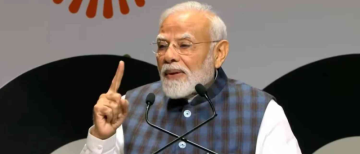
Speaking during his visit to Arunachal Pradesh on Saturday, Shah described the project as important for the state’s development and for India’s energy security. He also acknowledged the concerns of those who would be affected and said the Centre would engage with them through dialogue.
The core of his message was that the government wants to build trust with local communities and find a way forward together, rather than push ahead without their involvement. For protesters who have complained of a lack of consultation, that reassurance is significant, though many are likely to wait for concrete steps before accepting it.
Background: What Is the Siang Upper Multipurpose Project?
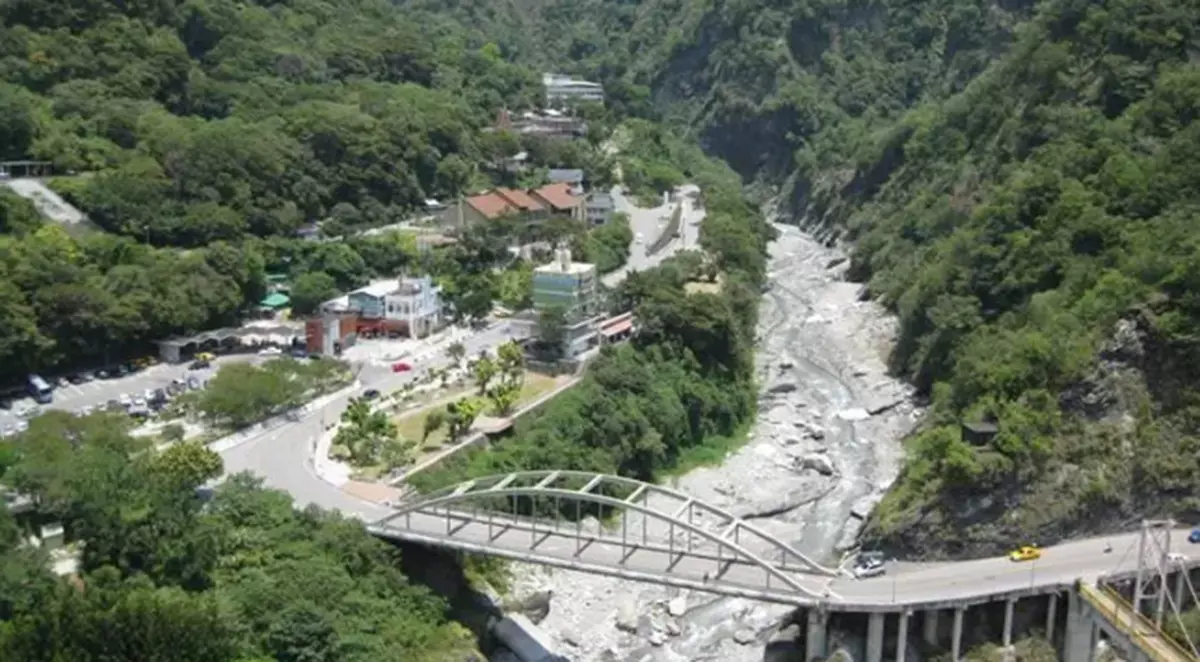
The SUMP is a proposed mega hydropower and water-storage project with a planned capacity of 11,200 MW. It is planned across the Siang, East Siang, and Upper Siang districts of Arunachal Pradesh. The Siang river is the Indian stretch of the Yarlung Tsangpo, which flows in from Tibet and later becomes the Brahmaputra in Assam.
Supporters, including state and central leaders, present the project as a strategic safeguard. They argue it would help maintain the river’s natural flow through the year and moderate floods, particularly in case of sudden water releases upstream. It is also seen as a counter to a massive hydropower project China is developing on the Yarlung Tsangpo, which is planned at about 60,000 MW. Power generation, officials say, is a by-product of the larger multipurpose design.
Why Locals Are Protesting
Residents and indigenous communities, especially the Adi community whose lives and culture are closely tied to the river, have opposed the project for months. Their concerns centre on:
- Displacement: Fear that villages and farmland could be submerged and families forced to relocate.
- Environmental damage: Worries about the impact on the river, biodiversity, and the fragile Himalayan landscape.
- Lack of consultation: A belief that local communities were not adequately consulted or given a say in the decision.
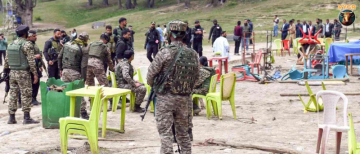
Protests intensified on October 23 and continued into the next morning, and intermittent demonstrations have carried on across the three districts since. More than 75 people have reportedly been arrested or detained in connection with the agitation. The Centre also sent two companies of the Rapid Action Force to the state.
What Protesting Groups Are Demanding
Ahead of Shah’s visit, two indigenous organisations, the Adi Ba:né Kébang United and the Siang Indigenous Farmers’ Forum, submitted a memorandum to the Home Minister. Their demands include:
- Immediate suspension of pre-feasibility report (PFR) activities
- Release of detained protesters and withdrawal of FIRs against them
- Withdrawal of central security forces from Upper Siang and Siang districts
- A judicial inquiry into the October 23 violence
- A clear assurance that the project will not proceed without the consent of affected communities
Protest groups had also rejected, or set strict conditions for, talks with the state government, arguing that arrests and a heavy security presence make for an unsuitable atmosphere.
The State Government’s Position
Chief Minister Pema Khandu has said the project is still at a preliminary stage and that the state held a series of public meetings over two years to address fears of eviction and environmental harm. In earlier remarks, he stated that hydropower projects would not go ahead if people did not want them, and he has argued that misinformation is fuelling opposition. Protest groups, however, have pointed to what they see as contradictory positions taken by state leaders on the project.
Why Shah’s Remarks Matter
This is the first time the Home Minister has publicly addressed the issue, and the tone is notably conciliatory. His visit combined official programmes with discussions on development, border security, and law and order, and the Siang issue was expected to feature prominently.
The key question now is whether the assurance of dialogue will translate into action on the protesters’ main demands, particularly the pause in survey work and the release of detainees. Without such steps, trust may remain hard to rebuild.
What Happens Next
The next few weeks will show whether formal talks begin and who will take part. Communities have made consent and transparency their central conditions, while the government stresses the project’s strategic value in managing floods and responding to upstream developments in Tibet. Bridging those two positions will define how the Siang dispute unfolds.
Frequently Asked Questions
What did Amit Shah say about the Siang project?
He called the project important for Arunachal Pradesh’s development and India’s energy security, and assured affected communities of dialogue aimed at building trust.
What is the Siang Upper Multipurpose Project?
It is a proposed 11,200 MW hydropower and water-storage project across the Siang, East Siang, and Upper Siang districts of Arunachal Pradesh.
Why are people protesting against it?
Locals fear displacement, environmental damage, and inadequate consultation.
What are the protesters demanding?
They want survey work suspended, detainees released, central forces withdrawn, a judicial probe into the October 23 violence, and a guarantee that the project will not proceed without community consent.
Why does the government want the project?
Officials say it would help control floods, regulate river flow, and counter the risks from a massive dam China is building upstream.
© Copyright 2026. All Rights Reserved. Powered by Vygr Media.