 By

If you have ever tried to get from Delhi to Bihar outside the festival season, you know the drill: crowded private operators, unpredictable fares and very little certainty about timings. That may be about to change. The governments of Delhi and Bihar are set to put regular, year-round bus services in place across 18 routes, with around 200 AC and non-AC buses expected to run between the national capital and destinations across Bihar.
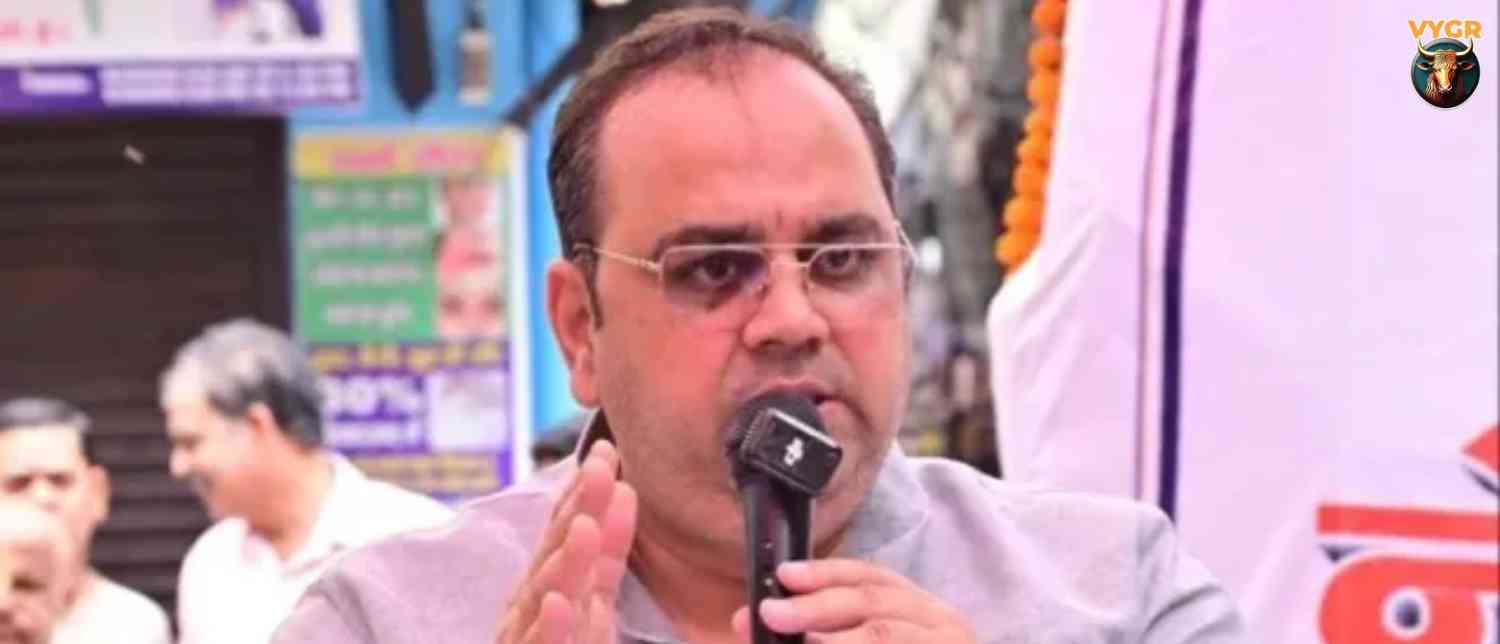
The announcement came from Delhi’s Transport Minister, Pankaj Singh, and officials say the services could be inaugurated as early as Friday. The arrangement rests on a reciprocal transport agreement between the two states, which officials describe as a step toward regular, organised and dependable interstate travel.
Why this matters to so many people
Delhi is home to roughly 20 lakh people from Bihar and the wider Purvanchal region. For many of them, going home isn’t an occasional trip. It means visiting ageing parents, attending weddings, returning for harvest season, or simply making the journey whenever work allows. Until now, much of that travel has been left to a patchwork of private buses and overcrowded trains, with prices that swing sharply around holidays.
A government-backed network with fixed routes changes the equation. Passengers get a predictable option all year, not just during the festival rush.
The 18 routes and destinations
The proposed network connects Delhi with a wide spread of Bihar. Destinations named in the plan include:
- Seemanchal and the east: Araria, Kishanganj, Purnia and Bhagalpur
- Central and southern Bihar: Patna, Gaya, Nawada and Biharsharif
- North and west Bihar: Muzaffarpur, Darbhanga, Madhubani, East Champaran and Buxar
That coverage matters because it goes beyond the obvious Patna corridor. Towns like Madhubani, Araria and Kishanganj often have thinner transport links, and people travelling to them are usually the ones who pay the most for last-minute tickets.
How the agreement is structured
The details released so far show a carefully balanced arrangement.
Equal permits on both sides. Each route is meant to carry 12 permits for Delhi and 12 for Bihar, so buses will operate in both directions and neither state’s fleet dominates.
Mutual recognition of tickets. Tickets issued in one state are intended to be honoured in the other, which should simplify booking and reduce the confusion that often comes with interstate travel.
A long runway. The arrangement is meant to stay valid for 10 years, subject to applicable legal provisions, which gives operators and passengers a stable framework.
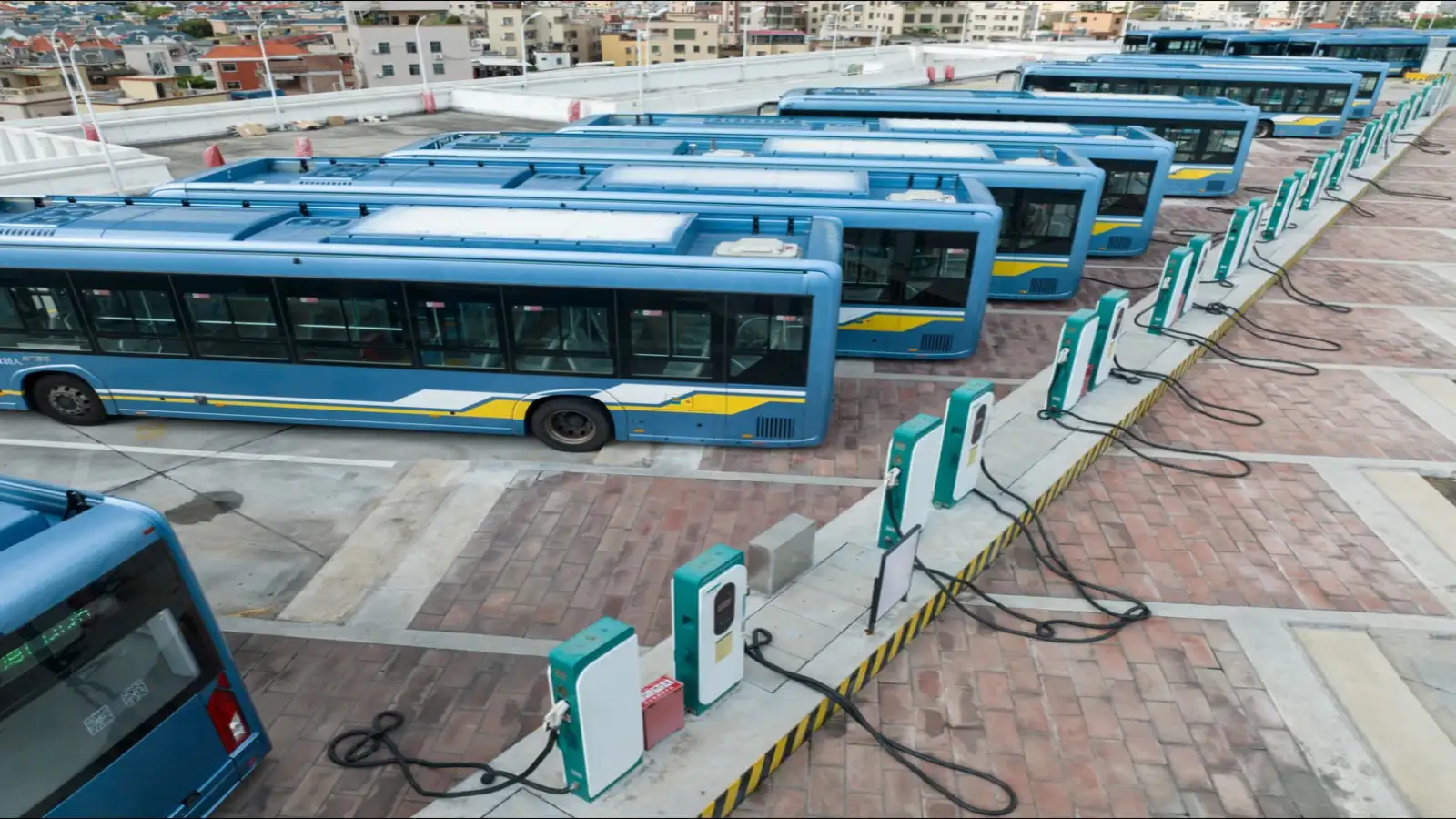
Cleaner buses only. Officials say only BS-VI-compliant, CNG and electric buses will be allowed on these routes. That reflects a clear focus on passenger safety and environmental standards, a sensible priority for services that start and end in one of the country’s most polluted cities.
Buses, comfort and timings
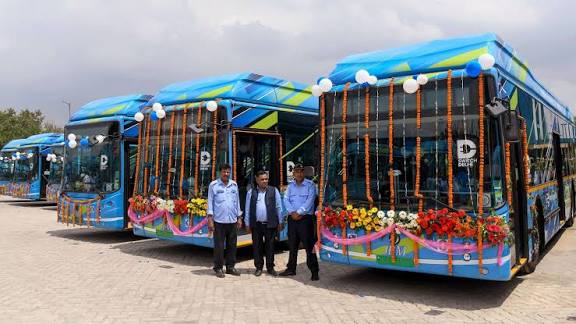
The fleet is expected to include around 200 AC and non-AC Volvo buses. Officials have said the exact timings will be finalised later, so travellers shouldn’t expect a full schedule on day one. Expect details to firm up as the services roll out and operators settle into a rhythm.
A pilot that showed demand
This isn’t coming from nowhere. Earlier this month, during the Chhath Puja rush, the two governments jointly ran 77 buses from Anand Vihar Bus Terminal at subsidised fares. The services connected Delhi with five major divisions of Bihar.
The fare cuts were noticeable. On the Patna–Delhi route, the non-AC seater fare dropped from Rs 1,615 to Rs 1,221, while the AC seater fare fell from Rs 1,980 to Rs 1,361. Officials said that initial deployment would be monitored closely to understand passenger demand, with more routes and services added in phases. The new 18-route plan looks like the natural next step.
It is worth noting that those lower fares applied to the Chhath special service. Officials haven’t yet confirmed what the year-round fare structure will look like.
What to keep in mind
A few points are still open. The agreement is described as proposed and about to be signed, so formal steps remain. Timings are yet to be announced, and fares for the regular services haven’t been detailed. Anyone planning a trip should wait for official schedules and booking information before making arrangements.
The bigger picture
Interstate bus connectivity might sound like an administrative matter, but for millions of families it is deeply practical. Reliable, regulated buses mean fewer overpriced last-minute tickets, safer journeys and a more dignified way to travel home. If the services run as promised, with strict emission norms, fair permit sharing and phased expansion, this could become a model for other state pairs looking to strengthen links for their migrant communities.
© Copyright 2026. All Rights Reserved. Powered by Vygr Media.