 By
By 
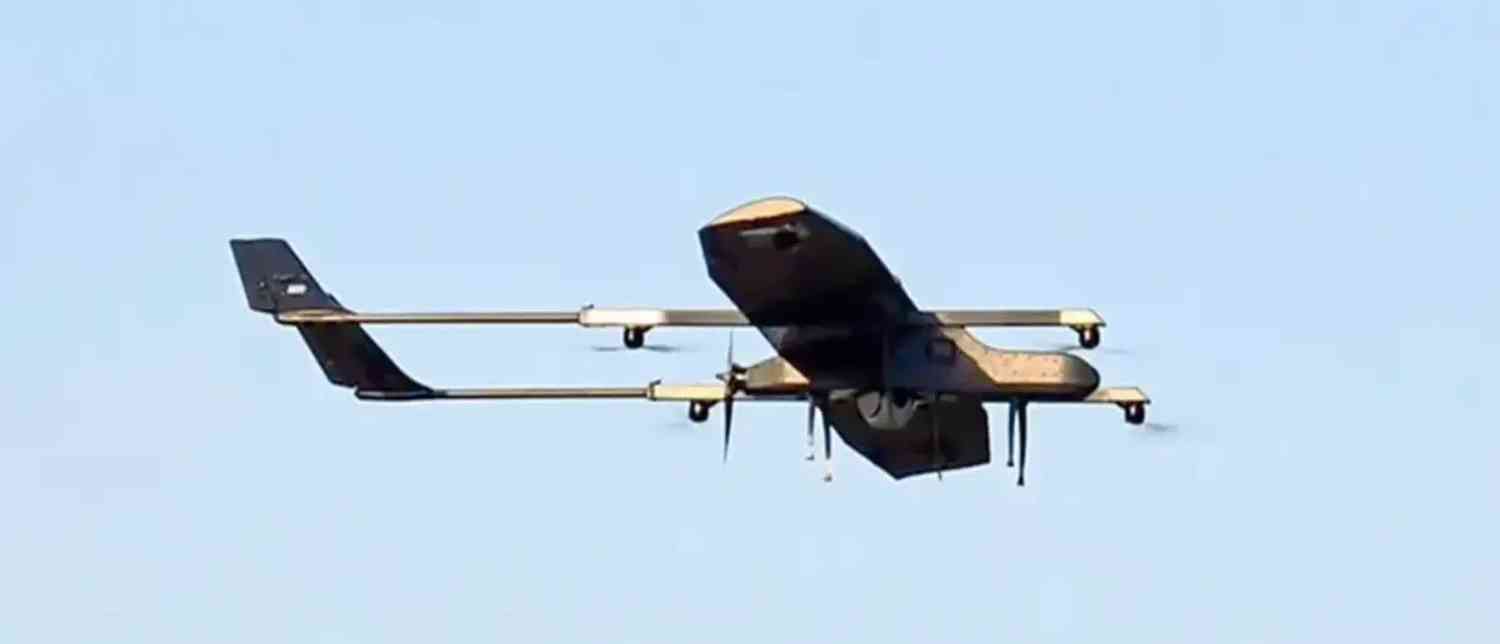
Amritsar, September 7: Flight operations at Sri Guru Ram Das Ji International Airport in Amritsar were temporarily suspended on Sunday night after suspected drone activity was detected near the airport, triggering a security response and forcing seven incoming flights to divert to other airports.
The disruption lasted for around 90 minutes, with airport authorities halting flight operations as a precaution after drone-like objects were reportedly noticed near the operational area and close to the runway. Two of the affected flights were diverted to Chandigarh, while five were sent to Delhi.
The incident initially raised concerns over a potential security threat at the strategically important airport. However, a subsequent police inquiry indicated that the flying objects were linked to a sports tournament being held in a nearby village. A drone had reportedly been used to record the event without the necessary permission.
Despite the eventual explanation, the episode highlighted the potential risks posed by unauthorised drone activity close to an active airport, where even an apparently harmless flight can quickly disrupt commercial aviation.
Amritsar airport operations suspended after drone alert
The incident unfolded at around 9.45-10 pm on Sunday when information about suspected drone movement reached Air Traffic Control (ATC). The Indian Air Force alerted ATC about drone activity in the airfield area, following which airport authorities activated the established response procedure for drone sightings.
With aircraft already holding in the vicinity while waiting to land, authorities decided to suspend operations temporarily rather than risk allowing flights to approach the runway.
Officials said a committee was formed in accordance with the airport's standard operating procedure for suspected drone activity. The committee assessed whether the reported objects could pose a danger to aircraft movements before deciding to temporarily close the airfield.
The precaution meant that aircraft approaching Amritsar had to be redirected while the situation was assessed on the ground.
Operations resumed at approximately 11.15 pm after authorities determined that no further drone activity had been observed or reported in the vicinity.
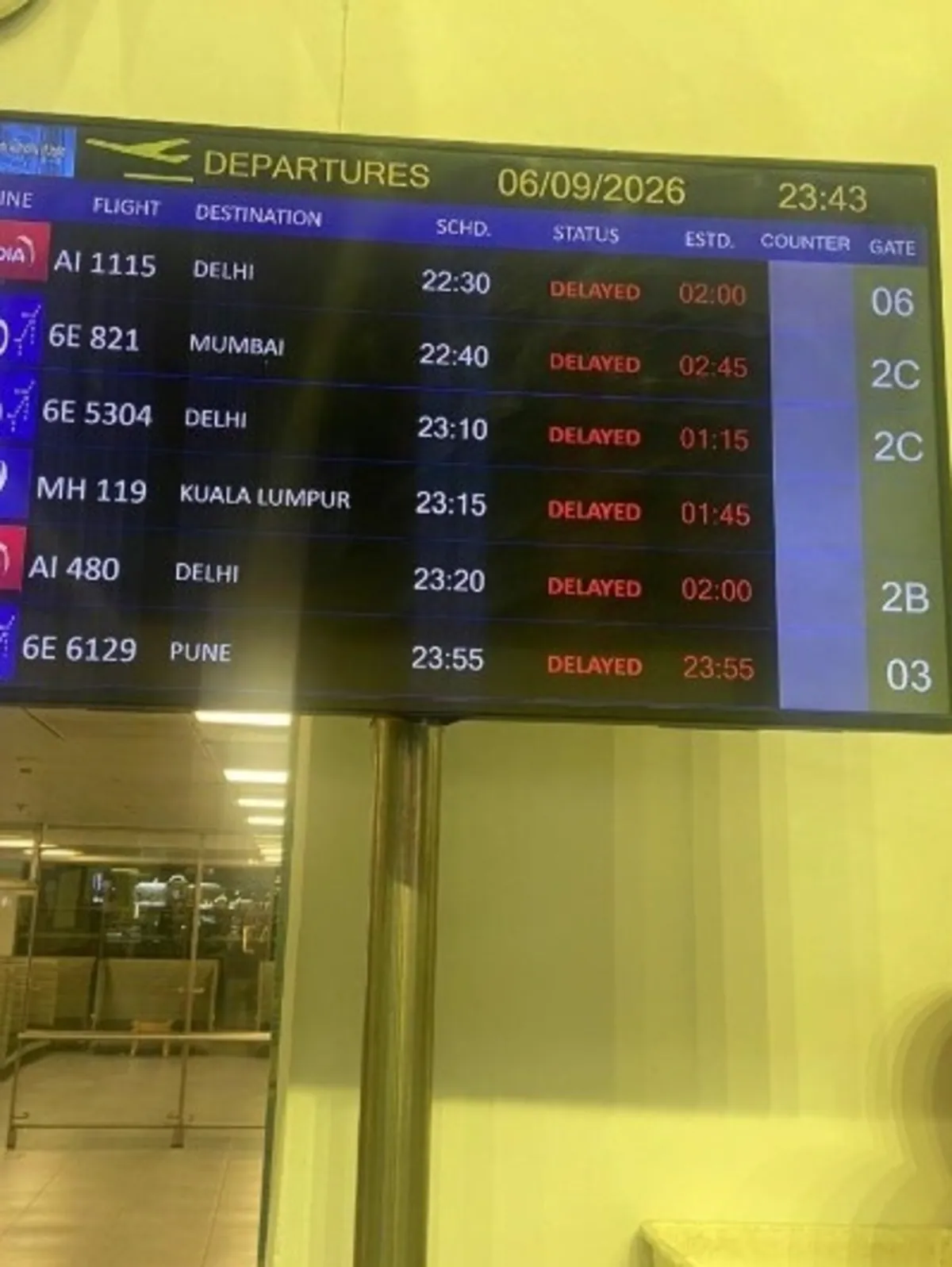
The incident resulted in roughly an hour and a half of disruption, although the effects continued for some passengers even after the airport reopened.
Seven flights diverted to Delhi and Chandigarh
Seven incoming flights were affected by the temporary suspension.
Five flights were diverted to Delhi, while two were diverted to Chandigarh. The affected services included flights operated by Air India, IndiGo, Air India Express and Malaysia Airlines, according to officials familiar with the incident.
The diversions included international services, adding another layer of complexity to the disruption. Aircraft that had already been circling near Amritsar when the decision was taken to suspend operations had to alter their flight plans and land elsewhere.
Among the affected services was an Air India Express flight operating from Dubai to Amritsar. The flight, identified as IX 138, had been scheduled to reach Amritsar at around 10.40 pm. It was diverted to Delhi after the airport was temporarily closed but subsequently returned to Amritsar once operations resumed.
An airline official said the aircraft had sufficient fuel to remain in a holding pattern for more than an hour, allowing the crew and air traffic controllers some time to assess the developing situation.
Five of the seven diverted flights eventually returned to Amritsar after the airport was cleared for normal operations.
For passengers, however, the sudden change meant additional waiting time, uncertainty and, in some cases, an unexpected landing in another city before the journey could continue.
Drone activity later linked to nearby sports tournament
What initially appeared to be a potentially serious aviation security incident took a different turn after police began investigating the source of the suspected drone activity.
According to the investigation, a sports tournament was taking place in a village near the airport. A drone was reportedly being used to record the sporting event.
Police said the drone had been operated without the required permission and had entered an area where drone flights are prohibited.
The airport falls within a restricted zone for drone operations, with flying drones within an 8-kilometre radius of the airport not permitted. Police said legal action would be taken over the unauthorised drone operation.
The clarification provided an explanation for the objects detected near the airport, but it did not diminish the seriousness of the incident from an aviation safety perspective.
For air traffic controllers and airport authorities, identifying whether a drone is being used for entertainment, photography, commercial purposes or something more threatening is not something that can safely be assumed in the middle of an active flight operation.
That uncertainty is precisely why suspected drone activity near an airport can trigger an immediate operational response.
Why drones near airports are a serious concern
Drones have become increasingly common for photography, videography, surveying, agriculture and recreational activities. Their accessibility, however, has also created challenges for airports and aviation authorities.
A drone operating close to an airport can potentially interfere with aircraft during some of the most critical stages of flight, particularly take-off and landing.
Even a small unmanned aircraft can become a serious hazard if it enters the flight path of a commercial aircraft. The risk becomes more significant when pilots and air traffic controllers are unable to immediately determine the location, altitude or movement of the drone.
At Amritsar, authorities therefore followed a precautionary approach. Rather than wait for the situation to become clearer while aircraft continued approaching the runway, flight operations were suspended until the reported activity had ceased.
The decision also reflects the importance of layered aviation security at an airport located in a strategically sensitive border region.
Quick response helped prevent a larger disruption
The Amritsar incident also demonstrated how airport operations can be quickly adjusted when a potential threat emerges.
Once the suspected drone movement was reported, security agencies and police were alerted and flight operations were temporarily halted. Aircraft already approaching the airport were diverted to alternative airports, preventing them from entering potentially unsafe airspace.
The response caused inconvenience but avoided exposing aircraft and passengers to an unidentified aerial hazard.
The airport was eventually cleared to resume operations after authorities reviewed the situation and found no further drone activity.
The fact that most of the diverted flights were later able to return to Amritsar also helped limit the longer-term impact on passengers and airline schedules.
Incident raises questions over enforcement
While the immediate aviation disruption was resolved within a relatively short period, the episode has once again drawn attention to the enforcement of restrictions around airports.
The police investigation indicated that the drone was being used to record a sporting event rather than for a malicious purpose. But intent alone does not eliminate the danger created by an unauthorised drone near an airport.
A person operating a drone for photography may not realise how quickly an apparently routine activity can interfere with aircraft operations. In this case, the use of a drone to capture footage of a local sports tournament was enough to trigger a security response and divert multiple flights.
The incident could therefore serve as another reminder to drone operators that restrictions around airports are not merely procedural requirements. They are designed to protect aircraft, passengers and people on the ground.
Amritsar airport resumes normal operations
Following the security assessment, flight operations at Amritsar airport resumed around 11.15 pm.
The temporary closure lasted approximately 90 minutes, and no reports of injuries or damage emerged from the incident. The seven diverted flights were the principal immediate consequence, with most subsequently returning to Amritsar.
The episode began with uncertainty over possible drone activity near an operational runway and ended with police tracing the objects to an unauthorised recording activity at a nearby sporting event.
But the sequence also demonstrated why airport authorities cannot afford to take such reports lightly.
For passengers arriving at Amritsar, the incident may have meant an unexpected detour and hours of uncertainty. For airport and security officials, however, the priority was straightforward: establish whether the reported aerial activity posed a threat before allowing aircraft to resume normal landings.
The incident ultimately appears to have been caused by unauthorised drone use rather than a deliberate security attack. Yet the disruption to seven flights shows how quickly an apparently routine drone operation can ripple through the aviation network.
As drones become increasingly widespread, maintaining strict controls around airports and ensuring public awareness of restricted airspace will remain critical to keeping commercial flight operations safe and predictable.
With input from agencies
Image Source: Multiple agencies
© Copyright 2026. All Rights Reserved. Powered by Vygr Media.